

Complete Diwali 2026 Mantras Guide for NRIs in USA, Canada, UK & Worldwide
A complete Diwali 2026 mantras and puja guide written for NRIs, covering the five festival days, Lakshmi and Ganesha chants, and how to celebrate meaningfully far from home.

A complete Diwali 2026 mantras and puja guide written for NRIs, covering the five festival days, Lakshmi and Ganesha chants, and how to celebrate meaningfully far from home.
Quick answer: Diwali 2026 is celebrated with Lakshmi Puja on Sunday, 8 November 2026. NRIs can honour the festival with the Lakshmi Gayatri, Ganesha mantra, and Om Shri Mahalakshmyai Namah, lighting diyas and offering prayers at home wherever they live worldwide.
Diwali is the festival of lights that unites Hindu families across the world, and for NRIs in the USA, Canada, the UK and beyond, mantras are the heart of a heartfelt home celebration. This guide brings together the key Diwali 2026 dates, the essential mantras, and simple, authentic ways to observe the festival even when you are far from India.
Diwali 2026 Dates for NRIs Worldwide
Diwali is a five-day festival. The main Lakshmi Puja falls on Sunday, 8 November 2026, which is considered especially auspicious as it lands on a Sunday. Because exact muhurat clock times shift with your local time zone, always confirm the precise Lakshmi Puja timing with your nearby temple or community organisation before the day.
| Festival Day | Date 2026 |
|---|---|
| Dhanteras | Friday, 6 November 2026 |
| Naraka Chaturdasi / Choti Diwali | Saturday, 7 November 2026 |
| Diwali / Lakshmi Puja (main day) | Sunday, 8 November 2026 |
| Govardhan Puja / Annakut | Monday, 9 November 2026 |
| Bhai Dooj | Tuesday, 10 November 2026 |
For NRIs, the Lakshmi Puja is usually performed in the evening after sunset in your local time zone. Since sunset times differ widely between New York, Toronto, London, Sydney and Dubai, treat all online muhurat charts as guidance and check local temple announcements for 2026 specifics.
Why Mantras Matter During Diwali
Mantras are sacred sound formulas that focus the mind, invoke divine presence, and turn a simple lamp-lighting into genuine worship. During Diwali, they are chanted to welcome Goddess Lakshmi (prosperity), Lord Ganesha (remover of obstacles), and to celebrate the victory of light over darkness. Even a few sincere repetitions can transform a small apartment puja abroad into a deeply meaningful ritual.
Essential Diwali 2026 Mantras
Ganesha Mantra
Every Diwali puja begins by invoking Lord Ganesha to remove obstacles. The most widely used chant is Om Gam Ganapataye Namah, repeated to seek his blessings before any new beginning. Many families also recite the Vakratunda Mahakaya shloka, a well-known prayer describing his form and requesting a smooth, obstacle-free undertaking.
Lakshmi Mantras
Goddess Lakshmi is the central deity of Diwali. The simple and popular chant is Om Shri Mahalakshmyai Namah, offered while lighting diyas and placing offerings. The Lakshmi Gayatri Mantra, which begins Om Mahalakshmyai Cha Vidmahe, is also chanted to invoke her grace, abundance and inner steadiness. Traditional families may recite the Shri Suktam, a Vedic hymn to Lakshmi; describe or play it rather than attempting an unfamiliar full recitation.
Kubera and Dhanteras Mantra
On Dhanteras, many households honour Lord Kubera, the treasurer of the gods, alongside Lakshmi. A commonly chanted invocation is Om Yakshaya Kuberaya Vaishravanaya Dhanadhanyadhipataye Dhanadhanya Samriddhim Me Dehi Dapaya Svaha, offered while purchasing metal, cleaning the home, or lighting the Dhanteras lamp.
Universal Light Prayer
Diwali celebrates the movement from darkness to light. The timeless prayer Asato Ma Sad Gamaya, Tamaso Ma Jyotir Gamaya, Mrityor Ma Amritam Gamaya expresses the wish to move from untruth to truth, darkness to light, and mortality to the eternal. It is a beautiful, inclusive chant to share with children and non-Hindu friends abroad.
Simple Diwali Home Puja for NRIs
- Clean your home and set up a small altar or clear surface with a clean cloth for the deities.
- Place images or idols of Ganesha and Lakshmi, and keep a diya, incense, flowers, kumkum and sweets ready.
- Begin by invoking Ganesha with Om Gam Ganapataye Namah to clear obstacles.
- Light the diyas and chant Om Shri Mahalakshmyai Namah or the Lakshmi Gayatri to welcome the Goddess.
- Offer flowers, sweets and a coin or symbol of your work or business as gratitude.
- Perform aarti, share prasad with family, and close with the light prayer Tamaso Ma Jyotir Gamaya.
Diwali Mantras by Purpose
- For obstacle removalOm Gam Ganapataye Namah
- For prosperity and abundanceOm Shri Mahalakshmyai Namah
- For invoking Lakshmi's graceLakshmi Gayatri Mantra
- For Dhanteras / wealthKubera Mantra
- For light over darknessAsato Ma Sad Gamaya
Celebrating Diwali 2026 Across Time Zones
In the USA (Eastern, Central, Mountain and Pacific zones), Canada, the UK, Europe, the Gulf, and Australia, NRIs celebrate Lakshmi Puja in their own local evening on 8 November 2026. Weekend celebrations may be arranged by temples and community groups on nearby dates for convenience. Check your local temple, gurudwara-hall bookings, or community association for exact 2026 timings, potluck details and cultural programmes, as these vary by city and are announced closer to the festival.
- Keep a small stock of diyas, wicks, ghee or oil, incense and camphor, since these can sell out at Indian grocery stores before Diwali.
- Use LED diyas where open flames are restricted by apartment or building fire rules.
- Play recorded Shri Suktam or aarti if you are not confident reciting long hymns yourself.
- Involve children by teaching them one short mantra and letting them light a safe lamp.
- Coordinate a video call with family in India so you can share the puja moment together.
Keeping Traditions Alive Abroad
Living overseas does not dilute the spirit of Diwali. What matters is sincerity, cleanliness, and devotion. A single lit diya, a clean heart, and a few well-chosen mantras carry the same blessing as an elaborate ceremony. By teaching these chants to the next generation, NRI families keep the light of Diwali burning brightly across the world in 2026 and beyond.
Related
See the main Diwali 2026 complete guide for the five-day dates, Lakshmi Puja muhurat and full rituals.
Frequently Asked Questions
When is Diwali 2026 for NRIs worldwide?
The main Diwali day with Lakshmi Puja falls on Sunday, 8 November 2026. The five-day festival runs from Dhanteras on 6 November to Bhai Dooj on 10 November 2026, and NRIs celebrate in their own local time zone.
What is the most important Diwali mantra?
The most important Diwali chants are Om Shri Mahalakshmyai Namah for Goddess Lakshmi and Om Gam Ganapataye Namah for Lord Ganesha, who is invoked first to remove obstacles before any puja begins.
What time should NRIs perform Lakshmi Puja in 2026?
Lakshmi Puja is usually performed in the evening after sunset on 8 November 2026 in your local time zone. Because exact muhurat times vary by city, confirm the precise timing with your nearby temple or community organisation.
Can I do Diwali puja at home without a priest?
Yes. A simple home puja with a clean altar, diyas, offerings and sincere chanting of Ganesha and Lakshmi mantras is completely valid. Devotion and cleanliness matter more than elaborate arrangements.
What mantra is chanted on Dhanteras 2026?
On Dhanteras, 6 November 2026, many families honour Lord Kubera with the Kubera mantra alongside Lakshmi, praying for wealth, health and prosperity while cleaning the home and lighting the Dhanteras lamp.
Which mantra suits children and non-Hindu friends?
The prayer Asato Ma Sad Gamaya, Tamaso Ma Jyotir Gamaya is inclusive and easy to teach. It expresses moving from darkness to light and is a beautiful chant to share with children and friends abroad.
Can I use LED diyas instead of oil lamps abroad?
Yes. Where apartment or building fire rules restrict open flames, LED diyas are a safe and respectful alternative. The intention of welcoming light and Goddess Lakshmi is what carries the blessing.
Where can NRIs find exact 2026 Diwali event details?
Check your local temple, community association or cultural organisation for exact 2026 timings, puja schedules and celebration events, as these are announced closer to the festival and vary by city and country.
You might also like
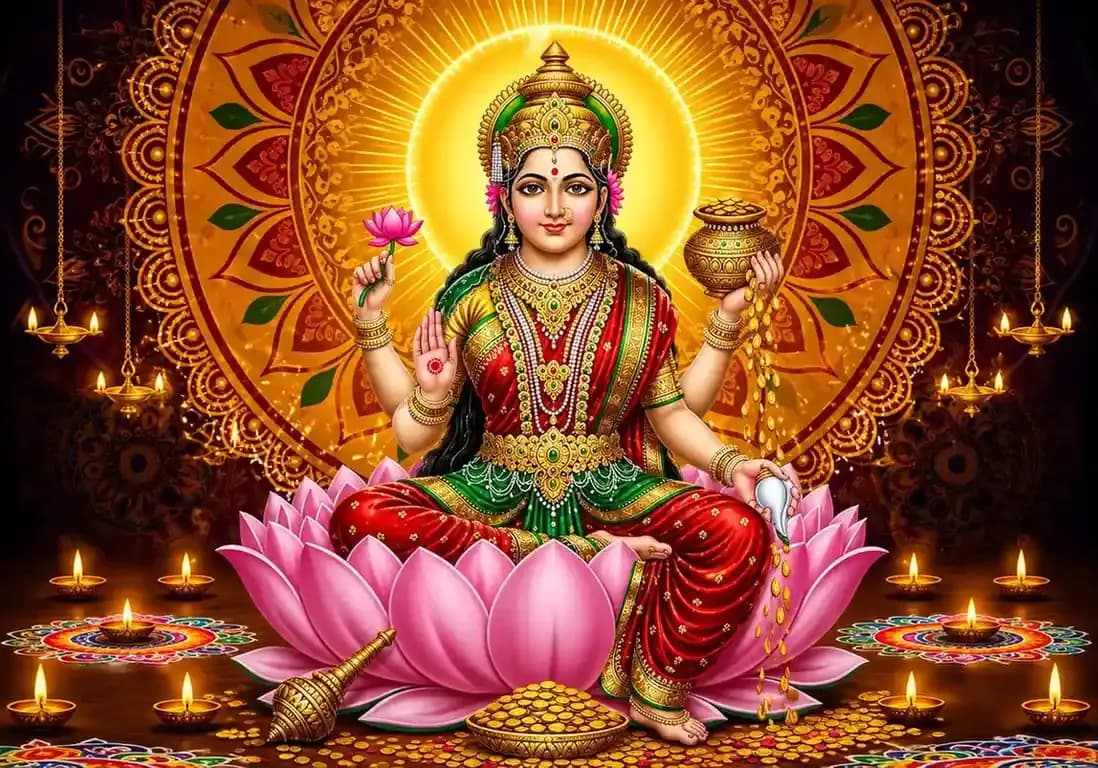
Diwali 2026 in Nepal: Date, Lakshmi Puja Muhurat & City-by-City Celebration Guide
Navratri 2026 USA: Dates, Garba, Dandiya, Durga Puja & NRI Celebration Guide
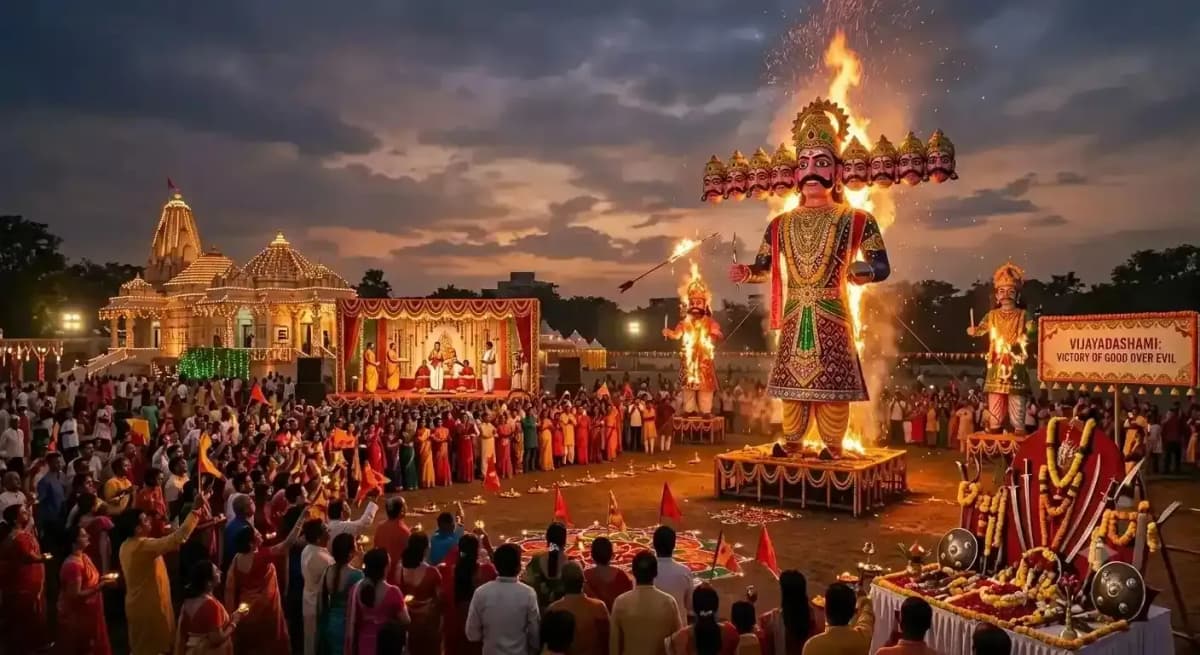
Bathukamma & Dasara 2026 in Canada: Dates, Telangana Association Celebrations & City-by-City Guide