Dallas Pongal 2026: Temple Rituals & NRI Celebration Guide
Pongal 2026 Celebrations in Dallas, Texas: Devotional Rituals, Temple Events, and NRI Guide Introduction: The Sacred Significance of Pongal as a Hindu Harvest…
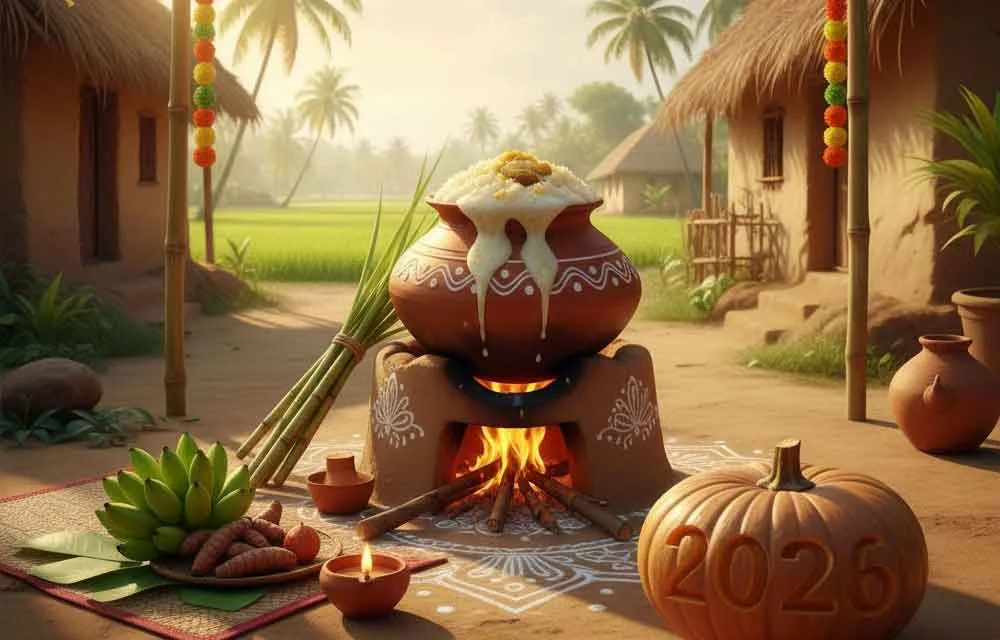
2027 update: In India, Thai Pongal 2027 is on Friday 15 January 2027, with Bhogi on 14 January and Mattu Pongal on 16 January; dates abroad can differ by a day. See Makar Sankranti and Pongal 2027 dates and timings.
Pongal 2026 Celebrations in Dallas, Texas: Devotional Rituals, Temple Events, and NRI Guide
Introduction: The Sacred Significance of Pongal as a Hindu Harvest Festival
Pongal stands as one of the most cherished Hindu festivals, celebrating the bounty of harvest and expressing gratitude to Surya Bhagavan (the Sun God) for His life-giving energy. This four-day Tamil harvest celebration holds profound spiritual significance, marking the transition of the Sun into Makara Rashi (Capricorn) during Makar Sankranti. For Hindu families in Dallas, Texas, and across the USA, Pongal 2026 offers a sacred opportunity to reconnect with ancient Vedic traditions while fostering community bonds in the diaspora.
The festival embodies the essence of dharma through thanksgiving, where devotees honor the five elements of nature—Surya (sun), Varuna (water), Indra (rain), Bhumi Devi (earth), and the sacred cattle that sustain agricultural life. As the Hindu community in Dallas continues to grow, temples throughout the Dallas-Fort Worth metroplex prepare elaborate celebrations that blend traditional devotional practices with the unique experience of celebrating Indian culture in America.
Key Dates for Pongal 2026 Celebrations
The Pongal festival in 2026 will be observed across four auspicious days, each carrying distinct spiritual significance:
Bhogi Pongal – January 14, 2026 (Tuesday) The festival begins with Bhogi, dedicated to Lord Indra, the deity of rain and prosperity. This day symbolizes discarding the old and welcoming the new, both materially and spiritually. Devotees traditionally light bonfires (Bhogi Mantalu) at dawn, offering old possessions to Agni Deva while chanting purification mantras.
Surya Pongal – January 15, 2026 (Wednesday) The main day of celebration, Surya Pongal honors the Sun God. This coincides with Makar Sankranti, when the Sun begins its northward journey (Uttarayan). Families prepare the traditional sweet dish called Sakkarai Pongal in new clay pots, allowing it to overflow as an auspicious symbol of abundance.
Mattu Pongal – January 16, 2026 (Thursday) Dedicated to cattle and farm animals, this day acknowledges their invaluable contribution to agriculture and daily life. Cows and bulls are bathed, adorned with flowers and bells, and worshipped as embodiments of dharma and prosperity.
Kaanum Pongal – January 17, 2026 (Friday) The final day emphasizes family bonds and community gatherings. Families visit relatives, exchange gifts, and offer prayers for continued blessings throughout the year.
Devotional Practices and Spiritual Rituals for Pongal
Surya Worship and Morning Prayers
Pongal celebrations begin with the sacred practice of Surya Namaskar (Sun Salutation) and recitation of the Aditya Hridayam stotra. Devotees rise before dawn to bathe and wear fresh traditional attire—women in silk sarees and men in dhoti-kurta. The family gathers in the prayer area, facing east, to welcome Surya Bhagavan with folded hands and heartfelt devotion.
The traditional prayer for Pongal includes:
"Suryaya Namah, Suryaya Namah, Suryaya Namah Om Bhaskaraya Namah, Om Adityaya Namah"
This mantra invokes the Sun God's blessings for health, prosperity, and spiritual illumination. Many families also chant the Gayatri Mantra at sunrise, connecting with the divine light that dispels darkness from both the external world and the inner consciousness.
Sacred Kolam Designs and Rangoli Art
The ancient art of Kolam (also known as Rangoli in North India) transforms home entrances into sacred spaces during Pongal. Using rice flour, devotees create intricate geometric patterns that symbolize the cosmic order and welcome Goddess Lakshmi. Traditional Pongal kolams often feature:
- The Surya Chakra (sun wheel) design with radiating rays
- Lotus patterns representing purity and spiritual awakening
- Sugarcane and harvest motifs celebrating agricultural abundance
- Sacred symbols like Om, Swastika, and the Kalash
These designs serve both aesthetic and spiritual purposes—the rice flour offerings feed insects and birds, embodying the principle of ahimsa (non-violence) and compassion toward all living beings.
Chanting Om Namah Shivaya and Vedic Mantras
Throughout Pongal, devotees incorporate powerful mantras into their spiritual practice. The Panchakshari mantra "Om Namah Shivaya" holds special significance, as it invokes Lord Shiva's blessings for transformation and liberation. Many families dedicate time to japa (repetitive chanting), using rudraksha mala beads to maintain focus.
Additional mantras commonly recited during Pongal include:
- Lakshmi Gayatri: For prosperity and abundance
- Annapurna Stotram: Honoring the goddess of nourishment
- Vishnu Sahasranamam: Especially on Mattu Pongal, as cows are sacred to Lord Krishna
These sacred vibrations purify the home environment and align the family's consciousness with divine grace.
Temple Events and Community Celebrations in Dallas
Radha Krishna Temple Dallas Programs
The Radha Krishna Temple of Dallas, located in Allen, Texas, serves as a spiritual hub for the Hindu community throughout the DFW area. For Pongal 2026, the temple has organized comprehensive celebrations that honor both the devotional and cultural aspects of this sacred festival.
Special Pujas and Abhishekams: The temple will conduct elaborate Surya Abhishekam on January 15th, beginning at 8:00 AM. Devotees can participate in bathing the Surya deity with panchamrit (a mixture of milk, yogurt, honey, ghee, and sugar) while priests chant Vedic hymns. The Radha Krishna deities will be adorned in special harvest-themed decorations, with fresh sugarcane, turmeric plants, and flower garlands.
Cultural Programs: Throughout the four days, the temple organizes classical music concerts featuring Carnatic renditions of bhajans and kirtans. Children from the temple's Bala Vihar program perform traditional Bharatanatyam dances depicting Krishna's childhood in Vrindavan and stories from Tamil literature. The youth wing conducts interactive sessions on the spiritual significance of gratitude and sustainable living, connecting ancient wisdom with contemporary environmental consciousness.
Community Feast (Annadanam): Following the main Pongal ritual on January 15th, the temple serves a grand prasadam feast featuring authentic South Indian delicacies including Sakkarai Pongal, Ven Pongal, sambhar, coconut chutney, and various vegetable preparations. The annadanam (food offering) embodies the spirit of seva (selfless service) and community solidarity.
DFW Hindu Temple Society Pongal Events
The DFW Hindu Temple Society, one of the largest and most established Hindu temples in North Texas, hosts elaborate Pongal celebrations that attract thousands of devotees from across the Dallas-Fort Worth metroplex.
Traditional Pongal Cooking Ceremony: On Surya Pongal day (January 15th), the temple courtyard becomes a vibrant celebration ground where the traditional Pongal dish is cooked in earthen pots placed over open fires. As the sweet rice preparation boils over, devotees joyfully exclaim "Pongalo Pongal!" (May it overflow!), symbolizing the overflow of prosperity and blessings. This ritual cooking typically begins around 9:00 AM and involves community participation, with families bringing their own ingredients to prepare Pongal together.
Multi-Deity Puja Schedule: The temple conducts special pujas for multiple deities associated with harvest and prosperity:
- Surya Puja with Aditya Hridayam parayanam
- Lakshmi Puja for wealth and abundance
- Saraswati Puja for wisdom and learning
- Special abhishekam for Lord Ganesha to remove obstacles
Decorative Displays and Exhibitions: The temple showcases traditional Tamil heritage through elaborate displays including:
- Miniature village scenes depicting rural Tamil Nadu during harvest season
- Demonstration areas for traditional arts like pottery and kolam making
- Photo exhibitions documenting the temple's Pongal celebrations over the years
- Educational panels explaining the festival's agricultural and astronomical significance
Additional Hindu Temples and Organizations in Dallas
Several other temples and cultural organizations throughout Dallas contribute to the vibrant Pongal celebrations:
Sri Meenakshi Temple (Pearland-Houston area, accessible for South Dallas residents): Offers special darshan of the beautifully adorned Meenakshi and Sundareswarar deities, with extended hours during Pongal days.
ISKCON Dallas: The International Society for Krishna Consciousness temple in Dallas hosts kirtan sessions and distributes prasadam, emphasizing the spiritual connection between gratitude and devotion.
Tamil Sangam of Greater Dallas: This cultural organization coordinates community gatherings at local parks and community centers, organizing traditional games like Jallikattu demonstrations (in safe, cultural format), uriyadi (pot-breaking), and kolattam (stick dance).
Authentic Sakkarai Pongal Recipe for Spiritual Preparation
Preparing Sakkarai Pongal (Sweet Pongal) transcends mere cooking—it becomes a devotional offering infused with prayers and positive intentions. Here's the traditional recipe that Dallas families can prepare in their homes:
Ingredients:
- 1 cup raw rice (preferably ponni rice or basmati)
- ¼ cup split yellow moong dal
- 1½ cups jaggery (gud), grated or chopped
- 3 cups water
- ½ cup ghee (clarified butter)
- 10-12 cashew nuts
- 2 tablespoons raisins
- ½ teaspoon cardamom powder
- ¼ teaspoon dry ginger powder
- A pinch of edible camphor (optional, for traditional flavor)
- A few strands of saffron
Preparation Method:
Step 1: Purification and Prayer Before beginning, cleanse the cooking area and light a diya (oil lamp) near the stove. Offer a brief prayer: "Om Annapurnaye Namah" to invoke blessings from the goddess of nourishment.
Step 2: Cooking the Rice and Dal Wash the rice and moong dal together thoroughly. In a heavy-bottomed pot (traditionally an earthen pot or bronze vessel), combine rice, dal, and water. Cook until both are soft and mushy, with the rice breaking apart easily. The consistency should be slightly watery as it will thicken upon cooling.
Step 3: Preparing the Jaggery Syrup In a separate pan, melt the jaggery with ½ cup water over medium heat. Once dissolved completely, strain through a fine sieve to remove impurities. This ensures a clean, smooth texture for your Pongal.
Step 4: Combining and Offering Add the strained jaggery syrup to the cooked rice-dal mixture. Stir continuously over low heat, allowing the flavors to meld. The mixture should bubble and slowly thicken.
Step 5: Tempering (Tadka) In a small pan, heat ghee. Fry cashews until golden brown, add raisins until they puff up. Pour this entire tempering mixture into the Pongal. Add cardamom powder, dry ginger powder, and saffron. Mix well.
Step 6: Traditional Offering As the Pongal is ready, let it boil over slightly (or simulate this by allowing some to overflow into a plate placed beneath). At this moment, family members joyfully shout "Pongalo Pongal!" three times, symbolizing abundance.
Step 7: Naivedyam (Food Offering) Transfer the Pongal to a clean vessel and offer it to your home altar deities. Place it before the photographs or murtis of Surya Bhagavan, Lakshmi Devi, and your family's ishta devata (chosen deity). Light incense and a camphor flame, chanting:
"Om Bhur Bhuvah Svah, Tat Savitur Varenyam, Bhargo Devasya Dhimahi, Dhiyo Yo Nah Prachodayat"
Allow the offering to remain for at least 15 minutes before distributing as prasadam to family members and guests.
Spiritual Significance of Each Ingredient:
- Rice: Symbolizes prosperity and the fruit of hard work
- Jaggery: Represents the sweetness of life and removal of bitterness
- Ghee: Signifies purity and spiritual richness
- Cashews and Raisins: Denote wealth and health
- Cardamom: Associated with love and devotion
- Saffron: Represents auspiciousness and divine grace
Essential Tips for NRIs Celebrating Pongal in USA
Creating Sacred Space in Your Dallas Home
Living in America presents unique opportunities to adapt traditional celebrations while maintaining their spiritual essence. For NRIs in Dallas, creating a dedicated space for Pongal rituals helps preserve cultural continuity:
Outdoor Alternatives: Since traditional outdoor cooking might not be feasible in apartment complexes or suburban neighborhoods, consider using your backyard, patio, or balcony. Some Dallas communities organize collective celebrations in local parks—check with Tamil Sangam or your apartment association.
Indoor Adaptations: If outdoor cooking isn't possible, use your kitchen stove and designate a special corner near a window (preferably east-facing) where sunlight enters. This maintains the symbolic connection to Surya worship while adapting to practical constraints.
Community Connections: Dallas boasts a vibrant South Indian community. Connect with neighbors through temple networks, local Indian grocery stores, or social media groups. Organizing collective Pongal celebrations strengthens cultural bonds and helps children understand their heritage.
Sourcing Traditional Items in Dallas
The DFW area offers numerous resources for obtaining Pongal celebration materials:
Indian Grocery Stores:
- India Bazaar (multiple locations in Irving, Richardson)
- Patel Brothers (several DFW locations)
- Taj Mahal Imports (Dallas)
- Subzi Mandi (Frisco, Plano)
These stores typically stock clay pots, fresh turmeric plants, sugarcane stalks, jaggery, special rice varieties, and rangoli colors during Pongal season.
Fresh Produce: While traditional items like banana leaves might require pre-ordering, most Indian stores carry them frozen. For fresh flowers like marigolds and jasmine, coordinate with local Indian florists or check temple prasadam counters.
Online Resources: Websites like IndianFoodsCompany.com, iShopIndian.com, and Amazon's Indian grocery section deliver specialty items directly to your Dallas home, though ordering 1-2 weeks in advance ensures timely arrival.
Balancing American Work Schedules with Traditional Practices
Many NRIs face the challenge of celebrating Pongal while managing work commitments, as these dates don't align with American holidays:
Early Morning Rituals: Wake up 30-60 minutes earlier than usual to complete sunrise prayers and Surya Namaskar. Even a brief, heartfelt worship session maintains spiritual continuity.
Weekend Extensions: If January 15th falls on a weekday, plan major celebrations for the preceding or following weekend. The divine grace responds to sincere devotion regardless of specific timing.
Workplace Cultural Exchange: Consider bringing Sakkarai Pongal to your office to share with colleagues. This creates cross-cultural understanding and allows you to explain the festival's significance, fostering diversity awareness.
Virtual Participation: Many temples now livestream their Pongal celebrations on YouTube or Facebook. Set reminders to tune in during lunch breaks or evening hours.
Teaching Children About Pongal's Significance
For second-generation Indian Americans in Dallas, experiential learning makes cultural education meaningful:
Hands-On Activities:
- Involve children in preparing Sakkarai Pongal, explaining each ingredient's symbolism
- Teach them to create simple kolam designs using rice flour or colored chalk
- Share stories from Tamil literature like Thirukkural verses about gratitude and farming
- Show age-appropriate videos explaining how rice cultivation works
Language Connection: Teach children basic Tamil or Sanskrit prayers associated with Pongal. Even learning one or two shlokas creates linguistic connection to heritage.
Comparative Context: Help children understand Pongal in relation to American Thanksgiving, highlighting universal themes of gratitude, harvest celebration, and family bonding while maintaining the unique Hindu spiritual elements.
Weather Considerations for Dallas Pongal
January in Dallas typically brings cool temperatures (30-55°F), quite different from the warm harvest season in South India:
Outdoor Celebrations: If hosting outdoor Pongal cooking, prepare for cold weather with portable heaters, warm clothing, and perhaps a tent or canopy. Morning temperatures can be especially chilly, so plan accordingly.
Safety First: Dallas occasionally experiences ice storms in mid-January. Monitor weather forecasts before planning outdoor gatherings and have contingency plans for indoor celebrations.
Texas-Style Adaptation: Some families creatively blend Texas and Tamil traditions by incorporating mesquite wood for cooking fires or serving cornbread alongside traditional South Indian dishes, creating a unique fusion that honors both homes.
Conclusion: Embracing Pongal's Eternal Message of Gratitude
As the Hindu community in Dallas gathers to celebrate Pongal 2026, we reconnect with timeless wisdom that transcends geographical boundaries. This harvest festival reminds us that true prosperity flows not merely from material abundance but from grateful hearts aligned with dharmic living. Whether participating in elaborate temple ceremonies at Radha Krishna Temple Dallas or creating intimate rituals in our homes, each offering to Surya Bhagavan becomes a prayer for continued blessings.
The significance of Pongal extends beyond its four days—it invites us to cultivate an attitude of thanksgiving throughout the year, recognizing divine grace in every grain of rice, every ray of sunshine, and every moment of connection with family and community. For NRIs navigating life in America while preserving sacred traditions, Pongal serves as an anchor to spiritual roots, a bridge between generations, and a celebration of the universal harvest that nourishes both body and soul.
May this Pongal 2026 overflow with health, happiness, and spiritual illumination for all devotees in Dallas, Texas, and across the United States. May the blessings of Surya Bhagavan, Lakshmi Devi, and all divine forces illuminate your path with prosperity and peace.
Pongalo Pongal! Vazhga Valamudan!
Continue Your Spiritual Journey with HinduTone
Deepen your devotional practice beyond Pongal celebrations by exploring the sacred mantras and spiritual resources at www.hindutone.com. Discover powerful chants for prosperity including:
- Lakshmi Gayatri Mantra for attracting abundance
- Surya Beej Mantra for vitality and success
- Ganesha mantras for removing obstacles in your endeavors
- Saraswati Vandana for wisdom and learning
Our comprehensive collection features audio recordings, pronunciation guides, and detailed explanations of each mantra's spiritual significance. Whether you're beginning your mantra practice or seeking to enhance existing spiritual disciplines, HinduTone offers authentic Vedic wisdom tailored for modern Hindu practitioners in America.
For More Devotional Journey, Follow
- Temples
/temples/ - Tirumala Updates
/tirumala/ - Sabarimala Yatra
/category/sabarimala-yatra/ - Pooja, Slokas & Mantras
/pooja-slokas-and-mantras/ - Hindu Gods
/hindu-gods/
Visit hindutone.com today to unlock the transformative power of sacred sound and invite divine blessings into every aspect of your life.
Frequently Asked Questions
Where is Dallas Pongal located?
Pongal 2026 Celebrations in Dallas, Texas: Devotional Rituals, Temple Events, and NRI Guide Introduction: The Sacred Significance of Pongal as a Hindu Harvest Festival Pongal stands as one of the most cherished Hindu festivals, celebrating the bounty of harvest and expressing gratitude to Surya Bhagavan (the Sun God) for His life-giving energy. This four-day
Who is the presiding deity of Dallas Pongal?
The temple's presiding deity and its significance are described in the guide above.
What are the timings and how do I reach Dallas Pongal?
Temples typically open early morning and evening; confirm current darshan timings before visiting. The nearest airport, railway station and road routes are covered in the guide above.
What is the best time to visit Dallas Pongal?
Major festival days and the cooler months are popular, though weekday mornings offer a calmer darshan. Plan around the temple's key festivals for the most vibrant experience.
Share this with family and friends
Send it on WhatsApp, post it, or copy the link.
More from Festivals
- Vasant Panchami 2027 (Saraswati Puja, Basant Panchami, Sri Panchami): Date, Panchami Tithi, Puja Muhurat by City, Vidhi and Story
- Holi 2027: Date, Holika Dahan Muhurat City-Wise, Bhadra Timings, Puja Vidhi and Holi Abroad
- Makar Sankranti 2027: Date, Punya Kaal Timings City-Wise, Bhogi, Pongal, Kanuma, Lohri and Uttarayan
- Dev Deepawali 2026 Varanasi: Date, Purnima Time, Ganga Aarti, Story, Puja Vidhi and Deep Daan
- Kartik Purnima 2026: Date, Purnima Time, Snan, Deep Daan, Puja Vidhi and Significance
You might also like
April 2026 Hindu Festivals: Complete Day-Wise List as per North Indian Calendar (Purnimanta)
Hanuman Jayanti 2026 Celebrations in USA: Grand City-Wise Guide to Temples, Events & Devotional Vibes
Hanuman Jayanti 2026 in Afghanistan, Bangladesh & Pakistan: Date, Timings, Complete Birth Story, Puja Vidhi & Community Observances