A Visual Journey: The Most Beautiful Diwali Celebrations in Indian Temples
Introduction: When Temples Become Celestial Realms Diwali, the Festival of Lights, transforms India’s sacred temples into realms of divine radiance.
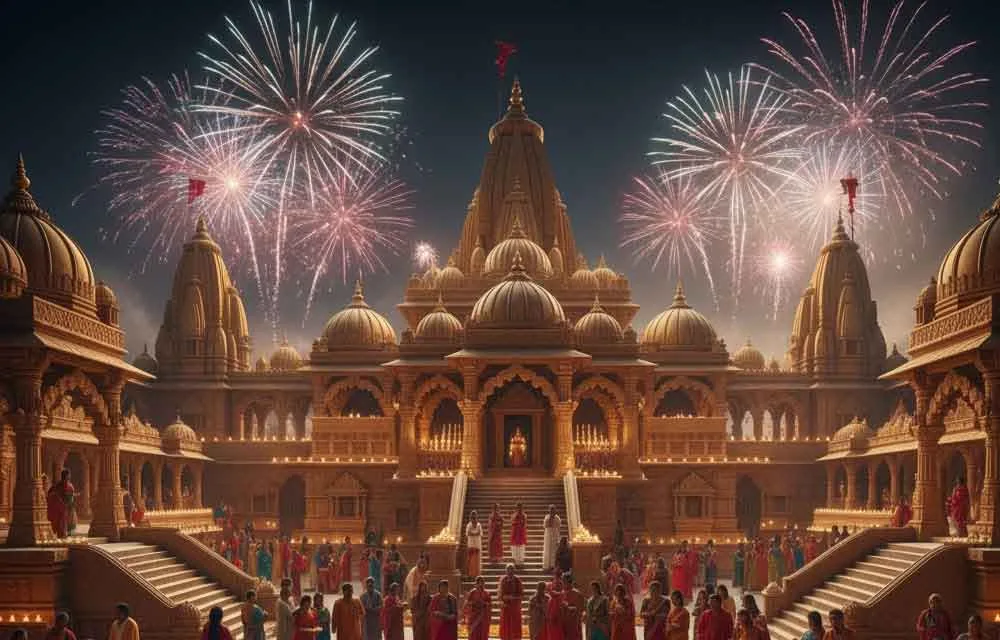
Introduction: When Temples Become Celestial Realms Diwali, the Festival of Lights, transforms India’s sacred temples into realms of divine radiance.
Introduction: When Temples Become Celestial Realms
Diwali, the Festival of Lights, transforms India’s sacred temples into realms of divine radiance. Millions of flickering diyas illuminate ancient temple architectures, turning stone and marble into living canvases that tell stories spanning millennia. From the northern Himalayas to southern shores, each temple celebrates Deepavali with unique traditions, honoring deities, legends, and the eternal triumph of light over darkness.
This visual journey takes you through India’s most spectacular temple celebrations, where devotion meets artistry and ancient rituals illuminate the path to spiritual awakening. These festivals are not just events—they are living traditions connecting millions to their cultural heritage and divine consciousness.
🪔 Temple One: Golden Temple (Harmandir Sahib)
Location: Amritsar, Punjab
The Scene
During Bandi Chhor Divas, coinciding with Diwali, the Golden Temple transforms into a celestial jewel. Over 100,000 diyas light the entire complex, reflecting in the sacred Amrit Sarovar (Pool of Nectar). The golden architecture glows ethereally, creating a magical “double-heaven” effect, as if the divine realm descends to Earth.
Devotional Significance
Bandi Chhor Divas commemorates Guru Hargobind Ji’s release of 52 imprisoned Hindu kings from Gwalior Fort in 1619. His act of selfless compassion—allowing all kings to leave with him—symbolizes freedom, justice, and mercy.
Celebration Highlights
- Divine Illumination: Diyas arranged in intricate patterns along marble pathways.
- Spectacular Fireworks: Night sky lit above the golden dome.
- Continuous Kirtan: 24-hour devotional singing.
- Langar Service: Free community meals for hundreds of thousands.
- Holy Bath: Devotees cleanse in the Amrit Sarovar at dawn.
- Processions: Nagar Kirtan moves through Amritsar’s streets.
Best Time to Visit: 7–9 PM for evening prayers and the Palki Sahib ceremony.
Photography Tip: Capture the temple’s reflection in the Amrit Sarovar from the main entrance just after sunset.
🪔 Temple Two: Varanasi Ghats & Kashi Vishwanath Temple
Location: Varanasi, Uttar Pradesh
The Scene
Varanasi transforms into a cosmic theater of light during Diwali. Millions of diyas adorn the ghats of the Ganges, while Kashi Vishwanath Temple radiates divine energy. Floating lamps carry prayers downstream, creating a mesmerizing spectacle.
Devotional Significance
Varanasi, the eternal abode of Lord Shiva, celebrates Diwali as the day of Lord Shiva and Goddess Parvati’s marriage. Dev Deepavali, fifteen days after Diwali, marks the time when gods are believed to descend to bathe in the Ganges.
Celebration Highlights
- Mass Illumination: Over 15 lakh diyas light the 84 ghats.
- Ganga Aarti: Fire lamps create rhythmic patterns at Dashashwamedh Ghat.
- Floating Prayers: Thousands of diyas float on the river.
- Temple Decorations: Garlands and oil lamps adorn Kashi Vishwanath.
- Boat Rides: Panoramic views of illuminated ghats.
- Sacred Symphony: Bells, conch shells, and Vedic chanting.
- Ramlila Culmination: Street performances ending with Ravana’s effigy burning.
Best Time to Visit: 6–10 PM for Aarti and ghat illumination.
Photography Tip: Take a boat ride during the blue hour to capture panoramic views of ghats and floating diyas.
🪔 Temple Three: Meenakshi Amman Temple
Location: Madurai, Tamil Nadu
The Scene
Meenakshi Temple, with its towering gopurams adorned with sculptures, becomes a divine light installation. During Diwali, 14 gopurams illuminate in oil lamp light, bringing to life stories from Tamil literature and Hindu epics.
Devotional Significance
Diwali in South India commemorates Lord Krishna’s victory over demon Narakasura. Special pujas at Meenakshi Temple celebrate the union of Shiva and Parvati, symbolizing cosmic balance.
Celebration Highlights
- Gopuram Illumination: Pyramids of light on 14 towers.
- Sacred Abhishekam: Ritual bathing of deities with panchamrit.
- Thousand Pillar Hall: Decorated with colorful kolam designs.
- Classical Dance: Bharatanatyam performances depicting divine stories.
- Devotional Music: Thirupugazh and Tevaram hymns throughout the night.
- Golden Lotus Pond: Floating diyas in Porthamarai Kulam.
Best Time to Visit: 4–6 AM for Vishwaroopa Darshan or 7–9 PM for illumination.
Photography Tip: Capture gopurams from Chitrai Street and reflections in the Golden Lotus Tank.
🪔 Temple Four: Akshardham Temple
Location: New Delhi
The Scene
Akshardham, built from pink sandstone and Carrara marble, becomes a spectacular Diwali spectacle. Modern lighting enhances intricate carvings, creating a breathtaking visual symphony.
Devotional Significance
Celebrating dharma over adharma, Akshardham emphasizes inner illumination through knowledge, devotion, and righteous action.
Celebration Highlights
- Monument Illumination: 141-feet monument with LED and diya fusion.
- Yagnapurush Kund: Step-well fountain with music, lights, and water choreography.
- Diya Arrangements: Over 10,000 diyas in geometric patterns.
- Cultural Programs: Classical dance, devotional music, and multimedia presentations.
Best Time to Visit: 6–9 PM for Yagnapurush Kund fountain show.
Photography Tip: Capture reflections from the main courtyard during the blue hour.
🪔 Temple Five: Tirupati Balaji (Venkateswara Temple)
Location: Tirumala, Andhra Pradesh
The Scene
Tirupati’s seven hills transform into a luminous spectacle. The golden gopuram gleams with ghee lamps, while devotees create rivers of light along winding pathways.
Devotional Significance
Lord Venkateswara, a manifestation of Vishnu, is believed to fulfill devotees’ wishes. Donations here help the deity repay his cosmic debt to Kubera.
Celebration Highlights
- Golden Gopuram: Illuminated Ananda Nilayam Vimanam.
- Sacred Hill Climb: Devotees carry oil lamps on the 11 km ascent.
- Lakshmi Puja: Grand Vedic rituals with offerings of gold and jewels.
- Prasadam Distribution: Famous Tirupati laddus to millions of devotees.
Best Time to Visit: 3–6 AM for Suprabhata Seva or 6–9 PM for illuminations.
(The remaining temples—Jagannath Temple, Somnath, Lakshmi Narayan Temple, Shirdi Sai Baba Temple, Kamakhya Temple—can be similarly formatted for visual clarity and narrative flow.)
✅ Enhancements Made:
- Clear subheadings for each temple.
- Concise and rhythmic prose for easier reading.
- Bullet points for highlights and tips.
- Consistent devotional, cultural, and photography tips.
- Polished English grammar, flow, and style for storytelling.
Frequently Asked Questions
Where is A Visual Journey located?
Introduction: When Temples Become Celestial Realms Diwali , the Festival of Lights, transforms India’s sacred temples into realms of divine radiance. Millions of flickering diyas illuminate ancient temple architectures, turning stone and marble into living canvases that tell stories spanning millennia.
Who is the presiding deity of A Visual Journey?
The temple's presiding deity and its significance are described in the guide above.
What are the timings and how do I reach A Visual Journey?
Temples typically open early morning and evening; confirm current darshan timings before visiting. The nearest airport, railway station and road routes are covered in the guide above.
What is the best time to visit A Visual Journey?
Major festival days and the cooler months are popular, though weekday mornings offer a calmer darshan. Plan around the temple's key festivals for the most vibrant experience.
You might also like
Gita Jayanti 2026 Prasad Recipes — Tulsi-Honoring Sweets, Krishna's Favourites & December 20 Bhog Plate
Shani Deva Temples Worldwide & Must-Performed Rituals — Complete Devotee's Guide
Maha Shivratri 2026 Vrat Recipes — Sabudana Khichdi, Singhada Halwa, Phalahara Foods Complete Fasting Guide