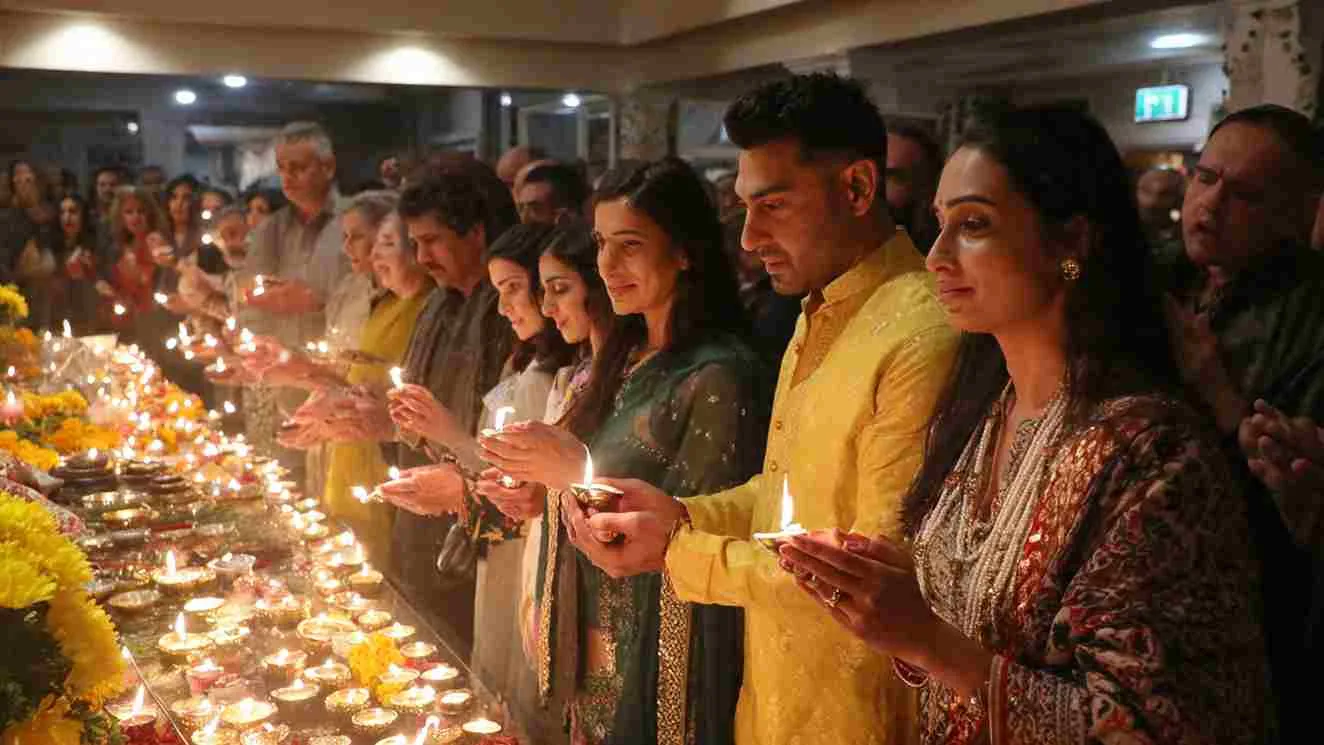
Hindu Festival Calendar 2026 for American Hindus
Complete Hindu Festival Calendar 2026: Dates, Significance, and Rituals for American Hindus Celebrating Hindu festivals in America presents unique…

Complete Hindu Festival Calendar 2026: Dates, Significance, and Rituals for American Hindus Celebrating Hindu festivals in America presents unique…
Complete Hindu Festival Calendar 2026: Dates, Significance, and Rituals for American Hindus
Celebrating Hindu festivals in America presents unique opportunities to maintain cultural connections while adapting traditions to Western lifestyles. This comprehensive guide helps Hindu Americans navigate the 2026 festival calendar with practical rituals suited for busy schedules and American homes.
Understanding the Hindu Lunisolar Calendar in 2026
The traditional Hindu calendar follows lunar months (tithi), harmonizing moon and sun cycles to determine auspicious dates. For American Hindus coordinating with Gregorian calendars and work schedules, understanding these dates helps plan time off and family gatherings.
In 2026, be aware of Adhik Maas (extra lunar month), typically falling between August and September. This intercalary month balances lunar and solar calendars, though major festivals aren't celebrated during this period. All festival dates may vary by 1-2 days depending on your local temple's calculations and time zone considerations.
Hindu Festivals 2026: Complete Calendar for USA
January 2026
Makar Sankranti - January 14, 2026 (Wednesday) This solar festival marks the sun's transition into Capricorn and longer daylight hours. Perfect timing as Americans emerge from holiday season into the new year.
Vasant Panchami - January 23, 2026 (Friday) Dedicated to Goddess Saraswati, this festival honors knowledge and learning. Ideal for blessing children's education and starting new courses or professional development.
February 2026
Maha Shivaratri - February 15, 2026 (Sunday) The great night of Lord Shiva. Many temples across the US organize nightlong programs. Working professionals can attend evening ceremonies and meditate at home.
March 2026
Holi - March 3, 2026 (Tuesday) In the USA the festival of colors falls on a Tuesday this year (India plays Holi on Wednesday, March 4), so most community Holi events move to the weekend of March 7–8 at local temples, parks, or backyards. The Holika Dahan bonfire is on Monday evening, March 2.
April 2026
Ugadi/Gudi Padwa - March 19, 2026 (Thursday) The Hindu New Year celebrated by South Indians and Maharashtrians. It falls on a Thursday, so plan an evening temple visit and keep the special meal for the weekend if needed.
Ram Navami - March 26, 2026 (Thursday) Lord Rama's birth anniversary. Many temples offer virtual streaming for those unable to attend in person due to work commitments.
Hanuman Jayanti - April 1, 2026 (Wednesday) A midweek date this year — attend an evening Hanuman Chalisa recitation at your temple, or organize a community gathering the weekend after.
Akshaya Tritiya - April 19, 2026 (Sunday) One of the most auspicious days for starting ventures, making investments, or purchasing gold. Indian jewelry stores across America often have special promotions.
July-August 2026
Guru Purnima - July 29, 2026 (Wednesday) Honor your spiritual teachers, music gurus, or yoga instructors. Many yoga studios in America organize special sessions.
Nag Panchami - August 16, 2026 (Sunday) Though less commonly celebrated in America, some temples conduct special pujas.
Raksha Bandhan - August 27, 2026 (Thursday) Sisters can mail rakhis to brothers across different states or countries. Video calls make long-distance celebrations meaningful.
Krishna Janmashtami - September 3, 2026 (Thursday) The midnight celebrations fall on Thursday night, so many working professionals take Friday morning off. Many temples organize elaborate programs with dance dramas.
August-September 2026
Ganesh Chaturthi - September 14, 2026 (Monday) Ten-day festival ending with Anant Chaturdashi on Friday, September 25. American Hindus often celebrate for 1.5, 3, or 5 days due to work schedules. Eco-friendly clay idols are widely available online.
Pitru Paksha - September 26 - October 9, 2026 Fifteen days for honoring ancestors. Temples offer tarpan services, or perform simple water offerings at home.
Navratri - October 11-19, 2026 (Sunday-Monday) Nine nights of Goddess worship. Weeknight Garba events are popular at temples and community centers across America. Weekend days allow for longer celebrations.
Dussehra/Vijayadashami - October 20, 2026 (Tuesday)
October 2026
Karwa Chauth - October 28, 2026 (Wednesday) Married women observe fast for husbands' wellbeing. Moon-sighting apps help determine exact moonrise times for your city.
November 2026
Dhanteras - November 6, 2026 (Friday) Perfect timing for visiting Indian jewelry stores or making auspicious purchases. Stock markets are closed, but you can plan investments.
Naraka Chaturdashi/Choti Diwali - November 7, 2026 (Saturday)
Diwali/Deepavali - November 8, 2026 (Sunday) The main festival falls on a Sunday this year, so Dhanteras (Friday) through Diwali (Sunday) makes a full festival weekend — no time off needed for Lakshmi Puja.
Govardhan Puja - November 9, 2026 (Monday)
Bhai Dooj - November 10, 2026 (Tuesday) Siblings can celebrate via video calls if living in different cities.
Chhath Puja - November 15, 2026 (Sunday, main evening arghya) Primarily celebrated by North Indians from Bihar, Jharkhand. Some communities organize collective celebrations at lakes or beaches.
Dev Diwali - November 24, 2026 (Tuesday)
December 2026
Vivah Panchami - December 13, 2026 (Sunday)
Top 10 Hindu Festivals: Practical Celebrations for American Homes
1. Makar Sankranti - American-Style Celebration
Significance: Marks the sun's northward journey, symbolizing new beginnings, positivity, and the triumph of light over darkness.
Practical Rituals for US Homes:
- Wake early and take a shower, offering prayers facing east toward sunrise
- If near a river or lake, offer water to the sun; otherwise, do this in your backyard or balcony
- Prepare sesame seed sweets (order from Indian grocery stores or make at home)
- Donate winter coats, blankets to homeless shelters (American equivalent of traditional charity)
- Share sweets with neighbors, introducing them to the festival
- Fly kites in your backyard or local park if weather permits
- Wear yellow or traditional attire
- Virtual celebrations with family in India via video call
Working Professional Tips: Perform morning prayers before work. Keep homemade or store-bought til laddoos at your desk to share with colleagues.
2. Maha Shivaratri - Nightlong Devotion
Significance: The cosmic night when Lord Shiva performed the Tandava, representing transformation and spiritual awakening.
Practical Rituals for US Homes:
- Request time off or attend evening temple programs after work
- Set up a small Shivalinga at home (available at Indian stores or online)
- Perform abhishekam with easily available items: milk, honey, water
- Use apps like "Hindu Calendar" to track pradosh kaal (auspicious evening time)
- Chant "Om Namah Shivaya" using meditation apps or YouTube
- Order bel leaves online from specialty stores or use regular flowers
- Stay awake as long as possible watching Shiva bhajans or documentaries
- Join virtual satsangs organized by temples worldwide
- Break fast next morning with fruits and light breakfast
Apartment Living: Use a small indoor setup. Collect abhishekam water in a bowl and pour in plants (eco-friendly disposal).
3. Holi - Festival of Colors in America
Significance: Celebrates divine love, spring's arrival, and victory of good over evil. Represents letting go of past grievances and embracing joy.
Practical Rituals for US Homes:
- Check local temple or community center for organized Holi events
- Host backyard Holi parties (inform neighbors beforehand about colored powder)
- Use organic, skin-safe color powders (widely available on Amazon)
- Prepare or order Indian sweets from local stores
- Make traditional thandai (recipes available online)
- For Holika Dahan, attend temple bonfires or light a small diya at home with prayers
- Create playlists of Holi songs for authentic atmosphere
- Invite non-Hindu friends to experience the festival
- Wear white clothes you don't mind getting colored
- Set up outdoor stations with water for cleanup
Child-Friendly: Organize Holi playdates for kids to connect with their heritage. Use washable colors for indoor alternatives.
4. Ram Navami - Celebrating Lord Rama's Birth
Significance: Honors Lord Rama's birth, embodying dharma, righteousness, and ideal conduct in relationships.
Practical Rituals for US Homes:
- Attend temple in the morning if it's a weekend, or evening if weekday
- Set up a simple altar with Rama's picture (print from online or use existing ones)
- Read Ramayana passages available in English translations
- Play Ramayana recitation videos on YouTube (many with English subtitles)
- Chant "Sri Ram Jai Ram Jai Jai Ram" during meditation
- Offer fresh fruits and homemade or store-bought prasad
- Observe partial fast (one meal) if full fasting isn't feasible with work schedule
- Watch "Ramayana" series available on streaming platforms
- Teach children Ram's stories using English-language children's books
Modern Adaptation: Listen to Ramayana audiobooks during your commute.
5. Krishna Janmashtami - Midnight Celebration
Significance: Commemorates Lord Krishna's midnight birth, celebrating divine wisdom, playfulness, and the removal of evil.
Practical Rituals for US Homes:
- Take Friday off or plan celebrations over weekend if midnight vigil isn't possible
- Decorate home with lights, flowers, and Krishna pictures
- Set up a cradle for baby Krishna's idol (available at Indian stores)
- Fast until midnight (or do fruit/milk fast for easier work day)
- Order or prepare Krishna's favorites: butter, sweets, fruits
- Attend temple's midnight aarti if nearby, or organize home celebration
- Dress children as Krishna or Radha for temple programs
- Play Krishna bhajans throughout the day
- Video call family in India during their celebrations
- Break fast after midnight with prasad and light meal
Apartment Considerations: Use battery-operated decorative lights. Play music at considerate volumes.
6. Ganesh Chaturthi - Eco-Friendly Celebration
Significance: Celebrates Lord Ganesha's birth, the remover of obstacles and deity of wisdom and new beginnings.
Practical Rituals for US Homes:
- Purchase eco-friendly clay Ganesha idol online (many US vendors available)
- Celebrate for 1.5 days (easiest for working professionals) or 3/5 days
- Set up puja area with red flowers, modaks (order from Indian bakeries)
- Perform daily morning or evening aarti before work
- Chant "Om Gan Ganapataye Namah" 108 times
- Use apps for proper puja procedures and mantras
- On final day, do home visarjan in bathtub or large bucket
- Collect the clay remains and use in garden soil
- Involve children in daily aarti to teach traditions
- Share modaks with neighbors and colleagues
Shopping Resources: Amazon, local Indian grocery stores, temple shops, or specialty websites like GaneshaMart.
7. Navratri - Nine Nights of Divine Feminine
Significance: Nine nights honoring Goddess Durga's nine forms, representing triumph of good over evil and celebration of feminine divine power.
Practical Rituals for US Homes:
- Attend weekend Garba/Dandiya events at local temples or community centers
- Set up a kalash (sacred pot) at home altar
- Wear navratri colors each day (look up color chart online)
- Observe fasting based on your schedule (weekends fully, weekdays partially)
- Many temples offer virtual Durga puja darshan
- Prepare fasting-friendly meals using American ingredients (sweet potatoes, nuts, fruits)
- Play Garba music on Spotify/Apple Music for home atmosphere
- Teach children Garba steps via YouTube tutorials
- On Ashtami or Navami, perform Kanya Puja with neighbor's or friend's daughters
- Join virtual aarti sessions from famous temples
Working Professional Tips: Attend evening Garba after work. Pack fasting-friendly snacks (nuts, fruits) for office.
8. Dussehra - Victory of Good Over Evil
Significance: Marks Lord Rama's victory over Ravana and Goddess Durga's triumph over Mahishasura, symbolizing conquering inner negativity.
Practical Rituals for US Homes:
- Attend temple's Ramlila performances or Ravana effigy burning events
- Perform Aparajita Puja blessing your laptop, books, work tools
- Visit temples for special darshan
- Start new projects, courses, or business ventures (highly auspicious)
- If Wednesday, take half-day off or attend evening celebrations
- Many temples organize community feasts (bhandara)
- Exchange gifts with family and friends
- Watch Ramayana episodes focusing on Rama-Ravana battle
- Explain significance to children using animated videos
Cultural Sharing: Invite American friends to temple celebrations to share your heritage.
9. Diwali - Festival of Lights in America
Significance: Celebrates Lord Rama's return to Ayodhya and Goddess Lakshmi's blessings, symbolizing victory of light over darkness and knowledge over ignorance.
Practical Rituals for US Homes:
- Deep clean home in advance (hire help if needed)
- Decorate with LED diyas, string lights, rangoli (temporary floor stickers available)
- Create rangoli using colored rice, flower petals, or chalk
- Perform Lakshmi-Ganesha puja in evening (many YouTube tutorials available)
- Light diyas or LED candles throughout home (check fire safety regulations)
- Prepare or order Indian sweets from local stores
- Wear traditional attire
- Attend community Diwali events (many cities host large celebrations)
- Invite friends and neighbors for Diwali dinner
- Exchange gifts and sweets
- Fireworks: Check local laws; attend community displays or use sparklers where legal
- Take photos and video call family in India
Workplace Celebration: Bring Indian sweets to office. Many American companies now acknowledge Diwali.
Child Activities: DIY diya painting, rangoli competitions, Diwali story time.
10. Chhath Puja - Sun Worship Adapted
Significance: Ancient Vedic festival honoring Surya (Sun God) and Chhathi Maiya, expressing gratitude for life's sustenance.
Practical Rituals for US Homes:
- Connect with local North Indian community for collective celebrations
- Some communities organize Chhath at lakes, beaches, or rivers
- Day 1: Prepare satvik meal at home
- Day 2: Fast all day, break at sunset with kheer and fruits
- Day 3: Strict waterless fast, prepare thekua (order from Indian stores), offer arghya to setting sun at nearest water body
- Day 4: Offer arghya to rising sun, break 36-hour fast
- If no water body nearby, some families use pools or large water setups
- Maintain purity and devotion throughout
- Use Indian grocery stores for special puja items
Community Connection: Join Facebook groups for local Bihari/Jharkandi communities organizing collective pujas.
Vrat (Fasting) Guidelines for American Lifestyle
Adapting Traditional Fasts to Work Schedules
Types of Fasting:
- Nirjala Vrat: Complete abstinence from food and water (reserve for weekends or days off)
- Phalahar Vrat: Fruits, milk, nuts - manageable during work
- Ekadashi Vrat: One meal or specific foods - easiest for beginners
- Partial Vrat: Skip lunch or dinner - works well with meeting schedules
Making Fasts Work-Friendly:
- Pack fasting-friendly snacks: almonds, cashews, fresh fruits
- Stay hydrated when permitted (water, coconut water)
- Use sendha namak (rock salt) available at Indian stores
- Prepare meals in advance or order from Indian restaurants
- Inform colleagues respectfully about your fasting to manage lunch meetings
- Take breaks for short prayers or meditation
- Keep energy levels stable with permitted foods
- Plan important work tasks on non-fasting days when possible
Fasting Foods Available in America:
- Fresh fruits: bananas, apples, berries (widely available)
- Nuts: almonds, cashews, walnuts (Costco, Trader Joe's)
- Dairy: milk, yogurt, paneer (regular grocery stores)
- Sendha namak: Indian grocery stores or Amazon
- Sabudana (tapioca pearls): Indian stores
- Kuttu ka atta (buckwheat flour): Indian stores, health food stores
- Sweet potatoes, potatoes: regular grocery stores
Health Considerations:
- Consult doctors before rigorous fasting, especially with health conditions
- Pregnant women, diabetics, those on medication should modify or skip fasts
- Listen to your body - breaking a fast for health isn't sinful
- Stay hydrated in dry American climates
- Adjust fasting intensity to your lifestyle and health
Monthly Ekadashi Dates 2026 - USA Time Zones
Ekadashi occurs twice monthly and is sacred to Lord Vishnu. Note: Exact dates may vary by 1 day based on local calculations and time zones (EST, CST, MST, PST).
Consult your local temple or use these apps:
- Hindu Calendar (iOS/Android)
- Drik Panchang (comprehensive website)
- ISKCON app (Vaishnava tradition)
- Cosmic Insights (Vedic calendar app)
General Ekadashi Pattern 2026:
- Two Ekadashis per month, approximately 15 days apart
- Nirjala Ekadashi (June): Most rigorous, complete waterless fast
- Popular among ISKCON devotees and Vaishnavas
- Fast from sunrise to next day sunrise
- Break fast after sunrise with appropriate muhurat
Setting Up Your American Home for Hindu Festivals
Essential Puja Items - Where to Buy
Physical Stores:
- Local Indian grocery stores (most cities have them)
- Temple shops and bookstores
- International markets
Online Shopping:
- Amazon: diyas, incense, puja thalis, idols, decorations
- Indian specialty sites: iShopIndian, Shop Mantra, eIndianGrocery
- Temple websites: many temples sell puja items online
- Etsy: handmade, artisan Hindu items
Basic Puja Kit for American Homes:
- Small brass or copper puja thali
- Diyas (brass or clay) - reusable
- LED string lights for festivals
- Incense sticks (Nag Champa widely available)
- Small idols or pictures of your chosen deities
- Kumkum, haldi (turmeric) - Indian stores
- Rice (akshat) - regular grocery stores work fine
- Small bell and diya holder
- Prayer beads (mala) - 108 beads
- Clean cloth for deity
- Storage container for puja items
Creating Sacred Spaces in American Homes
For Apartments:
- Dedicate a corner shelf or small table
- Use removable adhesive hooks for hanging pictures
- Collapsible puja mandir available online
- Keep it elevated (waist level or higher)
- Face east or north if possible
For Houses:
- Designate a puja room or corner of a quiet room
- Install proper shelving or purchase puja mandirs online
- Ensure good ventilation for incense
- Add proper lighting
- Create storage for puja items
Maintaining Sacred Space:
- Clean regularly (weekly minimum)
- Light diya or incense daily if possible
- Remove offerings before they spoil
- Respect the space's sanctity
- Teach children to respect the puja area
Making Prasad in American Kitchens
Easy Prasad Recipes:
- Panchamrit: milk, yogurt, honey, sugar, ghee
- Simple fruit offerings (no cooking needed)
- Store-bought Indian sweets from local shops
- Homemade kheer using Instant Pot
- Coconut offerings (available at most grocery stores)
Prasad Distribution:
- Share with family members
- Offer to guests (great way to share culture)
- Bring to temple for larger festivals
- Mail to relatives (dry prasad travels well)
Connecting with Hindu Community in America
Finding Local Temples and Communities
Resources:
- Hindu Temple Directory websites
- Facebook groups for local Hindu communities
- Meetup.com for Hindu cultural groups
- IndiaClub at universities
- HAF (Hindu American Foundation) local chapters
- Cultural organizations (regional: Gujarati Samaj, Telugu Association, etc.)
Major Hindu Temple Communities:
- ISKCON temples (Krishna consciousness)
- Chinmaya Mission centers
- Arsha Vidya centers
- Regional temples (South Indian, North Indian)
- Swaminarayan temples
Virtual Celebrations and Online Resources
Streaming Temple Services:
- Many Indian temples offer live darshan streaming
- Tirupati, Shirdi, Siddhivinayak live darshans
- Local US temples increasingly offer Facebook Live
- YouTube channels dedicated to Hindu pujas
Apps and Websites:
- Hindu Calendar apps for accurate dates
- Puja vidhi apps with step-by-step instructions
- YouTube channels: Geeta Govindam, Divine Bliss
- Spotify/Apple Music: extensive bhajan collections
- Audible: Ramayana, Mahabharata audiobooks in English
Online Learning:
- Vedanta Society online classes
- Hindu University of America courses
- YouTube channels explaining festivals and philosophy
- Online Sanskrit classes
Teaching Hindu Festivals to Children in America
Balancing Two Cultures
Making Festivals Relevant:
- Explain significance in English they understand
- Connect festivals to American values (gratitude, family, kindness)
- Let them invite American friends to celebrations
- Use children's books about Hindu festivals (widely available on Amazon)
- Watch animated versions of Ramayana, Mahabharata on YouTube
- Create craft activities around festivals
Age-Appropriate Participation:
- Toddlers: Light diyas with supervision, simple prayers
- Elementary: Learn basic bhajans, help with decorations, simple fasting
- Middle school: Understand deeper meanings, voluntary fasting
- High school: Lead family pujas, explain to friends, research traditions
Resources for Kids:
- Amar Chitra Katha comics (Hindu mythology)
- Little Singham, Chhota Bheem (Indian cartoons)
- Bal Vihar programs at temples
- Hindu summer camps
- Online classes by Chinmaya Mission Balavihar
Preserving Heritage While Embracing American Life
Creating Family Traditions:
- Mix American and Indian elements (Diwali with pumpkin spice flavors)
- Photograph festivals yearly to track growth
- Maintain festival journals or scrapbooks
- Video call grandparents in India during celebrations
- Cook traditional foods together
- Share your culture at school multicultural days
Sharing Hindu Festivals with Non-Hindu Friends
Cultural Exchange Opportunities
Inviting Friends to Celebrations:
- Explain the festival's significance beforehand
- Keep rituals accessible and brief
- Focus on food, colors, music (universal appeal)
- Provide comfortable seating and options (not everyone sits on floor)
- Don't pressure them to participate in religious aspects
- Answer questions openly and warmly
Popular Festivals for Sharing:
- Holi: universally fun, colorful, Instagram-worthy
- Diwali: lights, sweets, fireworks appeal broadly
- Navratri: Garba dancing is social and energetic
- Janmashtami: kids love the Krishna stories
Workplace Celebrations:
- Bring Indian sweets during festivals
- Explain festival meaning if colleagues ask
- Organize optional diversity celebrations
- Request time off respectfully and in advance
- Share colorful photos and stories
Benefits of Sharing:
- Reduces isolation for Hindu Americans
- Educates Americans about Indian culture
- Builds interfaith understanding
- Enriches multicultural American society
- Creates meaningful cross-cultural friendships
Planning Your 2026 Festival Calendar
Requesting Time Off Work
Strategic Approach:
- Submit requests early in the year
- Prioritize most important festivals (Diwali, Janmashtami, etc.)
- Consider taking half-days when full days aren't possible
- Offer to work holidays less significant to you
- Educate HR about Hindu festival importance
- Many companies now recognize Diwali as optional holiday
Major Festivals to Consider Time Off:
- Diwali (Sunday) - no time off needed; take Monday off if you also observe Govardhan Puja
- Holi (Tuesday) - celebrate in the evening or join weekend community events
- Janmashtami (Thursday) - take Friday morning off after the midnight vigil
- Navratri weekends - plan around existing schedule
- Maha Shivaratri (Sunday) - take Monday morning off for recovery after the night vigil
Creating Your Personal Festival Calendar
Planning Tools:
- Download Hindu calendar app
- Mark dates in Google Calendar with reminders
- Create shopping lists for each festival
- Plan which festivals to celebrate fully vs. simply
- Schedule family gatherings or temple visits
- Order puja items or decorations in advance
- Coordinate with extended family in other states/countries
Budgeting for Festivals:
- Puja items and decorations
- Traditional clothing for family
- Sweets, ingredients, restaurant orders
- Donations to temples
- Gifts for Rakhi, Diwali, etc.
- Travel if visiting family
- Time off from work (unpaid if necessary)
Special Considerations for First-Generation vs. Second-Generation Hindus
For First-Generation Immigrants
Maintaining Traditions:
- Stay connected to home temples via streaming
- Join local Indian community groups
- Share authentic traditions with your children
- Video calls with family in India during festivals
- Subscribe to Indian channels via apps like YuppTV, Sling International
- Preserve language alongside festival celebrations
- Document family traditions for future generations
Adapting to America:
- Accept you can't replicate everything from India
- Find joy in modified celebrations
- Build new traditions combining both cultures
- Don't feel guilty about necessary adjustments
- Focus on spiritual essence over elaborate rituals
- Create community with other Hindu families
For Second-Generation Hindu Americans
Finding Your Path:
- It's okay if your practice differs from parents'
- Learn the "why" behind rituals, not just the "how"
- Attend young professional Hindu groups
- Explore philosophical aspects through books and lectures
- Define what being Hindu American means to you
- Honor heritage while living authentically American
- Connect with peers navigating similar journeys
Resources:
- HAF campus chapters
- Young professional Hindu networks
- Podcasts: "Hindu American Voices," "The Vedanta Hour"
- Books: "My Gita" by Devdutt Pattanaik, "The Yoga Sutras" (English translations)
- Online communities: r/Hinduism on Reddit
Conclusion: Thriving as a Hindu in America
The Hindu festival calendar offers American Hindus a beautiful framework for maintaining spiritual connection while navigating modern Western life. Each festival provides opportunities to gather community, teach children their heritage, and find moments of peace in busy American schedules.
Living as a Hindu in America means creatively adapting ancient traditions to contemporary circumstances. You can order LED diyas on Amazon, video call family in India during midnight Janmashtami celebrations, attend Garba wearing sneakers instead of traditional footwear, or explain Diwali to curious coworkers over office birthday cake shaped like a diya.
The essence remains unchanged: these festivals connect us to the divine, to each other, and to thousands of years of wisdom. Whether you're a first-generation immigrant longing for the grand celebrations back home or a second-generation Hindu American discovering your roots, the 2026 festival calendar offers countless opportunities for spiritual growth and cultural celebration.
Start planning now. Mark your calendar. Connect with local temples and communities. Teach your children. Invite your friends. Order your puja supplies. Request time off. And most importantly, approach each festival with devotion, joy, and openness.
May 2026 bring you abundant blessings, spiritual growth, and the joy of celebrating your beautiful heritage in your American home.
Namaste [image: 🙏]
Helpful Resources for Hindu Americans
Finding Temples & Communities:
- Hindu American Foundation: hafsite.org
- Hindu Temple Directory: hindutemplesusa.com
- ISKCON Temples: iskcon.org/centers
- Chinmaya Mission: chinmayamission.org/location
Shopping:
- Amazon (search "Hindu puja items")
- iShopIndian.com
- eIndianGrocery.com
- Local Indian grocery stores
Apps:
- Hindu Calendar (iOS/Android)
- Drik Panchang (website & app)
- Cosmic Insights (Vedic astrology)
- iPray: Prayer times & puja vidhi
Learning Resources:
- Vedanta Society: vedanta.org
- Hindu University of America: hua.edu
- Amar Chitra Katha (mythology comics)
- YouTube channels: Arsha Vidya, Hindu Academy
Food Delivery:
- DoorDash, Uber Eats (Indian restaurants for festival foods)
- Weee! (Asian/Indian groceries delivered)
- Instacart (from local Indian stores)
Disclaimer: Festival dates are approximate and may vary by 1-2 days depending on local panchang calculations and time zones. Please confirm with your local temple or use a reliable Hindu calendar app for your specific location.
HinduTone.com is dedicated to helping Hindu Americans celebrate their heritage authentically and joyfully. Visit our website for recipes, detailed puja vidhis, festival guides, and community connections.
Frequently Asked Questions
When is Diwali 2026 in the USA?
Diwali falls on Sunday, November 8, 2026. Dhanteras on Friday, November 6 through Diwali on Sunday makes a full festival weekend, so no time off is needed for Lakshmi Puja.
Is Holi 2026 on a different day in the USA than in India?
Yes. In the USA Holi falls on Tuesday, March 3, 2026, while India plays Holi on Wednesday, March 4. Most community events move to the weekend of March 7-8, and Holika Dahan is on Monday evening, March 2.
Can Hindu festival dates vary by temple?
Yes. Festival dates may vary by 1-2 days depending on your local temple's calculations and time zone, so check with your temple before planning time off.
How can working professionals in America celebrate Maha Shivaratri?
Maha Shivaratri is on Sunday, February 15, 2026. Attend an evening temple program after work, or set up a small Shivalinga at home for abhishekam with milk, honey and water. Apartment dwellers can use a small indoor setup.
What is Adhik Maas and does it affect 2026 festivals?
Adhik Maas is an extra lunar month that balances the lunar and solar calendars, typically falling between August and September in 2026. Major festivals are not celebrated during this period.