


DIWALI 2025: THE COMPLETE 5-DAY FESTIVAL GUIDE
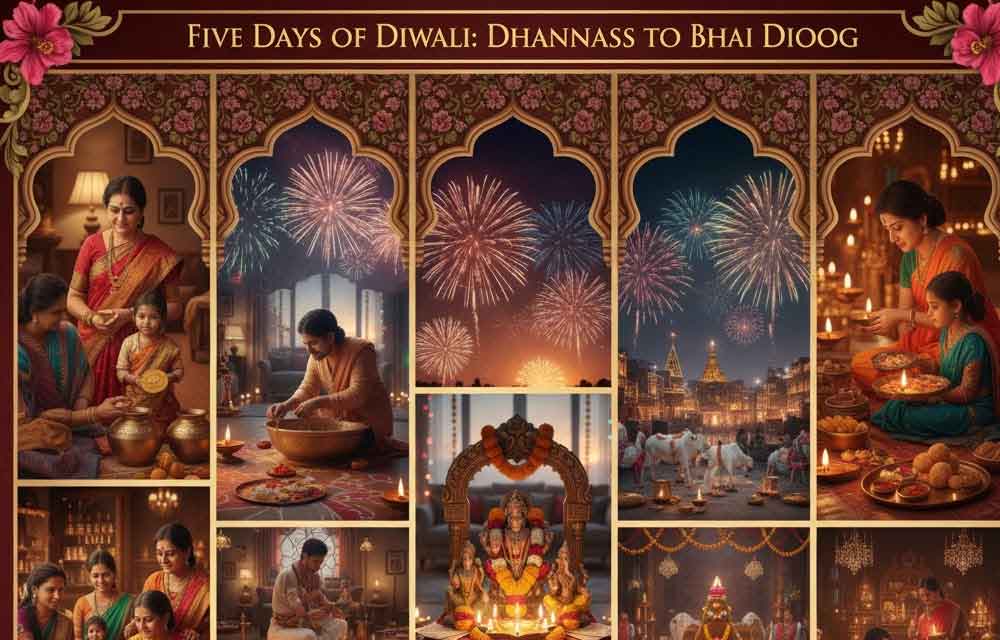
From Dhanteras to Bhai Dooj
October 18 – October 23, 2025
THE FESTIVAL OF LIGHTS
Diwali, derived from the Sanskrit word “Deepavali” meaning “row of lights,” is the most celebrated festival in Hindu tradition. It symbolizes the eternal victory of light over darkness, knowledge over ignorance, and good over evil. This five-day festival brings families together in joyous celebration, spiritual renewal, and devotional worship.
Each day of Diwali has its own unique significance, rituals, and divine stories that have been passed down through millennia. This complete guide will take you through each sacred day with detailed explanations of the spiritual meaning, traditional practices, and the timeless stories that make Diwali a truly transformative celebration.
DAY 1: DHANTERAS (धनतेरस)
Saturday, October 18, 2025
SPIRITUAL SIGNIFICANCE
Dhanteras, also known as Dhanatrayodashi, marks the auspicious beginning of Diwali festivities. “Dhan” means wealth and “teras” means the thirteenth day. This day is dedicated to Lord Dhanvantari, the divine physician and an incarnation of Lord Vishnu, and to Goddess Lakshmi, the deity of wealth and prosperity. It is considered one of the most auspicious days for new purchases, especially precious metals.
THE DIVINE STORY OF DHANTERAS
The Story of Lord Dhanvantari
In ancient times, during the great churning of the cosmic ocean (Samudra Manthan) by the Devas and Asuras, Lord Dhanvantari emerged on the thirteenth day of the dark fortnight of Kartik month. He appeared holding a pot of Amrit (nectar of immortality) that would grant eternal life. Lord Dhanvantari is revered as the father of Ayurveda and brought the knowledge of healing and medicine to humanity.
The cosmic ocean churning was a momentous event in Hindu mythology. The gods and demons joined forces, using Mount Mandara as a churning rod and the serpent Vasuki as a rope. As they churned the primordial ocean, fourteen precious treasures emerged, one by one. Among these divine gifts, Lord Dhanvantari appeared, radiating golden light, carrying the kalash (pot) filled with the nectar of immortality.
His emergence on this day made it eternally auspicious for healing, health, and the acquisition of wealth. He taught humanity the sacred science of Ayurveda, encompassing knowledge of herbs, treatments, and the art of maintaining perfect health. Thus, Dhanteras is not just about material wealth, but also about the ultimate wealth—good health.
The Legend of King Hima’s Son
According to ancient scriptures, there was a king named Hima whose son’s horoscope predicted that he would die from a snake bite on the fourth day of his marriage. His devoted wife refused to accept this fate. She was determined to protect her beloved husband through her wit, devotion, and spiritual understanding.
On the prophesied night, she devised a brilliant plan. She gathered all her gold ornaments, jewelry, and countless gold and silver coins, creating a large heap at the entrance of their bedroom. She then lit hundreds of oil lamps, creating a dazzling display that illuminated the entire chamber with golden radiance. The light was so brilliant that it appeared as if the sun itself had descended to earth.
She kept her husband awake through the night by singing melodious songs, reciting poetry, and telling captivating stories. Her voice was sweet and enchanting, filled with love and determination. She would not allow sleep to claim her husband on this fateful night.
When Yama, the God of Death, arrived in the form of a serpent to claim the prince’s life, he was completely blinded by the brilliance of the thousands of lamps and the glitter of the gold and silver ornaments. The radiance was so intense that he could not see where to go or how to enter the chamber.
Unable to perform his duty, Yama climbed on top of the heap of gold ornaments and sat there throughout the night, mesmerized by the young bride’s melodious songs and the divine brilliance surrounding him. He listened to her stories of dharma, devotion, and the glory of life. As dawn approached, touched by her devotion and wisdom, Yama quietly departed, sparing the prince’s life.
The young bride’s intelligence, devotion, and understanding of the power of light and wealth had conquered death itself. Her husband lived a long and prosperous life, and they were blessed with many children. Since then, Dhanteras is celebrated as a day that protects against untimely death and brings health, wealth, and prosperity to families.
Goddess Lakshmi’s Blessing
It is believed that Goddess Lakshmi emerged from the ocean of milk (Kshira Sagara) on this day during the Samudra Manthan. She appeared seated on a lotus flower, adorned in red silk garments and golden ornaments, radiating beauty and grace beyond description.
The gods and demons were awestruck by her divine presence. Lord Vishnu immediately recognized his eternal consort, and Lakshmi chose him as her husband. She promised to bless all devotees who worship her with sincere devotion, cleanliness, and spiritual purity.
On Dhanteras night, Goddess Lakshmi roams the earth, visiting homes and blessing those who welcome her. She looks for homes that are clean, well-lit with diyas, decorated with rangoli, and filled with devotional energy. Where she finds devotion, she brings prosperity, peace, and abundance. Therefore, devotees prepare their homes meticulously and keep lights burning through the night to invite her divine presence.
SACRED RITUALS AND PRACTICES
1. Early Morning Sacred Bath (Abhyanga Snan) Begin the day with an oil bath before sunrise. Apply sesame oil, coconut oil, or herbal oils all over your body and hair. This ritual cleanses both physical and spiritual impurities, preparing you to welcome prosperity. After massaging the oil for a few minutes, bathe with warm water. This purification ritual symbolizes washing away all negativity and sins.
2. Purchase of Precious Metals Dhanteras is the most auspicious day for purchasing gold, silver, brass, or copper items. Even buying a small silver coin is considered highly favorable. Traditional purchases include:
- Gold or silver coins with Lakshmi or Ganesha motifs
- New utensils for the kitchen (steel, brass, or copper)
- Jewelry for family members
- New broom (to sweep away poverty) The first purchase of Dhanteras is believed to multiply throughout the year, bringing continuous prosperity.
3. Deep Cleaning and Decoration Thoroughly clean your entire home, including storage areas, corners, and neglected spaces. Goddess Lakshmi resides in clean, organized spaces. Decorate your home with:
- Colorful rangoli at the entrance with geometric patterns
- Fresh flower garlands on doors
- Mango leaves and marigold torans (decorative hangings)
4. Lakshmi Puja in the Evening As the sun sets, set up a puja altar with:
- Idol or picture of Goddess Lakshmi and Lord Ganesha
- A kalash filled with water, mango leaves, and coconut
- Fresh flowers (especially red lotus or roses)
- Fruits, sweets, and dry fruits as offerings
- Incense and camphor for aarti
Light a ghee lamp and offer prayers. Recite Lakshmi mantras and perform aarti. Chant: “Om Shreem Mahalakshmiyei Namaha” 108 times.
5. Light Diyas Near Water Sources Light diyas near:
- Wells or water taps
- Water storage pots
- Bathroom areas This honors the water element and ensures the flow of prosperity.
6. Tulsi Worship Light diyas near the sacred Tulsi plant and offer prayers for family health, harmony, and prosperity. Tulsi is considered the embodiment of Goddess Lakshmi and brings divine protection.
7. Keep Lights Burning Keep at least one lamp burning through the entire night to guide Goddess Lakshmi to your home. Place diyas at:
- Main entrance
- Puja room
- All four corners of your home
- Windows and balconies
8. Worship of Lord Dhanvantari Healthcare professionals and those seeking good health should especially worship Lord Dhanvantari. Offer prayers for health and freedom from diseases.
9. Charity and Donations Donate to the needy, especially:
- Medicines and healthcare supplies
- Food grains and cooking oil
- Clothes and blankets
- Money to charitable organizations Charity on Dhanteras multiplies your good karma.
10. Prepare for the Coming Days Begin preparing sweets and savories for the upcoming Diwali celebrations. Stock your home with ingredients, decorations, and gifts.
DHANTERAS MANTRAS
Lakshmi Mantra:
ॐ श्रीं ह्रीं श्रीं कमले कमलालये प्रसीद प्रसीद
श्रीं ह्रीं श्रीं ॐ महालक्ष्म्यै नमः

Om Shreem Hreem Shreem Kamale Kamalalaye Prasida Prasida
Shreem Hreem Shreem Om Mahalakshmyai Namah
Translation: “O Goddess Lakshmi, who resides in the lotus, please be gracious to me and bestow your blessings.”
Dhanvantari Mantra:
ॐ नमो भगवते वासुदेवाय धन्वन्तरये
अमृतकलश हस्ताय सर्वामय विनाशनाय
त्रैलोक्यनाथाय श्री महाविष्णवे नमः

Om Namo Bhagavate Vasudevaya Dhanvantraye
Amritakalasha Hastaya Sarvamaya Vinashanaya
Trailokyanathaya Shri Mahavishnave Namah
Translation: “Salutations to Lord Dhanvantari, who holds the pot of nectar and destroys all diseases.”
SIGNIFICANCE OF WEALTH ON DHANTERAS
Dhanteras teaches us that true wealth encompasses:
- Dhan (Material Wealth): Financial prosperity and abundance
- Arogya (Health): Physical and mental well-being
- Sukh (Happiness): Emotional contentment and joy
- Santosh (Satisfaction): Spiritual fulfillment and peace
- Santan (Family): Blessed with loving relationships
SPIRITUAL MESSAGE
“यत्र नार्यस्तु पूज्यन्ते रमन्ते तत्र देवताः” “Yatra naryastu pujyante ramante tatra devata” “Where women are honored, there the divine reside.”
Honoring the feminine divine through Goddess Lakshmi brings prosperity, harmony, and divine blessings to our lives.
DAY 2: NARAKA CHATURDASHI / CHOTI DIWALI (नरक चतुर्दशी)
Monday, October 20, 2025
SPIRITUAL SIGNIFICANCE
Naraka Chaturdashi, also known as Choti Diwali (Small Diwali) or Roop Chaturdashi (Beauty’s Fourteenth), celebrates the victory of Lord Krishna over the demon Narakasura. This day symbolizes the triumph of good over evil, light over darkness, and the liberation of oppressed souls. It is a day of purification—both physical through the sacred oil bath, and spiritual through the destruction of negative energies. This day prepares devotees for the main Diwali celebrations.
THE DIVINE STORY OF NARAKA CHATURDASHI
The Rise of Narakasura
In the ancient city of Pragjyotishpura (modern-day Assam), there ruled a powerful demon king named Narakasura. Despite being the son of Bhudevi (Mother Earth) and Lord Varaha (the boar incarnation of Lord Vishnu), Narakasura became intoxicated with power and his heart grew dark with arrogance.
His divine parentage blessed him with extraordinary strength and abilities, but instead of using these gifts for righteousness, he chose the path of adharma (unrighteousness). Through severe penance, he obtained powerful boons that made him nearly invincible, and this invincibility corrupted his soul completely.
Narakasura’s Reign of Terror
Narakasura’s crimes against the universe were manifold and grievous:
The Abduction of 16,100 Princesses: His most heinous crime was forcibly kidnapping 16,100 beautiful daughters of gods, gandharvas, sages, and kings from across the three worlds. He imprisoned them in his palace, causing immense suffering to countless families. These innocent women lived in constant fear and despair, their dignity stripped away by the demon’s cruelty.
Theft of Divine Treasures: In his arrogance, Narakasura attacked the heavens and stole the magnificent earrings (Kundala) of Aditi, the mother of gods and Lord Indra’s mother. These divine earrings were not mere ornaments but sacred objects representing celestial power and grace.
Conquest of Heaven: He forcibly seized the celestial umbrella (Devatta Chhatra) of Lord Indra, the king of gods, symbolizing his dominion over the heavens. He also claimed Mount Maniparvat, the divine mountain of Lord Indra.
Capture of Varuna’s Territory: He conquered parts of Varuna’s (god of water) kingdom, disrupting the cosmic balance.
Enslavement of Gods and Sages: He imprisoned several demigods and harassed sages performing sacred rituals.
The three worlds trembled under his tyranny. Peace and dharma were nowhere to be found. Mothers wept for their stolen daughters, and the cosmos itself seemed to cry out for justice.
The Gods Seek Krishna’s Help
Unable to defeat Narakasura due to his powerful boons and immense strength, the gods, led by Lord Indra, approached Lord Krishna in Dwarka. Aditi, with tears in her eyes, showed Krishna her empty ears, bereft of her sacred earrings. She pleaded for her son Indra’s honor to be restored and for the liberation of the countless imprisoned princesses.
Lord Krishna, the embodiment of dharma and protector of the righteous, immediately agreed to help. However, understanding the deeper cosmic significance, he took his wife Satyabhama along with him. Satyabhama was an incarnation of Bhudevi (Mother Earth), Narakasura’s own mother, and this was crucial to fulfilling the demon’s destiny.
The Epic Battle
Krishna mounted his celestial eagle Garuda, with Satyabhama seated behind him. They flew to Pragjyotishpura, which was heavily fortified with seven magical barriers and protected by fierce demon warriors.
As they approached, Narakasura’s general Mura attacked them with an army of asuras. After fierce fighting, Krishna defeated Mura (hence Krishna is called Murari—the enemy of Mura) and his seven sons. They then broke through all seven barriers protecting the demon’s city.
Finally, Narakasura himself emerged for battle, riding his elephant mount. He was a fearsome sight—enormous in size, wielding divine weapons stolen from the gods, adorned with stolen ornaments, and radiating dark power.
The battle that ensued was extraordinary. Narakasura attacked with various divine weapons and magical powers. Krishna countered every move expertly, but he allowed the battle to continue, waiting for the prophesied moment.
The Fulfillment of Destiny
Narakasura possessed a boon that he could only be killed by his mother. In the heat of battle, Narakasura shot a particularly powerful weapon that struck Krishna, causing him to fall unconscious momentarily (this was Krishna’s divine lila—cosmic play—to set the stage for the prophecy’s fulfillment).
Seeing her husband apparently wounded, Satyabhama was enraged. In that moment, her divine essence as Bhudevi awakened fully. Understanding her role, she picked up Krishna’s bow, mounted the Sudarshan Chakra onto an arrow, and with perfect aim, released it.
The divine chakra flew through the air with tremendous force and struck Narakasura in the chest, piercing his heart and ending his reign of terror. At that moment, Narakasura realized that his own mother (in the form of Satyabhama/Bhudevi) had killed him, fulfilling the prophecy.
Narakasura’s Redemption
As he lay dying, the veil of ego and darkness lifted from Narakasura’s consciousness. He saw clearly all the sins he had committed and was filled with genuine remorse. In his final moments, he fell at Krishna’s feet (who had regained consciousness) and begged for forgiveness.
Narakasura said, “O Lord, I have committed terrible sins. I have caused immense suffering. But in death, your divine grace has opened my eyes. Please forgive me and grant me liberation.”
Moved by his genuine repentance, Krishna blessed him: “Though you committed grave sins, your sincere remorse at the end has purified your soul. I grant you liberation. Moreover, I decree that this day shall be celebrated with lights and joy throughout the ages. Anyone who takes an oil bath (Abhyanga Snan) before sunrise on this day and seeks purification shall be freed from sins and will not go to Naraka (hell). Your death will be remembered not as a defeat but as a victory of righteousness.”
Thus, even a great sinner found redemption through genuine repentance and divine grace, teaching us that it is never too late to turn toward the light.
Liberation of the Princesses
After defeating Narakasura, Krishna and Satyabhama entered the palace where the 16,100 princesses were imprisoned. These innocent women had suffered greatly, living in captivity far from their families, their dreams shattered, and their honor questioned by society.
When Krishna freed them, they were overjoyed but also fearful. According to the social customs of that time, they worried that their families and society would not accept them after their captivity. They would be outcasts, considered impure, and would face a life of rejection and humiliation, even though they were innocent victims.
Understanding their plight and showing infinite compassion, Lord Krishna made an extraordinary decision. He declared, “You are all innocent and pure. The circumstances of your captivity do not diminish your dignity. To restore your honor in society and ensure you live with respect, I shall marry all of you.”
Through his divine powers (yogmaya), Lord Krishna manifested himself into 16,100 forms and married each princess, making each one a queen of Dwarka. He built separate palaces for each, blessed them with children, and ensured they lived lives of dignity, love, and honor.
This extraordinary act demonstrated Krishna’s boundless compassion and his commitment to upholding the dignity of women. It also showed that true divinity does not follow rigid social customs when they cause injustice, but instead finds creative solutions that honor dharma and compassion.
Restoration of Cosmic Order
Krishna then returned the sacred earrings to Aditi, who wept with gratitude. He restored the celestial umbrella to Lord Indra, along with all the other stolen treasures. He freed the imprisoned gods and sages. Cosmic order was reestablished, and dharma once again reigned supreme.
The gods showered flowers from heaven, celestial beings sang songs of victory, and all three worlds celebrated the destruction of evil and the triumph of righteousness.
The Sacred Oil Bath Tradition
After the intense battle and the bloodshed, Krishna bathed in oil to cleanse himself of the violence and impurity. This act established the tradition of Abhyanga Snan (oil bath) on Naraka Chaturdashi.
Since then, taking an oil bath before sunrise on this day is considered supremely auspicious. It is believed to:
- Wash away all sins and negative karma
- Cleanse spiritual and physical impurities
- Protect from evil influences
- Prepare one for spiritual awakening
- Grant the merit of bathing in sacred rivers
SACRED RITUALS AND PRACTICES
1. Abhyanga Snan (Sacred Oil Bath)
This is the most important ritual of Naraka Chaturdashi. The oil bath must be taken before sunrise for maximum spiritual benefit.
Procedure:
- Wake up early, ideally during Brahma Muhurta (1.5 hours before sunrise)
- Prepare a mixture of oils: sesame oil base with additions of coconut oil, neem oil, or herbal oils
- Apply the oil generously all over your body, including your scalp and hair
- Massage gently in circular motions for 10-15 minutes
- Apply a paste of gram flour (besan) mixed with turmeric as a natural cleanser
- Bathe with warm water
- Wear clean or new clothes after the bath
Spiritual Significance: The oil represents all impurities, sins, and negative karma accumulated over lifetimes. When you wash off the oil, you symbolically wash away all negativity, emerging pure and ready for spiritual elevation. It is said that those who perform this ritual with faith will never descend to Naraka (hell).
2. Breaking the Karela (Bitter Gourd Ritual)
In many regions of India, particularly Maharashtra and Gujarat, a bitter gourd (karela) is ceremonially broken on this day.
Procedure:
- Take a bitter gourd and mark it with vermillion (kumkum)
- In the evening, place it on the ground outside your home
- Step on it or break it with your foot
- Throw it away, symbolizing the destruction of Narakasura and all evil
This ritual represents the destruction of bitterness (represented by the bitter gourd), negativity, and evil forces. Just as the bitter gourd is crushed and disposed of, all negative energies are vanquished.
3. Lighting 14 Diyas
Light fourteen diyas in different areas of your home, representing:
- The fourteen worlds in Hindu cosmology (7 higher realms and 7 lower realms)
- The fourteenth day (Chaturdashi) of the lunar fortnight
- The illumination of consciousness across all planes of existence
Place these diyas at:
- Main entrance
- All four corners of your home
- Puja room
- Kitchen
- Near the Tulsi plant
- Terrace or rooftop
- Boundaries of your property
4. Application of Kajal (Kohl)
Women traditionally apply kajal (kohl) made from lamp soot on this day. This practice has multiple significances:
Historical Meaning: After Krishna freed the 16,100 princesses, they bathed, adorned themselves with beautiful clothes and jewelry, and applied kajal to their eyes, reclaiming their beauty and dignity.
Spiritual Meaning: Kajal wards off the evil eye (drishti dosha) and protects from negative energies. The black color absorbs negativity.
Cosmetic Meaning: Enhances beauty and celebrates femininity.
5. Roop Chaturdashi Beautification
This day is also called Roop Chaturdashi (Beauty’s Fourteenth). Both men and women are encouraged to:
- Wear new or beautiful clothes
- Apply traditional cosmetics and fragrant oils
- Adorn themselves with jewelry
- Celebrate physical beauty as a reflection of inner purity
The philosophy is that after spiritual purification through the oil bath, one should also celebrate the body temple through beautification.
6. Krishna Puja and Worship
Perform special puja for Lord Krishna to thank him for destroying evil:
Setup:
- Place an idol or picture of Lord Krishna and Satyabhama
- Offer fresh flowers, especially jasmine and lotus
- Prepare Krishna’s favorite offerings: makhan (fresh butter), mishri (rock candy), panchamrit (mixture of milk, yogurt, honey, ghee, and sugar)
- Light incense and camphor
- Offer fresh fruits and homemade sweets
Prayers: Recite Krishna mantras and bhajans. Express gratitude for his protection and pray for strength to overcome your inner demons (negative qualities like ego, anger, jealousy, greed).
7. Home Purification and Decoration
Continue decorating your home elaborately:
- Create intricate rangoli patterns at the entrance with vibrant colors
- Hang fresh flower garlands (especially marigold) on doors and windows
- Place torans (decorative door hangings) made of mango leaves and flowers
- Light incense throughout the home to purify the atmosphere
- Sprinkle holy water (Gangajal) in all rooms
8. Preparation for Main Diwali
This day is dedicated to preparing for the grand Lakshmi Puja the next day:
- Prepare traditional sweets and savories (like chakli, mathri, karanji, laddoos)
- Shop for any last-minute puja items
- Ensure you have enough ghee, oil, and wicks for diyas
- Clean and polish silver and brass items for puja
- Prepare new clothes for the family
9. Evening Aarti and Celebrations
In the evening:
- Light diyas throughout your home
- Perform aarti for your family deities
- Distribute sweets among family members
- Some families light fireworks (eco-friendly ones) to commemorate the victory over Narakasura
- Visit neighbors and exchange greetings and sweets
10. Spiritual Practices
- Practice meditation, focusing on destroying inner demons (anger, ego, jealousy, greed)
- Read or listen to Krishna’s stories from the Bhagavata Purana
- Chant the Hare Krishna Mahamantra: “Hare Krishna Hare Krishna, Krishna Krishna Hare Hare, Hare Rama Hare Rama, Rama Rama Hare Hare”
- Pray for purification of mind, body, and soul
NARAKA CHATURDASHI MANTRAS
Krishna Mantra:
ॐ कृष्णाय वासुदेवाय हरये परमात्मने
प्रणत क्लेश नाशाय गोविंदाय नमो नमः

Om Krishnaya Vasudevaya Haraye Paramatmane
Pranata Klesha Nashaya Govindaya Namo Namah
Translation: “Salutations to Lord Krishna, son of Vasudeva, who removes the sufferings of those who surrender to him.”
Purification Mantra (during oil bath):
अपवित्रः पवित्रो वा सर्वावस्थां गतोऽपि वा
यः स्मरेत पुण्डरीकाक्षं स बाह्याभ्यन्तरः शुचिः

Apavitrah Pavitro Va Sarvavasthang Gatopi Va
Yah Smaret Pundarikaksham Sa Bahyabhyantarah Shuchih
Translation: “Whether one is pure or impure, or has passed through all situations, one who remembers the lotus-eyed Lord becomes purified both externally and internally.”
SPIRITUAL LESSONS FROM NARAKA CHATURDASHI
1. The Power of Repentance: Even Narakasura, a great sinner, found redemption through genuine repentance, teaching us it’s never too late to change.
2. Compassion Transcends Social Norms: Krishna’s marriage to 16,100 princesses shows that compassion and protection of dignity are more important than rigid social customs.
3. Inner Demons: The story teaches us to recognize and destroy our inner demons—ego, anger, greed, jealousy, and arrogance.
4. Divine Grace: Even in defeating evil, Krishna showed mercy, demonstrating that the goal is reformation, not mere destruction.
5. Purification: The oil bath ritual teaches that regular spiritual purification is essential for growth and liberation.
SACRED VERSE
“यदा यदा हि धर्मस्य ग्लानिर्भवति भारत। अभ्युत्थानमधर्मस्य तदात्मानं सृजाम्यहम्॥”
“Yada yada hi dharmasya glanir bhavati bharata Abhyutthanam adharmasya tadatmanam srijamyaham”
“Whenever there is a decline in righteousness and rise in unrighteousness, O Bharata, at that time I manifest myself.” – Bhagavad Gita 4.7
This verse reminds us that divine forces always intervene to restore dharma, and Naraka Chaturdashi celebrates one such divine intervention.
DAY 3: LAKSHMI PUJA / DIWALI (लक्ष्मी पूजा)
Tuesday, October 21, 2025
Main Diwali Night – Amavasya (New Moon)
Auspicious Puja Time: Evening during Pradosh Kaal (consult local panchang for precise muhurat in your region)
SPIRITUAL SIGNIFICANCE
This is the main day of Diwali, celebrated on Amavasya, the darkest night of the year when there is no moon. It is the most significant day of the five-day festival. Diwali night symbolizes the ultimate victory of light over darkness, knowledge over ignorance, good over evil, hope over despair, and truth over falsehood.
This sacred night commemorates several divine events:
- The return of Lord Rama to Ayodhya after 14 years of exile and his victory over Ravana
- The emergence of Goddess Lakshmi from the cosmic ocean
- Lord Krishna’s victory over demon king Indra’s pride
- In some traditions, the day Lord Vishnu saved King Bali from ego
On this darkest night, millions of devotees light billions of lamps, transforming darkness into dazzling brilliance, symbolizing the awakening of inner light and consciousness. It is believed that Goddess Lakshmi and Lord Ganesha visit every home that is clean, well-lit, and filled with devotion, bestowing prosperity, wisdom, and blessings.
 THE DIVINE STORIES OF DIWALI
Story 1: The Victorious Return of Lord Rama to Ayodhya
This is the most popular story associated with Diwali, narrated in the sacred epic Ramayana.
The Exile: Long ago, in the kingdom of Ayodhya, there ruled a noble and righteous king named Dasharatha. He had three queens and four sons. The eldest, Rama, was the embodiment of dharma—virtuous, strong, wise, and beloved by all. He was married to Sita, the princess of Mithila, who was equally virtuous and beautiful.
Just as Rama was about to be crowned king, Queen Kaikeyi, influenced by her maid Manthara’s poisonous words, demanded that Dasharatha fulfill two boons he had promised her long ago. She asked that her son Bharata be made king and that Rama be exiled to the forest for fourteen years.
Though heartbroken, King Dasharatha was bound by his word. Rama, being the perfect son and embodiment of duty, accepted the exile without question. His devoted wife Sita and loyal brother Lakshmana insisted on accompanying him, refusing to let him face hardship alone.
The Forest Years: The trio lived in the forest, dwelling in humble huts, wearing bark clothes, and living on fruits and roots. They faced numerous challenges, including attacks by demons who disrupted the sages’ peaceful rituals.
Sita’s Abduction: One day, the demon king Ravana, ruler of Lanka, saw Sita and was captivated by her beauty. Through trickery (disguising his uncle Maricha as a golden deer), he managed to separate Sita from Rama and Lakshmana. He forcibly abducted her and took her to his kingdom Lanka, holding her captive in the Ashoka grove.
The Search: Rama was devastated by Sita’s kidnapping. In his search, he befriended Hanuman, the devoted monkey warrior, and Sugriva, the king of the vanaras (forest-dwelling beings). With their help, he learned that Sita was imprisoned in Lanka.
Building the Bridge: To reach Lanka, which was an island, Rama’s vast army of vanaras built a massive bridge across the ocean. Stones inscribed with Rama’s name miraculously floated, and within days, a bridge connecting the mainland to Lanka was constructed (this bridge’s remains are believed to exist even today, known as Rama Setu or Adam’s Bridge).
The Great War: A fierce battle ensued between Rama’s forces and Ravana’s demon army. Despite Ravana’s immense powers, magical weapons, and fierce warriors, Rama’s army, fueled by righteousness and devotion, fought valiantly. After a prolonged war, Rama finally confronted Ravana in single combat.
The battle lasted for days. Every time Rama cut off one of Ravana’s ten heads, another would grow back. Finally, following the advice of Vibhishana (Ravana’s righteous brother who had joined Rama), Rama aimed a divine arrow at Ravana’s navel, where his life force resided. The arrow, charged with the power of dharma, pierced Ravana’s heart, ending his reign of terror.
The Victorious Return: After rescuing Sita and proving her purity through Agni Pariksha (test of fire), Rama, Sita, and Lakshmana prepared to return to Ayodhya. The fourteen years of exile had just ended.
News of Rama’s imminent return spread throughout Ayodhya like wildfire. The citizens had waited anxiously for fourteen long years, their beloved prince constantly in their thoughts. Bharata, who had ruled as regent, placing Rama’s sandals on the throne as a symbol of rightful kingship, was overjoyed.
The Grand Illumination: The people of Ayodhya wanted to give Rama the grandest welcome ever witnessed. They decided to illuminate the entire kingdom to guide their beloved prince home and to celebrate his victory over evil.
On the night of Amavasya, when the moon’s absence made it the darkest night of the year, every single citizen of Ayodhya—from the palace to the humblest hut—lit countless oil lamps (diyas). They placed them:
- On rooftops and terraces
- Along streets and pathways
- On windowsills and doorways
- Along the rivers and ponds
- In temples and public squares
The entire city transformed into an ocean of light. It was as if millions of earthly stars had descended to welcome their king. The darkness of the night was completely vanquished by the brilliance of devotion and love.
As Rama, Sita, and Lakshmana approached Ayodhya in the Pushpaka Vimana (celestial chariot), they could see the city glowing from miles away. The sight moved them to tears—their people had turned the darkest night into the brightest celebration.
The Coronation: Rama was finally crowned king, and his reign, known as “Ram Rajya,” became synonymous with perfect governance, justice, prosperity, and happiness. No one was poor, no one was sick, and dharma prevailed in every aspect of life.
Eternal Celebration: Since that divine day, devotees across the world celebrate Diwali by lighting lamps, honoring Lord Rama’s victory over Ravana (evil over good), his return home (return of dharma), and the illumination that dispels darkness. Each diya represents the light of wisdom, and each celebration reminds us that no matter how dark things seem, light will always triumph.
Story 2: The Emergence of Goddess Lakshmi – Samudra Manthan
The Cosmic Churning: Long before time as we know it, the Devas (gods) and Asuras (demons) were in constant conflict. Once, due to a curse, the Devas lost their strength and immortality. Seeking help, they approached Lord Vishnu, who advised them to churn the cosmic ocean (Samudra Manthan) to obtain Amrit, the nectar of immortality.
The churning required immense effort, so the Devas made a temporary alliance with the Asuras. They used Mount Mandara as the churning rod and Vasuki, the king of serpents, as the rope. Lord Vishnu took the form of a tortoise (Kurma avatar) and supported the mountain on his back.
The Divine Treasures: As they churned the primordial ocean, fourteen precious treasures emerged one by one:
- Halahala (deadly poison) – which Lord Shiva consumed to save the universe
- Kamadhenu (wish-fulfilling cow)
- Ucchaisravas (divine horse)
- Airavata (celestial elephant)
- Kalpavriksha (wish-fulfilling tree)
- Kaustubha (divine jewel)
- Parijata (celestial tree)
- Apsaras (celestial nymphs)
- Chandra (moon god)
- Dhanvantari (divine physician with Amrit)
- Goddess Lakshmi
- Varuni (goddess of wine)
- Conch shell
- Shankha (divine bow)
Lakshmi’s Divine Appearance: On Kartik Amavasya, the same day as Diwali, Goddess Lakshmi emerged from the ocean. She appeared seated on a fully bloomed lotus, radiating divine effulgence. Her beauty was beyond description—adorned in red silk garments embroidered with gold, wearing magnificent jewelry, holding lotus flowers in her hands, and surrounded by a golden aura.
Celestial elephants bathed her with sacred water from golden vessels. The gods showered flowers from heaven, and celestial musicians sang her praises. The entire universe paused to witness her divine manifestation.
Choosing Lord Vishnu: All the gods and demons desired to have Lakshmi as their consort, for she represented all prosperity, beauty, and abundance. However, Goddess Lakshmi, in her infinite wisdom, chose Lord Vishnu as her eternal husband. She placed a victory garland around his neck, and since then, they have been inseparable—Vishnu representing preservation and sustenance, and Lakshmi representing the prosperity that sustains.
Her Promise: Goddess Lakshmi promised to visit earth on every Kartik Amavasya night. She roams from home to home, seeking where she can bestow her blessings. She looks for:
- Cleanliness and purity
- Devotion and spiritual practice
- Honesty and righteousness
- Generosity and charity
- Light and beauty
- Harmony and love
Where she finds these qualities, she enters and blesses that home with wealth, prosperity, wisdom, and happiness. Where she finds darkness, dirt, laziness, dishonesty, or discord, she passes by.
The Significance: This is why devotees clean their homes thoroughly, light countless lamps, create beautiful rangoli, and worship with devotion on Diwali night—to welcome Goddess Lakshmi into their homes and hearts.
Story 3: Krishna and the Govardhan Hill
The Established Tradition: In the village of Vrindavan, where young Krishna lived with the cowherd community (Gopa), there was an ancient tradition. Every year, the villagers would perform elaborate puja and offer grand sacrifices to Lord Indra, the king of gods and controller of rain and weather.
The villagers believed that Indra’s pleasure ensured good rains for their crops and grass for their cattle. They feared that any displeasure might bring drought and disaster.
Krishna’s Question: One year, seven-year-old Krishna questioned this practice. With the innocent wisdom of divinity, he asked his foster father Nanda and the village elders:
“Why do you worship Indra? Does he rain because you worship him, or because it is his cosmic duty? The sun shines, the wind blows, the earth rotates—not because of worship, but because of cosmic law (Rita). Instead, should we not worship what truly sustains us?”
The New Proposal: Krishna continued, “Look at Govardhan Hill. It provides grass for our cattle, herbs for our medicine, streams for our water, and land for our livelihood. It is Govardhan that truly nourishes us. Let us worship the mountain that sustains our existence rather than worship out of fear.”
His words resonated with divine truth. The villagers, captivated by Krishna’s wisdom and charm, agreed. They prepared a magnificent feast (Annakut—mountain of food) with 56 varieties of food offerings and circumambulated Govardhan Hill with their cattle, celebrating with devotion and joy.
Indra’s Wrath: When Indra saw that the worship meant for him was instead directed to a mountain, his ego was deeply wounded. In his pride and anger, he decided to punish the people of Vrindavan.
He commanded the clouds, “Pour down with all your might! Let torrential rains destroy Vrindavan and its arrogant people who have insulted me, the king of gods!”
The Divine Protection: Massive dark clouds gathered over Vrindavan. Rain began falling with unprecedented fury—not gentle drops but violent torrents accompanied by thunder, lightning, and fierce winds. It seemed as if the heavens themselves had opened up. The rain was so intense that it threatened to flood and destroy everything.
The terrified villagers, along with their cattle and all living beings, rushed to Krishna seeking protection. Without a moment’s hesitation, little Krishna walked to Govardhan Hill.
With his left hand’s little finger, Krishna lifted the entire massive Govardhan Hill as effortlessly as one would lift an umbrella! He held it aloft, creating a vast shelter beneath it. He called to all the people, “Come, take refuge under this divine umbrella! No harm shall reach you here!”
Seven Days and Nights: The entire population of Vrindavan, along with their cows, calves, and all animals, took shelter under the hill. Krishna stood there, holding the mountain on his little finger, smiling and playful as always, for seven days and seven nights without rest, food, or water.
The people were amazed and filled with devotion. They finally understood that this was no ordinary child but the Supreme Lord himself, protecting them with his infinite power.
Indra’s storms continued relentlessly, but not a single drop of rain touched anyone under Govardhan’s shelter. Indra, seeing that his efforts were futile and beginning to understand Krishna’s divinity, finally stopped.
Indra’s Humility: On the seventh day, Indra descended from heaven with folded hands. With tears of repentance, he bowed before Krishna and said, “O Lord, I now understand. You are not the cowherd boy I thought you to be. You are the Supreme Being. I was blinded by pride and ego. Please forgive me.”
Krishna smiled and blessed him, saying, “Let this be a lesson that ego can cloud even the gods’ judgment. True power lies not in authority but in humility and service. Return to your duties with humility.”
The Celebration: Krishna gently placed Govardhan Hill back in its original position. The people of Vrindavan celebrated with great joy, lighting lamps throughout the village, preparing feasts, and singing Krishna’s praises. Since then, this day has been celebrated as Govardhan Puja, the day after Diwali.
The Teaching: This story teaches us:
- Environmental consciousness—worship and protect nature that sustains us
- Question ritualistic practices that stem from fear rather than true devotion
- Ego exists even in celestial beings and must be conquered
- True divinity protects the humble and righteous
Story 4: Vamana and King Bali
The Righteous Demon King: There was once a great demon king named Bali (also called Mahabali), grandson of Prahlada, who was himself a great devotee of Lord Vishnu. Despite being born in the demon clan (Asura), Bali was extraordinarily righteous, generous, and devoted to dharma.
Through his merit, valor, and righteous rule, Bali conquered the three worlds—heaven, earth, and the netherworld. His reign was characterized by perfect justice. Under his rule, there was no poverty, no crime, no suffering. His subjects loved him dearly, and his fame spread across the universe.
The Gods’ Concern: However, the gods in heaven became concerned. Though Bali was righteous, his growing power threatened the cosmic balance. They approached Lord Vishnu for help.
Understanding the deeper cosmic purpose, Lord Vishnu decided to incarnate as Vamana, a dwarf Brahmin boy, to restore balance while also blessing Bali.
The Grand Yajna: King Bali was performing a great yajna (fire sacrifice) on the banks of the Narmada River. As part of his vow, he had promised to grant any wish to any Brahmin who approached him during the ceremony.
Young Vamana, appearing as a small, humble Brahmin student with a wooden umbrella and water pot, approached the sacrificial ground. Despite his tiny size, he radiated an otherworldly brilliance.
Bali’s guru, Shukracharya, recognized the divine nature of this visitor and warned Bali, “This is not an ordinary Brahmin! Do not grant him any wish!” But Bali, bound by his word and his commitment to dharma, refused to turn away a Brahmin.
The Request: Vamana asked for a simple gift: “O generous King, I ask only for three paces of land measured by my small feet. That is all I need.”
Bali smiled at this modest request and readily agreed, despite his guru’s continued warnings. He poured water from his kamandalu (water pot) to seal the promise, as was the custom.
The Cosmic Expansion: The moment the water touched the ground, something extraordinary happened. Little Vamana began to grow. He expanded and expanded, becoming larger than mountains, larger than the earth, larger than the universe itself!
In his first gigantic step (Trivikrama form), Vamana covered the entire earth—all continents, oceans, mountains, and forests.
In his second step, he covered all of heaven—all celestial realms, the sun, moon, stars, and all cosmic spaces.
Now, there was no space left for the third step. Vamana looked at Bali and asked, “O King, you promised three paces. I have covered earth and heaven in two. Where shall I place my third step?”
Bali’s Ultimate Surrender: Understanding the divine nature of this being and realizing his own subtle ego in conquering the three worlds, Bali had a moment of complete enlightenment. With tears of devotion and a smile of surrender, he bowed and said:
“O Lord, I now understand who you are. I have no place left to offer you except one—please place your third step on my head.”
The Blessing: Moved by Bali’s humility, devotion, and surrender, Lord Vishnu was extremely pleased. He placed his foot gently on Bali’s head, blessing him abundantly:
“You are truly great, O Bali! Your grandfather Prahlada’s devotion flows in you. Though I am sending you to the netherworld (Patala), I bless you with immortality and eternal prosperity. Your rule in Patala will be glorious, and once a year, you may return to visit your beloved subjects on earth.”
The Annual Return: That day became known as Bali Pratipada, celebrated the day after Diwali, especially in Kerala as Onam and in other regions as Padwa or Varsha Pratipada. On this day, people light lamps and celebrate to welcome their beloved king Bali’s annual visit.
Interestingly, Lord Vishnu was so impressed by Bali’s devotion that he agreed to serve as the gatekeeper of Bali’s palace in Patala, showing that true devotion transcends everything.
The Spiritual Teaching: This story teaches:
- True greatness lies in humility and surrender
- Even righteous actions done with subtle ego create bondage
- Complete surrender to the divine brings ultimate liberation
- The divine always honors and blesses those who honor their word
 LAKSHMI PUJA COMPLETE RITUAL GUIDE
The Lakshmi Puja on Diwali is the most important worship of the year. Here is a complete step-by-step guide:
Morning Preparations
1. Sacred Bath and Cleansing (Sunrise)
- Wake up early and take a bath, ideally mixing few drops of Ganga water
- Wear clean or new clothes—traditionally red, yellow, or orange (auspicious colors)
- Chant purification mantras while bathing
2. Final Home Cleaning
- Complete any remaining cleaning
- Ensure no cobwebs, dust, or clutter anywhere
- Clean even storage areas, as Lakshmi checks every corner
- Remove any broken or damaged items from the house
3. Rangoli Creation Begin creating elaborate rangoli designs:
- Use colored powders, rice flour, or flower petals
- Create lotus patterns (Lakshmi’s seat)
- Draw footprints of Goddess Lakshmi from entrance leading inside
- Use red and yellow colors predominantly
- Add diyas within rangoli patterns
4. Decoration
- Hang fresh marigold and mango leaf torans on doors
- Place banana plants on either side of main entrance
- Decorate with flowers—especially red roses and lotus
- Create a pathway of flowers leading to puja room
- Ensure good lighting throughout the home
Afternoon Preparations
5. Setting Up the Puja Altar (2-3 hours before muhurat)
Required Items:
- Idol or picture of Goddess Lakshmi (preferably sitting on lotus)
- Idol or picture of Lord Ganesha (always worshiped first)
- Idol or picture of Goddess Saraswati (for knowledge)
- Kalash (copper/brass pot) with water
- Mango leaves for kalash
- Coconut for kalash top
- Clean cloth (preferably red or yellow)
- Fresh flowers (especially red roses, lotus, marigolds)
- Incense sticks and dhoop
- Camphor for aarti
- Ghee lamp (preferably silver or brass with multiple wicks)
- Fresh fruits
- Sweets (especially made with milk)
- Dry fruits and nuts
- Coins (gold, silver, or copper)
- New currency notes
- Rice (Akshat – unbroken rice)
- Turmeric and kumkum
- Sandalwood paste
- Betel leaves and betel nuts
- Sugar cubes or mishri
- Honey
- Panchamrit ingredients (milk, yogurt, honey, ghee, sugar)
Optional Items:
- Silver items (even a small coin)
- Account books for business owners
- Study books for students
- Professional tools (for blessing one’s profession)
Altar Setup:
- Spread a clean, beautiful cloth on a raised platform
- Place kalash in center-back with water, mango leaves, and coconut
- Position Ganesha idol/picture on left
- Place Lakshmi idol/picture in center (facing east or north)
- Position Saraswati idol/picture on right
- Arrange other items aesthetically around deities
- Place a small bowl of water with a flower for achaman (ritual sipping)
6. Preparation of Offerings
- Prepare special sweets (kheer, ladoos, barfi, etc.)
- Arrange fresh fruits on a decorative plate
- Prepare Panchamrit (mixture of milk, yogurt, honey, ghee, sugar)
- Keep tulsi leaves ready
- Have fresh flowers prepared in separate bowls by type
Evening Lakshmi Puja (During Muhurat)
Important: Begin puja during the auspicious muhurat. Consult your local panchang (Hindu calendar) for exact timing, which varies by location. Generally, Lakshmi Puja muhurat is during Pradosh Kaal (just after sunset) on Amavasya evening.
Step-by-Step Puja Procedure:
1. Achaman and Sankalpa (Taking Vow)
- Sit facing east or north
- Sprinkle water on yourself for purification
- Take small sips of water three times (achaman)
- Take a flower in your joined palms
- State your intention: “I am performing this Lakshmi Puja to invoke blessings of prosperity, health, and spiritual growth for my family”
- Offer the flower at deity’s feet
2. Pranayama (Breath Control)
- Take three deep, conscious breaths
- This centers your mind and energy
3. Invocation of Lord Ganesha
- Always begin by worshiping Ganesha (remover of obstacles)
- Apply kumkum and sandalwood paste to Ganesha
- Offer flowers and durva grass (if available)
- Chant Ganesha mantra:
ॐ गं गणपतये नमः
Om Gam Ganapataye Namah
- Offer modak or ladoo (Ganesha’s favorite sweet)
- Pray: “O Lord Ganesha, please remove all obstacles and allow this puja to be completed successfully”
4. Kalash Puja (Worship of Sacred Pot) The kalash represents the universe and divine presence:
- Apply kumkum and sandalwood to the kalash
- Tie a sacred thread (moli) around it
- Offer flowers
- Chant:
कलशस्य मुखे विष्णुः कण्ठे रुद्रः समाश्रितः।
मूले तत्र स्थितो ब्रह्मा मध्ये मातृगणाः स्मृताः॥

"Kalashasya mukhe Vishnuh kanthe Rudrah samashritah
Moole tatra sthito Brahma madhye matriganah smritah"
Translation: “At the mouth of kalash resides Vishnu, at the neck Rudra, at base Brahma, and in middle the Divine Mothers”
5. Invocation of Goddess Lakshmi (Avahana)
Light the main ghee lamp with all wicks.
Chant the invocation mantra:
ॐ श्रीं ह्रीं क्लीं महालक्ष्म्यै नमः
आगच्छ देवि लक्ष्मि! कृपया पधारो!

Om Shreem Hreem Kleem Mahalakshmyai Namah
Aagaccha Devi Lakshmi! Kripaya Padharo!
“O Goddess Lakshmi, please grace us with your presence!”
Ring the bell continuously during invocation to welcome the goddess.
6. Offering to Goddess Lakshmi
Offer items in this sequence (each with a flower and a pinch of rice):
a) Asana (Seat): “O Goddess, please accept this seat”
ॐ महालक्ष्म्यै नमः आसनं समर्पयामि
Om Mahalakshmyai Namah Asanam Samarpayami
b) Padya (Water for feet): Pour water near the idol
ॐ महालक्ष्म्यै नमः पादयोः पाद्यं समर्पयामि
Om Mahalakshmyai Namah Padayoh Padyam Samarpayami
c) Arghya (Water for hands): Offer water
ॐ महालक्ष्म्यै नमः हस्तयोः अर्घ्यं समर्पयामि
Om Mahalakshmyai Namah Hastayoh Arghyam Samarpayami
d) Achaman (Water for sipping): Offer water
ॐ महालक्ष्म्यै नमः आचमनीयं समर्पयामि
Om Mahalakshmyai Namah Achamaniyam Samarpayami
e) Snana (Bath): Symbolically bathe with Panchamrit
ॐ महालक्ष्म्यै नमः स्नानं समर्पयामि
Om Mahalakshmyai Namah Snanam Samarpayami
f) Vastra (Cloth): Offer a piece of red or yellow cloth
ॐ महालक्ष्म्यै नमः वस्त्रं समर्पयामि
Om Mahalakshmyai Namah Vastram Samarpayami
g) Yagnopavita (Sacred thread): Offer sacred thread
ॐ महालक्ष्म्यै नमः यज्ञोपवीतं समर्पयामि
Om Mahalakshmyai Namah Yagnopavitam Samarpayami
h) Gandha (Sandalwood paste): Apply sandalwood
ॐ महालक्ष्म्यै नमः गन्धं समर्पयामि
Om Mahalakshmyai Namah Gandham Samarpayami
i) Kumkum (Vermillion): Apply kumkum
ॐ महालक्ष्म्यै नमः कुमकुमं समर्पयामि
Om Mahalakshmyai Namah Kumkumam Samarpayami
j) Pushpa (Flowers): Offer red roses and lotus
ॐ महालक्ष्म्यै नमः पुष्पाणि समर्पयामि
Om Mahalakshmyai Namah Pushpani Samarpayami
Offer 108 flowers while chanting Lakshmi’s 108 names or this simple mantra 108 times:
ॐ श्रीं श्रीं महालक्ष्म्यै नमः
Om Shreem Shreem Mahalakshmyai Namah
k) Dhoop (Incense): Light incense sticks
ॐ महालक्ष्म्यै नमः धूपं समर्पयामि
Om Mahalakshmyai Namah Dhoopam Samarpayami
Wave in clockwise circular motion 3-7 times.
l) Deep (Lamp): Show the ghee lamp
ॐ महालक्ष्म्यै नमः दीपं समर्पयामि
Om Mahalakshmyai Namah Deepam Samarpayami
Wave in clockwise circular motion.
m) Naivedya (Food offering): Offer all prepared sweets and fruits
ॐ महालक्ष्म्यै नमः नैवेद्यं समर्पयामि
Om Mahalakshmyai Namah Naivedyam Samarpayami
After offering, sprinkle water around the food and cover with hand, chanting:
ॐ प्राणाय स्वाहा, ॐ अपानाय स्वाहा, ॐ व्यानाय स्वाहा,
ॐ उदानाय स्वाहा, ॐ समानाय स्वाहा, ॐ ब्रह्मणे स्वाहा
Then offer water (achaman) again.
n) Tambula (Betel): Offer betel leaves and nuts
ॐ महालक्ष्म्यै नमः ताम्बूलं समर्पयामि
Om Mahalakshmyai Namah Tambulam Samarpayami
o) Dakshina (Offering): Place coins/money
ॐ महालक्ष्म्यै नमः दक्षिणां समर्पयामि
Om Mahalakshmyai Namah Dakshinam Samarpayami
7. Lakshmi Ashtottara (108 Names) or Stotras
Recite Lakshmi’s 108 names if you know them, or recite these powerful stotras:
Sri Mahalakshmi Ashtakam (8 verses) or Lakshmi Stotra:
नमस्तेस्तु महामाये श्रीपीठे सुरपूजिते।
शङ्खचक्रगदाहस्ते महालक्ष्मि नमोऽस्तुते॥

Namaste'stu Mahamaye Shripeeth Surpujite
Shankha Chakra Gada Haste Mahalakshmi Namostute
Simplified Daily Lakshmi Mantra (Repeat 108 times):
ॐ श्रीं ह्रीं श्रीं कमले कमलालये प्रसीद प्रसीद
श्रीं ह्रीं श्रीं ॐ महालक्ष्म्यै नमः

Om Shreem Hreem Shreem Kamale Kamalalaye Prasida Prasida
Shreem Hreem Shreem Om Mahalakshmyai Namah
8. Lakshmi Aarti
Light camphor, ring bells, and sing the Lakshmi Aarti:
ॐ जय लक्ष्मी माता, मैया जय लक्ष्मी माता।
तुमको निसिदिन सेवत, हर विष्णु विधाता॥

Om Jai Lakshmi Mata, Maiya Jai Lakshmi Mata
Tumko Nisi Din Sevat, Har Vishnu Vidhata

(Continue with full aarti)
Wave the aarti in circular motions—first before the deity, then before all family members to bless them.
9. Pradakshina (Circumambulation)
- Walk around the altar 3 or 7 times clockwise
- If space doesn’t permit, turn in your place
10. Pushpanjali (Final Flower Offering) Take flowers in joined palms and recite:
अखण्ड सौभाग्यम् देहि प्रभातम् कुरु सर्वदा।
कामानाम् आप्तिसिद्धयर्थम् महालक्ष्मि नमोऽस्तुते॥

Akhanda Saubhagyam Dehi Prabhatam Kuru Sarvada
Kamanam Aptisiddhyartham Mahalakshmi Namostute
Offer flowers at deity’s feet.
11. Mantra Pushpam and Prayers Chant final prayers and seek blessings:
- For family prosperity
- For health and well-being
- For wisdom and knowledge
- For spiritual growth
- For peace in the world
12. Visarjana (Conclusion) Politely request the goddess:
गच्छ देवि महालक्ष्मि! पुनरागमनाय च।
आह्वानम् कृत्वा यथाकालम् पूजयिष्यामि॥

Gaccha Devi Mahalakshmi! Punaragamanaya Cha
Ahvanam Kritva Yathaklam Pujayishyami
“O Goddess, you may depart but please return. I will worship you again at the appropriate time.”
13. Prasad Distribution Distribute the blessed food to all family members as prasad (divine blessing).
Additional Worship
Saraswati Puja (For Students): If you’re a student or value knowledge:
- Worship Goddess Saraswati alongside Lakshmi
- Place your books near the altar
- Seek blessings for wisdom and learning
- Offer white flowers and sweets to Saraswati
- Chant: “Om Aim Saraswatyai Namah”
Ganesh Lakshmi Puja: Some traditions worship Ganesh-Lakshmi together as they represent removal of obstacles and prosperity respectively.
Chopda Puja (For Business): Business owners perform special worship of their account books:
- Place new account books on the altar
- Write “Shubh Labh” (auspicious profit) on the first page
- Offer prayers for honest business and prosperity
- Some start new business ventures on this day
Evening Activities After Puja
1. Lighting Diyas Throughout Home This is the most iconic part of Diwali:
- Light earthen diyas filled with ghee or oil
- Place at least one diya in each room
- Essential locations for diyas:
- Main entrance (multiple diyas)
- All four corners of the house
- Windows and balconies
- Near Tulsi plant
- Puja room (keep burning all night)
- Kitchen
- Terrace/rooftop
- Along pathways and stairs
- Near water sources
- In all four directions around your property
Diya Arrangement Tips:
- Arrange diyas in rows creating a pathway of light
- Place them safely away from curtains and flammable materials
- Use brass or clay diya stands for elevation
- Create patterns with diyas in your courtyard
- The more lights, the more auspicious
2. Keep Doors and Windows Open
- Leave your main door open (at least symbolically)
- Keep windows open to allow Lakshmi to enter
- Ensure good ventilation for diyas
3. Family Celebrations
- Wear new or special clothes
- Exchange gifts with family members
- Share sweets with neighbors
- Call elderly relatives to seek blessings
- Take group photos to preserve memories
4. Fireworks (Environmentally Conscious)
- Light firecrackers in moderation
- Choose eco-friendly, low-noise options
- Be mindful of elderly, children, pets, and those with respiratory issues
- Follow local regulations and timings
- Consider alternatives: sparklers, flower pots, chakras
- Better yet, use the money saved for charity
5. Games and Activities It’s traditional to play games on Diwali night:
- Card games (teen patti, rummy)
- Dice games
- Board games with family The belief is that Goddess Parvati played dice with Lord Shiva on this night, making games auspicious
6. Stay Awake and Vigilant
- Try to stay awake as long as possible
- Keep at least one lamp burning through the entire night
- Some devotees maintain an all-night vigil (jagran)
- This shows dedication to welcoming Lakshmi
7. Charity and Feeding
- Distribute food to the needy
- Give clothes or money to the poor
- Feed animals and birds
- Donate to temples or charitable organizations
- Share your prosperity with those less fortunate
POWERFUL LAKSHMI MANTRAS FOR DIWALI
Maha Lakshmi Mantra:
ॐ श्रीं ह्रीं श्रीं कमले कमलालये प्रसीद प्रसीद
श्रीं ह्रीं श्रीं ॐ महालक्ष्म्यै नमः

Om Shreem Hreem Shreem Kamale Kamalalaye Prasida Prasida
Shreem Hreem Shreem Om Mahalakshmyai Namah
Chant 108 times for prosperity
Lakshmi Gayatri Mantra:
ॐ महालक्ष्म्यै च विद्महे विष्णु पत्न्यै च धीमहि
तन्नो लक्ष्मी प्रचोदयात्

Om Mahalakshmyai Cha Vidmahe Vishnu Patnyai Cha Dhimahi
Tanno Lakshmi Prachodayat
Simple Daily Lakshmi Mantra:
ॐ श्रीं महालक्ष्म्यै नमः
Om Shreem Mahalakshmyai Namah
For Wealth and Prosperity:
ॐ ह्रीं श्रीं क्रीं श्रीं क्रीं क्लीं श्रीं
महालक्ष्म्यै नमः

Om Hreem Shreem Kreem Shreem Kreem Kleem Shreem
Mahalakshmyai Namah
SPIRITUAL SIGNIFICANCE OF DIWALI ELEMENTS
The Diya (Lamp):
- Represents the individual soul (Atman)
- The flame represents divine consciousness
- Oil/ghee represents negative tendencies that fuel the body
- The wick represents the ego
- As ego burns away in divine knowledge, the soul illuminates
Darkness:
- Represents ignorance (Avidya)
- Symbolizes negative qualities: greed, ego, anger, jealousy
- Represents suffering and bondage
Light:
- Represents knowledge (Vidya)
- Symbolizes positive qualities: wisdom, compassion, truth
- Represents liberation (Moksha)
Goddess Lakshmi:
- Not just material wealth, but all eight forms of wealth:
- Adi Lakshmi (Primordial wealth)
- Dhana Lakshmi (Monetary wealth)
- Dhanya Lakshmi (Grain wealth)
- Gaja Lakshmi (Elephant/cattle wealth)
- Santana Lakshmi (Progeny/family)
- Veera Lakshmi (Courage)
- Vijaya Lakshmi (Victory)
- Vidya Lakshmi (Knowledge)
Lord Ganesha:
- Remover of obstacles
- Lord of wisdom and new beginnings
- His presence with Lakshmi ensures wealth is gained and used wisely
The Rangoli:
- Represents welcoming auspiciousness
- Geometric patterns represent cosmic order
- Colors represent joy and celebration
- Lotus in rangoli represents purity and divine seat
SACRED TEACHING
From Brihadaranyaka Upanishad:
असतो मा सद्गमय।
तमसो मा ज्योतिर्गमय।
मृत्योर्मा अमृतं गमय।

Asato Ma Sad Gamaya
Tamaso Ma Jyotir Gamaya
Mrityor Ma Amritam Gamaya
Translation: “Lead me from untruth to truth Lead me from darkness to light Lead me from death to immortality”
This ancient prayer encapsulates the essence of Diwali—the journey from darkness to light, from ignorance to knowledge, from mortality to the eternal.
DAY 4: GOVARDHAN PUJA / ANNAKUT (गोवर्धन पूजा)
Wednesday, October 22, 2025
Also known as: Annakut, Padwa, Varsha Pratipada, Balipratipada
SPIRITUAL SIGNIFICANCE
Govardhan Puja, also known as Annakut (meaning “mountain of food”), celebrates Lord Krishna’s divine act of lifting Govardhan Hill to protect the people and cattle of Vrindavan from Lord Indra’s wrath. This day teaches us profound lessons about:
- Environmental consciousness and protecting nature
- True devotion over ritualistic worship done from fear
- Humility—that even gods can fall prey to ego
- God’s unconditional protection of sincere devotees
- Gratitude to nature that sustains us
This day also marks the beginning of Vikram Samvat (Hindu New Year) in many regions of North India. In Gujarat, it’s celebrated as Bestu Varas (New Year). In Maharashtra, it’s known as Padwa. In Kerala and other southern states, it commemorates King Bali’s annual visit as Bali Pratipada.
THE DIVINE STORY OF GOVARDHAN
The Established Tradition
In the sacred land of Vrindavan, where young Krishna lived with the Gopa (cowherd) community led by his foster father Nanda Maharaj, there existed an ancient tradition. Every year, without fail, the villagers would organize an elaborate festival to worship Lord Indra, the king of gods and controller of rain, clouds, and weather.
The villagers would prepare grand offerings, perform complex rituals, and make sacrifices to please Indra. They believed that their prosperity, their cattle’s health, and their crops’ success depended entirely on Indra’s mood. They feared that any failure to worship him properly would bring drought, failed crops, and disaster.
This tradition had continued for generations, passed down from ancestors, and no one questioned it—until young Krishna decided to challenge this fear-based worship.
Krishna’s Revolutionary Question
One autumn, as preparations began for the annual Indra festival, seven-year-old Krishna approached his father Nanda and the village elders with innocent but profound questions:
“Father, why do we worship Indra? Tell me, does Indra send rain because we worship him, or because it is his cosmic duty (dharma) to do so?”
The elders tried to explain the traditional belief, but Krishna continued with divine logic:
“The sun rises every day—does it rise because someone worships it? No, it rises because that is its nature and duty. The wind blows, the rivers flow, the seasons change—not because of our worship, but because of the eternal cosmic law (Rita). Similarly, Indra sends rain not as a favor to us, but because that is his designated role in the universe.”
He continued with even more compelling reasoning:
“Moreover, who truly sustains our life? Look at Govardhan Hill—it provides abundant grass for our cattle to graze. The herbs growing on its slopes heal our sick. Its streams give us fresh water to drink. Its rocks shelter us from storms. The land around it grows our crops. Govardhan is the real source of our sustenance!”
The New Proposal
Krishna’s words resonated with divine truth. He proposed:
“Instead of worshiping Indra out of fear, let us worship Govardhan Hill with gratitude. Let us honor the earth that truly nourishes us, the cows that give us milk, and the simple life of righteousness we lead. This would be true worship—worship born from gratitude and understanding, not from fear and blind tradition.”
The villagers, captivated by Krishna’s innocent wisdom and his enchanting personality, found themselves agreeing. Nanda Maharaj, though initially hesitant to break ancient tradition, was convinced by his beloved son’s logic.
The Grand Govardhan Festival
The entire village changed their plans. Instead of Indra Puja, they organized the first-ever Govardhan Puja:
They prepared an Annakut—a magnificent mountain of food. 56 different varieties of dishes were cooked:
- Various types of sweets and savories
- Different preparations of vegetables
- Multiple varieties of rice and breads
- Milk products: kheer, rabri, makhan, paneer
- Seasonal fruits and dried fruits
- Special offerings dear to Krishna
With their cattle decorated with flowers, bells, and colorful cloth, the entire community circumambulated Govardhan Hill. They sang devotional songs, danced with joy, and offered their prepared feast to the mountain with genuine gratitude and love.
Krishna himself manifested in a cosmic form on the mountain and “consumed” the offerings, blessing the devotees. The celebration was filled with pure joy—a stark contrast to the fear-based worship they had practiced before.
Indra’s Burning Rage
High in the heavens, Lord Indra observed these proceedings with growing anger. His pride was deeply wounded. He thought:
“How dare these mere mortals refuse to worship me? I am Indra, the king of gods, the wielder of Vajra (thunderbolt), the controller of weather! Have they forgotten my power? That cowherd boy has turned them against me. I will show them what happens when you insult the king of heaven!”
In his rage and wounded ego, Indra summoned Samvartaka—the clouds of destruction that appear only at the end of an eon to dissolve the world. He commanded them:
“Go to Vrindavan! Pour down with all your fury! Let torrential rains destroy their homes, flood their lands, drown their cattle, and sweep away their arrogance! Show them the cost of insulting Indra!”
The Apocalyptic Storm
Dark, menacing clouds gathered over Vrindavan like an invading army. The sky turned completely black in the middle of the day. Thunder roared like angry lions, and lightning split the sky with blinding flashes.
Then the rain began—but this was no ordinary rain. It was as if the ocean itself had been lifted into the sky and was now falling upon earth. The rain fell not in drops but in massive torrents, like rivers pouring from the heavens. The wind howled with such force that trees were uprooted and homes began to collapse.
The water level rose rapidly. Fields flooded, homes were swept away, and the cattle bellowed in terror. This was no natural storm—this was the wrath of a god, meant to destroy completely.
The People’s Desperate Plea
The terrified villagers, with their children, elderly, and cattle, rushed to Krishna. They cried:
“Krishna! Save us! You convinced us not to worship Indra, and now his wrath will destroy us all! Our homes are flooding, our cattle are drowning, our children are crying! What shall we do?”
Krishna looked at their frightened faces with compassion and spoke with absolute calm and confidence:
“Do not fear! I asked you to worship the true sustainer—Govardhan. Now Govardhan himself shall sustain and protect you. Have faith!”
The Impossible Divine Act
While the entire village watched in absolute amazement, young Krishna walked purposefully toward Govardhan Hill. This massive mountain was enormous—miles in length, covered with forests, streams, and rocky peaks.
Krishna bent down, and with just the little finger of his left hand, he lifted the entire Govardhan Hill as effortlessly as a child lifts an umbrella!
The mountain rose into the air, perfectly balanced on Krishna’s tiny finger. He held it high above, creating a vast canopy—a divine shelter large enough to protect the entire population of Vrindavan.
Krishna called out with a sweet smile:
“Come, everyone! Bring your families, your cattle, your belongings! Take shelter under this divine umbrella. Not a single drop of rain shall touch you here!”
The Seven-Day Divine Protection
The entire village—thousands of people and cattle—took refuge under Govardhan Hill. They found it to be like a massive palace:
- There was abundant space for everyone
- The ground was dry and comfortable
- There was no fear, only wonder and devotion
- Children played, elders rested, cattle grazed peacefully
- Krishna stood there, holding the mountain on his finger, smiling radiantly
Days passed—one, two, three, four, five, six, seven days!
For seven consecutive days and nights:
- Krishna stood without food, water, or rest
- His finger never trembled
- His smile never faded
- He chatted cheerfully with the villagers
- He played his flute with his free hand
- He reassured everyone with his divine presence
Meanwhile, above the mountain, Indra’s catastrophic storms continued relentlessly. Thunder crashed, lightning struck, torrential rains poured with unimaginable force—but not a single drop touched anyone under Govardhan’s shelter.
The villagers’ wonder transformed into pure devotion. They realized:
“This is no ordinary child! This is the Supreme Lord himself! Indra is a mere god, but Krishna is the God of gods—the Supreme Being who controls even Indra!”
Indra’s Enlightenment and Surrender
By the seventh day, Indra realized the futility of his efforts. More importantly, he understood his terrible mistake. His anger dissolved, replaced by shame and enlightenment:
“What have I done? I, who pride myself on being righteous, allowed ego to cloud my judgment. This boy who challenged my worship is no ordinary child—he is the Supreme Lord Vishnu himself! And he is teaching me a lesson I desperately needed: that ego can corrupt even the gods.”
Indra ordered the clouds to stop. The rain ceased immediately, the winds calmed, and the sun emerged.
Indra descended from heaven, accompanied by Surabhi (the celestial cow, mother of all cows). With folded hands, tears flowing from his eyes, he approached Krishna and fell at his feet:
“O Lord, forgive me! I am ashamed. You questioned my worship not to insult me but to correct the wrong understanding. True worship should be offered out of love and gratitude, not fear and compulsion. I was so blinded by pride that I tried to harm innocent people. Please forgive this foolish god.”
Krishna, ever compassionate, blessed Indra with a beautiful smile:
“Rise, Indra. You have learned an important lesson today. Ego is a disease that affects all beings—from humans to gods. When worship becomes about feeding someone’s ego rather than expressing genuine gratitude, it loses its meaning. You are the god of rain—that is your seva (service) to creation. Do your duty with humility, not with expectation of worship.”
“The people should honor nature—the mountains, rivers, earth, and cows that actually sustain them. They should honor the divine presence in all creation, not worship out of fear of punishment.”
Indra, purified by this divine teaching, performed Abhisheka (ceremonial bathing) of Krishna with sacred water from the celestial Ganga, carried in his Kamandalu (water pot). Surabhi, the celestial cow, blessed Krishna with her milk. From that day, Krishna received the name “Govinda”—the one who brings pleasure to the cows and the one who is known through Vedas.
The Joyous Conclusion
Krishna gently placed Govardhan Hill back in its exact original position. Not a single rock was displaced, not a single tree was damaged—as if it had never been lifted.
The people of Vrindavan erupted in celebration:
- They sang and danced with ecstatic joy
- They lit lamps throughout the village
- They prepared and distributed sweets
- They garlanded Krishna with flowers
- They proclaimed him as their Lord and protector
- They circumambulated Govardhan Hill with even greater devotion
From that divine day forward, Govardhan Puja has been celebrated annually—a festival of:
- Gratitude to nature
- Protection of environment
- Victory of humility over ego
- True devotion over blind ritualism
- God’s unconditional love for devotees
GOVARDHAN PUJA RITUALS
Morning Rituals
1. Early Rising and Bath
- Wake up early and take a sacred bath
- Wear clean, festive clothes
- Begin the day with gratitude for nature
2. Cow Worship (Go Puja) Cows are central to Govardhan celebrations:
At Home with Cow:
- Bathe and decorate your cow/calf with:
- Flower garlands
- Colored tilak on forehead
- Bells around neck
- Colorful cloth on back
- Offer fresh grass, jaggery, and grains
- Circumambulate the cow with respect
- Touch its feet and seek blessings
- Feed it specially prepared food
Without Cow at Home:
- Visit a cow shelter (Gaushala)
- Donate fodder, jaggery, grains
- Sponsor cow care
- Feed cows with your own hands
- Seek their blessings
Significance: Cows represent:
- Mother Earth’s bounty
- Selfless giving (milk, ghee, etc.)
- Gentle strength
- Sacred presence in Hindu culture
- Krishna’s special love (Gopal = protector of cows)
3. Preparation of Annakut (Mountain of Food)
Prepare or collect 56 different food items representing the mountain of offerings:
Categories to include:
- Sweets: Ladoos, barfi, pedas, halwa, kheer, gulab jamun
- Savories: Mathri, namkeen, pakoras, kachori
- Rice Preparations: Plain rice, pulao, khichdi
- Breads: Puris, parathas, rotis
- Vegetables: Multiple preparations
- Lentils: Different dals
- Dairy: Milk, yogurt, buttermilk, paneer dishes, makhan
- Fruits: Fresh seasonal fruits
- Dried Fruits: Almonds, cashews, raisins, dates
- Special Items: Panchamrit, chutney, pickles
Traditional 56 Bhog Items (Chhappan Bhog): The number 56 has significance:
- 8 meals per day (morning, breakfast, lunch, evening, dinner, etc.)
- For 7 days Krishna held the mountain
- 8 × 7 = 56 offerings
Arrange all items on large platters in a mountain shape.
Afternoon/Evening Govardhan Puja
Setting Up:
- Create a small representation of Govardhan Hill using:
- Cow dung (traditional and sacred)
- Clay or mud
- Small stones arranged in a mound
- Decorate with flowers, leaves, and grass
- Place the food offerings around the hill representation
- Set up images/idols of:
- Lord Krishna (especially with cow and flute)
- Cows
- Optional: Nanda, Yashoda, Radha, Gopis
Puja Procedure:
- Invocation:
ॐ गोवर्धनधराय नमः
Om Govardhandharaya Namah
“Salutations to the holder of Govardhan”
- Offerings to Govardhan Hill:
- Apply sandalwood paste and kumkum
- Offer flowers
- Light incense and lamp
- Offer all 56 food items
Govardhan Mantra:
ॐ गोवर्धनाचलराज! त्वं सर्वसम्पत्प्रदायक।
श्री कृष्णप्रेमभाजनम् अन्नपूर्णाय ते नमः॥

Om Govardhanachalaraja! Tvam Sarvasampatpradayaka
Shri Krishnapremabhajanam Annapurnaya Te Namah
- Circumambulation (Parikrama):
- Walk around the Govardhan representation 7 times
- If possible, visit an actual Govardhan Hill (in Vrindavan) or a temple
- Krishna Worship:
- Perform puja for Krishna with all traditional offerings
- Chant Krishna mantras and bhajans
- Recite or listen to the Govardhan story
Main Krishna Mantra:
ॐ नमो भगवते वासुदेवाय गोविन्दाय नमः
Om Namo Bhagavate Vasudevaya Govindaya Namah
- Offering the Annakut: Offer all food items to Krishna, chanting:
ॐ नान्नमस्ति परं बलम्
Om Nannamasti Param Balam
“There is no greater strength than food”
- Aarti: Perform aarti with ghee lamp and camphor:
- Ring bells
- Sing Krishna aarti
- Wave the lamp in circular motions
- Prasad Distribution: After puja, distribute the blessed Annakut food as prasad:
- To family members
- To neighbors
- To the needy
- Keep some for home consumption
Important: In temples, especially Govardhan and Vrindavan temples, massive Annakut is prepared with hundreds of varieties, creating actual food mountains that devotees can view and receive prasad from.
Regional Variations
In Gujarat (Bestu Varas – New Year):
- Celebrate as Gujarati New Year
- Prepare special dishes: shrikhand, puri, undhiyu
- Businessmen start new account books
- Exchange sweets and gifts
- Visit temples for blessings
In Maharashtra (Padwa):
- Husbands and wives perform mutual aarti
- Apply tilak to each other
- Exchange gifts
- Special lunch feast
- Symbolizes love and respect in marriage
In Karnataka (Bali Padyami):
- Make flour portraits of King Bali
- Create rangoli of Bali’s arrival
- Light lamps to welcome the righteous king
- Special feast preparations
In Uttar Pradesh:
- Large-scale Govardhan Parikrama (circumambulation)
- Thousands visit Govardhan Hill in Vrindavan
- 21-kilometer walking circumambulation
- Devotees offer prayers at various sacred spots
SPECIAL COW PROTECTION MESSAGE
Govardhan Puja emphasizes cow protection (Go Raksha):
Why Cows Are Sacred:
- Provide milk (complete food)
- Give ghee (used in sacred rituals)
- Cow dung is natural fertilizer and fuel
- Cow urine has medicinal properties
- Represent gentleness and motherly love
- Krishna’s special affection for cows
Modern Cow Protection:
- Support cow shelters (Gaushalas)
- Adopt or sponsor cows
- Avoid leather products
- Promote organic farming using cow dung
- Educate about cow welfare
- Protect stray cows
Related posts:
 Diwali 2025 – Significance, History & 5-Day Celebration of the Festival of Lights
 ISKCON Diwali Celebrations and Arrangements for 2025: Illuminating Hearts with Devotion
 Complete Diwali Puja Guide: Lakshmi Puja Vidhi, Mantras & Spiritual Significance
 Regional Diwali Traditions: How Different States of India Celebrate the Festival of Lights
 5-Day Diwali Guide: Daily Spiritual Practices for hindutone.com
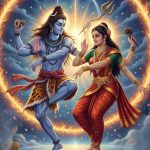 Shiva & Shakti During Diwali: The Cosmic Dance of Consciousness and Energy

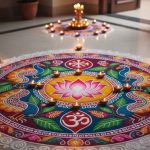


 ︎
︎

