


Diwali Celebrations in Darbhanga by Hindus: A Radiant Display of Mithila Traditions and Cultural Heritage
For Hindutone.com – Embrace the Festival of Lights with Unity in Diversity – The Voice of Hindus Worldwide
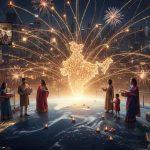
Diwali, the resplendent Festival of Lights, ignites the spirit of Hindus worldwide, and in the heart of Bihar’s Mithilanchal region, Darbhanga transforms into a vibrant canvas of flickering diyas, colorful rangoli, and joyous festivities. As of October 17, 2025, with Diwali approaching its auspicious lunar alignment in late October or early November, anticipation fills the air in this historic city. Home to a predominantly Hindu population of over 1.9 million, Darbhanga elevates Diwali beyond a holiday into a profound celebration of light over darkness, good over evil, and prosperity over adversity. Rooted in the epic tale of Lord Rama’s return to Ayodhya and the worship of Goddess Lakshmi, Diwali in Darbhanga seamlessly blends ancient Maithil traditions with the warmth of community bonds. This SEO-optimized guide explores the rich history, rituals, regional nuances, culinary delights, and cultural significance of Diwali in Darbhanga, perfect for searches like “Diwali in Darbhanga Bihar,” “Mithila Diwali traditions,” or “Hindu festivals in Darbhanga.”
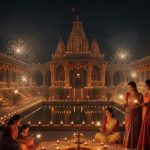
Darbhanga, often hailed as the cultural capital of Mithila, boasts a legacy intertwined with Maithil Brahmin heritage, where art, literature, and devotion converge. With its grand palaces like Rambagh and the Kameshwar Singh Darbhanga Raj Palace, the city provides a majestic backdrop for Diwali. The Hindu majority here observes the festival with unparalleled fervor, drawing from Vedic scriptures and local folklore. As temples resonate with bhajans and streets glow with rangoli, Diwali reinforces Darbhanga’s identity as a bastion of Sanatan Dharma.
The Mythological Foundations and Significance of Diwali in Darbhanga
Diwali’s origins lie deep in Hindu mythology, primarily commemorating Lord Rama’s victorious return to Ayodhya after 14 years of exile, as narrated in the Ramayana. In Darbhanga, this narrative resonates strongly, with families envisioning the city’s lanes as extensions of Ayodhya’s illuminated paths. The festival also honors Goddess Lakshmi, invoked for wealth and abundance, and Lord Krishna’s slaying of the demon Narakasura, symbolizing the eradication of inner demons. For Maithil Hindus, Diwali extends to venerating ancestral spirits and ensuring a bountiful harvest, reflecting the region’s agrarian roots.
In Mithilanchal, Diwali transcends religious observance, emerging as a cultural renaissance. Spanning five days—from Dhanteras to Bhai Dooj—it instills values of dharma, family unity, and gratitude. Amid Bihar’s diverse festivals, Diwali stands out for its inclusivity, welcoming participation from all castes and communities in Darbhanga. Celebrated in the pleasant post-monsoon weather of the Kartik month, it becomes a sensory feast of lights, sounds, and scents, with elaborate outdoor preparations.
The significance deepens due to Darbhanga’s scholarly tradition. Maithil pandits recite shlokas from the Puranas, educating younger generations about Diwali’s philosophical depth—light as knowledge dispelling ignorance. Schools like Lalit Narayan Mithila University integrate storytelling sessions on Rama’s valor, making Diwali a pedagogical tool.
Historical Evolution of Diwali in Darbhanga: From Royal Splendor to Community Joy
Darbhanga’s Diwali history mirrors its opulent zamindari past. During the Darbhanga Raj, maharajas hosted lavish celebrations at Rambagh Palace, where thousands of diyas illuminated the gardens and fireworks rivaled those in Patna. Historical accounts from the 19th century describe royal processions reenacting Rama’s journey, with elephants adorned in gold and silk, drawing pilgrims from neighboring Nepal—just 50 km away—highlighting Darbhanga’s role as a cultural bridge.
Post-independence, Diwali democratized, shifting from palace confines to neighborhood melas (fairs). The 20th century saw the rise of Diwali melas at key sites like Kameshwar Singh Stadium and Shyama Mai Temple, blending commerce with devotion. In the 1980s, amid Bihar’s social reforms, community-driven events emphasized equality, with women leading rangoli contests inspired by Madhubani art.
Today, as Darbhanga modernizes with improved rail connectivity via Darbhanga Junction, Diwali evolves while honoring its roots. The 2023 celebrations introduced eco-friendly initiatives like LED diyas, reflecting global awareness. Yet, the essence endures: a festival uniting Darbhanga’s Hindus in collective reverence, fostering social harmony in a region known for its syncretic ethos.
Day-by-Day Rituals: Maithil Twists on Timeless Traditions
Diwali in Darbhanga unfolds over five immersive days, each infused with Maithil customs that elevate standard rituals.
- Dhanteras (Day 1): The festival begins with fervor as families flock to markets like Tower Chowk for auspicious purchases—gold jewelry, brass utensils, and brooms symbolizing cleanliness. Maithil Hindus perform Ganesha-Lakshmi pooja at dawn, offering tilak to tools of trade, invoking Dhanvantari for health. Local silversmiths thrive, crafting intricate Lakshmi idols.
- Choti Diwali or Narak Chaturdashi (Day 2): Pre-dawn oil baths with ubtan (herbal paste) purify body and soul, commemorating Krishna’s victory over Narakasura. Darbhanga homes fill with the aroma of sesame oil, followed by lighting the first diyas. Evening rituals include burning effigies of Narakasura at riverbanks like the Bagmati, a nod to Mithila’s fluvial traditions.
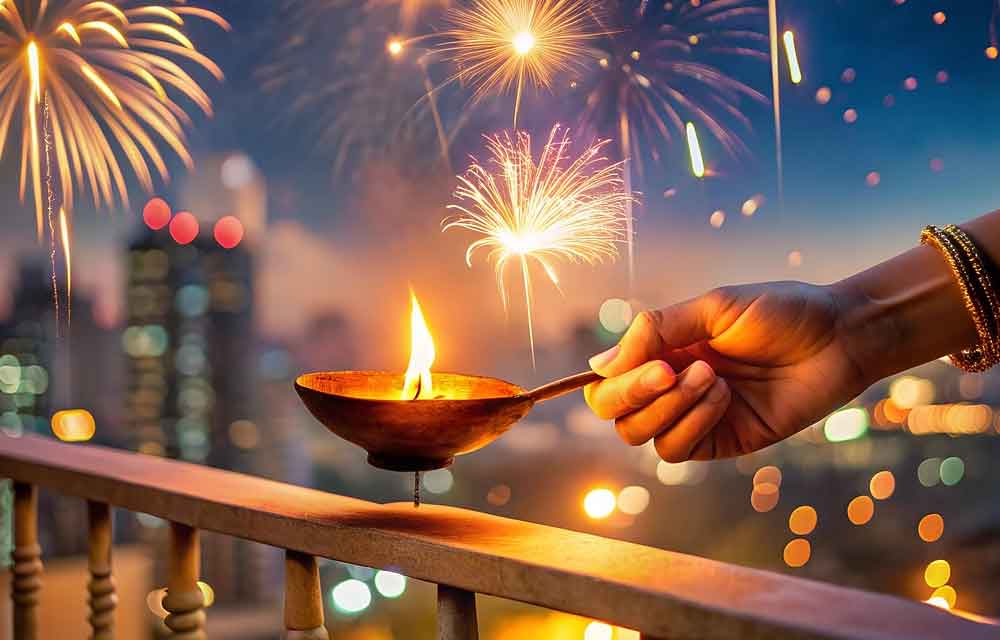
- Main Diwali (Day 3): The crescendo arrives with Lakshmi Pooja after sunset. Altars in Maithil homes—adorned with banana leaves, rice motifs, and fresh flowers—host elaborate aartis. Diyas, molded from local clay, line courtyards, their flames dancing to conch shells. Rangoli shines with Madhubani-style designs featuring fish (symbolizing fertility), peacocks, and geometric tantras, drawn by women using rice paste and natural dyes. Fireworks light the sky over landmarks like Anand Bagh, though regulated for safety. Gambling with cowrie shells adds mirth, believed to ensure prosperity.
- Govardhan Pooja (Day 4): Echoing Krishna’s Govardhan leela, families construct mini-mountains from cow dung and offer annakut—a towering platter of 56 vegetarian dishes. In Darbhanga, this manifests as community feasts at temples, with dishes like thekua (jaggery-fried wheat cookies) and kaddu ka halwa shared generously, promoting environmental gratitude.
- Bhai Dooj (Day 5): Sibling love shines as sisters apply tilak to brothers, receiving gifts in return. Maithil variants include Yama pooja, with river dips in the Kosi for blessings. Families exchange handmade cards illustrated in Madhubani art, blending tradition with creativity.
These rituals, guided by pandits, underscore Diwali’s sanctity in Darbhanga, where every act is a prayer for familial bliss.
Darbhanga’s Diwali Mela: Fairs, Markets, and Community Vibrancy
No Diwali in Darbhanga is complete without the iconic Diwali Mela, a sprawling fair transforming the city into a carnival of commerce and culture. Held at venues like Laheriasarai grounds, the mela attracts lakhs, featuring stalls selling terracotta diyas, colorful rangoli powders, and Maithil handicrafts. Artisans from villages showcase Madhubani paintings depicting Diwali motifs—Rama’s exile, Lakshmi’s arrival—fetching premium prices.
The mela pulses with entertainment: folk troupes perform Jhijhiya dances, women in vibrant lehengas circling lamps, while nautanki plays retell the Ramayana. Food stalls overflow with street eats—jalebi, samosas, and litti chokha fused with festival sweets. Children delight in toy stalls and Ferris wheels, while adults haggle for silk saris from Bhagalpur weavers.
Temples like Shyama Mai and Vishwanath amplify the spirit with night-long jagratas (vigils), where bhajans blend classical Maithil lyrics with Bollywood remixes. Recent years have seen youth-led drone shows over the Harahi airstrip, projecting Lakshmi’s image across the sky, modernizing the spectacle.
Culinary Extravaganza: Savoring Maithil Flavors During Diwali
Diwali in Darbhanga is a gastronomic odyssey, with kitchens becoming hubs of sweetness and spice. The star is thekua, crispy dough discs fried in ghee and soaked in jaggery syrup, shaped like Lakshmi’s footprints for symbolic invitation. Other mithai include malpua (pancakes in cardamom milk), khaja (layered flaky sweets), and peda from local dairies.
Savories balance the palette: aloo tikki chaat, vegetable pakoras, and gond ke laddoo for vitality. Maithil innovation shines in fusion dishes like rice flour rangoli cookies or pumpkin curry with festival herbs. Feasts emphasize satvik (pure) fare—no onion or garlic—prepared by women in a ritual called thana pakana.
Sharing prasad fosters community; neighbors exchange thalis laden with anarsa (rice flour jalebi) and fruit chaat. In Darbhanga, where agriculture reigns, Diwali meals highlight seasonal bounty: fresh guavas in kheer, sugarcane juice from roadside presses.
Challenges, Innovations, and Cultural Impact in Darbhanga’s Diwali
Celebrating Diwali in Darbhanga faces modern challenges like pollution from fireworks and urban congestion during melas. Environmental groups promote a green Diwali—biodegradable rangoli from flower petals and solar diyas—aligning with Bihar’s conservation drives. The COVID era spurred virtual poojas via apps, sustaining devotion during restrictions.
Innovations abound: Madhubani artists digitize designs for global sales, boosting the economy. Diwali’s cultural impact preserves the Maithil language through songs and unites Hindus with the Muslim minority in shared market joys. For youth, it instills pride—schools like DAV Darbhanga integrate Diwali crafts into curricula, nurturing heritage.
Economically, the festival invigorates local trade, with handicraft sales surging 30% annually. Spiritually, it reinforces resilience, especially post-floods in the flood-prone Kosi region, where lights symbolize hope.
The Future Glow: Diwali’s Enduring Light in Darbhanga
As Darbhanga embraces growth with airport expansions and tourism pushes, Diwali will amplify its role as a cultural magnet. Plans for a dedicated Diwali heritage trail—linking palaces, temples, and mela sites—promise immersive experiences. Hybrid events will connect diaspora Maithils, ensuring traditions endure.
In conclusion, Diwali celebrations in Darbhanga by Hindus weave a tapestry of devotion, artistry, and joy, illuminating the Mithila soul. From palace echoes to mela rhythms, the Festival of Lights reaffirms that in this Bihar bastion, prosperity blooms where faith flickers brightest. May Diwali 2025 bring endless shubh labh to all.
Happy Diwali! Shubh Deepavali! May Goddess Lakshmi bless your journey with abundance.
For more on Hindu festivals, temples, and mantras, visit Hindutone.com. Share your Darbhanga Diwali moments at info@hindutone.com.
Sources: Compiled from Mithila cultural archives, Darbhanga district records, and local event organizers as of October 17, 2025.





 ︎
︎

