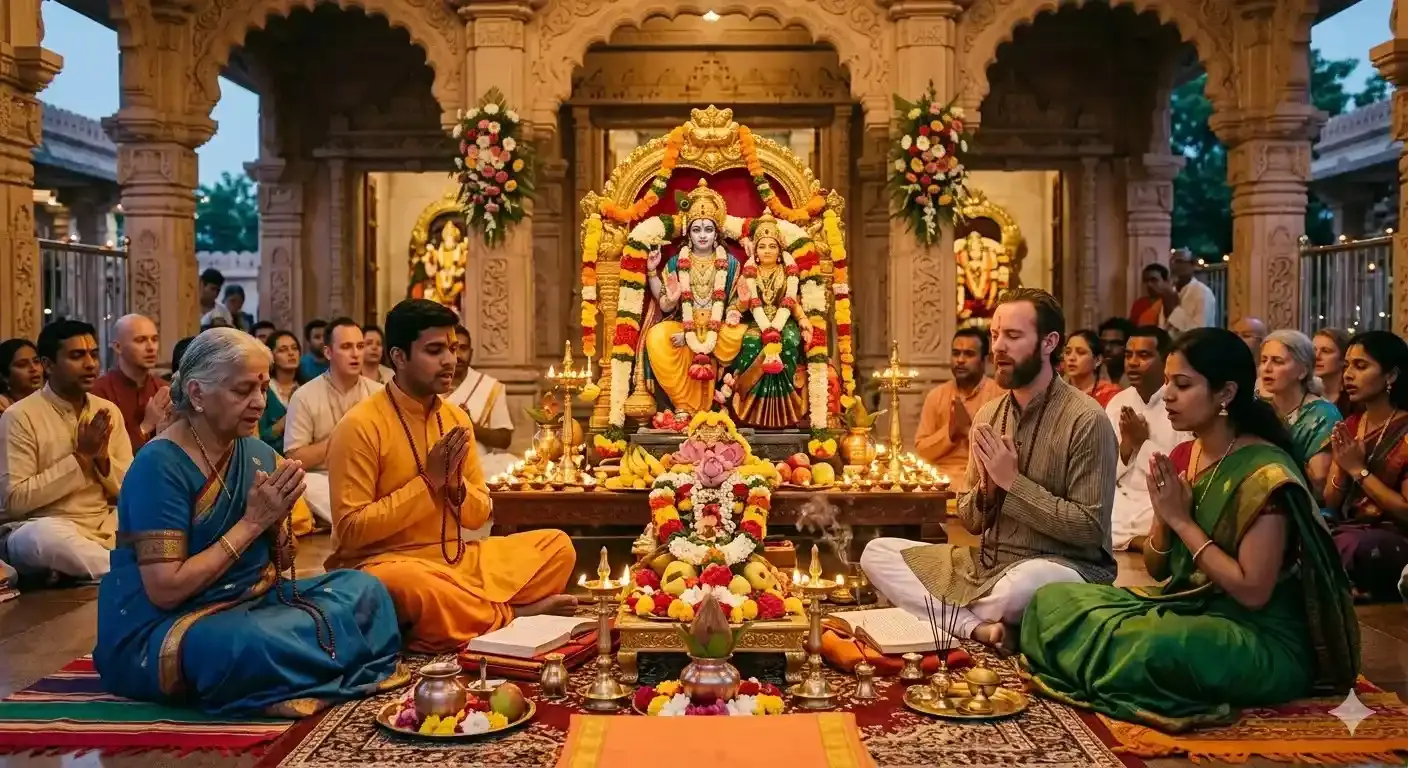
Diwali Celebrations in Russia by Hindus: A Vibrant Fusion of Tradition and Adaptation
For Hindutone.com – Embrace the Festival of Lights with Unity in Diversity – The Voice of Hindus Worldwide Diwali, the radiant Festival of Lights, symbolizes…
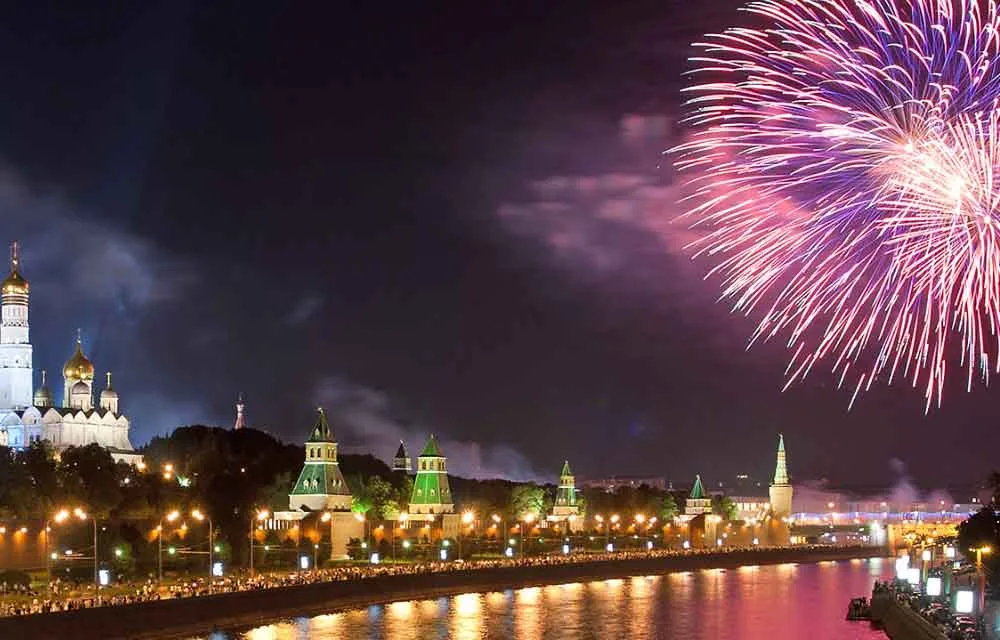
For Hindutone.com – Embrace the Festival of Lights with Unity in Diversity – The Voice of Hindus Worldwide Diwali, the radiant Festival of Lights, symbolizes…
For Hindutone.com – Embrace the Festival of Lights with Unity in Diversity – The Voice of Hindus Worldwide
Diwali, the radiant Festival of Lights, symbolizes the eternal victory of light over darkness, good over evil, and knowledge over ignorance, holding a cherished place in the hearts of Hindus worldwide. In Russia, a nation renowned for its vast landscapes, harsh winters, and rich Orthodox Christian heritage, the Hindu community infuses this joyous festival with unique adaptations and boundless enthusiasm. Comprising students, professionals, families, and spiritual seekers, Hindus in Russia transform cold autumn evenings into warm, colorful spectacles of cultural exchange. This comprehensive guide delves into the history, rituals, challenges, and evolving traditions of Diwali celebrations in Russia, offering insights into how this ancient Indian festival thrives in a Eurasian context. With a growing Hindu diaspora in cities like Moscow and St. Petersburg, Diwali not only preserves cultural roots but also fosters bridges with local Russians, shining as a beacon of unity in diversity.
The Essence of Diwali: Core Significance for Hindus
At its core, Diwali is a five-day Hindu festival rooted in ancient scriptures like the Ramayana and Puranas. It commemorates Lord Rama’s triumphant return to Ayodhya after defeating the demon king Ravana, alongside the worship of Goddess Lakshmi for prosperity and Lord Ganesha for removing obstacles. The name "Deepavali," derived from Sanskrit meaning "row of lamps," reflects the tradition of lighting diyas (clay oil lamps) to dispel darkness.
For Hindus, Diwali transcends mythology, serving as a time for spiritual renewal, family bonding, and economic optimism. Homes are meticulously cleaned to purge negativity, intricate rangoli patterns adorn entrances to invite positive energies, and fireworks burst with joy. Sweets and gifts are exchanged, strengthening community ties. In Russia, where the Hindu population—largely from India, Nepal, and Mauritius—numbers in the thousands, these elements remain central, adapted to local realities such as limited sunlight and regulatory constraints on firecrackers.
The festival’s universal themes of hope and resilience resonate deeply during Russia’s long winters. Hindus here see Diwali as a reminder to kindle their inner light, especially amid cultural isolation or homesickness.
Historical Evolution of Diwali in Russia
Hinduism’s presence in Russia dates back centuries through philosophical exchanges, with Russian luminaries like Leo Tolstoy admiring Vedic texts. Modern Diwali celebrations, however, emerged prominently in the post-Soviet era as India’s diplomatic ties strengthened. The 1990s saw the initial migration of Indian students and traders, but organized Diwali events gained momentum in the early 2000s.
By 2010, Moscow’s Indian community hosted public festivals featuring traditional dances and feasts, piquing local interest in Bollywood and Eastern spirituality. The International Society for Krishna Consciousness (ISKCON) temples, established in the 1980s despite initial restrictions, became key hubs for Diwali poojas. In St. Petersburg, the first major event in the mid-2000s included rangoli workshops and Lakshmi worship, blending Hindu rituals with Russian hospitality.
The 2010s marked significant growth: universities with Indian student associations organized campus celebrations, while cultural centers like the Indian Embassy’s Jawaharlal Nehru Centre amplified events. Post-2020, virtual elements emerged due to global disruptions, but in-person gatherings rebounded vibrantly. Today, Diwali in Russia reflects a mature diaspora, symbolizing cultural resilience amid geopolitical shifts.
Day-by-Day Rituals: Adapting Traditions to Russian Life
Diwali’s five days unfold with distinct rituals, faithfully observed by Russian Hindus with environmental adaptations.
- Dhanteras (Day 1): Auspicious shopping for gold, silver, or utensils begins the festival. In Russia, families visit specialty Indian stores in Moscow’s ethnic markets, purchasing symbolic items like brass lamps. This day honors Dhanvantari, the god of Ayurveda, inspiring health-focused resolutions.
- Choti Diwali or Narak Chaturdashi (Day 2): A pre-dawn oil massage and bath symbolize the defeat of demon Narakasura. Russian Hindus perform this indoors using imported sesame oil, followed by lighting the first diyas. Evening poojas invoke protection from evil.
- Main Diwali (Day 3): The pinnacle features Lakshmi-Ganesha pooja at dusk. Altars glow with flowers, incense, fruits, and sweets as mantras resonate and families perform arati (lamp waving). Rangoli, crafted from colored sands or flours, showcases motifs like lotuses or swastikas. Fireworks are limited due to urban safety laws, replaced by lantern releases or LED displays. In apartments, diyas line balconies, creating a twinkling skyline.
- Govardhan Pooja (Day 4): Inspired by Krishna lifting Mount Govardhan, this day features annakut (mountain of food)—elaborate vegetarian spreads. Russian Hindus prepare dishes like sabudana khichdi or paneer curries, sharing with neighbors to embody gratitude.
- Bhai Dooj (Day 5): Siblings exchange tilak and gifts, echoing the Yama-Yamuna lore. For expatriate families, video calls connect with relatives in India.
These rituals emphasize vegetarianism, with communities sourcing ingredients via diaspora networks. Sweets like besan laddoos, jalebi, and peda dominate, often homemade to evoke nostalgia.
Celebrations in Key Cities: Moscow, St. Petersburg, and More
- Moscow: The epicenter of Diwali, with events at cultural halls or ISKCON’s Hare Krishna temple. Thousands attend performances of Bharatanatyam, folk songs, and skits retelling Rama’s story. The embassy sponsors galas with sari fashion shows and mehendi stations, inviting Russian dignitaries.
- St. Petersburg: Celebrations lean artistic, held at yoga centers or universities. The local Hindu temple hosts midnight poojas, followed by feasts blending Indian spices with Russian staples like blini. Student groups at institutions like Peter the Great St. Petersburg Polytechnic University organize rangoli contests and diya-lighting ceremonies.
- Smaller Cities (Novosibirsk, Kazan, Vladivostok): Intimate gatherings thrive. In Siberia’s cold, indoor bonfires (safely managed) mimic Holika Dahan. Online communities coordinate supplies, ensuring remote Hindus participate.
- Corporate Events: Indian professionals in IT and oil sectors host Diwali parties, promoting work-life balance through cultural immersion.
Culinary Delights: Feasting with a Twist
Food is Diwali’s soul, and Russian Hindus excel in recreating authentic flavors. Kitchens overflow with ghee-laden mithai, from coconut barfi to motichoor laddoos. Savories like chakli and mathri pair with chai. Challenges in sourcing vermicelli or pistachios inspire innovations: local berries flavor kheer, or vodka-infused sweets add fusion appeal.
Community kitchens at temples prepare prasad for distribution, fostering inclusivity. Russians sample these at open houses, sparking interest in Indian cuisine and boosting diaspora restaurants.
Challenges Faced and Creative Solutions
Russia’s climate poses hurdles: sub-zero temperatures limit outdoor activities, so celebrations shift indoors with heaters and electric diyas. Firework bans prioritize safety, prompting laser shows or drone lights. Ingredient scarcity inspires home gardening of herbs or bulk imports.
Cultural integration navigates Orthodox holidays; Diwali often aligns with All Saints’ Day, enabling dual celebrations. For children, bilingual education preserves rituals, countering assimilation. Eco-consciousness grows, with Hindus adopting biodegradable rangoli and solar lamps, aligning with global sustainability.
Cultural Impact and Community Building
Diwali bridges divides as Russians join through curiosity in yoga or vegetarianism. Events feature Russian folk dances alongside Garba, symbolizing harmony. For Hindu youth, it instills pride; schools incorporate Diwali stories, aiding identity formation.
Economically, it revitalizes ethnic markets, selling kurtas, diyas, and spices. Spiritually, it reinforces dharma, offering solace in a secular society.
Looking Ahead: The Future of Diwali in Russia
As the diaspora expands with more visas for skilled workers, Diwali may gain public holiday status in multicultural hubs. Hybrid events via apps will globalize participation, while AR rangoli apps innovate traditions.
In essence, Diwali celebrations in Russia by Hindus illuminate resilience, blending ancient rites with modern adaptations. From Moscow’s grandeur to Siberian hearths, the Festival of Lights proves culture’s enduring glow, uniting hearts across continents in a shared pursuit of prosperity and peace.
Happy Diwali! Shubh Deepavali! May Goddess Lakshmi bless your journey with abundance.
For more on Hindu festivals, temples, and mantras, visit Hindutone.com. Share your Russian Diwali moments at info@hindutone.com.
Sources: Compiled from ISKCON Russia, Indian Embassy Moscow, Russian Hindu Community insights, and diaspora reports as of October 17, 2025.
Frequently Asked Questions
When is Diwali Celebrations in Russia by Hindus?
Diwali Celebrations in Russia by Hindus is observed on its traditional tithi in the Hindu lunar calendar; refer to the year's panchang for the exact date in your region.
What is the significance of Diwali Celebrations in Russia by Hindus?
For Hindutone.com – Embrace the Festival of Lights with Unity in Diversity – The Voice of Hindus Worldwide Diwali , the radiant Festival of Lights, symbolizes the eternal victory of light over darkness, good over evil, and knowledge over ignorance, holding a cherished place in the hearts of Hindus worldwide. In Russia, a nation renowned for its vast landscap
How is Diwali Celebrations in Russia by Hindus celebrated?
Devotees observe it with puja, fasting or special offerings, visiting temples, chanting mantras, and gathering with family. Customs vary by region and tradition.
What should devotees do on Diwali Celebrations in Russia by Hindus?
Take a sacred bath, perform the day's puja and charity (dana), observe any prescribed fast, and chant mantras with sincere devotion.
You might also like
Gita Jayanti 2026 Prasad Recipes — Tulsi-Honoring Sweets, Krishna's Favourites & December 10 Bhog Plate
Shani Deva Temples Worldwide & Must-Performed Rituals — Complete Devotee's Guide
Maha Shivratri 2026 Vrat Recipes — Sabudana Khichdi, Singhada Halwa, Phalahara Foods Complete Fasting Guide