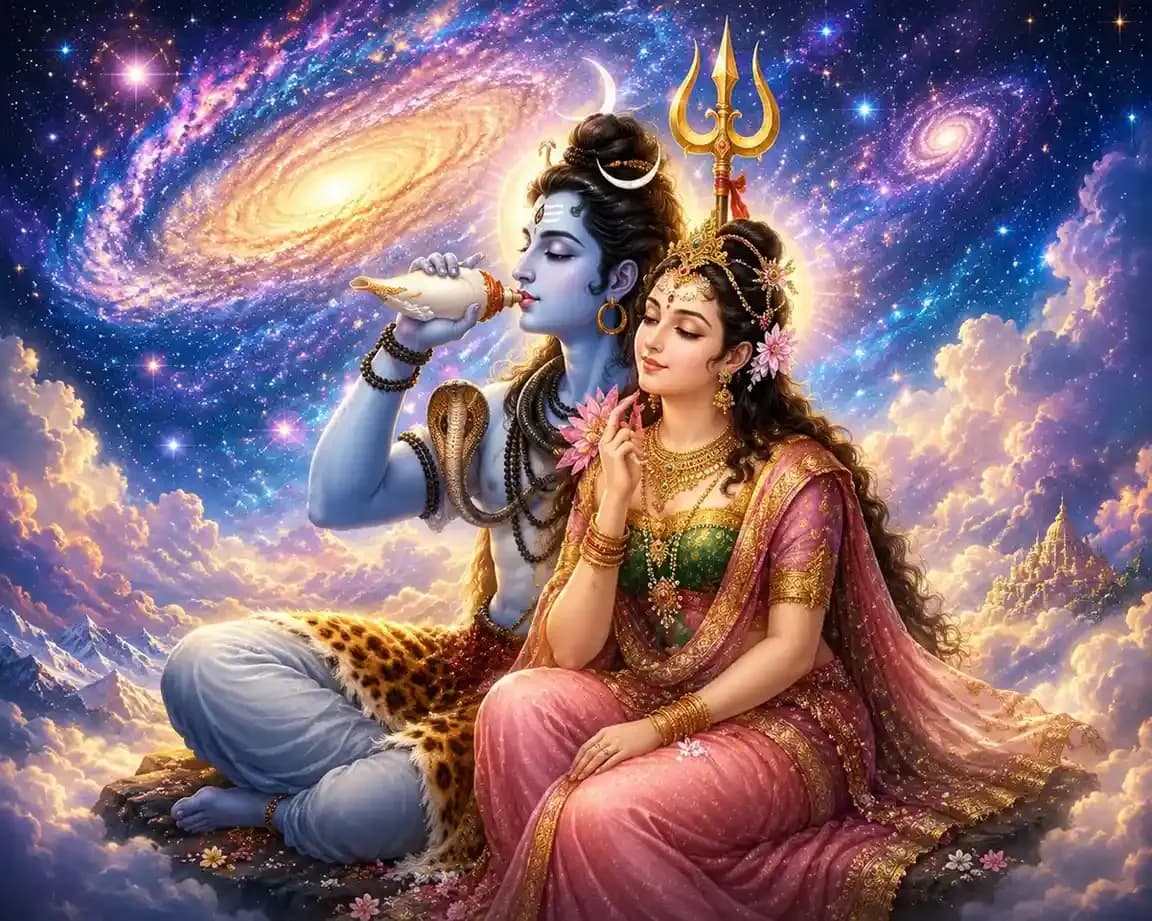
Diwali 2026 Across India: A Vibrant Tapestry of Traditions, Sweets, and Regional Rituals
A regional journey through Diwali 2026, from Dhanteras to Bhai Dooj, celebrating the rituals, sweets, and living traditions that light up India's Festival of Lights.
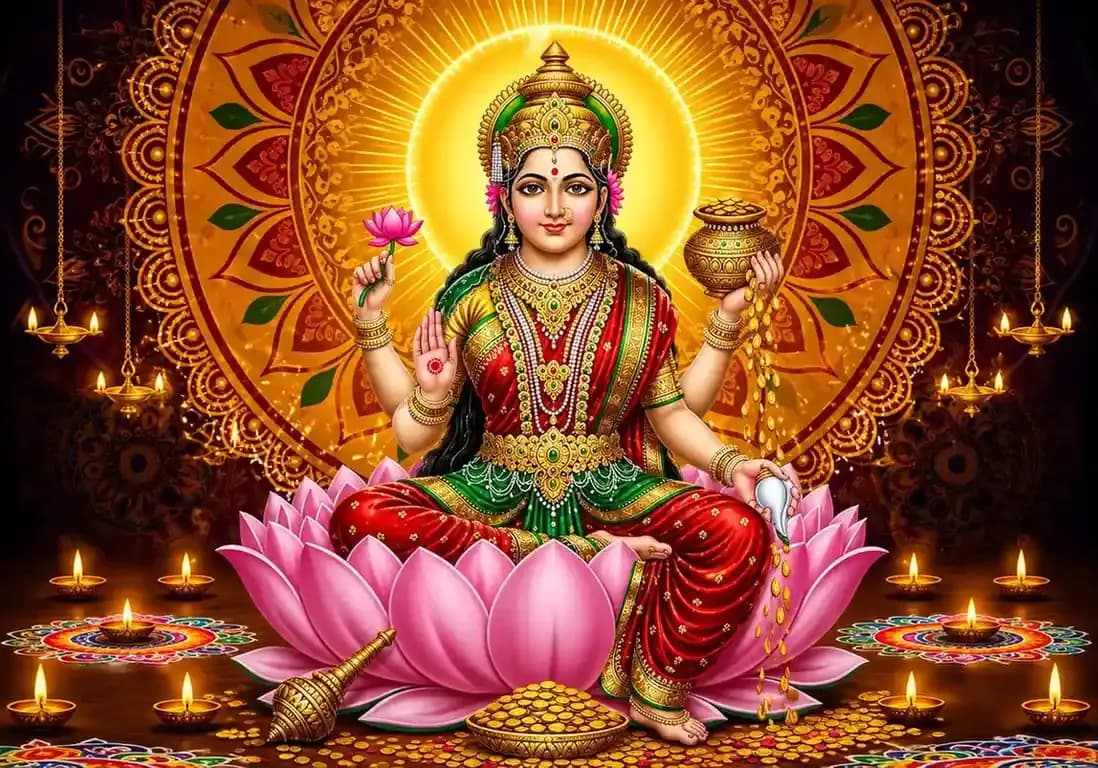
A regional journey through Diwali 2026, from Dhanteras to Bhai Dooj, celebrating the rituals, sweets, and living traditions that light up India's Festival of Lights.
Quick answer: Diwali 2026 spans five days, with the main Lakshmi Puja falling on Sunday 8 November 2026. The festival begins with Dhanteras on 6 November and concludes with Bhai Dooj on 10 November, celebrated across India with lamps, rangoli, prayers, and sweets.
Diwali, the Festival of Lights, is India's most luminous celebration, and in 2026 the sacred days unfold from 6 to 10 November. Marking the triumph of light over darkness and knowledge over ignorance, Diwali draws together homes, temples, and communities in a shared act of devotion. This year the main Lakshmi Puja falls on Sunday 8 November 2026, a day many families consider especially auspicious.
The Five Days of Diwali 2026
Diwali is not a single day but a five-day sequence of observances, each with its own meaning and mood. From the wealth-honouring rituals of Dhanteras to the sibling bond of Bhai Dooj, the festival gently builds toward and away from the central night of lamps.
| Day | Observance | Date 2026 |
|---|---|---|
| Day 1 | Dhanteras | Friday 6 November 2026 |
| Day 2 | Naraka Chaturdasi / Choti Diwali | Saturday 7 November 2026 |
| Day 3 | Diwali / Lakshmi Puja | Sunday 8 November 2026 |
| Day 4 | Govardhan Puja / Annakut | Monday 9 November 2026 |
| Day 5 | Bhai Dooj | Tuesday 10 November 2026 |
Dhanteras: The Threshold of Prosperity
The festival opens on Dhanteras, when households welcome prosperity and well-being. Devotees clean and decorate their homes, buy gold, silver, or new utensils as tokens of good fortune, and offer prayers to Goddess Lakshmi and to Dhanvantari, the deity of health and healing. A small lamp is often lit at the doorstep in the evening to honour the divine and to invite abundance across the threshold.
Naraka Chaturdasi and the Main Diwali Night
Naraka Chaturdasi, also called Choti Diwali, commemorates the vanquishing of the demon Narakasura and, in many homes, includes an early-morning ritual bath before dawn. The following evening, on the main Diwali night of 8 November 2026, families light rows of diyas, decorate doorways with rangoli, and gather for Lakshmi Puja, inviting the goddess of wealth and the remover-of-obstacles Lord Ganesha into their homes.
Lakshmi Puja at Home
For Lakshmi Puja, families typically clean the home thoroughly, set up a clean altar with images of Lakshmi and Ganesha, and offer lamps, flowers, sweets, and prayers in the evening after sunset. Devotees commonly recite the Lakshmi Aarti and simple, well-known invocations to the goddess. For the exact auspicious timing in your city, consult a local panchang or your family priest, as muhurat windows vary by location.
Govardhan Puja and Bhai Dooj
The day after Diwali, many communities observe Govardhan Puja, recalling how Lord Krishna lifted Mount Govardhan to shelter the people of Vrindavan. In temples, especially those of the Vaishnava tradition, an Annakut or 'mountain of food' is offered to the deity. The five days close with Bhai Dooj, when sisters pray for their brothers' long life and well-being and the two exchange gifts and sweets.
Regional Traditions Across India
While the spirit of Diwali is shared, its expression varies beautifully from region to region. In the north, the festival is closely tied to Lord Rama's return to Ayodhya after fourteen years of exile; in the east, Kali Puja is observed on the Diwali night; and in the south the emphasis often rests on Naraka Chaturdasi and the pre-dawn ritual bath.
- North India: Lamps and firecracker-free eco-celebrations mark Lord Rama's homecoming to Ayodhya, with Lakshmi Puja at its heart
- West India (Gujarat and Maharashtra): Diwali also signals the new financial year, with Chopda Pujan and Bestu Varas observances
- East India (Bengal, Odisha, Assam): Kali Puja is worshipped on the Diwali night, honouring the fierce mother goddess
- South India (Tamil Nadu, Karnataka, Andhra): The pre-dawn oil bath on Naraka Chaturdasi is central, with new clothes and family feasts
- Punjab: The day coincides with Bandi Chhor Divas, remembered by the Sikh community with lamps at the Golden Temple
The Sweets of Diwali
No Diwali is complete without an abundance of sweets, shared with neighbours, exchanged as gifts, and offered to the deities. Each region contributes its own treasured recipes, and kitchens fill for days with the aroma of ghee, cardamom, and roasting nuts.
| Sweet | Region / Note |
|---|---|
| Ladoo | Popular nationwide; besan and boondi varieties are Diwali staples |
| Kaju Katli | Cashew-based diamond-shaped sweet, a gifting favourite |
| Gulab Jamun | Soft, syrup-soaked dumplings loved across India |
| Mysore Pak | Ghee-rich sweet from Karnataka |
| Soan Papdi | Flaky, layered sweet exchanged widely during the season |
| Chakli / Murukku | Savoury accompaniment to the sweet spread in the west and south |
Celebrating Diwali Mindfully in 2026
Many families now choose to celebrate Diwali with greater mindfulness, favouring earthen diyas over electric lights, low-smoke or firecracker-free festivities, and locally made sweets and gifts. The essence of the festival remains unchanged: to dispel inner and outer darkness, to share joy with family and community, and to invite prosperity, health, and harmony into the year ahead.
- Main Diwali (Lakshmi Puja) 2026Sunday 8 November 2026
- Festival span6 to 10 November 2026
- Also known asDeepavali, Festival of Lights
- Presiding deitiesGoddess Lakshmi and Lord Ganesha
As the lamps are lit across India on 8 November 2026, may the light of Diwali fill your home with peace, your heart with devotion, and your year with abundance. For exact puja timings and community celebrations, do check with your local temple or family priest for 2026-specific details.
Related
See the main Diwali 2026 complete guide for the five-day dates, Lakshmi Puja muhurat and full rituals.
Frequently Asked Questions
When is Diwali 2026?
The main Diwali day, when Lakshmi Puja is performed, falls on Sunday 8 November 2026. The full five-day festival runs from Dhanteras on 6 November to Bhai Dooj on 10 November 2026.
What are the five days of Diwali 2026?
The five days are Dhanteras (6 November), Naraka Chaturdasi or Choti Diwali (7 November), Diwali and Lakshmi Puja (8 November), Govardhan Puja (9 November), and Bhai Dooj (10 November) 2026.
Why is Diwali 2026 considered especially auspicious?
The main Lakshmi Puja in 2026 falls on a Sunday, 8 November, which many families regard as an auspicious day. As always, the festival celebrates the triumph of light over darkness and the arrival of prosperity.
Which deities are worshipped on Diwali?
Diwali centres on Goddess Lakshmi, who bestows wealth and prosperity, and Lord Ganesha, the remover of obstacles. In eastern India, Goddess Kali is worshipped on the Diwali night.
What is the significance of Dhanteras?
Dhanteras, on 6 November 2026, opens the festival by honouring prosperity and health. Families buy gold, silver, or new utensils, clean their homes, and pray to Lakshmi and to Dhanvantari for well-being.
How is Diwali celebrated differently across India?
The north links Diwali to Lord Rama's return to Ayodhya, the east observes Kali Puja, the west marks a new financial year, and the south emphasises the pre-dawn oil bath on Naraka Chaturdasi. The core spirit of light and devotion is shared everywhere.
What sweets are traditional for Diwali?
Popular Diwali sweets include ladoo, kaju katli, gulab jamun, Mysore pak, and soan papdi, along with savoury snacks like chakli and murukku. Sweets are offered to deities and shared generously with family and neighbours.
What is the best time for Lakshmi Puja on Diwali 2026?
Lakshmi Puja is generally performed in the evening after sunset on 8 November 2026. Exact muhurat timings vary by city, so it is best to consult a local panchang or your family priest for precise 2026 timings.
You might also like
Diwali 2026 in Nepal: Date, Lakshmi Puja Muhurat & City-by-City Celebration Guide
Kati Bihu 2026: Date, Rituals & Assam's Festival of Earthen Lamps
Navratri 2026: 9 Days, Colors, Goddess Names, Puja & Significance