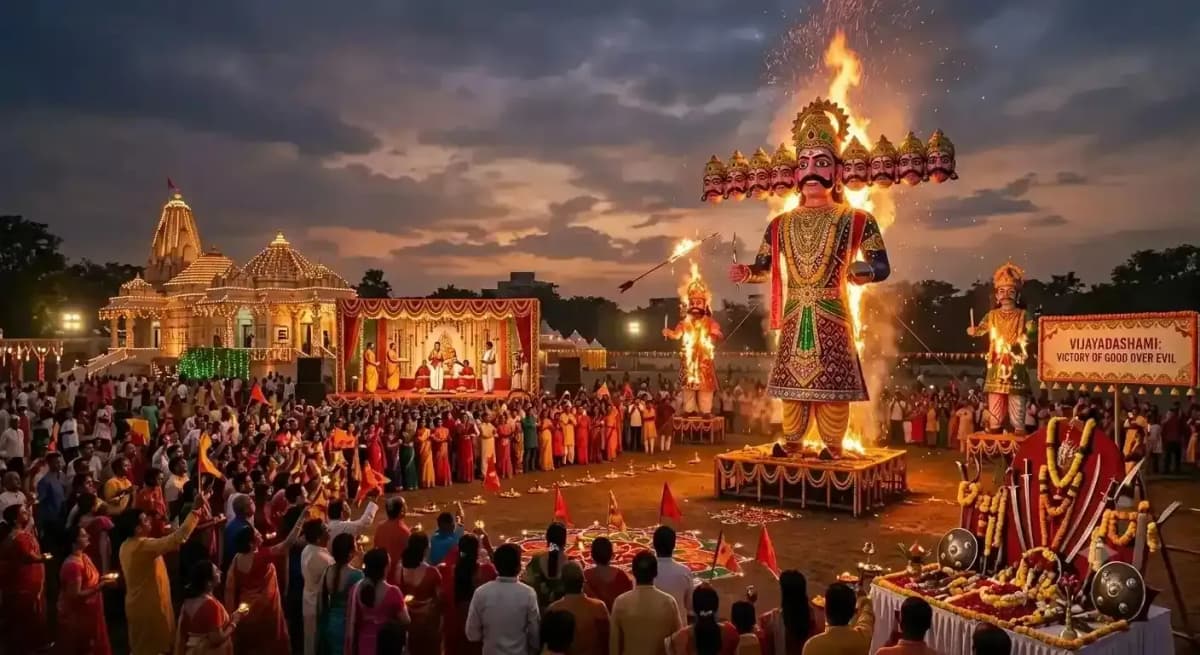
Diwali 2026 Celebrations in European Countries: Complete Guide for Hindu Festival Enthusiasts
A complete evergreen guide to celebrating Diwali 2026 across European countries, with the five-day festival calendar, Lakshmi Puja guidance, and traditions for diyas and rangoli.
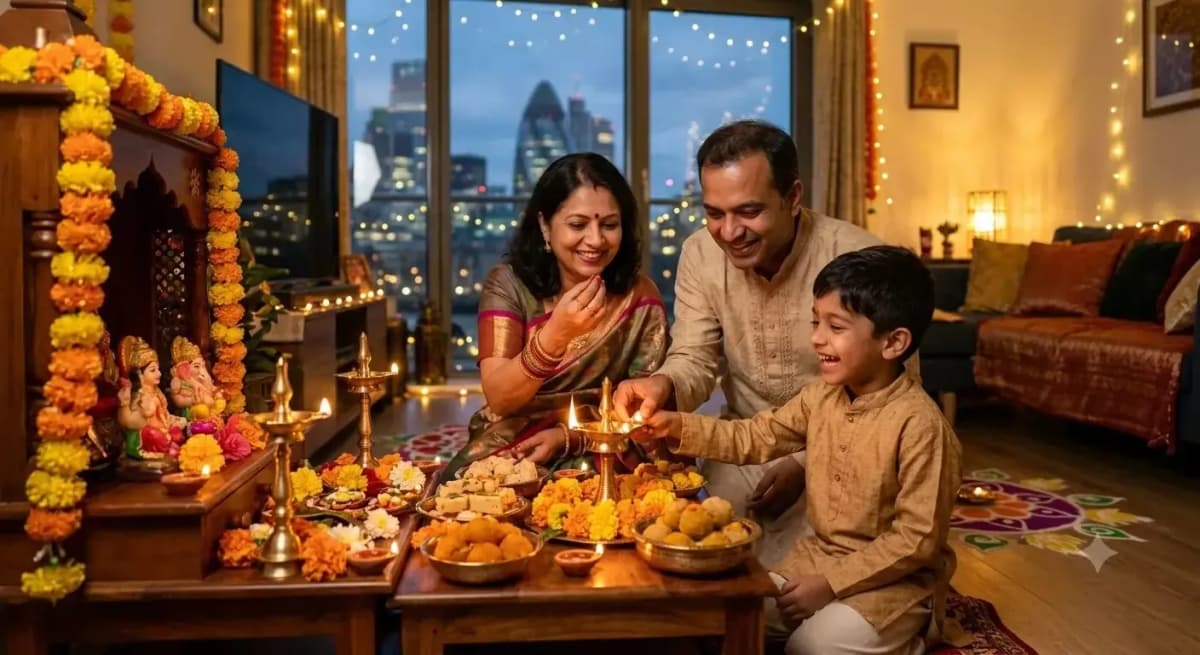
A complete evergreen guide to celebrating Diwali 2026 across European countries, with the five-day festival calendar, Lakshmi Puja guidance, and traditions for diyas and rangoli.
Quick answer: Diwali 2026 is celebrated across Europe with the main Lakshmi Puja on Sunday, 8 November 2026. The five-day festival runs from Dhanteras on 6 November to Bhai Dooj on 10 November. Hindu communities light diyas, draw rangoli, and gather at temples and cultural centres in cities across the continent.
Diwali, the festival of lights, is the most widely celebrated Hindu festival across the diaspora, and Europe is home to vibrant communities that mark it with devotion and joy. This complete guide walks you through the Diwali 2026 dates, the five-day sequence of rituals, Lakshmi Puja guidance, and how the festival comes alive in European countries from the United Kingdom to Germany, France, the Netherlands and beyond.
Diwali 2026 Dates: The Five-Day Festival
Diwali is not a single day but a five-day celebration, with each day carrying its own meaning and rituals. In 2026 the sequence falls in early November, with the main Lakshmi Puja on a Sunday, which many families consider especially auspicious. Use the dates below as your planning anchor.
| Day | Festival | Date 2026 |
|---|---|---|
| Day 1 | Dhanteras | Friday, 6 November 2026 |
| Day 2 | Naraka Chaturdasi / Choti Diwali | Saturday, 7 November 2026 |
| Day 3 | Diwali / Lakshmi Puja (main day) | Sunday, 8 November 2026 |
| Day 4 | Govardhan Puja / Annakut | Monday, 9 November 2026 |
| Day 5 | Bhai Dooj | Tuesday, 10 November 2026 |
Lakshmi Puja Muhurat 2026
The heart of Diwali is Lakshmi Puja, performed on the main day, Sunday, 8 November 2026, to invite the blessings of Goddess Lakshmi, the deity of wealth, prosperity and wellbeing. The most auspicious window is the Pradosh Kaal in the evening after sunset, when families clean and light their homes, open doors and windows to welcome the goddess, and offer prayers at a decorated altar.
Because sunset and the exact muhurat timings differ from city to city across Europe, confirm the precise Lakshmi Puja timing for your location with a trusted panchang or your local temple. As a general rule, the evening twilight period on 8 November 2026 is when most households and temples perform the puja.
Simple Lakshmi Puja Steps at Home
- Clean your home thoroughly in the days before and set up a clean puja space or altar.
- Place images or idols of Goddess Lakshmi and Lord Ganesha, who is worshipped first for an auspicious start.
- Light diyas and incense, and offer flowers, sweets, fruits and coins.
- Recite well-known prayers such as the Shri Lakshmi aarti and chant the revered mantra 'Om Shreem Mahalakshmiyei Namah'.
- Complete the puja with aarti, distribute prasad, and keep diyas lit through the evening.
Diwali Traditions: Diyas and Rangoli
Two traditions define the visual beauty of Diwali. Diyas, the small clay oil lamps, symbolise the victory of light over darkness and knowledge over ignorance. Rangoli, colourful floor art made with powders, rice flour, flower petals or coloured sand, is drawn at entrances to welcome guests and the goddess Lakshmi.
- Diyas: line windowsills, balconies, staircases and doorways; in cooler European climates many families use tea lights or LED diyas indoors for safety.
- Rangoli: create geometric patterns, lotus motifs or footprints leading inward; ready-made stencils and stickers are popular for apartment living.
- Decorations: string lights, torans (door hangings), marigold garlands and lanterns brighten homes and community halls.
- Sweets: prepare or share mithai such as laddoo, barfi and jalebi with neighbours, friends and colleagues.
Diwali 2026 Across European Countries
Across Europe, Diwali is celebrated in homes, temples and public cultural events. The scale and style vary by country and community, so the guidance below is evergreen; always check your local temple or community association for confirmed 2026 event listings, timings and venues.
United Kingdom
The UK has one of Europe's largest Hindu populations, and Diwali is celebrated widely in cities such as London, Leicester, Birmingham and Manchester. Expect temple pujas, community lights, cultural performances and family gatherings. Leicester is particularly well known for its large public Diwali celebrations. Watch local council and temple announcements for confirmed 2026 dates and locations.
Germany, France and the Netherlands
- Germany: Hindu temples and Indian cultural associations in cities like Frankfurt, Berlin, Hamburg and Munich host pujas and community dinners.
- France: Paris and surrounding regions see temple celebrations and cultural evenings organised by Indian and Tamil communities.
- Netherlands: Amsterdam, The Hague and Rotterdam have active Hindu and Surinamese-Hindustani communities that mark Diwali with pujas, music and shared meals.
Other European Countries
Diwali is also observed by growing Hindu communities in Belgium, Switzerland, Italy, Spain, Ireland, Sweden, Norway, Austria and beyond, often centred on local temples, ISKCON centres, and Indian student and professional associations. In many cities, universities and Indian cultural societies organise Diwali nights open to all. Because these events are organised locally, check community social media pages and temple noticeboards for the confirmed 2026 schedule near you.
Tips for Celebrating Diwali 2026 in Europe
- Plan ahead: the main day, 8 November 2026, is a Sunday, so families can gather without work conflicts.
- Respect local rules: many European cities restrict fireworks and open flames; favour LED diyas, lanterns and community fireworks displays where permitted.
- Connect with community: temples, ISKCON centres and cultural associations welcome newcomers and often need volunteers.
- Share the festival: invite friends and colleagues, explain the meaning of the festival of lights, and share sweets to spread goodwill.
- Main Puja DaySunday, 8 November 2026
- Festival Length5 days (6-10 November 2026)
- Key DeityGoddess Lakshmi (worshipped with Lord Ganesha)
- Signature TraditionsDiyas, rangoli, aarti and sweets
Wherever you are in Europe, Diwali 2026 is an opportunity to reconnect with tradition, welcome prosperity into your home, and celebrate the triumph of light over darkness. Light a diya, draw a rangoli, gather with loved ones, and check your local temple listings so you can join the festivities in your city.
Related
See the main Diwali 2026 complete guide for the five-day dates, Lakshmi Puja muhurat and full rituals.
Frequently Asked Questions
When is Diwali 2026?
Diwali 2026 is a five-day festival from Friday, 6 November to Tuesday, 10 November 2026. The main day, Diwali with Lakshmi Puja, falls on Sunday, 8 November 2026.
When is Lakshmi Puja in 2026?
Lakshmi Puja is performed on the main Diwali day, Sunday, 8 November 2026, most often during the evening Pradosh Kaal after sunset. Confirm the exact muhurat for your city with a trusted panchang or local temple.
What are the five days of Diwali 2026?
The five days are Dhanteras (6 November), Naraka Chaturdasi or Choti Diwali (7 November), Diwali and Lakshmi Puja (8 November), Govardhan Puja or Annakut (9 November), and Bhai Dooj (10 November) in 2026.
How is Diwali celebrated in Europe?
European Hindu communities celebrate with home and temple pujas, lighting diyas, drawing rangoli, sharing sweets, and attending cultural events in cities across the UK, Germany, France, the Netherlands and beyond. Check local temples for confirmed 2026 events.
Which European city is famous for Diwali?
Leicester in the United Kingdom is widely known for its large public Diwali celebrations, and cities like London, Birmingham and Manchester also host significant festivities. Confirm 2026 details with local councils and temples.
What mantra is chanted during Lakshmi Puja?
A widely recited mantra is 'Om Shreem Mahalakshmiyei Namah', chanted to invoke the blessings of Goddess Lakshmi. Families also perform the Shri Lakshmi aarti during the puja.
Can I light diyas in a European apartment?
Yes. Many families use LED or battery diyas and tea lights indoors for safety, especially where open flames or fireworks are restricted. Always follow local fire-safety rules and building regulations.
What do diyas and rangoli symbolise?
Diyas symbolise the victory of light over darkness and knowledge over ignorance, while rangoli is decorative floor art drawn at entrances to welcome guests and Goddess Lakshmi into the home.
You might also like
Diwali 2026 in Nepal: Date, Lakshmi Puja Muhurat & City-by-City Celebration Guide

Champa Shashthi 2026: Date, Khandoba Worship & Jejuri's Golden Festival
Kati Bihu 2026: Date, Rituals & Assam's Festival of Earthen Lamps