

Diwali 2026 in Manchester, UK: A Vibrant Guide to the Festival of Lights
A complete evergreen guide to celebrating Diwali 2026 in Manchester, from Dhanteras on 6 November to Bhai Dooj on 10 November, with pujas, rangoli, lights and community joy.
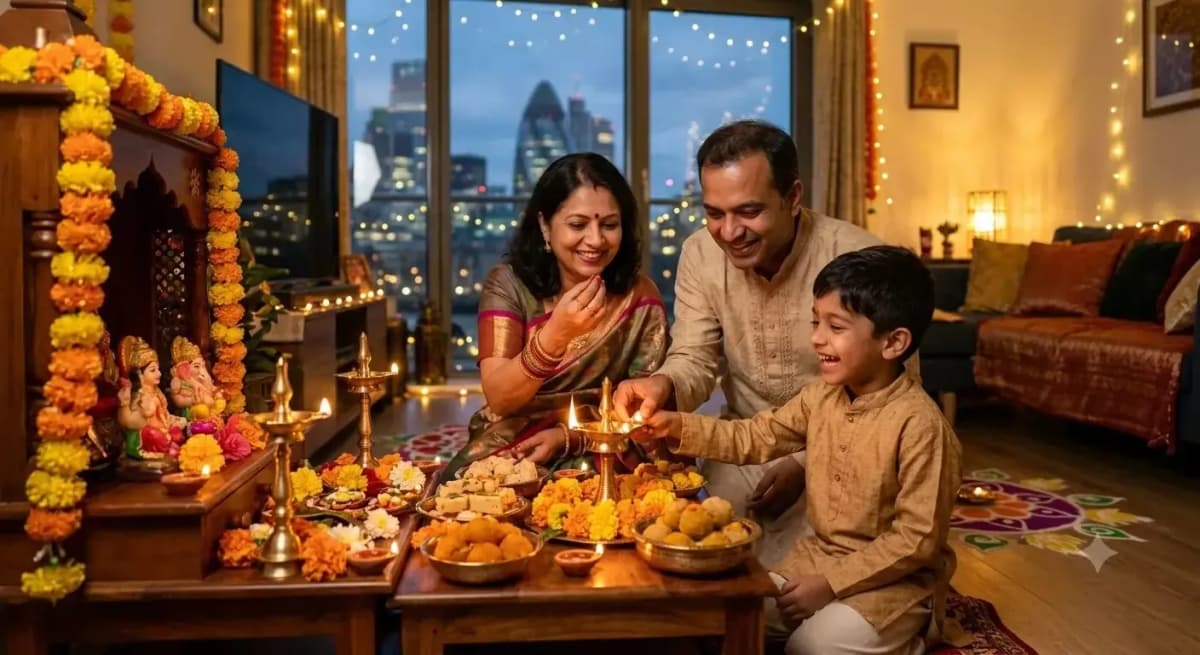
A complete evergreen guide to celebrating Diwali 2026 in Manchester, from Dhanteras on 6 November to Bhai Dooj on 10 November, with pujas, rangoli, lights and community joy.
Quick answer: Diwali 2026 in Manchester is celebrated over five days, from Dhanteras on Friday 6 November to Bhai Dooj on Tuesday 10 November. The main Diwali and Lakshmi Puja fall on Sunday 8 November 2026, marked with diyas, rangoli, sweets and family prayers across the city's temples and homes.
Manchester glows with a special warmth each Diwali, as one of the United Kingdom's largest and most vibrant South Asian communities gathers to celebrate the Festival of Lights. Homes across Greater Manchester fill with the flicker of diyas, the colours of rangoli and the aroma of freshly made sweets, turning the autumn darkness into a season of hope and devotion.
Diwali marks the victory of light over darkness and good over evil, and for the tens of thousands of Hindus, Sikhs and Jains in and around Manchester it is both a sacred observance and a joyful cultural homecoming. This guide walks you through the 2026 dates, the meaning of each day and how to celebrate meaningfully in the city.
Diwali 2026 Dates in Manchester
Diwali is celebrated over five days, and in 2026 the festival runs from Friday 6 November to Tuesday 10 November. Because Manchester follows the same lunar calendar as India, these dates apply wherever you are in the UK. The main day of Diwali falls on a Sunday in 2026, which is considered especially auspicious and convenient for family gatherings.
| Day | Festival | Date 2026 |
|---|---|---|
| Day 1 | Dhanteras | Friday 6 November |
| Day 2 | Naraka Chaturdasi / Choti Diwali | Saturday 7 November |
| Day 3 | Diwali / Lakshmi Puja | Sunday 8 November |
| Day 4 | Govardhan Puja / Annakut | Monday 9 November |
| Day 5 | Bhai Dooj | Tuesday 10 November |
The Five Days of Diwali Explained
Each day of the festival carries its own devotional meaning, and understanding them deepens the joy of celebrating in Manchester. Families often observe all five, adapting timings around work and school in the UK.
Dhanteras — Friday 6 November 2026
Dhanteras opens the festival and honours Goddess Lakshmi and Lord Dhanvantari, the deity of health and Ayurveda. Many families in Manchester buy gold, silver, kitchenware or a new utensil as a symbol of prosperity, clean their homes thoroughly and light the first diyas of the season at their doorways.
Naraka Chaturdasi / Choti Diwali — Saturday 7 November 2026
Also called Choti Diwali, this day recalls the victory of Lord Krishna over the demon Narakasura. Homes are decorated, an early ritual bath is traditional, and the number of lamps increases as anticipation for the main day builds.
Diwali / Lakshmi Puja — Sunday 8 November 2026
The heart of the festival, this is when families perform Lakshmi Puja to invite the goddess of wealth and well-being into a clean, brightly lit home. Rows of diyas line windowsills and driveways, rangoli welcomes the divine, and prayers are offered to Lakshmi alongside Lord Ganesha. Falling on a Sunday, the 2026 main day is easy for families to observe together.
Govardhan Puja / Annakut — Monday 9 November 2026
Govardhan Puja commemorates Lord Krishna lifting the Govardhan hill to shelter villagers from the storm. Temples prepare Annakut, a mountain of vegetarian food offered to the deity and later shared as prasad among the community.
Bhai Dooj — Tuesday 10 November 2026
The festival closes with Bhai Dooj, celebrating the bond between brothers and sisters. Sisters apply a tilak and pray for their brothers' long life and prosperity, and families share a festive meal together.
How Manchester Celebrates the Festival of Lights
Manchester is home to well over 100,000 people of South Asian heritage across the city and Greater Manchester, and Diwali is one of the most visible celebrations in its cultural calendar. From family homes in areas with strong Hindu, Sikh and Jain communities to the city's mandirs and community halls, the festival brings people together across generations.
- Lakshmi Puja and aarti at local temples, often with extended opening hours and community programmes
- Rangoli-making, diya decorating and mehndi sessions for children and families
- Cultural evenings with classical and Bollywood dance, bhajans and live music
- Community food stalls and shared vegetarian feasts, including Annakut offerings
- Firework displays organised by temples, community groups and local councils
Sacred Rituals and Mantras
At the centre of Diwali is the worship of Goddess Lakshmi, invoked for prosperity, and Lord Ganesha, the remover of obstacles. Devotees clean and light their homes so the goddess feels welcome, offer flowers, sweets and lamps, and recite prayers with devotion. The well-known Lakshmi mantra 'Om Shreem Mahalakshmiyei Namah' is chanted to seek her blessings, while the Ganesh mantra 'Om Gam Ganapataye Namah' is offered before beginning the puja.
If you are performing puja at home in Manchester, prepare a clean space with images or idols of Lakshmi and Ganesha, light a lamp, offer flowers and sweets, and pray with a focused, grateful heart. Many families also light a diya at the doorway to symbolically guide the goddess indoors.
Tips for Celebrating Diwali in Manchester
- Begin cleaning and decorating your home in the days before Dhanteras so it is bright and welcoming
- Stock up on diyas, candles, rangoli colours and fresh flowers from local South Asian shops
- Check your nearest temple or community centre for their 2026 puja timings and event schedule
- Plan the main Lakshmi Puja for the evening of Sunday 8 November 2026
- Set off fireworks responsibly, following UK safety guidance and local council rules
- Share sweets and greetings with neighbours to spread the festival's spirit of goodwill
A Season of Light and Community
Whether you are celebrating your first Diwali in Manchester or continuing a lifelong tradition, the festival offers a chance to reconnect with faith, family and community. As diyas glow in windows across the city this November, they carry the same timeless message they have for centuries — that light will always overcome darkness. For the exact 2026 event details, always check announcements from your local temple and community organisers.
Related
See the main Diwali 2026 complete guide for the five-day dates, Lakshmi Puja muhurat and full rituals.
Frequently Asked Questions
When is Diwali 2026 in Manchester?
The main day of Diwali and Lakshmi Puja falls on Sunday 8 November 2026. The full five-day festival runs from Dhanteras on Friday 6 November to Bhai Dooj on Tuesday 10 November 2026.
What are the five days of Diwali 2026?
They are Dhanteras (6 November), Naraka Chaturdasi or Choti Diwali (7 November), Diwali and Lakshmi Puja (8 November), Govardhan Puja or Annakut (9 November), and Bhai Dooj (10 November).
Why is Diwali 2026 considered especially auspicious?
In 2026 the main Diwali falls on a Sunday, which many families find both spiritually meaningful and convenient, as it allows relatives to gather and perform Lakshmi Puja together without work or school commitments.
Which deities are worshipped during Diwali?
Goddess Lakshmi, the deity of wealth and well-being, is the primary focus, worshipped alongside Lord Ganesha, the remover of obstacles. Some traditions also honour Lord Krishna and Goddess Kali during the festival.
What mantras are used for Lakshmi Puja?
Common choices include the Lakshmi mantra 'Om Shreem Mahalakshmiyei Namah' and the Ganesh mantra 'Om Gam Ganapataye Namah'. Chant with devotion and a calm, grateful mind for the best experience.
Where can I celebrate Diwali in Manchester?
You can celebrate at local Hindu, Sikh and Jain temples and community centres across Greater Manchester, which often host pujas, cultural evenings and shared meals. Check their announcements for the exact 2026 schedule.
How do I perform Diwali puja at home?
Clean and light your home, set up a clean space with images of Lakshmi and Ganesha, light a lamp, offer flowers and sweets, chant the mantras and pray. Lighting a diya at the doorway is traditional to welcome the goddess.
Are fireworks allowed for Diwali in Manchester?
Fireworks are a popular part of Diwali, but you should follow UK fireworks safety guidance and any local council rules on timing and location. Many temples and community groups also host organised, safer public displays.
You might also like
Diwali 2026 in Nepal: Date, Lakshmi Puja Muhurat & City-by-City Celebration Guide
Jagaddhatri Puja 2026: Dates, Chandannagar's Dazzling Lights & Significance
Champa Shashthi 2026: Date, Khandoba Worship & Jejuri's Golden Festival