Diwali Celebrations in Brisbane, Australia 2026: A Complete Guide
A complete guide to celebrating Diwali 2026 in Brisbane, Queensland, from the five festival days and Lakshmi puja to temple events, rangoli and shared community lights.
A complete guide to celebrating Diwali 2026 in Brisbane, Queensland, from the five festival days and Lakshmi puja to temple events, rangoli and shared community lights.
Quick answer: Diwali 2026 falls on Sunday 8 November, the main Lakshmi Puja day. In Brisbane the wider festival runs from Dhanteras on 6 November to Bhai Dooj on 10 November, marked with temple pujas, community melas, rangoli, sweets and family diya lighting across Queensland.
Diwali, the Festival of Lights, is one of the most joyful and widely celebrated Hindu festivals in Brisbane. For families across Queensland, it is a time to clean and decorate the home, offer prayers to Goddess Lakshmi, share sweets with neighbours and light rows of diyas that carry the message of light triumphing over darkness. This guide walks you through the 2026 dates, traditions and how the festival comes alive across Brisbane.
When is Diwali 2026 in Brisbane?
Diwali is a five-day festival, and the main Lakshmi Puja day in 2026 falls on Sunday 8 November. Because it lands on a Sunday, many Brisbane families find it easier to gather for a full day of worship and celebration. As with all Hindu festivals, the days are set by the lunar calendar, so always confirm the exact tithi and any muhurat timings with your local temple or family priest for the Australian Eastern time zone.
| Festival Day | Date 2026 |
|---|---|
| Dhanteras | Friday 6 November 2026 |
| Naraka Chaturdasi / Choti Diwali | Saturday 7 November 2026 |
| Diwali / Lakshmi Puja (main day) | Sunday 8 November 2026 |
| Govardhan Puja / Annakut | Monday 9 November 2026 |
| Bhai Dooj | Tuesday 10 November 2026 |
The Meaning Behind the Festival
Diwali celebrates the victory of light over darkness and knowledge over ignorance. For many, it marks the return of Lord Rama to Ayodhya after his exile and the defeat of Ravana, when the people lit lamps to welcome him home. Others honour Goddess Lakshmi, the deity of wealth and prosperity, while communities from different regions of India bring their own cherished stories and customs to the celebration.
The Five Days of Diwali Explained
Each of the five days carries its own significance, and Brisbane families often observe them in the ways passed down through their regions and traditions.
- Dhanteras: The festival opens with prayers for health and prosperity, and it is considered auspicious to buy metal, gold or new utensils.
- Naraka Chaturdasi or Choti Diwali: An early morning bath and lamp lighting mark the removal of negativity before the main day.
- Diwali and Lakshmi Puja: The central day, when homes are lit with diyas and families invite Goddess Lakshmi with prayers and offerings.
- Govardhan Puja and Annakut: A day of gratitude, when a mountain of vegetarian food is offered at temples and homes.
- Bhai Dooj: A celebration of the bond between brothers and sisters, closing the festival with love and good wishes.
Celebrating Diwali in Brisbane
Brisbane is home to a vibrant and growing Indian and wider South Asian community, and Diwali is one of the highlights of the cultural calendar. Across the city and greater Queensland you can expect temple pujas, community melas with food stalls and cultural performances, dance and music evenings, and family gatherings filled with sweets and lights. Popular community celebrations are often held in parks, community halls and cultural centres in the weeks around the main date.
Because organisers confirm venues, times and ticketing closer to the festival, check announcements from your local temple, cultural association and community groups for the exact 2026 events, as details can change from year to year.
Temples and Community Venues
Brisbane and its surrounds have several Hindu temples and community organisations that host special Diwali and Lakshmi Puja services. These are wonderful places to experience collective worship, aarti, bhajans and the shared joy of the festival. Contact your nearest temple ahead of time to learn about their 2026 puja schedule, any registration needed and whether prasad or community meals will be served.
Rangoli, Diyas and Home Decoration
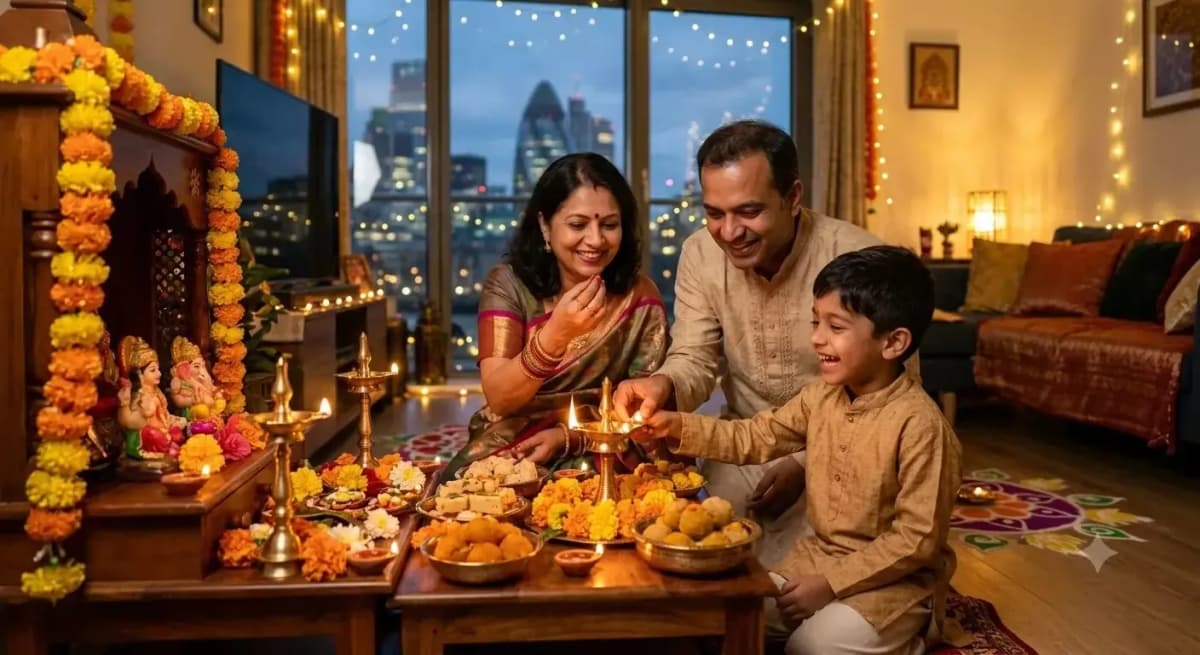
Decorating the home is a much-loved part of Diwali. Families draw colourful rangoli patterns at their entrance using coloured powders, rice or flower petals to welcome Goddess Lakshmi and guests. Rows of diyas, oil lamps and fairy lights brighten doorways, balconies and windows, while marigold-style garlands and torans add festive colour indoors and out.
- Clean and tidy the home thoroughly before the main day, a tradition symbolising a fresh start.
- Create a rangoli near the entrance and keep the doorway welcoming and well lit.
- Light diyas or LED lamps safely, keeping flames away from curtains and out of the reach of children.
- Add fresh flowers, garlands and a small decorated space for the puja.
Sweets, Food and Sharing
No Diwali is complete without sweets. Families prepare or buy favourites such as ladoo, barfi, jalebi and gulab jamun, along with savoury snacks, and share them generously with friends and neighbours. In Brisbane, Indian grocers and sweet shops become busy in the lead-up to the festival, and many families use the occasion to introduce their wider community to the flavours of the celebration.
Fireworks and Safety in Queensland
Fireworks and sparklers have long been associated with Diwali, but in Queensland the sale and use of fireworks by the public is tightly regulated, and setting them off privately is generally not permitted without a licence. Instead, many families enjoy organised, professionally run displays and choose sparkling lights, lamps and lanterns at home. Always follow local laws and fire safety guidance, and consider quieter, lamp-focused celebrations that are kinder to pets and neighbours.
Tips for a Meaningful Diwali 2026
- Confirm the puja timings and event details with your local temple or community group for the 2026 dates.
- Plan your home cleaning and decoration in the days before Sunday 8 November.
- Prepare or order sweets early, as shops get busy close to the festival.
- Invite friends and neighbours to share in the lights, food and celebration.
- Prioritise safety with lamps, candles and any organised fireworks displays.
A Festival for Everyone
Diwali in Brisbane is more than a religious observance; it is a celebration of community, generosity and hope. Whether you attend a large community mela, join a temple aarti or simply light a diya at home with your family, the festival invites everyone to share in its warmth. May the Festival of Lights bring peace, prosperity and joy to your home in 2026.
Related
See the main Diwali 2026 complete guide for the five-day dates, Lakshmi Puja muhurat and full rituals.
Frequently Asked Questions
When is Diwali 2026 in Brisbane?
The main Lakshmi Puja day of Diwali 2026 falls on Sunday 8 November. The wider five-day festival runs from Dhanteras on Friday 6 November to Bhai Dooj on Tuesday 10 November.
What is the significance of Diwali?
Diwali celebrates the victory of light over darkness and good over evil. It honours Goddess Lakshmi and, for many, marks Lord Rama's return to Ayodhya, when lamps were lit to welcome him home.
What are the five days of Diwali in 2026?
They are Dhanteras on 6 November, Naraka Chaturdasi on 7 November, Diwali and Lakshmi Puja on 8 November, Govardhan Puja on 9 November and Bhai Dooj on 10 November 2026.
Where can I celebrate Diwali in Brisbane?
You can join temple pujas, community melas, cultural evenings and family gatherings across Brisbane and Queensland. Check local temple and community group announcements for confirmed 2026 venues and times.
Can I set off fireworks for Diwali in Brisbane?
Public use of fireworks is tightly regulated in Queensland and generally not permitted without a licence. Enjoy organised professional displays and celebrate with lamps, diyas and lanterns at home instead.
What food is traditional at Diwali?
Families enjoy sweets such as ladoo, barfi, jalebi and gulab jamun, along with savoury snacks. Sharing sweets with friends and neighbours is an important part of the celebration.
What is Lakshmi Puja?
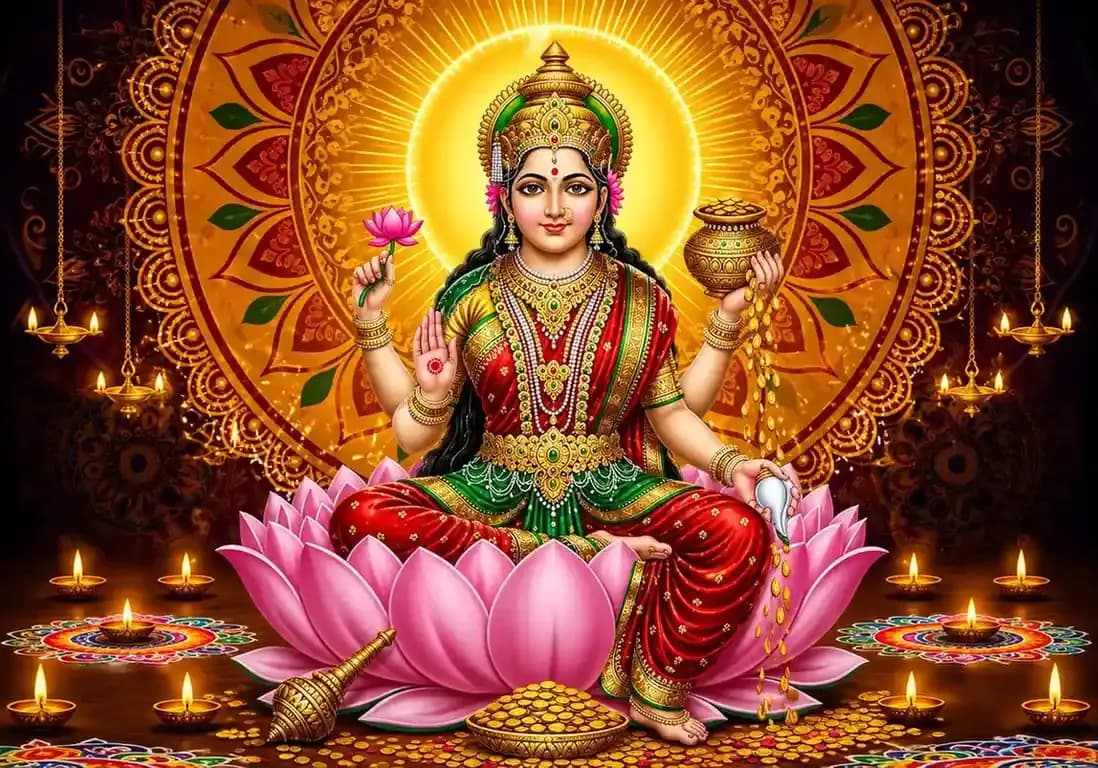
Lakshmi Puja is the central worship of Diwali, when families invite Goddess Lakshmi, the deity of wealth and prosperity, into a clean, well-lit home with prayers, lamps and offerings on the main festival day.
How should I decorate my home for Diwali?
Clean the home thoroughly, draw a colourful rangoli at the entrance, and light diyas, lamps or fairy lights. Add flowers, garlands and a small decorated space for the puja to welcome guests and blessings.
You might also like
Diwali 2026 in Nepal: Date, Lakshmi Puja Muhurat & City-by-City Celebration Guide
Bathukamma and Dasara 2026 in Australia: Dates, Telangana Association Celebrations, Muhurat and City-by-City Guide
Bathukamma & Dasara 2026 in Canada: Dates, Telangana Association Celebrations & City-by-City Guide