Diwali Celebrations in Chennai, Tamil Nadu 2026: A Complete Guide
A complete guide to Deepavali 2026 in Chennai and Tamil Nadu, covering the festival dates, temple rituals, kolam artistry, the pre-dawn oil bath and cherished South Indian customs.
A complete guide to Deepavali 2026 in Chennai and Tamil Nadu, covering the festival dates, temple rituals, kolam artistry, the pre-dawn oil bath and cherished South Indian customs.
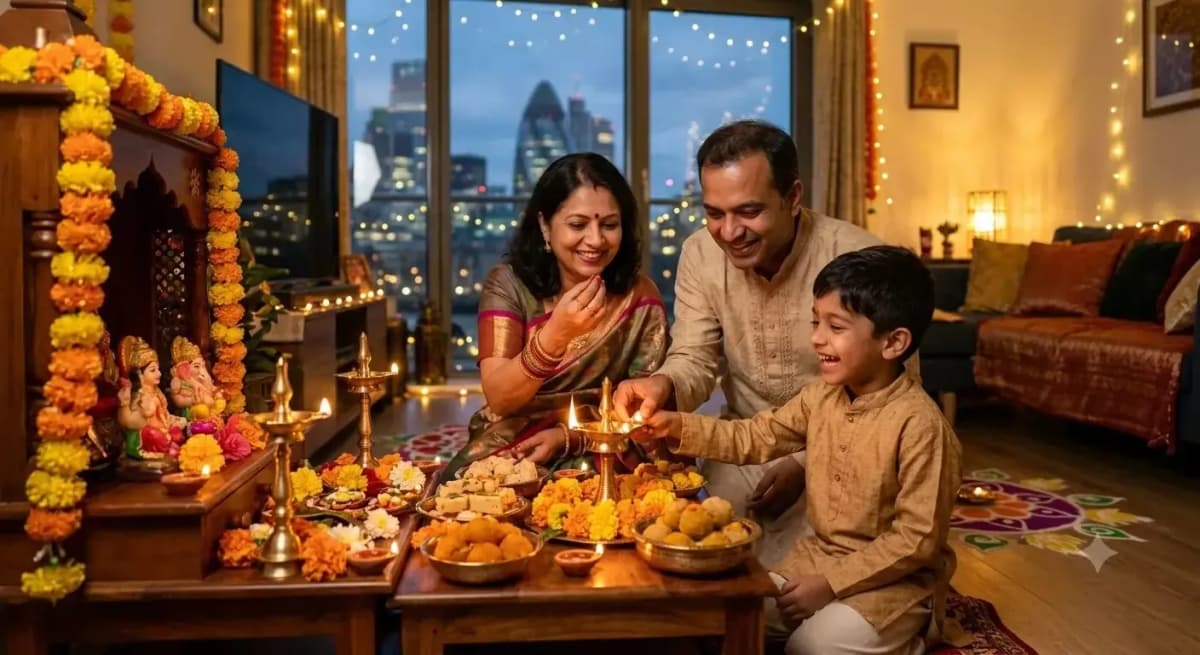
Quick answer: Diwali (Deepavali) 2026 in Chennai centres on Naraka Chaturdasi, observed on Saturday 7 November 2026, with the pre-dawn oil bath, new clothes, temple visits and Lakshmi Puja on Sunday 8 November 2026. Families light lamps, draw kolams and share sweets.
Deepavali, known across northern India as Diwali, is one of the most joyously observed festivals in Chennai and throughout Tamil Nadu. While the essence of light triumphing over darkness is shared nationwide, the Tamil observance carries its own distinctive rhythm, rooted in the legend of Lord Krishna's victory over the demon Narakasura. This guide walks you through the Diwali 2026 dates, the beloved regional customs, temple traditions and the everyday devotional practices that make Deepavali in Chennai so special.
Diwali 2026 Dates and the Tamil Observance
In Tamil Nadu the festival is centred on Naraka Chaturdasi rather than the northern Lakshmi Puja night. The pre-dawn ritual bath and celebrations traditionally fall on Choti Diwali morning. Here is how the five-day festival period unfolds in 2026, so you can plan temple visits and family gatherings.
| Observance | Date 2026 |
|---|---|
| Dhanteras | Friday 6 November 2026 |
| Naraka Chaturdasi / Deepavali (Tamil Nadu main day) | Saturday 7 November 2026 |
| Diwali / Lakshmi Puja (North India main day) | Sunday 8 November 2026 |
| Govardhan Puja / Annakut | Monday 9 November 2026 |
| Bhai Dooj | Tuesday 10 November 2026 |
For Chennai families the heart of the celebration is the early morning of Naraka Chaturdasi. Because ritual timings depend on the local panchangam and vary each year, do confirm the exact 2026 muhurtham and Ganga Snanam timings with your family priest or neighbourhood temple before the festival.
The Legend Behind Deepavali in Tamil Nadu
The South Indian celebration commemorates the slaying of the tyrant Narakasura by Lord Krishna, aided by his consort Satyabhama. As the demon fell, he asked that his death be remembered not with mourning but with light and celebration. This is why homes glow with lamps at dawn and why the day is welcomed with an auspicious oil bath, symbolising the washing away of darkness and the renewal of the spirit.
The Ganga Snanam: Pre-Dawn Oil Bath
The most cherished Tamil Deepavali custom is the Ganga Snanam, a ritual oil bath taken before sunrise. Elders apply warm sesame or gingelly oil to the head, followed by a bath using a traditional herbal powder or shikakai. The waters of the bath are symbolically invited to carry the sanctity of the sacred Ganga. After bathing, family members wear new clothes and seek the blessings of their elders.
- Warm sesame (nallennai) oil is gently applied to the head and body
- A herbal bathing powder such as seeya kai or shikakai is used
- Children burst a small marundhu, a traditional Deepavali herbal preparation, believed to aid digestion after festive sweets
- New clothes are worn immediately after the bath
- Younger members prostrate before elders to receive blessings
Kolam Artistry at the Doorstep
No Tamil festival is complete without the kolam, the intricate geometric patterns drawn at the threshold with rice flour. During Deepavali the kolams grow especially elaborate, often filled in with vibrant colours and bordered with rows of small clay lamps. The rice-flour lines are traditionally seen as an offering to small creatures and a welcome to Goddess Lakshmi, inviting prosperity into the home.
Simple Steps for a Festive Kolam
- Clean and lightly dampen the doorstep at dawn
- Mark a grid of guiding dots with rice flour
- Connect the dots into looping lines, lotus shapes or a lamp motif
- Fill the enclosed spaces with coloured kolam powder
- Place small clay diyas around the outer border
Temple Rituals and Devotional Practices
Chennai and its surrounding districts are home to countless historic temples where devotees gather during Deepavali for special darshan, abhishekam and deeparadhana. Many families begin the festival morning with a temple visit after their oil bath. Popular destinations include the great temples of the city and nearby pilgrimage centres, where lamps are lit in profusion and devotional hymns fill the air.
- Kapaleeshwarar Temple in Mylapore, a Dravidian landmark dedicated to Lord Shiva
- Sri Parthasarathy Temple in Triplicane, dedicated to Lord Krishna
- Marundeeswarar Temple in Thiruvanmiyur
- Ashtalakshmi Temple by the sea at Besant Nagar, revered for prosperity
Simple, well-known mantras are chanted at home and in temples during this period. Devotees invoke Goddess Lakshmi with the sacred syllable Om and the traditional Lakshmi mantra, and remember Lord Krishna's victory. Rather than reciting long stotras from memory, many families simply light the lamp, offer a prayer of gratitude and dedicate the day's first light to the divine.
Sweets, Savouries and the Festive Table
Deepavali in a Tamil household is inseparable from its bakshanam, the array of homemade sweets and savouries prepared days in advance. The kitchen fills with the aroma of ghee and jaggery as families cook and share generously with neighbours and relatives.
- Signature sweetAdhirasam, a jaggery and rice-flour delicacy
- Popular savouryMurukku, a crisp spiral snack
- Festive ladduBoondi and rava laddu
- Herbal preparationDeepavali marundhu (Lehiyam)
Planning Your Deepavali 2026 in Chennai
If you are visiting Chennai or celebrating locally, plan your temple darshan for the early hours when the atmosphere is most serene. Markets in areas such as T. Nagar, Mylapore and Sowcarpet bustle with shoppers buying new clothes, lamps and sweets in the run-up to the festival. For exact temple timings, special pooja schedules and any community events in 2026, always check the latest announcements from your chosen temple or residents' association.
Related
See the main Diwali 2026 complete guide for the five-day dates, Lakshmi Puja muhurat and full rituals.
Frequently Asked Questions
When is Diwali celebrated in Chennai in 2026?
In Tamil Nadu, Deepavali is chiefly observed on Naraka Chaturdasi, which falls on Saturday 7 November 2026, with the pre-dawn oil bath and celebrations. Lakshmi Puja, the main northern day, is on Sunday 8 November 2026.
Why is Deepavali celebrated in the morning in Tamil Nadu?
The Tamil observance commemorates Lord Krishna's dawn victory over the demon Narakasura. Families therefore celebrate before sunrise with the auspicious Ganga Snanam oil bath, welcoming the day with light rather than mourning the demon's fall.
What is the Ganga Snanam ritual?
Ganga Snanam is the traditional pre-dawn oil bath. Warm sesame oil is applied to the head and body, followed by a bath with herbal powder. The waters are symbolically invited to carry the sanctity of the sacred Ganga, cleansing body and spirit.
What is a kolam and why is it drawn during Diwali?
A kolam is an intricate pattern drawn at the doorstep with rice flour. During Deepavali it becomes especially elaborate and colourful, welcoming Goddess Lakshmi, inviting prosperity and offering nourishment to small creatures at the threshold.
Which temples are popular in Chennai during Deepavali?
Devotees often visit Kapaleeshwarar Temple in Mylapore, Sri Parthasarathy Temple in Triplicane, Marundeeswarar Temple in Thiruvanmiyur and the Ashtalakshmi Temple at Besant Nagar for special Deepavali darshan and deeparadhana.
What sweets are traditionally made for Tamil Deepavali?
Households prepare adhirasam, murukku, boondi and rava laddu, and other homemade bakshanam. A herbal preparation called Deepavali marundhu or Lehiyam is also taken to aid digestion after the rich festive sweets.
What is Deepavali marundhu?
Deepavali marundhu, or Lehiyam, is a traditional herbal jam made from spices and jaggery. Taken in a small quantity on the festival morning, it is believed to aid digestion and balance the body before the day's feasting on sweets.
How can I find exact 2026 muhurtham timings in Chennai?
Ritual and Ganga Snanam timings follow the local panchangam and change each year. For accurate 2026 muhurtham and special pooja schedules, confirm with your family priest or your neighbourhood temple's official announcements before the festival.
You might also like
Diwali 2026 in Nepal: Date, Lakshmi Puja Muhurat & City-by-City Celebration Guide
Bathukamma & Dasara 2026 in Canada: Dates, Telangana Association Celebrations & City-by-City Guide
Bathukamma and Dasara 2026 in Australia: Dates, Telangana Association Celebrations, Muhurat and City-by-City Guide