Diwali Celebrations in Malaysia 2026: Complete Festival Guide
A complete guide to Diwali 2026 in Malaysia, covering Deepavali traditions, the public holiday, and the five-day festival from Dhanteras to Bhai Dooj.
A complete guide to Diwali 2026 in Malaysia, covering Deepavali traditions, the public holiday, and the five-day festival from Dhanteras to Bhai Dooj.
Quick answer: Diwali, known as Deepavali in Malaysia, falls on Sunday 8 November 2026, with Lakshmi Puja on the main day. Deepavali is a gazetted public holiday nationwide except Sarawak, celebrated with oil lamps, kolam, prayers, open houses and festive Indian sweets.
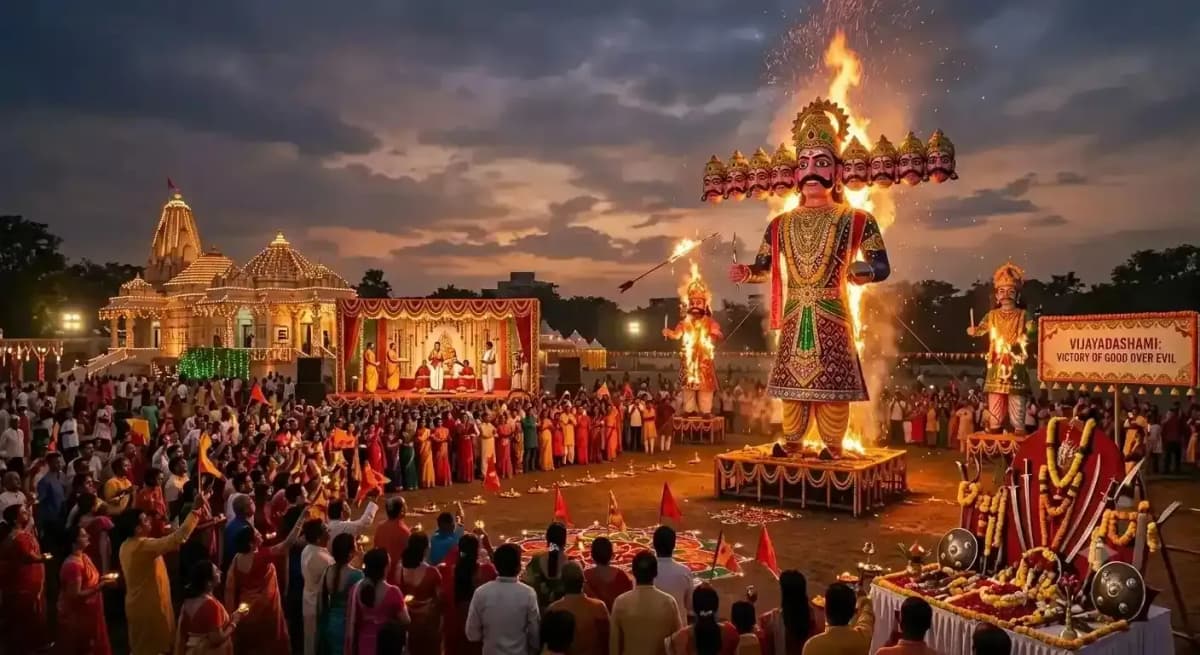
Diwali, warmly known across Malaysia as Deepavali, is one of the country's most cherished festivals. Celebrated by the Malaysian Indian community and shared joyfully with neighbours of every background, it fills homes, streets and temples with the glow of oil lamps and the spirit of light triumphing over darkness. In 2026, the main day of Diwali falls on Sunday 8 November, an especially auspicious date for Lakshmi Puja.
Diwali 2026 Dates in Malaysia
The Diwali festival unfolds over five days, each with its own devotional significance. While Malaysian families observe the full sequence at home and in temples, the gazetted public holiday centres on the main Deepavali day. Here are the confirmed dates for 2026.
| Day | Festival | Date |
|---|---|---|
| Day 1 | Dhanteras | Friday 6 November 2026 |
| Day 2 | Naraka Chaturdasi / Choti Diwali | Saturday 7 November 2026 |
| Day 3 | Diwali / Lakshmi Puja (main day) | Sunday 8 November 2026 |
| Day 4 | Govardhan Puja / Annakut | Monday 9 November 2026 |
| Day 5 | Bhai Dooj | Tuesday 10 November 2026 |
Is Deepavali a Public Holiday in Malaysia?
Yes. Deepavali is a gazetted national public holiday in Malaysia, observed in every state and federal territory except Sarawak, where it is not a state holiday. In 2026 the holiday falls on the main Deepavali day, Sunday 8 November. Because it lands on a Sunday, some states may observe a replacement holiday on the following working day — readers should check the official 2026 Malaysian holiday calendar and their state announcements for confirmation.
The Meaning of Deepavali
The word Deepavali comes from the Sanskrit for a row of lamps, and the festival celebrates the victory of light over darkness and good over evil. In South Indian tradition, which shapes much of Malaysian observance, Deepavali commemorates Lord Krishna's defeat of the demon Narakasura, marking the triumph of righteousness. The lighting of lamps invites the goddess Lakshmi, bringer of prosperity and well-being, into the home.
Five Days of Festivities
Each of the five days carries its own devotional focus, blending household rituals with community celebration.
- Dhanteras: families clean their homes and may buy metal or gold items as a symbol of incoming prosperity, honouring Lakshmi and Dhanvantari.
- Naraka Chaturdasi: an early morning oil bath is a beloved South Indian custom, symbolising purification before the main day.
- Deepavali main day: homes are lit with lamps, prayers are offered to Lakshmi, and families gather for feasting and open houses.
- Govardhan Puja / Annakut: gratitude is expressed for nature's bounty, with offerings of food.
- Bhai Dooj: sisters and brothers celebrate their bond with blessings and gifts.
How Malaysian Families Celebrate
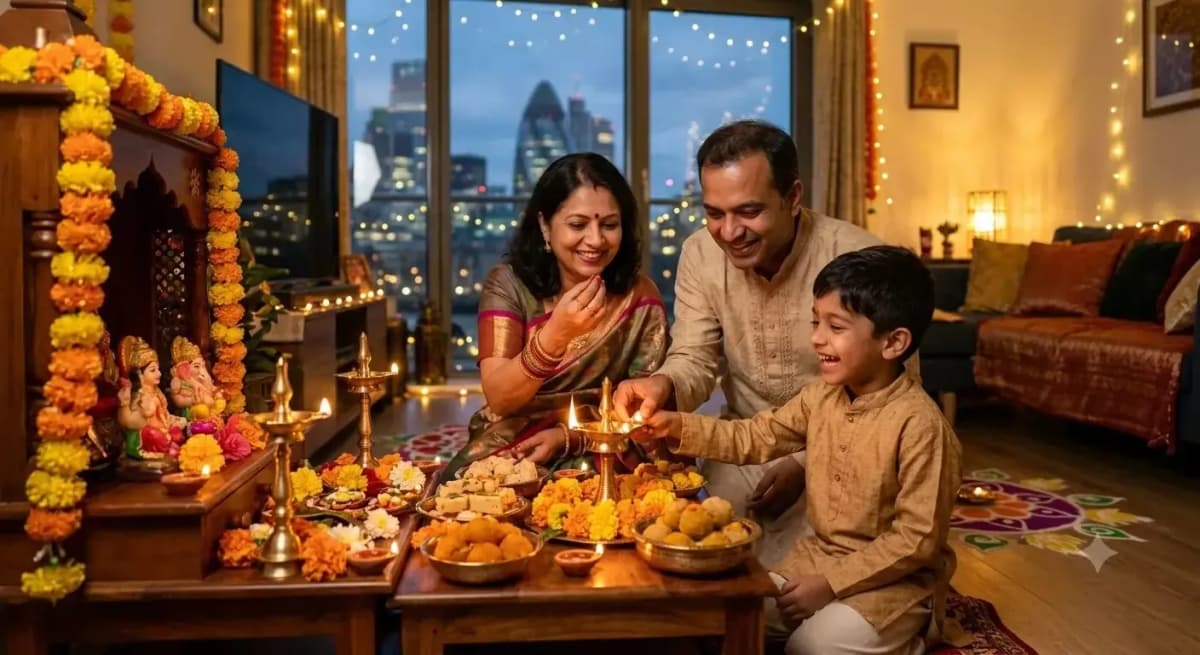
In Malaysian Indian homes, preparations begin days ahead with a thorough spring cleaning, believed to welcome Lakshmi into a pure and orderly household. On the eve and morning of Deepavali, families rise early for the traditional oil bath, wear new clothes, and offer prayers at the home altar and local temples. The famous Malaysian open house tradition sees families welcoming friends, colleagues and neighbours of all communities to share sweets and savouries — a warm expression of the country's multicultural harmony.
Kolam, Lamps and Home Decorations
Intricate kolam designs — colourful patterns made with rice flour, coloured powder or flower petals — adorn doorsteps and courtyards, welcoming guests and inviting good fortune. Rows of clay oil lamps, or diyas, and modern string lights line homes, temples and shopping centres. Malaysian malls often mount elaborate Deepavali decorations, and neighbourhoods such as Brickfields in Kuala Lumpur, known as Little India, come alive with festive bazaars and lights.
Temple Worship and Prayers
Temples across Malaysia hold special prayers and abhishekam during the Deepavali period, drawing large numbers of devotees. Many families visit their local temple early on the main day to seek blessings. Standard, well-known prayers to Lakshmi — including the recitation of her names and simple lamp offerings — are central to home worship. Devotees who wish to attend specific temple programmes should check announcements from their local temple for the 2026 schedule of prayers and events.
Festive Food and Sweets
Food sits at the heart of Malaysian Deepavali. Households prepare and share an array of Indian sweets and snacks, and hosting an open house spread is a treasured custom.
- Sweets such as laddu, jalebi, gulab jamun, mysore pak and burfi
- Savoury snacks including murukku, muruku-style crisps and spicy mixtures
- Festive rice dishes and vegetarian curries for the family meal
- Payasam, a sweet milk pudding served on the main day
Tips for Enjoying Deepavali in Malaysia
- Plan travel early, as roads and public transport are busy around the holiday.
- Accept open house invitations warmly, and consider bringing a small gift for your host.
- Visit Little India districts such as Brickfields for festive shopping and atmosphere.
- Dress modestly and respectfully when visiting temples.
- Check local temple and community announcements for exact 2026 prayer times and events.
Deepavali and Malaysian Harmony
Deepavali in Malaysia is more than a religious observance — it is a national celebration of unity. The open house tradition, shared with Malaysians of all faiths, reflects the country's spirit of togetherness. As lamps glow in homes from Kuala Lumpur to Penang and Johor, the festival's timeless message of light, hope and renewal shines across the nation in 2026.
Deepavali across the diaspora
Celebrating in the region? See our companion guide to Deepavali 2026 in Singapore.
Related
See the main Diwali 2026 complete guide for the five-day dates, Lakshmi Puja muhurat and full rituals.
Frequently Asked Questions
When is Diwali 2026 in Malaysia?
The main Diwali day, known as Deepavali, falls on Sunday 8 November 2026. The full five-day festival runs from Dhanteras on 6 November to Bhai Dooj on 10 November 2026.
Is Deepavali a public holiday in Malaysia in 2026?
Yes. Deepavali is a gazetted national public holiday observed in all states and federal territories except Sarawak. In 2026 it falls on Sunday 8 November; check state announcements for any replacement holiday.
Why is Deepavali called Deepavali in Malaysia?
Malaysia uses the South Indian name Deepavali, meaning a row of lamps in Sanskrit. It reflects the Tamil and South Indian heritage of much of the Malaysian Indian community.
What is the Malaysian open house tradition?
Open house is a beloved custom where families welcome friends, neighbours and colleagues of every background into their homes to share festive food, symbolising Malaysia's multicultural harmony.
What food is served during Deepavali in Malaysia?
Families prepare sweets such as laddu, jalebi and mysore pak, savoury snacks like murukku, and dishes including payasam, festive rice and vegetarian curries for open house guests.
What is kolam and why is it made?
Kolam is a decorative pattern drawn at doorsteps using rice flour, coloured powder or flower petals. It welcomes guests, invites prosperity and honours the goddess Lakshmi.
Where can I experience Deepavali celebrations in Malaysia?
Little India districts such as Brickfields in Kuala Lumpur host festive bazaars and lights. Temples and shopping malls nationwide also mount special Deepavali decorations and programmes.
Which deities are worshipped during Deepavali?
Goddess Lakshmi, bringer of prosperity, is central to Deepavali prayers. South Indian tradition also honours Lord Krishna's victory over the demon Narakasura, celebrated on Naraka Chaturdasi.
You might also like
Diwali 2026 in Nepal: Date, Lakshmi Puja Muhurat & City-by-City Celebration Guide
Champa Shashthi 2026: Date, Khandoba Worship & Jejuri's Golden Festival
Kati Bihu 2026: Date, Rituals & Assam's Festival of Earthen Lamps