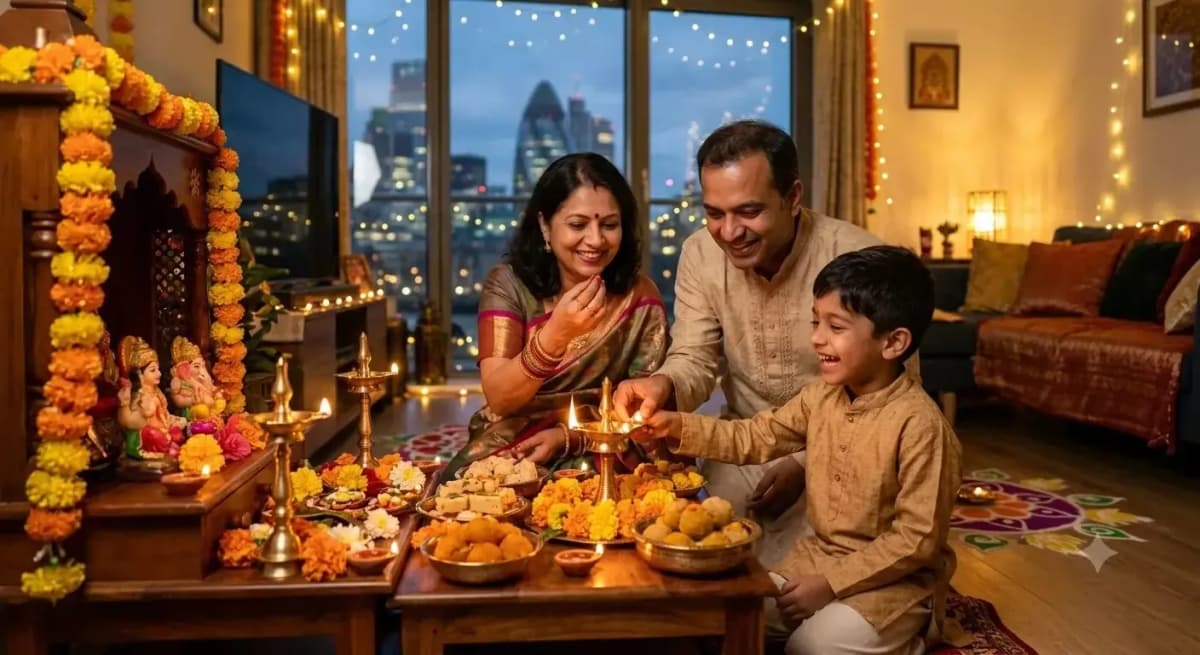
Diwali Celebrations in Indian Temples 2026: A Comprehensive Guide to the Festival of Lights
A complete 2026 guide to Diwali in India's temples, covering the five-day festival, key rituals, famous shrines, and visitor tips for the Festival of Lights.
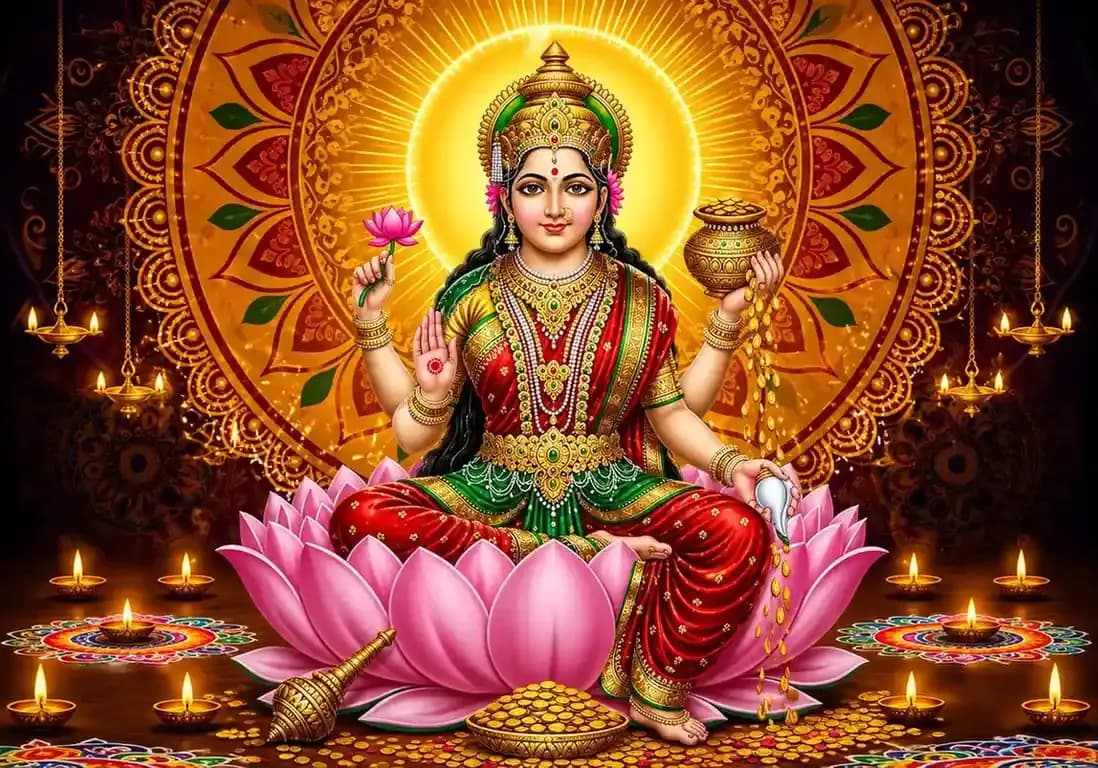
A complete 2026 guide to Diwali in India's temples, covering the five-day festival, key rituals, famous shrines, and visitor tips for the Festival of Lights.
Quick answer: Diwali 2026 spans five days from Dhanteras on 6 November to Bhai Dooj on 10 November, with the main Lakshmi Puja on Sunday 8 November. Across India, temples light lamps, perform special aartis, and welcome devotees seeking prosperity, protection, and spiritual renewal.
Diwali, the Festival of Lights, is among the most cherished celebrations in the Hindu calendar, and in 2026 it once again transforms temples across India into radiant centres of devotion. Rows of oil lamps, fragrant flowers, and the sound of bells and chanting mark a season that honours light triumphing over darkness and knowledge over ignorance. This comprehensive guide walks devotees and visitors through the 2026 dates, temple rituals, famous shrines, and practical tips for experiencing Diwali in its most sacred settings.
When Is Diwali 2026? The Five-Day Festival
Diwali is not a single day but a five-day festival, each day carrying its own meaning and rituals. The celebrations move from welcoming wealth and health to the central worship of Goddess Lakshmi, followed by community gratitude and family bonds. Below are the confirmed dates for the 2026 observance.
| Day | Occasion | Date 2026 |
|---|---|---|
| Day 1 | Dhanteras | Friday 6 November 2026 |
| Day 2 | Naraka Chaturdasi / Choti Diwali | Saturday 7 November 2026 |
| Day 3 | Diwali / Lakshmi Puja (main day) | Sunday 8 November 2026 |
| Day 4 | Govardhan Puja / Annakut | Monday 9 November 2026 |
| Day 5 | Bhai Dooj | Tuesday 10 November 2026 |
The main Diwali day in 2026 falls on Sunday 8 November, which many devotees consider especially auspicious as it aligns with a weekend, allowing families more time for temple visits and home worship. Exact muhurat timings vary by region, so check your local temple or panchang announcements closer to the date.
The Spiritual Meaning of Diwali
Diwali celebrates several sacred narratives. For many, it marks the return of Lord Rama to Ayodhya after fourteen years of exile and his victory over Ravana, when the city was lit with lamps to welcome him home. For others it centres on the worship of Goddess Lakshmi, the bestower of prosperity, and for some communities it honours the victory of good over evil through Lord Krishna's defeat of the demon Narakasura. Temples weave these themes into their rituals throughout the five days.
Temple Rituals During Diwali 2026
Indian temples observe Diwali with heightened devotion. While specifics differ by tradition and region, several core rituals are common across most shrines during the festival.
- Deepa alankaram: lighting rows of oil lamps (diyas) along temple walls, towers, and courtyards
- Special Lakshmi Puja on the main day, inviting the goddess of wealth and well-being into the sanctum and homes
- Elaborate abhishekam and floral decoration of the presiding deity
- Extended aartis with additional recitation of stotras and bhajans
- Annakut on Govardhan Puja, where mountains of food are offered to the deity as a gesture of gratitude
- Distribution of prasadam and blessed lamps to devotees
Devotees often recite well-known prayers such as the Shri Lakshmi ashtakam and the Deepavali-related verses invoking light and prosperity. Rather than reproducing long stotras here, worshippers are encouraged to follow the recitations led by temple priests, who guide the congregation through the correct sequence.
Famous Temples Known for Diwali Celebrations
Many revered shrines across India become focal points of devotion during Diwali. The following are widely celebrated for their festive atmosphere; always confirm 2026 timings and any special arrangements through official temple announcements.
| Temple | Location | Significance |
|---|---|---|
| Golden Temple (Harmandir Sahib) | Amritsar, Punjab | Illuminated with thousands of lamps for Bandi Chhor Divas, coinciding with Diwali |
| Kashi Vishwanath Temple | Varanasi, Uttar Pradesh | Ghats and temple aglow with lamps; Dev Deepawali follows soon after |
| Lakshmi temples | Across India | Central to Lakshmi Puja on the main Diwali day |
| Ram temple | Ayodhya, Uttar Pradesh | Associated with Lord Rama's return, the origin story of Diwali lamps |
| Kshetrapal and Krishna temples | Various regions | Govardhan Puja and Annakut offerings on day four |
Regional Variations
In South India, the festival is often called Deepavali and centres more on Naraka Chaturdasi and the pre-dawn ritual oil bath. In North India, Lakshmi Puja on the main evening dominates, while in western states like Gujarat the day after Diwali marks the new year. Temples reflect these regional emphases in their programmes.
Visitor Tips for Temple Diwali 2026
Diwali draws large crowds, so planning ahead makes for a smoother and more meaningful visit. Keep these practical points in mind.
- Arrive early, especially for the main day on 8 November, as darshan queues grow long by evening
- Check the temple's official website or notice board for 2026 aarti and puja timings, which can change during the festival
- Dress modestly and follow the temple dress code; carry a shawl for early-morning or late-evening visits
- Remove footwear at designated areas and keep valuables secure in crowded spaces
- Respect photography restrictions, particularly inside the sanctum
- Carry offerings such as flowers, lamps, or sweets if the temple permits, and follow priests' guidance for rituals
- Stay hydrated and be patient in queues, keeping children close in the crowds
- Main Diwali daySunday 8 November 2026
- Festival duration6 to 10 November 2026
- Presiding deityGoddess Lakshmi (Lakshmi Puja)
- Best time to visitEarly morning or dusk aarti
Bringing the Temple Spirit Home
Even devotees who cannot visit a temple can honour Diwali 2026 by lighting lamps at home, performing Lakshmi Puja on the evening of 8 November, drawing rangoli at the doorway, and sharing sweets with family and neighbours. The essence of the festival lies in cultivating inner light, gratitude, and goodwill, wherever one worships.
Related
See the main Diwali 2026 complete guide for the five-day dates, Lakshmi Puja muhurat and full rituals.
Frequently Asked Questions
When is Diwali in 2026?
The main Diwali day, Lakshmi Puja, falls on Sunday 8 November 2026. The full five-day festival runs from Dhanteras on 6 November to Bhai Dooj on 10 November 2026.
What are the five days of Diwali 2026?
They are Dhanteras on 6 November, Naraka Chaturdasi on 7 November, Diwali and Lakshmi Puja on 8 November, Govardhan Puja on 9 November, and Bhai Dooj on 10 November 2026.
Why is Diwali called the Festival of Lights?
Diwali celebrates the triumph of light over darkness and knowledge over ignorance. Devotees light rows of oil lamps, or diyas, at temples and homes to welcome prosperity and dispel negativity.
Which deity is worshipped on the main Diwali day?
Goddess Lakshmi, the bestower of wealth and well-being, is the central deity of Lakshmi Puja on the main Diwali evening. Many also honour Lord Ganesha alongside her.
Which temples are famous for Diwali celebrations?
The Golden Temple in Amritsar, Kashi Vishwanath in Varanasi, the Ram temple in Ayodhya, and Lakshmi temples across India are widely known for their Diwali festivities. Confirm 2026 timings with each temple.
What rituals do temples perform during Diwali?
Temples light rows of lamps, perform special Lakshmi Puja, conduct abhishekam and floral decoration, recite stotras and bhajans, offer Annakut on Govardhan Puja, and distribute prasadam to devotees.
What is the best time to visit a temple during Diwali 2026?
Early morning or the dusk aarti are ideal, as crowds are lighter and the lamp displays are most striking. On the main day, arriving early helps avoid long evening queues.
How can I celebrate Diwali at home in 2026?
Light diyas, perform Lakshmi Puja on the evening of 8 November, draw a rangoli at your doorway, offer sweets, and share goodwill with family. The heart of Diwali is inner light and gratitude.
You might also like
Diwali 2026 in Nepal: Date, Lakshmi Puja Muhurat & City-by-City Celebration Guide

Jagaddhatri Puja 2026: Dates, Chandannagar's Dazzling Lights & Significance
Champa Shashthi 2026: Date, Khandoba Worship & Jejuri's Golden Festival