

Diwali Crackers Guidelines in Mumbai and Maharashtra 2026: Complete Rules and Safety Tips
A clear, practical guide to Diwali 2026 firecracker rules in Mumbai and Maharashtra, covering permitted crackers, timings, safety tips and greener celebration ideas.
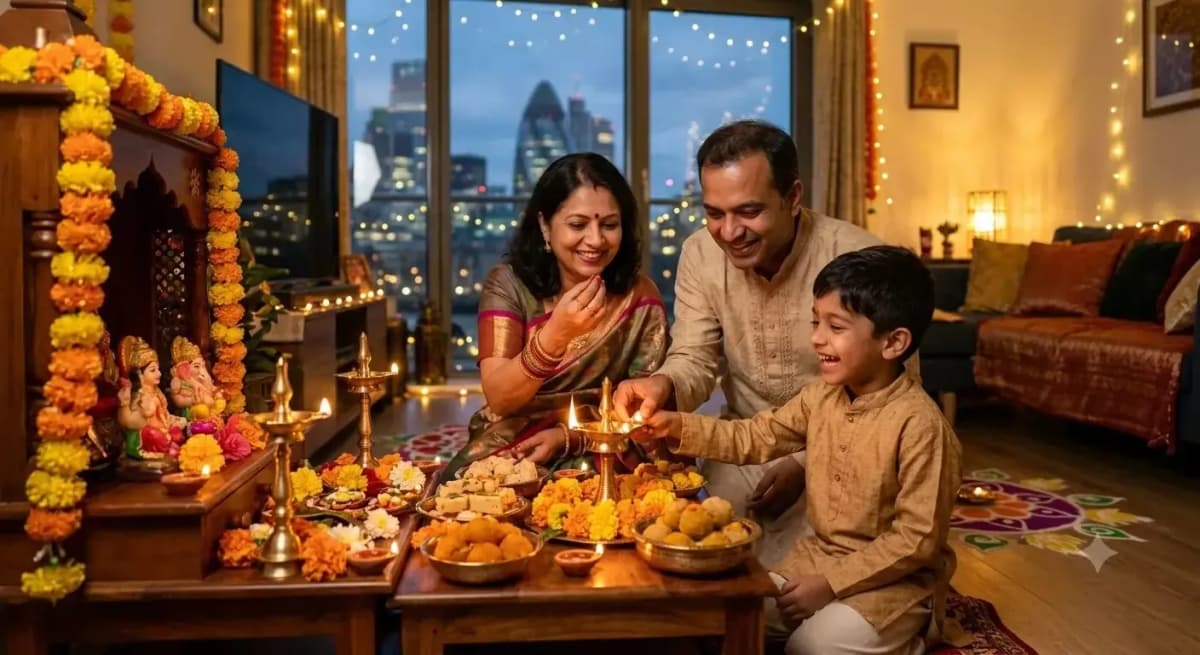
A clear, practical guide to Diwali 2026 firecracker rules in Mumbai and Maharashtra, covering permitted crackers, timings, safety tips and greener celebration ideas.
Quick answer: For Diwali 2026 in Mumbai and Maharashtra, only approved green crackers are generally permitted, with bursting usually allowed for limited evening hours around the main Diwali night on 8 November 2026. Always confirm exact timings, permitted zones and rules through official local announcements before celebrating.
Diwali is the most luminous festival of the Hindu calendar, and in Mumbai and across Maharashtra it is celebrated with lamps, rangoli, sweets, Lakshmi Puja and, for many families, firecrackers. In recent years, however, firecracker use has been shaped by court directions, pollution-control norms and civic guidelines aimed at protecting air quality, public health and safety. This guide explains the general firecracker rules and safety practices for Diwali 2026 so you can celebrate joyfully and responsibly.
Diwali 2026 Dates for Mumbai and Maharashtra
Knowing the exact festival dates helps you plan celebrations and understand when firecracker restrictions typically apply. Here are the Diwali 2026 dates observed across Maharashtra.
| Day | Date |
|---|---|
| Dhanteras | Friday 6 November 2026 |
| Naraka Chaturdasi / Choti Diwali | Saturday 7 November 2026 |
| Diwali / Lakshmi Puja (main day) | Sunday 8 November 2026 |
| Govardhan Puja / Annakut | Monday 9 November 2026 |
| Bhai Dooj | Tuesday 10 November 2026 |
The main Diwali night falls on Sunday 8 November 2026, which is considered especially auspicious. Most firecracker activity peaks around Choti Diwali and the main Diwali night.
Why Firecracker Rules Exist
Firecracker regulations in Mumbai and Maharashtra are guided by Supreme Court directions, National Green Tribunal orders and pollution-control board norms. The core aims are to reduce air and noise pollution, protect vulnerable groups such as children, elderly people and those with respiratory conditions, and prevent fire and injury accidents. These rules do not seek to end celebration; they encourage a safer, cleaner Diwali.
Permitted Firecrackers: Green Crackers
In line with recent national directions, only approved green crackers are generally permitted, while conventional high-polluting and barium-based crackers are discouraged or banned. Green crackers are designed to release fewer harmful emissions and lower noise.
- Green crackers approved by recognised national research and standards bodies
- Reduced-emission variants that produce less smoke and particulate matter
- Lower-decibel crackers that stay within permissible noise limits
- Crackers carrying a proper QR code or authorised marking, where required
Series crackers, commonly called ladi or joined strings, and extremely loud high-decibel crackers are typically restricted. Always buy from licensed sellers and check for genuine approval marks.
Timing Restrictions
Authorities usually permit firecracker bursting only during a limited evening window on the main Diwali days, rather than late into the night. Exact permitted hours for 2026 are announced close to the festival by civic and pollution-control authorities.
- Bursting is generally allowed for a fixed number of evening hours around the main Diwali night of 8 November 2026
- Late-night and early-morning bursting is normally prohibited to reduce noise disturbance
- Silence zones near hospitals, schools, courts and religious places usually remain off-limits
- Confirm the exact permitted timing window through official 2026 announcements before you celebrate
Where Firecrackers Are Restricted
- Within 100 metres of hospitals, nursing homes and clinics
- Near schools, colleges and examination centres
- Around courts and government-notified silence zones
- In crowded markets, narrow lanes and areas with fire-safety concerns
- Inside housing societies where committees have set their own additional rules
Firecracker Safety Tips
Most Diwali injuries are preventable with simple precautions. Follow these safety practices whenever crackers are used.
- Burst crackers only in open, clear spaces away from vehicles, buildings and dry material
- Keep buckets of water, sand and a first-aid kit within reach
- Let an adult supervise children at all times and keep a safe distance
- Wear cotton clothing, avoid loose synthetic fabric, and tie back long hair
- Light one cracker at a time and never relight a dud; soak it in water instead
- Store crackers in a closed box away from lamps, diyas and candles
- Keep pets indoors, as loud sounds cause them severe distress
Eco-Friendly Diwali Alternatives
Many Mumbai and Maharashtra families are choosing quieter, greener celebrations that keep the festival's spirit alive while protecting the environment.
- Decorate homes with clay diyas, oil lamps and LED lighting
- Draw colourful rangoli using natural colours and flower petals
- Celebrate community Lakshmi Puja and share sweets with neighbours
- Choose light-and-sound-free festivities such as lantern displays
- Support local artisans by buying handmade diyas and decorations
- Prefer a small number of green crackers over large, noisy quantities
Devotional Heart of Diwali
Beyond crackers, Diwali is fundamentally about the victory of light over darkness and the worship of Goddess Lakshmi for prosperity and well-being. Lighting a single lamp with devotion and reciting simple, well-known prayers such as the Lakshmi mantra 'Om Shreem Mahalakshmyai Namah' carries the true essence of the festival far more than any firework.
Before You Celebrate: Checklist
- Main Diwali nightSunday 8 November 2026
- Permitted crackersApproved green crackers only
- TimingLimited evening hours; confirm locally
- Restricted zonesHospitals, schools, silence zones
- SourceLicensed sellers with approval marks
- PrioritySafety, clean air and devotion
Rules and permitted timings can change each year and may vary between Mumbai, Pune and other districts. Always verify the latest 2026 guidelines through official civic, police and pollution-control announcements, and follow any additional rules set by your housing society or locality.
Related
See the main Diwali 2026 complete guide for the five-day dates, Lakshmi Puja muhurat and full rituals.
Frequently Asked Questions
Are firecrackers allowed in Mumbai for Diwali 2026?
Yes, but generally only approved green crackers are permitted, and bursting is usually allowed only during a limited evening window. Conventional high-polluting and very loud crackers are restricted. Confirm the exact 2026 rules through official local announcements.
What are green crackers?
Green crackers are firecrackers approved by recognised standards and research bodies that release fewer harmful emissions and produce lower noise than conventional crackers. They aim to reduce air and noise pollution while still allowing celebration.
What time can I burst crackers on Diwali 2026?
Authorities typically permit bursting only during a fixed evening window around the main Diwali night of 8 November 2026, not late into the night. The exact permitted hours are announced close to the festival, so check official notices.
Where are firecrackers banned in Maharashtra?
Firecrackers are usually banned near hospitals, schools, courts, religious places and notified silence zones, and in crowded or fire-prone areas. Many housing societies also set their own additional restrictions.
Which crackers are not allowed?
Conventional barium-based crackers, extremely loud high-decibel crackers and long joined series crackers are typically discouraged or banned. Only genuine approved green crackers from licensed sellers are generally allowed.
What safety precautions should I take?
Burst crackers in open spaces, keep water and sand nearby, supervise children, wear cotton clothing, light one cracker at a time, never relight a dud, and keep pets safely indoors.
What are good eco-friendly Diwali alternatives?
Decorate with clay diyas and LED lights, draw natural rangoli, share sweets, enjoy Lakshmi Puja together, and choose a few green crackers over large noisy quantities to keep the festival clean and peaceful.
When is the main Diwali day in 2026?
The main Diwali and Lakshmi Puja day in 2026 falls on Sunday 8 November 2026, which is considered especially auspicious. Dhanteras is on 6 November and Bhai Dooj on 10 November 2026.
You might also like
Diwali 2026 in Nepal: Date, Lakshmi Puja Muhurat & City-by-City Celebration Guide
Navratri 2026: 9 Days, Colors, Goddess Names, Puja & Significance
Jagaddhatri Puja 2026: Dates, Chandannagar's Dazzling Lights & Significance