Diwali Crackers Guidelines in West Bengal 2026: Complete Rules and Safety Tips for Festive Celebrations
A complete 2026 guide to Diwali cracker rules in West Bengal, covering permitted green crackers, bursting timings, WBPCB directions, safety tips and eco-friendly ways to celebrate.
A complete 2026 guide to Diwali cracker rules in West Bengal, covering permitted green crackers, bursting timings, WBPCB directions, safety tips and eco-friendly ways to celebrate.
Quick answer: In West Bengal for Diwali 2026, only certified green crackers are permitted, and bursting is generally allowed for a fixed two-hour window on the festival night set by the WBPCB. Banned and high-decibel firecrackers remain prohibited, so always follow the latest official state notification.
Diwali is the festival of light, joy and shared celebration, and for many families in West Bengal the sound and sparkle of crackers is part of the memory. In 2026, as in recent years, the way we celebrate has changed to protect our air, our neighbours and especially our children and elders. This guide explains the crackers guidelines, timings and safety practices for Diwali 2026 in West Bengal so you can enjoy the festival responsibly and lawfully.
Diwali 2026 falls on Sunday 8 November 2026, with Dhanteras on Friday 6 November, Naraka Chaturdasi (Choti Diwali) on Saturday 7 November, Govardhan Puja on Monday 9 November and Bhai Dooj on Tuesday 10 November. In West Bengal, Kali Puja is observed on the Diwali night, so celebrations and cracker use typically centre on the night of 8 November.
The Spirit of Diwali: Light Over Noise
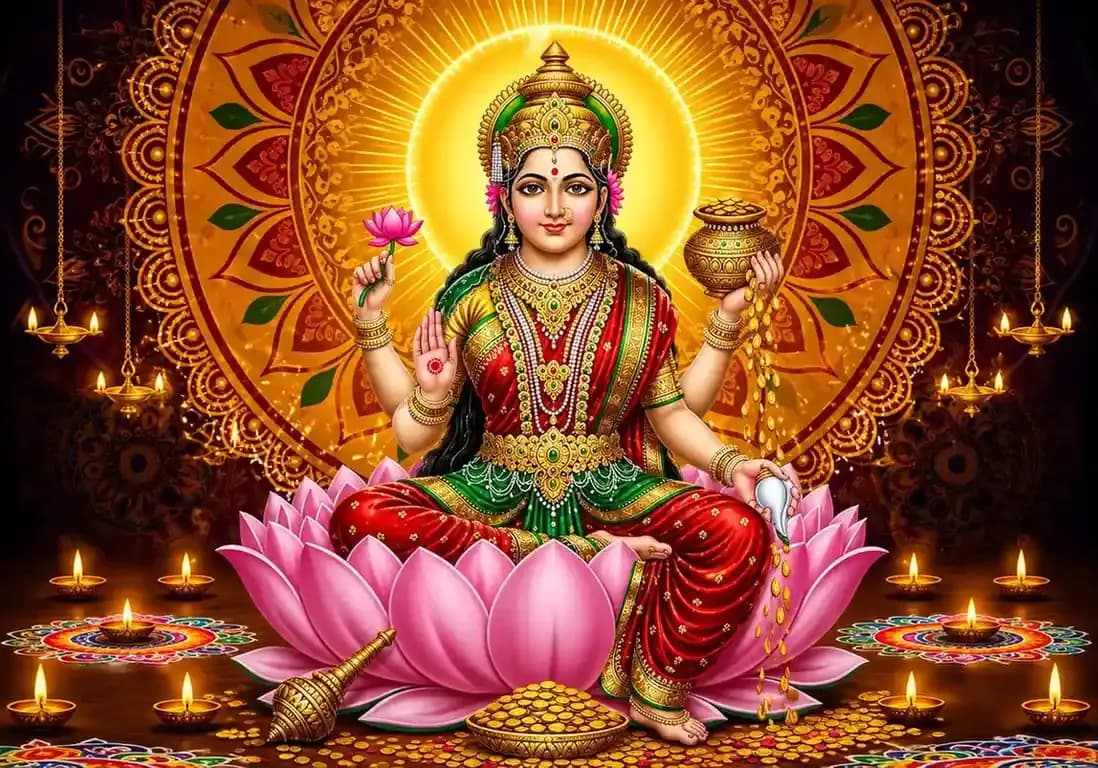
The heart of Diwali is the lighting of diyas, the worship of Goddess Lakshmi and, in Bengal, the worship of Goddess Kali. The festival symbolises the triumph of light over darkness and knowledge over ignorance. Crackers are a joyful addition, but they are not the essence of the festival. Celebrating with more diyas, rangoli and prayer, and fewer loud crackers, keeps the true spirit alive while caring for the community.
What the WBPCB Rules Mean for 2026
The West Bengal Pollution Control Board (WBPCB) issues directions each year on which crackers are allowed, the permitted decibel limits and the exact bursting window. These directions follow Supreme Court and National Green Tribunal orders on firecrackers and are updated close to the festival. For Diwali 2026, always read the latest WBPCB notification and any District Magistrate or police announcements for your area before buying or bursting crackers.
Green Crackers Only
Only certified green crackers are permitted. Green crackers are formulated to reduce harmful emissions and are typically identified by a QR code and the manufacturer's certification. Traditional high-emission and high-noise crackers are not allowed. Buy only from licensed sellers and keep your receipt.
Bursting Timings
Cracker bursting is restricted to a fixed window on the festival night, commonly a two-hour slot fixed by the authorities. This same restriction pattern usually applies to Kali Puja, Chhath and year-end celebrations, each with its own designated hours. Bursting outside the permitted window is an offence, so confirm the exact 2026 timings from the official notification for your district.
Quick Reference: Diwali 2026 Dates in West Bengal
| Occasion | Date (2026) |
|---|---|
| Dhanteras | Friday 6 November 2026 |
| Naraka Chaturdasi / Choti Diwali | Saturday 7 November 2026 |
| Diwali / Lakshmi Puja / Kali Puja | Sunday 8 November 2026 |
| Govardhan Puja / Annakut | Monday 9 November 2026 |
| Bhai Dooj | Tuesday 10 November 2026 |
What Is Permitted and What Is Not
- Permitted: Certified green crackers bought from licensed vendors, used only within the permitted time window.
- Not permitted: Banned high-decibel firecrackers, series or joined crackers (laris/chains), and any crackers exceeding the notified sound limit.
- Not permitted: Bursting near hospitals, nursing homes, courts, schools and religious places, and in any declared silence zone.
- Not permitted: Online sale of banned crackers and use of crackers outside the permitted hours.
Cracker Safety Protocols
- Burst crackers only in open outdoor spaces, away from buildings, vehicles, dry leaves and gas cylinders.
- Keep a bucket of water and sand ready nearby to douse sparks and dispose of used crackers.
- Light one cracker at a time using a long agarbatti or sparkler holder; never bend directly over a lit cracker.
- Keep children under adult supervision at all times and maintain a safe distance after lighting.
- Wear cotton clothes rather than loose synthetic fabrics, and tie back long hair.
- Never relight a cracker that failed to ignite; wait, then soak it in water before disposal.
- Keep first-aid, clean water and burn ointment on hand, and know the way to the nearest hospital.
Protecting Health and the Vulnerable
Loud crackers and heavy smoke are hardest on infants, elderly relatives, pregnant women, people with asthma or heart conditions, and pets. Keep windows closed for those who are sensitive, avoid bursting near their rooms, and comfort frightened animals in a quiet, closed space. A little consideration keeps the festival joyful for everyone in the neighbourhood.
Eco-Friendly Ways to Celebrate
- Light rows of clay diyas and oil lamps, the most traditional and beautiful form of Diwali illumination.
- Create colourful rangoli and alpana at your doorstep to welcome Goddess Lakshmi.
- Choose community light displays and shared celebrations over individual heavy cracker use.
- Prefer low-smoke, low-noise green sparklers if you use crackers at all.
- Support local artisans by buying handmade diyas, lamps and decorations.
Penalties and Being a Responsible Citizen
Using banned crackers or bursting outside the permitted window can attract legal action, fines and seizure under the applicable rules and police directions. Beyond the law, responsible celebration is a devotional act in itself: honouring the light of Diwali by keeping our air clean and our neighbours safe. Report banned cracker sales to the local police if you encounter them, and encourage friends and family to celebrate a greener festival.
Before You Buy or Burst: A Final Checklist
- Buy onlyCertified green crackers from licensed sellers
- CheckLatest WBPCB and district notification for 2026
- TimingsBurst only within the officially permitted window
- AvoidSilence zones near hospitals, schools and temples
- Keep readyWater, sand, first-aid and adult supervision
- Best choiceDiyas, rangoli and low-noise celebration
Related
See the main Diwali 2026 complete guide for the five-day dates, Lakshmi Puja muhurat and full rituals.
Frequently Asked Questions
When is Diwali 2026 celebrated in West Bengal?
Diwali 2026 falls on Sunday 8 November 2026. In West Bengal, Kali Puja is also observed on this night, with Dhanteras on 6 November, Choti Diwali on 7 November, Govardhan Puja on 9 November and Bhai Dooj on 10 November.
Are firecrackers allowed in West Bengal for Diwali 2026?
Only certified green crackers are permitted, and they may be burst only within the time window fixed by the authorities. Banned and high-decibel crackers are not allowed. Always confirm the latest WBPCB notification for 2026.
What are green crackers?
Green crackers are certified firecrackers formulated to produce lower emissions and reduced noise than traditional crackers. They usually carry a QR code and manufacturer certification. Buy them only from licensed sellers.
What are the permitted timings for bursting crackers?
Cracker bursting is generally restricted to a fixed window on the festival night, often a two-hour slot set by the authorities. The exact 2026 timings are announced close to the festival, so check the official WBPCB or district notification.
Where is it not allowed to burst crackers?
Crackers must not be burst near hospitals, nursing homes, schools, courts and religious places, or in any declared silence zone. They should also never be used indoors or close to inflammable materials.
What safety steps should families take with crackers?
Burst crackers only in open spaces, keep water and sand ready, light one at a time with a long holder, supervise children, wear cotton clothes and never relight a failed cracker. Keep first-aid and a hospital route in mind.
What are good eco-friendly alternatives to crackers?
Light clay diyas and oil lamps, create rangoli and alpana, enjoy community light displays, choose low-noise green sparklers, and support local artisans. These honour the true spirit of Diwali while protecting air quality.
What happens if banned crackers are used?
Using banned crackers or bursting outside permitted hours can lead to fines, seizure and legal action under the applicable rules and police directions. Responsible, lawful celebration keeps the community safe and healthy.
You might also like
Diwali 2026 in Nepal: Date, Lakshmi Puja Muhurat & City-by-City Celebration Guide
Bathukamma & Dasara 2026 in Canada: Dates, Telangana Association Celebrations & City-by-City Guide
Bathukamma and Dasara 2026 in Australia: Dates, Telangana Association Celebrations, Muhurat and City-by-City Guide