

Diwali Fireworks Rules in Australia 2026: Essential Guide for NRIs on Crackers Regulations
A practical 2026 guide to Australia's state-by-state fireworks and cracker regulations for NRIs, with safety protocols and legal, community-friendly ways to celebrate Diwali on 8 November 2026.
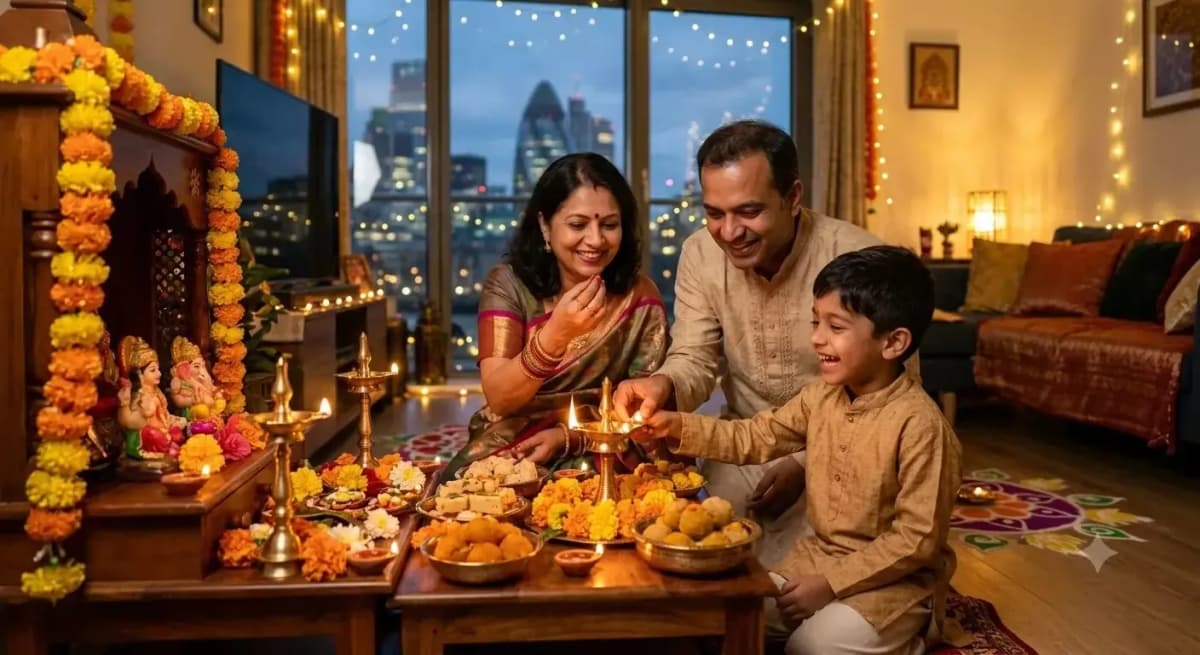
A practical 2026 guide to Australia's state-by-state fireworks and cracker regulations for NRIs, with safety protocols and legal, community-friendly ways to celebrate Diwali on 8 November 2026.
Quick answer: In Australia, private fireworks are largely banned; only licensed operators may set off crackers. For Diwali 2026 (main day Sunday 8 November), NRIs should attend approved public displays, avoid buying illegal crackers, and celebrate with diyas, rangoli, and Lakshmi Puja at home or the temple.
Diwali, the Festival of Lights, falls on Sunday 8 November 2026, with Dhanteras on Friday 6 November and Bhai Dooj on Tuesday 10 November. For the growing Indian diaspora across Australia, the festival is a joyful time of Lakshmi Puja, sweets, family gatherings and shared light. Yet one cherished tradition, bursting crackers, is tightly regulated here, and many NRIs are surprised by how different the rules are from India.
This guide explains, in plain terms, how fireworks and cracker laws work across Australian states and territories in 2026, what is legal for individuals, and how you can honour the spirit of Diwali without falling foul of the law. Always treat this as general, evergreen guidance and confirm exact 2026 arrangements with your local council, temple, or community association.
Why Fireworks Are Restricted in Australia
Australia treats fireworks primarily as a public-safety and fire-risk matter rather than a household activity. With hot, dry conditions common in spring and summer, authorities are cautious about anything that could spark a bushfire. As a result, most states ban members of the public from buying, possessing, or letting off fireworks entirely. Displays are instead handled by licensed pyrotechnicians at approved, supervised events.
For NRIs, the key mindset shift is this: in Australia, a beautiful fireworks display is something you attend, not something you set off in your own driveway. Understanding this early helps you plan a Diwali celebration that is both festive and fully compliant.
State-by-State Fireworks Rules for Diwali 2026
Regulations differ significantly between states and territories, and they can change year to year. The summary below reflects the general, long-standing position; always verify current rules for 2026 with the relevant state authority before making any plans.
| State / Territory | General Position on Personal Fireworks |
|---|---|
| New South Wales | Banned for the public; only licensed operators may hold displays. |
| Victoria | Banned for the public; a license or permit is required to buy or use fireworks. |
| Queensland | Banned for the public; only licensed operators and approved events permitted. |
| Western Australia | Strictly controlled; personal use generally prohibited without a permit. |
| South Australia | Banned for the public; licensed operators only. |
| Tasmania | Permit-based; individuals need a specific permit, which is limited. |
| Australian Capital Territory | Personal fireworks banned outright for many years. |
| Northern Territory | More permissive on Territory Day only; otherwise restricted. |
Note that even where a permit pathway exists, it is designed for professionals and organised events, not casual home use. Buying crackers online or bringing them from overseas can breach both fireworks and dangerous-goods laws, and may attract heavy fines or confiscation.
Safety Protocols If You Attend a Display
The safest and most rewarding option for most NRI families is to attend an approved public fireworks display or a community Diwali event. If your temple, cultural association, or local council organises one for Diwali 2026, follow the crowd-safety guidance provided by organisers.
- Keep a safe distance from the launch area and stay behind marked barriers.
- Supervise children closely and never let them handle sparklers unsupervised.
- Follow all instructions from event marshals and licensed operators.
- Have a plan to meet family members if you are separated in a crowd.
- Never pick up unexploded or spent fireworks debris after an event.
Legal, Beautiful Alternatives to Crackers
The heart of Diwali is light triumphing over darkness, and there are many joyful, legal ways to express this. These alternatives are quieter, safer, kinder to pets and asthma sufferers, and welcomed by neighbours of every background.
- Line your home and balcony with diyas (oil lamps) and LED fairy lights.
- Create colourful rangoli at your entrance using rice flour or coloured powders.
- Host a family Lakshmi Puja and read or recite well-known prayers to Goddess Lakshmi.
- Use eco-friendly electric or battery candles where open flames are not allowed.
- Attend a community Diwali mela or the temple for shared aarti and celebration.
A Simple Diwali 2026 Plan for NRI Families
- 6 November 2026 (Dhanteras): Buy something auspicious such as metal utensils or gold, and light your first diyas.
- 7 November 2026 (Choti Diwali): Clean and decorate the home, set out rangoli, and prepare sweets.
- 8 November 2026 (Diwali / Lakshmi Puja): Perform Lakshmi Puja in the evening; this year the main day falls on a Sunday, considered especially auspicious.
- 9 November 2026 (Govardhan Puja): Prepare an Annakut offering and share food with family and community.
- 10 November 2026 (Bhai Dooj): Celebrate the bond between brothers and sisters with tilak and blessings.
- Main Diwali Day 2026Sunday, 8 November 2026
- Personal fireworksGenerally banned nationwide
- Best legal celebrationDiyas, rangoli, puja, community events
- Always confirm withLocal council, temple, community association
Respecting Neighbours and the Community
Celebrating within the law also builds goodwill. Many Australians love learning about Diwali, and a warmly lit home, shared sweets, and an invitation to a community event do far more to spread the festival's message than crackers ever could. When we celebrate responsibly, we honour both Goddess Lakshmi and the country that has become our home.
May the lamps of Diwali 2026 fill your home with prosperity, health, and peace. Check your local temple and community announcements closer to November for exact event details, and celebrate the Festival of Lights safely and joyfully.
Related
See the main Diwali 2026 complete guide for the five-day dates, Lakshmi Puja muhurat and full rituals.
Frequently Asked Questions
Can NRIs set off fireworks at home for Diwali in Australia?
No. In almost every Australian state and territory, personal fireworks are banned for members of the public. Only licensed operators may set them off at approved events, so home crackers for Diwali are not permitted.
When is Diwali 2026 in Australia?
The main Diwali day and Lakshmi Puja fall on Sunday 8 November 2026. Dhanteras is on 6 November, Choti Diwali on 7 November, Govardhan Puja on 9 November, and Bhai Dooj on 10 November 2026.
Is it legal to buy crackers online and use them for Diwali?
Generally no. Buying, importing, or possessing fireworks without the appropriate license breaches state fireworks and dangerous-goods laws in most of Australia, and can result in fines or confiscation.
Which state has the most relaxed fireworks rules?
The Northern Territory is more permissive, but mainly around Territory Day, not Diwali. Everywhere else, personal fireworks are heavily restricted or banned, so plan for a cracker-free celebration.
What are safe, legal ways to celebrate Diwali crackers-style?
Light diyas and LED lights, create rangoli, use electric candles, and attend approved public fireworks displays or community Diwali events organised by temples or councils.
Are sparklers allowed for children during Diwali?
Rules on sparklers vary and some are classed as fireworks. Always check your state's regulations, and if permitted, ensure children use them only under close adult supervision.
Where can I find approved Diwali fireworks displays in 2026?
Watch for announcements from your local temple, Indian community association, or city council. These organisations often arrange licensed displays or Diwali melas closer to November 2026.
What is the spiritual meaning of Diwali beyond fireworks?
Diwali celebrates the victory of light over darkness and good over evil, and welcomes Goddess Lakshmi for prosperity. Lighting diyas, performing puja, and sharing joy capture this meaning fully, with or without crackers.
You might also like
Diwali 2026 in Nepal: Date, Lakshmi Puja Muhurat & City-by-City Celebration Guide
Bathukamma and Dasara 2026 in Australia: Dates, Telangana Association Celebrations, Muhurat and City-by-City Guide
Navratri 2026: 9 Days, Colors, Goddess Names, Puja & Significance