

Diwali in Europe 2026: A Vibrant Festival of Lights Across the Continent
A devotional guide to celebrating Diwali across Europe in 2026, with the five-day dates, Lakshmi Puja on 8 November, rituals, and city-by-city guidance.
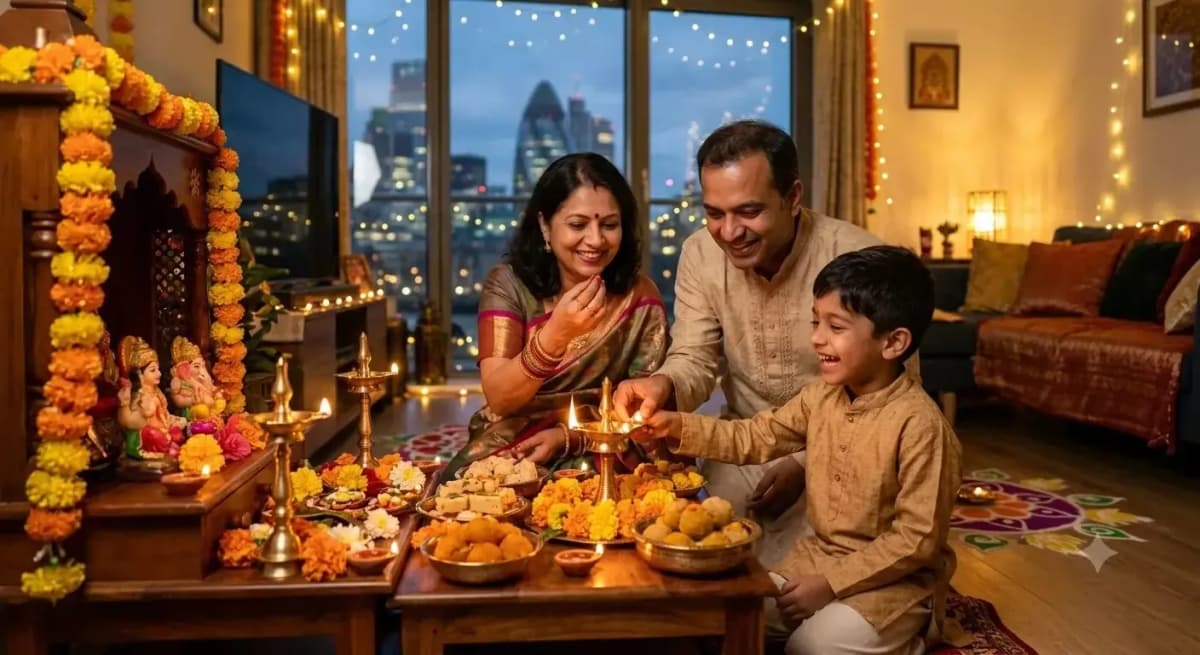
A devotional guide to celebrating Diwali across Europe in 2026, with the five-day dates, Lakshmi Puja on 8 November, rituals, and city-by-city guidance.
Quick answer: Diwali 2026 in Europe is celebrated over five days, with the main Lakshmi Puja on Sunday 8 November 2026. Hindu communities across the UK, Germany, France, the Netherlands and beyond light diyas, decorate homes, and gather at temples for prayers, sweets and shared festivity.
Diwali, the Hindu Festival of Lights, brings warmth and radiance to Europe every autumn, and 2026 is no exception. As the nights grow long across the continent, homes and temples from London to Berlin glow with rows of diyas, strings of lights, and the quiet devotion of Lakshmi Puja. For the Hindu diaspora scattered across Europe, Diwali is both a spiritual homecoming and a joyful public celebration of light triumphing over darkness.
This guide walks through the five days of Diwali 2026, the meaning behind each day, how the festival is observed across major European cities, and how families keep the traditions alive far from India. Always confirm exact 2026 event details, timings and venues with your local temple or community organisation, as these are announced closer to the festival.
Diwali 2026 Dates in Europe
Diwali unfolds over five days, each with its own rituals and significance. The main day of Diwali and Lakshmi Puja falls on Sunday 8 November 2026, an especially auspicious occasion as it lands on a Sunday, giving many families across Europe a free day to gather and worship together.
| Day | Festival | Date 2026 |
|---|---|---|
| Day 1 | Dhanteras | Friday 6 November 2026 |
| Day 2 | Naraka Chaturdasi / Choti Diwali | Saturday 7 November 2026 |
| Day 3 | Diwali / Lakshmi Puja | Sunday 8 November 2026 |
| Day 4 | Govardhan Puja / Annakut | Monday 9 November 2026 |
| Day 5 | Bhai Dooj | Tuesday 10 November 2026 |
In the European autumn, sunset arrives early, which means the evening lighting of diyas and lamps feels all the more luminous against the darkening skies. Many communities time their temple aartis and cultural programmes for the weekend around 8 November to maximise family and community participation.
The Meaning Behind the Five Days
Each day of Diwali carries its own devotional theme, and understanding them deepens the celebration for families keeping the tradition alive in Europe.
- Dhanteras honours Goddess Lakshmi and Lord Dhanvantari; devotees clean their homes, buy metals or utensils, and invite prosperity for the year ahead.
- Naraka Chaturdasi, or Choti Diwali, marks the victory of good over evil and is a day of early morning cleansing rituals and smaller lamp lightings.
- Diwali and Lakshmi Puja is the main day, when families worship Goddess Lakshmi and Lord Ganesha for wealth, wisdom and wellbeing.
- Govardhan Puja and Annakut commemorate Lord Krishna lifting Govardhan Hill, celebrated with a mountain of offered food.
- Bhai Dooj celebrates the bond between brothers and sisters, echoing the affection of Yama and Yamuna.
How Europe Celebrates Diwali
Across Europe, Diwali is observed both privately at home and publicly through temple gatherings, cultural festivals, and civic events. Cities with established Indian and South Asian communities often host lamp lightings, music and dance performances, and shared feasts, while temples hold special pujas and langar-style meals.
United Kingdom
The UK hosts some of Europe's largest Diwali celebrations, with vibrant festivities in London, Leicester and Birmingham. Leicester's Golden Mile is especially known for its street lighting and community gatherings. Temples across the country hold Lakshmi Puja and annakut displays. Check local council and temple announcements for exact 2026 programmes.
Germany, France and the Netherlands
In Germany, cities such as Berlin, Frankfurt and Hamburg see temple celebrations and cultural events organised by Hindu and Indian associations. France, particularly Paris, marks Diwali through temple worship and community programmes. The Netherlands, with communities in Amsterdam, The Hague and the Hindustani Surinamese population, observes Diwali warmly with lamps, sweets and gatherings.
Rest of the Continent
Across Belgium, Italy, Spain, Portugal, the Nordic countries and Eastern Europe, smaller but heartfelt celebrations take place wherever Hindu families and students gather. ISKCON centres, regional Hindu temples, and university societies frequently host Diwali events. Wherever you are, a local temple or community group is likely marking the festival, so it is worth reaching out to find nearby celebrations.
Lakshmi Puja at Home
The heart of Diwali is Lakshmi Puja, performed on the evening of Sunday 8 November 2026. Families clean and decorate their homes, draw rangoli at the entrance, and light diyas to welcome Goddess Lakshmi. A clean, well-lit home is believed to invite her blessings of prosperity and abundance.
- Clean the home thoroughly and place a clean cloth on a low table or altar for the deities.
- Set up images or idols of Goddess Lakshmi and Lord Ganesha, along with a kalash if available.
- Light a diya or oil lamp, offer flowers, incense, sweets and fruits.
- Recite prayers to Lakshmi and Ganesha, and chant well-known mantras such as the Lakshmi mantra 'Om Shreem Mahalakshmiyei Namah'.
- Perform aarti, share prasad with the family, and keep lamps lit through the evening.
For mantras, many families recite the simple and widely known Lakshmi beej mantra or the Ganesha mantra 'Om Gam Ganapataye Namah' before beginning the puja. If you are unsure of the full stotras, a sincere heart and a lit lamp are what matter most.
Keeping Traditions Alive Abroad
For the diaspora, Diwali in Europe is a way to pass devotion and culture to the next generation. Cooking traditional sweets, teaching children the stories of Rama's return to Ayodhya and Lakshmi's blessings, and gathering with friends recreate the spirit of home. Even a single row of diyas on a windowsill can carry the full meaning of the festival.
- Main Diwali Day 2026Sunday 8 November 2026
- Primary DeitiesGoddess Lakshmi and Lord Ganesha
- Core ThemeLight over darkness, good over evil
- Best AdviceConfirm local 2026 timings with your temple
Wherever you light your lamp this year, may Diwali 2026 bring peace, prosperity and joy to your home. Reach out to your nearest temple or Hindu community organisation to join in the shared celebrations across Europe.
Related
See the main Diwali 2026 complete guide for the five-day dates, Lakshmi Puja muhurat and full rituals.
Frequently Asked Questions
When is Diwali celebrated in Europe in 2026?
Diwali 2026 is celebrated over five days from Friday 6 November to Tuesday 10 November, with the main Diwali and Lakshmi Puja on Sunday 8 November 2026.
What is the main day of Diwali 2026?
The main day is Sunday 8 November 2026, when families across Europe perform Lakshmi Puja in the evening to welcome Goddess Lakshmi and Lord Ganesha.
Which European cities have the biggest Diwali celebrations?
The UK, especially London, Leicester and Birmingham, hosts some of Europe's largest Diwali events. Cities in Germany, France and the Netherlands also hold notable temple and community celebrations.
What are the five days of Diwali 2026?
The five days are Dhanteras (6 November), Naraka Chaturdasi or Choti Diwali (7 November), Diwali and Lakshmi Puja (8 November), Govardhan Puja and Annakut (9 November), and Bhai Dooj (10 November).
How can I perform Lakshmi Puja at home in Europe?
Clean and decorate your home, set up images of Lakshmi and Ganesha, light a diya, offer flowers, incense and sweets, recite prayers, and perform aarti on the evening of 8 November 2026.
What mantras are recited during Diwali?
Many families recite well-known mantras such as the Lakshmi mantra 'Om Shreem Mahalakshmiyei Namah' and the Ganesha mantra 'Om Gam Ganapataye Namah' during the puja.
How do I find a Diwali event near me in Europe?
Contact your local Hindu temple, ISKCON centre, Indian cultural association or university society, and check their announcements for exact 2026 dates, venues and programmes.
Why is Diwali 2026 considered especially auspicious?
The main Diwali day falls on Sunday 8 November 2026, giving many families a free day to gather, worship together and celebrate the Festival of Lights fully.
You might also like
Diwali 2026 in Nepal: Date, Lakshmi Puja Muhurat & City-by-City Celebration Guide
Jagaddhatri Puja 2026: Dates, Chandannagar's Dazzling Lights & Significance

Champa Shashthi 2026: Date, Khandoba Worship & Jejuri's Golden Festival