

Diwali Puja Samagri List 2026: A Complete Checklist for Lakshmi Puja
A complete, printable Diwali 2026 puja samagri checklist covering every item you need for Lakshmi Puja on 8 November, plus Dhanteras and Govardhan Puja.
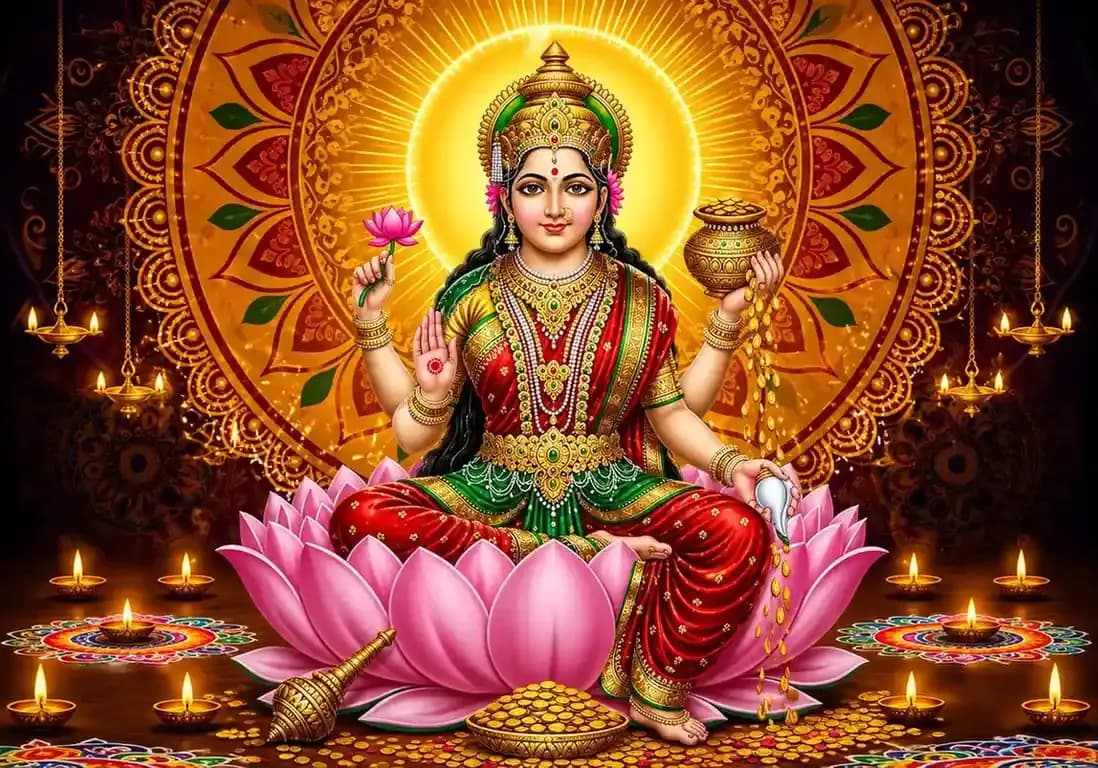
A complete, printable Diwali 2026 puja samagri checklist covering every item you need for Lakshmi Puja on 8 November, plus Dhanteras and Govardhan Puja.
Quick answer: For Diwali 2026 Lakshmi Puja on Sunday 8 November, gather idols of Lakshmi and Ganesha, diyas, incense, kumkum, roli, rice, coins, flowers, fruits, sweets, a kalash, gangajal, and a red cloth. Prepare the samagri a day earlier so worship on the main night stays uninterrupted.
Diwali, the festival of lights, is incomplete without the sacred Lakshmi Puja performed on the main night. In 2026 the main Diwali and Lakshmi Puja falls on Sunday 8 November, an especially auspicious day. Preparing the right puja samagri (worship materials) in advance is essential so that the ritual flows smoothly and the blessings of Goddess Lakshmi and Lord Ganesha are invoked without interruption.
Diwali 2026 Dates at a Glance
The Diwali celebrations of 2026 span five days. Knowing each day helps you plan which samagri you need and when, since Dhanteras shopping, the main Lakshmi Puja, and Bhai Dooj each call for slightly different items.
| Day | Festival | Date |
|---|---|---|
| Day 1 | Dhanteras | Friday 6 November 2026 |
| Day 2 | Naraka Chaturdasi / Choti Diwali | Saturday 7 November 2026 |
| Day 3 | Diwali / Lakshmi Puja | Sunday 8 November 2026 |
| Day 4 | Govardhan Puja / Annakut | Monday 9 November 2026 |
| Day 5 | Bhai Dooj | Tuesday 10 November 2026 |
Core Deity Items for Lakshmi Puja
The heart of the Diwali puja is the worship of Goddess Lakshmi alongside Lord Ganesha, who is invoked first in every Hindu ritual. Many families also keep a Kubera symbol and their account books or new ledgers for worship on this night.
- Idol or framed picture of Goddess Lakshmi
- Idol or framed picture of Lord Ganesha
- A silver or clay coin bearing Lakshmi-Ganesha, or fresh coins to worship
- Small idol or symbol of Kubera, the lord of wealth (optional)
- New account book, ledger, or a symbolic notebook for the new financial year
Complete Diwali Puja Samagri Checklist
Use the checklist below as a master list. Tick items off as you buy them during your Dhanteras shopping so nothing is forgotten on the main puja night. Quantities are a general guide and can be scaled to your family's tradition.
| Item | Purpose |
|---|---|
| Diyas (clay lamps) and cotton wicks | Lighting the sacred lamps around the home and altar |
| Pure ghee or sesame oil | Fuel for the diyas and the main puja lamp |
| Agarbatti (incense sticks) and dhoop | Offering fragrance during the aarti |
| Camphor (kapoor) | Performing the concluding aarti |
| Kumkum, roli, and haldi (turmeric) | Applying the sacred tilak to deities and family |
| Akshat (unbroken raw rice mixed with a little kumkum) | Offering to the deities |
| Fresh flowers and garlands, especially marigold and lotus | Decorating the altar and offering to Lakshmi |
| Fruits, sweets, and dry fruits | Prasad and naivedya offerings |
| Kalash (metal pot), coconut, and mango leaves | Setting up the sacred water pot |
| Gangajal or clean water | Purifying the space and filling the kalash |
| Red cloth | Spreading beneath the idols on the altar |
| Betel leaves, betel nuts, and cardamom | Traditional offerings to the deities |
Additional Traditional Offerings
- Panchamrit ingredients: milk, curd, ghee, honey, and sugar
- Cotton for making a mala (garland) and wicks
- Conch shell (shankh) and a small bell (ghanti)
- Puja thali (plate) and a small silver or copper spoon
- A few whole grains, such as wheat or barley, for the base of the kalash
- Silver or copper coins to place before the deities
Samagri Specific to Each Diwali Day
Beyond the main Lakshmi Puja, the surrounding days each carry their own small requirements. Preparing for them in advance keeps the five-day festival flowing without last-minute shopping trips.
- Dhanteras (6 November)New utensils, gold or silver items, coins, and a diya to honour Dhanvantari and Lakshmi
- Choti Diwali (7 November)Fragrant oil for the abhyanga bath and extra diyas for evening lighting
- Govardhan Puja (9 November)Ingredients for the annakut feast and a symbolic mound representing Govardhan hill
- Bhai Dooj (10 November)Tilak materials, sweets, and a thali for the sister-brother ritual
Simple Steps for the Lakshmi Puja
Once every item is gathered, the puja itself is straightforward. Perform it after sunset on the evening of 8 November, when the home has been cleaned and decorated. Always consult your family priest or a reliable panchang for the exact 2026 muhurat timing in your city.
- Clean the puja space and spread the red cloth over a raised platform.
- Place the idols of Ganesha and Lakshmi, with Ganesha on the left.
- Set up the kalash with water, mango leaves, and a coconut, and light the main diya.
- Invoke Lord Ganesha first, then Goddess Lakshmi, with kumkum, akshat, and flowers.
- Offer incense, sweets, fruits, and coins, then perform the aarti with camphor.
- Conclude by seeking blessings, distributing prasad, and lighting diyas throughout the home.
Mantras Chanted During the Puja
During the worship, devotees traditionally chant well-known mantras. The Ganesha invocation begins with the familiar 'Om Gan Ganapataye Namah', while Goddess Lakshmi is honoured with 'Om Shreem Mahalakshmyai Namah'. Many families also recite the Shri Suktam and the Lakshmi aarti, 'Om Jai Lakshmi Mata'. Chant according to your family tradition and the guidance of your priest.
Tips to Prepare Your Samagri in Advance
- Buy non-perishable items like diyas, wicks, and incense during Dhanteras shopping on 6 November.
- Purchase flowers, fruits, and sweets fresh on the morning of 8 November.
- Keep a printed copy of this checklist and tick items as you gather them.
- Store the samagri together in one clean box or thali so nothing is misplaced.
- Check with your local temple or community for exact 2026 muhurat announcements.
Related
See the main Diwali 2026 complete guide for the five-day dates, Lakshmi Puja muhurat and full rituals.
Frequently Asked Questions
When is Diwali and Lakshmi Puja in 2026?
The main Diwali and Lakshmi Puja falls on Sunday 8 November 2026. The five-day festival begins with Dhanteras on 6 November and ends with Bhai Dooj on 10 November 2026.
What are the most essential items in a Diwali puja samagri list?
The essentials are idols of Lakshmi and Ganesha, diyas with ghee or oil, incense, kumkum, roli, akshat (rice), flowers, fruits, sweets, coins, a kalash with water, and a red cloth for the altar.
Why is Ganesha worshipped before Lakshmi on Diwali?
Lord Ganesha is the remover of obstacles and is invoked first in every Hindu ritual. Worshipping him before Goddess Lakshmi ensures the puja is completed smoothly and blessings flow without hindrance.
What should I buy on Dhanteras 2026?
On Dhanteras, Friday 6 November 2026, it is traditional to buy new utensils, gold or silver items, and coins. Many families also stock non-perishable puja items like diyas, wicks, and incense on this day.
Can I use a picture instead of an idol for Lakshmi Puja?
Yes. A framed picture of Goddess Lakshmi and Lord Ganesha is perfectly acceptable if you do not have idols. Devotion and cleanliness matter more than the form of the image.
What is a kalash and why is it needed in the puja?
A kalash is a metal pot filled with water, topped with mango leaves and a coconut. It represents abundance and the sacred presence of the divine, and forms the centre of the puja setup.
Which mantras are chanted during Diwali Lakshmi Puja?
Devotees commonly chant 'Om Gan Ganapataye Namah' for Ganesha and 'Om Shreem Mahalakshmyai Namah' for Lakshmi. Many also recite the Shri Suktam and the aarti 'Om Jai Lakshmi Mata'.
How do I find the exact Lakshmi Puja muhurat for 2026?
Perform the puja after sunset on 8 November 2026. For the precise muhurat window in your city, consult a reliable panchang or check your local temple and community announcements.
You might also like
Diwali 2026 in Nepal: Date, Lakshmi Puja Muhurat & City-by-City Celebration Guide

Navratri 2026: 9 Days, Colors, Goddess Names, Puja & Significance
Jagaddhatri Puja 2026: Dates, Chandannagar's Dazzling Lights & Significance