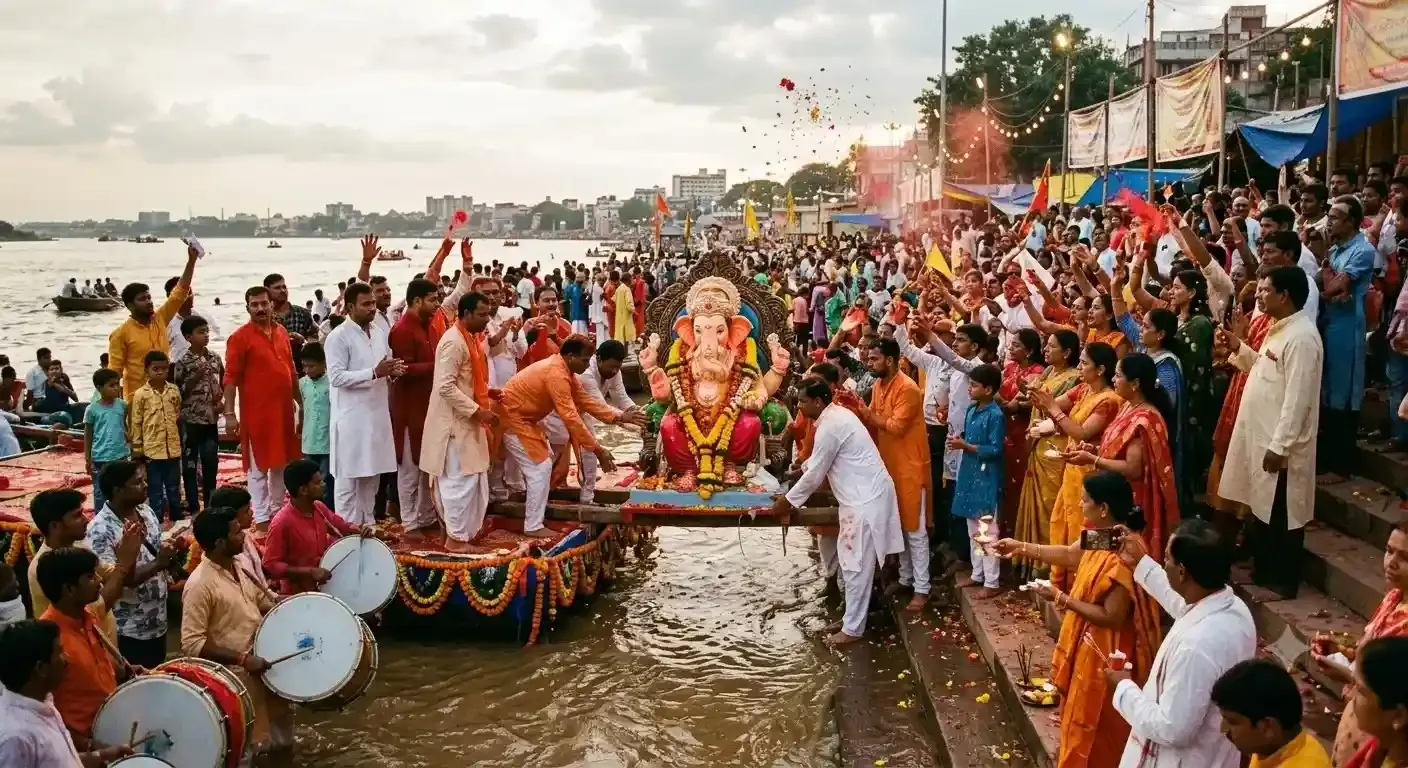
Ganesh Mandapam Permission for Texas 2026: Temporary Pavilions, Festival Permits & Permanent Temple Construction
A 2026 guide to obtaining Ganesh Mandapam permissions in Texas — special-event and tent/temporary-structure permits, fire-marshal approval, zoning and the TRFRA/RLUIPA religious-freedom protections — for temporary Ganesh Chaturthi pandals and permanent temple halls across Dallas, Houston, Austin and San Antonio.
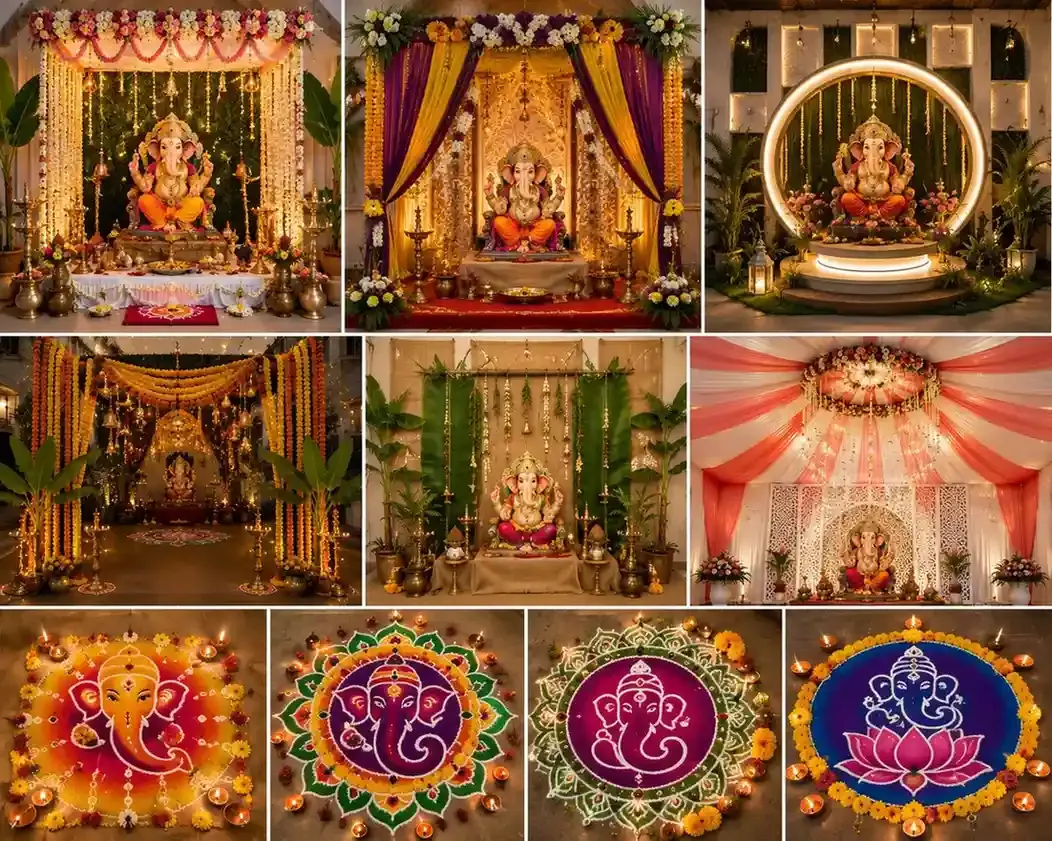
A 2026 guide to obtaining Ganesh Mandapam permissions in Texas — special-event and tent/temporary-structure permits, fire-marshal approval, zoning and the TRFRA/RLUIPA religious-freedom protections — for temporary Ganesh Chaturthi pandals and permanent temple halls across Dallas, Houston, Austin and San Antonio.
Quick answer: A private home Ganesh puja in Texas needs no permit. A temporary public pandal typically needs a special-event permit, a tent/temporary-structure permit (tents over 400 sq ft), fire-marshal approval and ~$1M liability insurance; a permanent temple hall follows the full building-permit process. Texas’s TRFRA and federal RLUIPA make religious use easier than in most states. Ganesh Chaturthi 2026 is Monday, 14 September.
Planning a Ganesh Mandapam in Texas — whether a temporary pavilion for Ganesh Chaturthi or a permanent structure within a Hindu temple — means navigating city ordinances, fire codes and zoning, alongside some of the strongest religious-freedom protections in the country. Thanks to the Texas Religious Freedom Restoration Act (TRFRA) and federal RLUIPA, Texas is one of the most favourable US states for religious construction and events.
Quick answer: Ganesh Chaturthi 2026 is Monday, 14 September (visarjan Anant Chaturdashi, Friday 25 September). A private home puja needs no permit; a temporary public pandal typically needs a special-event permit, a tent/temporary-structure permit, fire-marshal approval and liability insurance; a permanent temple hall follows the full building-permit process — all eased by Texas’s religious-use protections. Always confirm with your city’s Authority Having Jurisdiction (AHJ).
What "Ganesh Mandapam" means in Texas
- Temporary mandapams / pandals — short-term tents, canopies or stages set up for 5–11 days during Ganesh Chaturthi, in parking lots, temple grounds, community centres or private property.
- Permanent mandapams / temple halls — covered halls within a temple complex used for daily worship, pujas, weddings, cultural programmes and festivals.
Texas has a large, growing Hindu population — the Dallas–Fort Worth metroplex, Houston, Austin and San Antonio — served by temples such as the Sri Ganesha Temple (Plano), the Sri Meenakshi Temple (Pearland) and newer projects in the Sachse/Murphy/Wylie area, which host large celebrations requiring proper permissions.
Why Texas law favours religious activities
Under the Texas Religious Freedom Restoration Act (TRFRA — Civil Practice and Remedies Code, Chapter 110):
- A "place of worship" is broadly defined as any building or grounds where religious activities are conducted.
- Government cannot substantially burden the free exercise of religion unless it proves a compelling governmental interest and uses the least restrictive means.
- Religious uses are frequently allowed "by right" in many zoning districts, without the special-use permits secular businesses might need.
Federal law (the Religious Land Use and Institutionalized Persons Act, RLUIPA) adds protection against discriminatory zoning, and recent Texas legislation has further strengthened religious organisations’ land-use rights. Together these make permissions markedly easier than in many other states — for both temporary setups and permanent construction.
Permissions for a temporary Ganesh Mandapam (festival pandal)
1. Special Event Permit
- Dallas — required for outdoor gatherings of 100+ people involving tents over 399 sq ft (or multiple tents totalling over 399 sq ft), stages, street closures, food/merchandise sales or amplified sound. Apply via the Office of Special Events; deadlines 30 days (no street closure), 60 days (static street closure), 120 days (moving events/processions).
- Houston — the Mayor’s Office of Special Events handles parks and streets; coordinate early.
- Austin — the Austin Center for Events (ACE) runs a multi-department review; outdoor events with 50+ people typically need an ACE application.
- Other cities (Plano, Frisco, Irving, Fort Worth) — check the local special-events office or parks department; many use similar 30–60 day advance-notice rules.
2. Tent / Temporary Structure / Membrane Structure Permit
Fire codes based on the International Fire Code (IFC) generally require a permit for tents or membrane structures over 400 sq ft, multiple smaller tents over combined thresholds (often 700 sq ft), or assembly/worship use with an occupant load over 50. Requirements usually include flame-retardant certification for the fabric, a site plan showing exits/extinguishers/aisles and distances from buildings and property lines, structural-stability verification (sometimes by a Texas-licensed engineer for larger tents), and no open flames or restricted heating inside. Harris County, San Antonio and many municipalities issue operational permits specifically for temporary membrane structures.
3. Fire department & safety approvals
- Fire extinguishers (typically 2A:10BC), clear exit paths and emergency access.
- No cooking under the tent without additional approvals.
- An inspection before the event opens.
4. Police / traffic / noise
- Amplified music or dhol-tasha may need a sound/noise permit.
- Processions or visarjan require parade or street-use permits and possibly a police escort.
- Parking plans and crowd management are often reviewed.
5. Health & sanitation
- Prasadam distribution may require a temporary food permit from the local health department.
- Portable toilets and trash/recycling plans for larger gatherings.
- Eco-friendly practices (clay idols, biodegradable décor) are increasingly encouraged or required.
6. Insurance
Most cities and private venues require general-liability insurance naming the city as additional insured, with typical minimums around $1 million per occurrence. Practical tip: start 45–90 days before Ganesh Chaturthi, form a small organising committee, designate one permit applicant, and keep copies of all correspondence.
Permissions for a permanent Ganesh Mandapam or temple
- Site selection & zoning review — confirm the property’s zoning allows religious use (often by right in residential and commercial districts); some cities require a Specific Use Permit (SUP) for larger facilities or height variances.
- Land acquisition & 501(c)(3) status — secure tax-exempt status early for donation benefits and property-tax exemption under Texas Tax Code §11.20 for places of worship.
- Architectural & engineering plans — use professionals familiar with Texas Accessibility Standards (TAS); projects over $50,000 must register with the Texas Department of Licensing and Regulation (TDLR) for accessibility review.
- Building permits — submit complete structural, electrical, mechanical, plumbing and fire-protection plans with site, drainage, landscaping and parking calculations. Religious buildings often get streamlined review, but safety codes apply fully.
- Fire marshal & health department reviews — separate approvals for fire suppression, exits and (if applicable) commercial kitchen facilities for prasadam.
- Final inspections & Certificate of Occupancy — pass all inspections before opening for public worship.
Timeline: from land purchase to opening can take 18–36 months or longer depending on fundraising, design complexity and city workload; permit-ready engineering drawings are often the critical path.
City-specific considerations across Texas
- Dallas–Fort Worth — a strong Dallas special-events office; suburbs (Plano, Frisco, Allen, Murphy, Sachse) have active Hindu communities and relatively cooperative planning departments.
- Houston / Harris County — clear special-event and temporary-structure processes through the Fire Marshal’s office.
- Austin — the multi-agency ACE process is thorough but transparent.
- San Antonio — the Unified Development Code has specific rules for temporary religious-meeting tents (often limited to 30 days in nonresidential districts).
Best practices & common challenges
- Document everything; engage city staff early (pre-application meetings help); demonstrate community benefit and safety planning; use eco-friendly materials and clear clean-up plans.
- Neighbour concerns (traffic/parking/noise) — provide traffic studies and management plans.
- Height/setback restrictions — TRFRA and RLUIPA can support reasonable accommodations for religious architecture.
- Late applications — many cities charge higher fees or deny last-minute requests; plan far ahead.
- Insurance costs — shop multiple providers and consider group policies through temple associations; consult a Texas religious-land-use attorney if zoning challenges arise.
Obtaining Ganesh Mandapam permission in Texas is entirely achievable when organisers respect local safety rules while leveraging the state’s robust religious-freedom laws. Start early, stay organised, prioritise safety and environmental responsibility, and confirm current forms and contacts directly with your city (Dallas Office of Special Events, Houston Mayor’s Office of Special Events, Austin Center for Events, local fire marshals and planning departments) and the AHJ for your location. May Vighnaharta remove every obstacle from your path. Ganpati Bappa Morya.
This guide is general information, not legal advice. Requirements vary by city and county and change over time — always verify with the relevant authorities before finalising plans.
Frequently Asked Questions
Do I need a permit for a home Ganesh Chaturthi puja in Texas?
No — a private religious observance in your own home does not require a permit. Mind HOA rules, open-flame limits (use LED diyas in apartments), parking and noise ordinances.
What permits do I need for a public Ganesh pandal in Texas?
Typically a special-event permit (e.g., Dallas for 100+ people or tents over 399 sq ft), a tent/temporary-structure permit for tents over 400 sq ft, fire-marshal approval with flame-retardant certificates, and general-liability insurance (~$1M). A temporary food permit is needed if serving prasadam.
What is the TRFRA and how does it help?
The Texas Religious Freedom Restoration Act (Civil Practice & Remedies Code Ch. 110) bars government from substantially burdening religious exercise without a compelling interest and least-restrictive means, and lets religious uses proceed "by right" in many zones — easing both festival setups and temple construction.
How long does permanent temple construction take in Texas?
From land purchase to a Certificate of Occupancy commonly takes 18–36 months or longer, depending on fundraising, design and city workload; permit-ready engineering drawings are often the critical path.
When is Ganesh Chaturthi 2026?
Monday, 14 September 2026, with Anant Chaturdashi visarjan on Friday, 25 September. Community pandals should begin the permit process 45–90 days ahead.
Can I immerse the idol in a Texas lake or river?
Assume public-water immersion is restricted under environmental rules. Use a home or on-site immersion tank with a natural clay murti; some communities run permitted immersion sites — check your city parks department.
You might also like
Ganesh Chaturthi 2026 in Fahaheel: Mandapam Ideas, Where to Buy & Visarjan
Ganesh Chaturthi 2026 in Salmiya: Mandapam Ideas, Where to Buy & Visarjan
Ganesh Chaturthi 2026 in Doha: Mandapam Ideas, Where to Buy & Visarjan