How Sikhs Celebrate Diwali 2026: Bandi Chhor Divas - The Festival of Liberation
While much of India lights lamps for Lord Rama's return, Sikhs observe Diwali 2026 as Bandi Chhor Divas - the day Guru Hargobind Sahib secured the release of 52 imprisoned kings.
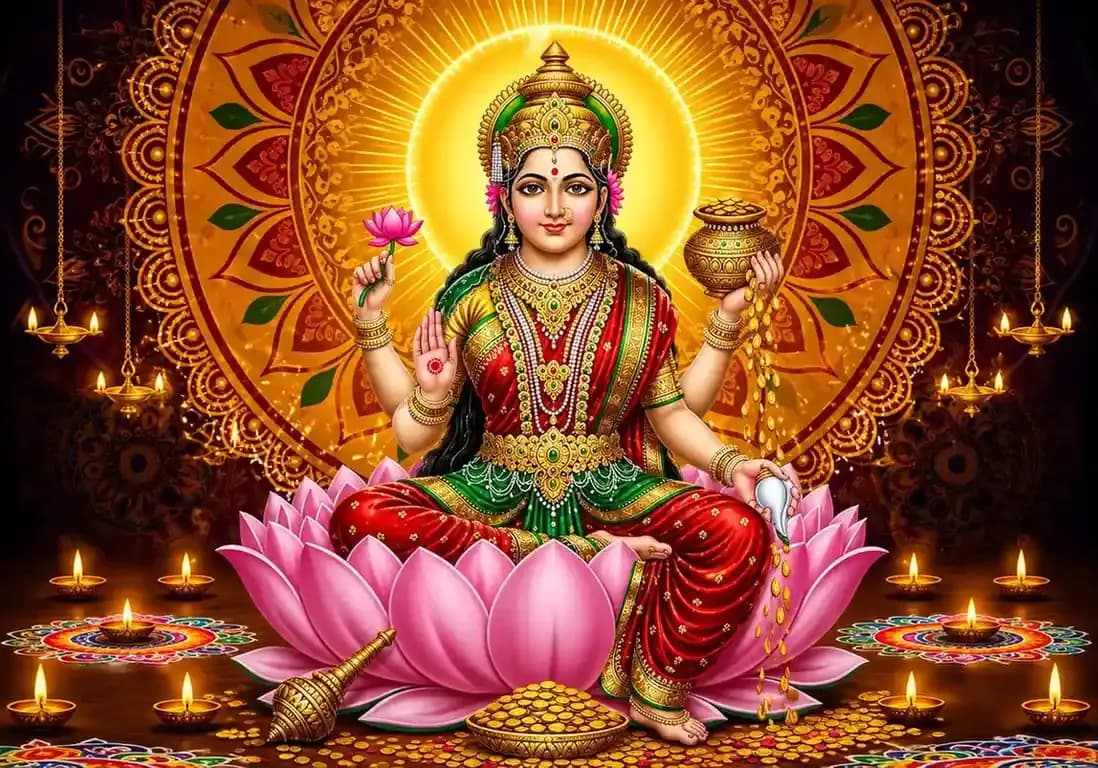
While much of India lights lamps for Lord Rama's return, Sikhs observe Diwali 2026 as Bandi Chhor Divas - the day Guru Hargobind Sahib secured the release of 52 imprisoned kings.
Quick answer: Sikhs celebrate Diwali as Bandi Chhor Divas, the Festival of Liberation. It marks the day Guru Hargobind Sahib was freed from Gwalior Fort and secured the release of 52 kings. In 2026 it falls on Sunday 8 November, observed with illumination, kirtan and langar.
While millions across India light lamps to celebrate Lord Rama's return to Ayodhya, the Sikh community observes Diwali with equal devotion but for a profoundly different reason. For Sikhs, this day is Bandi Chhor Divas - the Festival of Liberation - commemorating the freedom of the sixth Guru, Guru Hargobind Sahib, and the 52 imprisoned kings he refused to leave behind.
In 2026, Diwali falls on Sunday 8 November, and it is on this day that gurdwaras around the world glow with lamps, resonate with kirtan, and welcome all through the open doors of langar. Understanding Bandi Chhor Divas reveals a story of compassion, justice and the Sikh commitment to liberating others alongside oneself.
What Is Bandi Chhor Divas?
Bandi Chhor Divas literally means the Day of Liberation - from the words bandi (imprisoned) and chhor (to release or free). It marks the return of Guru Hargobind Sahib, the sixth Sikh Guru, to Amritsar after being freed from imprisonment at Gwalior Fort. Rather than accepting freedom for himself alone, the Guru insisted that 52 Hindu kings held there be released with him, embodying the Sikh ideal of standing for the freedom of all.
The Story Behind the Festival
Guru Hargobind Sahib had been detained at Gwalior Fort by the Mughal Emperor Jahangir. When the order for the Guru's release finally came, he declined to leave unless the 52 imprisoned princes and rajas confined alongside him were also freed. The condition set was that only those able to hold the Guru's cloak as he walked out could accompany him.
With characteristic ingenuity and compassion, Guru Hargobind Sahib had a special cloak made with 52 tassels or panels, so that each king could hold a piece and walk to freedom with him. For this act he earned the beloved title Bandi Chhor - the Liberator. When he returned to Amritsar, the people of the city lit lamps in joyous welcome, and this luminous homecoming coincided with Diwali.
Why Sikhs Celebrate on Diwali
Because Guru Hargobind Sahib's return to Amritsar aligned with the festival of lights, the two observances became intertwined in time yet distinct in meaning. Sikhs do not celebrate the return of Lord Rama; instead they honour the liberation brought about by their Guru. The shared imagery of lamps, joy and homecoming, however, means the two festivals are observed on the same night.
- Festival nameBandi Chhor Divas (Festival of Liberation)
- HonoursGuru Hargobind Sahib, the sixth Sikh Guru
- Central themeFreedom, justice and compassion for all
- 2026 dateSunday 8 November 2026
- Holiest siteSri Harmandir Sahib (Golden Temple), Amritsar
How Sikhs Observe Bandi Chhor Divas in 2026
Across the world, gurdwaras become the heart of the celebration. Devotees gather for prayer, community meals and the illumination of sacred spaces. The observances are rooted in gratitude, remembrance and seva (selfless service) rather than fireworks alone.
- Illumination of gurdwaras with rows of lamps, candles and lights
- Kirtan - the singing of sacred hymns from the Guru Granth Sahib
- Ardas, the communal prayer offered in thanksgiving
- Langar, the free community kitchen open to all regardless of background
- Katha and discourses recounting the story of Guru Hargobind Sahib's liberation
- Distribution of karah prasad, the blessed sacred offering
The Golden Temple on Bandi Chhor Divas
The most spectacular observance takes place at Sri Harmandir Sahib, the Golden Temple in Amritsar. On the evening of Bandi Chhor Divas the complex is illuminated with thousands of lamps, the sacred sarovar (pool) reflecting the glow of countless lights. Pilgrims travel from far and wide to witness this luminous scene, participate in kirtan and offer prayers. For exact 2026 timings, special programmes and any crowd-management arrangements, check announcements from the Shiromani Gurdwara Parbandhak Committee and your local gurdwara.
Diwali and Bandi Chhor Divas: A Comparison
| Aspect | Hindu Diwali | Sikh Bandi Chhor Divas |
|---|---|---|
| Reason for celebration | Return of Lord Rama to Ayodhya | Return of Guru Hargobind Sahib to Amritsar |
| Central figure | Lord Rama and Goddess Lakshmi | Guru Hargobind Sahib, the sixth Guru |
| Key value | Victory of good over evil | Liberation, justice and compassion |
| Place of worship | Home and temple | Gurdwara, especially the Golden Temple |
| Shared elements | Lamps, sweets, joy, homecoming | Lamps, langar, kirtan, homecoming |
The Deeper Meaning of Liberation
Bandi Chhor Divas is more than a historical anniversary; it is a living reminder of the Sikh commitment to freedom and human dignity. Guru Hargobind Sahib could have walked out of Gwalior Fort alone, but he chose to free 52 others first. This act teaches that true liberation is never selfish - the enlightened soul works to release others from bondage, whether physical, social or spiritual.
How to Observe Bandi Chhor Divas 2026
- Visit your nearest gurdwara to join kirtan and ardas on 8 November 2026
- Participate in or contribute to langar as an act of seva
- Light lamps or candles at home in remembrance of the Guru's return
- Read or listen to the story of Guru Hargobind Sahib and the 52 kings
- Reflect on the theme of liberation and perform an act of kindness for someone in need
- Share the true meaning of Bandi Chhor Divas with family and friends
Bandi Chhor Divas Within the Diwali 2026 Calendar
While Sikhs focus on Bandi Chhor Divas on the main Diwali night, the wider Diwali festival in 2026 spans several days. Knowing the full sequence helps families plan gatherings, especially where communities and traditions overlap.
| Day | Date 2026 | Occasion |
|---|---|---|
| Dhanteras | Friday 6 November | Wealth and prosperity observance |
| Choti Diwali | Saturday 7 November | Naraka Chaturdasi |
| Diwali / Bandi Chhor Divas | Sunday 8 November | Main day - Festival of Liberation for Sikhs |
| Govardhan Puja | Monday 9 November | Annakut offering |
| Bhai Dooj | Tuesday 10 November | Bond of brothers and sisters |
Related
See the main Diwali 2026 complete guide for the five-day dates, Lakshmi Puja muhurat and full rituals.
Frequently Asked Questions
What is Bandi Chhor Divas?
Bandi Chhor Divas, meaning the Day of Liberation, is the Sikh festival observed on Diwali. It commemorates the release of Guru Hargobind Sahib from Gwalior Fort and his insistence that 52 imprisoned kings be freed alongside him.
When is Bandi Chhor Divas in 2026?
Bandi Chhor Divas falls on the main day of Diwali, Sunday 8 November 2026, and is observed with illumination, kirtan, ardas and langar at gurdwaras worldwide.
Why do Sikhs celebrate Diwali?
Sikhs observe this day not for Lord Rama's return but as Bandi Chhor Divas, marking Guru Hargobind Sahib's liberation and homecoming to Amritsar, which coincided with the festival of lights.
Who was Guru Hargobind Sahib?
Guru Hargobind Sahib was the sixth of the ten Sikh Gurus. He is honoured for securing the freedom of 52 imprisoned kings from Gwalior Fort, earning the title Bandi Chhor, the Liberator.
Why are 52 kings significant to the festival?
Guru Hargobind Sahib refused to leave prison unless 52 fellow captives were also freed. He had a cloak made with 52 tassels so each king could hold on and walk out, symbolising liberation for all, not just oneself.
How is Bandi Chhor Divas celebrated?
Sikhs illuminate gurdwaras, sing kirtan, offer ardas, share langar and distribute karah prasad. The Golden Temple in Amritsar is lit with thousands of lamps reflected in its sacred pool.
Is Bandi Chhor Divas the same as Hindu Diwali?
They fall on the same night and share imagery of lamps and homecoming, but the meanings differ. Hindu Diwali marks Lord Rama's return, while Bandi Chhor Divas marks Guru Hargobind Sahib's liberation and the freeing of 52 kings.
Where is the best place to experience Bandi Chhor Divas?
The Golden Temple in Amritsar hosts the most renowned celebration, illuminated with countless lamps. For exact 2026 programmes and timings, check announcements from the Shiromani Gurdwara Parbandhak Committee and your local gurdwara.
You might also like
Diwali 2026 in Nepal: Date, Lakshmi Puja Muhurat & City-by-City Celebration Guide
Champa Shashthi 2026: Date, Khandoba Worship & Jejuri's Golden Festival
Kati Bihu 2026: Date, Rituals & Assam's Festival of Earthen Lamps