International Yoga Day 2026: Date, Meaning & Diaspora Guide
International Yoga Day 2026 falls on Sunday, 21 June — the same date worldwide. The dharmic roots of yoga, a simple home practice, mantras to begin with, and how the diaspora can observe it.
International Yoga Day 2026 falls on Sunday, 21 June — the same date worldwide. The dharmic roots of yoga, a simple home practice, mantras to begin with, and how the diaspora can observe it.
International Yoga Day 2026 falls on Sunday, 21 June 2026 — and unlike most entries in the June 2026 Hindu festivals calendar, this is a fixed Gregorian date observed on the same day across the world. For the global Hindu diaspora it is a rare moment when yoga’s ancient dharmic heritage is celebrated openly from New York to Sydney. This HinduTone guide explains what the day means, its roots in Sanatana Dharma, a simple practice you can do at home, and the mantras with which to begin.
International Yoga Day 2026 Date & Timings (Worldwide)
Because 21 June is a fixed calendar date — not a lunar tithi — there is no regional variation: it is Sunday, 21 June 2026 everywhere.
| Region | Date (2026) | Notes |
|---|---|---|
| India (IST) | Sun, 21 June | Summer solstice; Dakshinayana nears |
| USA & Canada | Sun, 21 June | Same date — fixed Gregorian |
| UK & Europe | Sun, 21 June | Same date |
| UAE / Gulf | Sun, 21 June | Same date |
| Singapore · Australia · NZ | Sun, 21 June | Same date |
21 June is the summer solstice in the Northern Hemisphere — the longest day of the year, and in the Hindu calendar the threshold of Dakshinayana, the sun’s southward journey. In yogic lore this is when Adiyogi, the first yogi (Shiva), turned south to begin transmitting the science of yoga to the Saptarishis.
Significance & Dharmic Roots of Yoga
Yoga comes from the Sanskrit yuj — “to yoke” or “unite” — the union of the individual self (jivatma) with the universal (Paramatma). It is one of the six classical darshanas (philosophical systems) of Sanatana Dharma. Its source texts are the Vedas and Upanishads, the Bhagavad Gita (which describes Karma, Bhakti and Jnana yoga), and above all Maharishi Patanjali’s Yoga Sutras, which set out the eight limbs (Ashtanga): yama, niyama, asana, pranayama, pratyahara, dharana, dhyana and samadhi.
The postures (asana) that the world now associates with “yoga” are only the third limb — a preparation of the body so the mind can settle. Remembering this larger meaning is the diaspora’s opportunity on Yoga Day: to present yoga not as mere exercise but as a living spiritual heritage.
Mantras to Begin Your Practice
Two short, universally-attested verses traditionally open a yoga sadhana:
1. The Patanjali Invocation (opening line)
योगेन चित्तस्य पदेन वाचां।
yogena cittasya padena vācāṃ... — “To the sage Patanjali, who removed the impurities of the mind through yoga, of speech through grammar, and of the body through medicine, I bow.” Chanted once at the start of practice as a salutation to the rishi who systematised yoga. // VERIFY: traditional Patanjali vandana; many lineages chant the full two-verse form.
2. Om — the Pranava
ॐ (Om / Aum). Yoga Sutra 1.27 identifies Om as the sound-form of Ishvara. Chant it three times to settle the breath before asana. Simple, authentic, and suitable for all.
A Simple Yoga Day Practice (Step by Step)
- Sit facing east (the rising sun). Chant Om three times and the Patanjali invocation.
- Warm up gently — neck, shoulders, wrists, ankles.
- Practise 3–12 rounds of Surya Namaskar (Sun Salutation) — the classic Yoga Day sequence, honouring Surya.
- Hold a few steady asanas: Tadasana, Vrikshasana, Bhujangasana, Balasana.
- Pranayama: 5–10 minutes of Anulom-Vilom (alternate-nostril) and Bhramari breathing.
- Close with 5–10 minutes of dhyana (meditation) and a Shanti mantra.
How NRIs & the Diaspora Can Observe Yoga Day
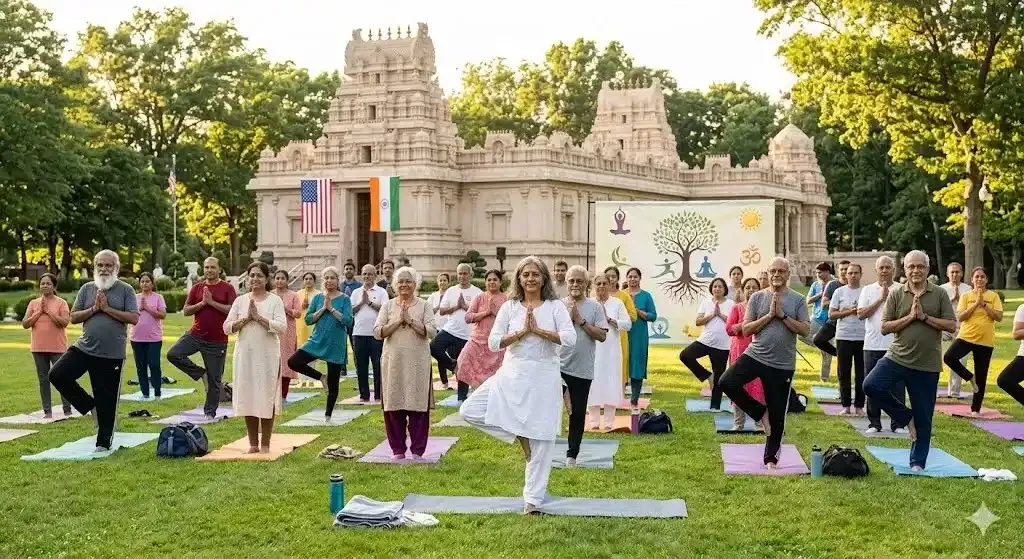
- Join a community session — Indian consulates, embassies, BAPS and ISKCON temples, and yoga schools host free 21 June events in most major Western cities.
- Practise at sunrise on a balcony, garden or park; Surya Namaskar needs no equipment and is apartment-friendly.
- Teach children one round of Surya Namaskar and the meaning of Om — an easy, screen-free way to pass on the tradition.
- Pair the day with a sattvic meal and a short reading from the Bhagavad Gita’s sixth chapter (Dhyana Yoga).
- Frame it for non-Hindu friends as India’s gift to the world — a bridge that opens conversations about dharma.
Regional & Global Variations
In India the flagship event rotates between cities with mass participation; Rishikesh — the “yoga capital” — hosts an International Yoga Festival. Across the diaspora, observance ranges from temple-led sessions to corporate wellness programmes. The thread everywhere is the same: a public, joyful affirmation of yoga’s living roots.
Frequently Asked Questions
Is International Yoga Day 2026 the same date everywhere?
Yes — Sunday, 21 June 2026 worldwide. It is a fixed Gregorian date, so there is no India-vs-diaspora difference.
What is the connection to Surya Namaskar?
Surya Namaskar (Sun Salutation) honours Surya and is the signature sequence of Yoga Day, fitting the solstice theme. It combines asana, breath and mantra in twelve graceful steps.
Can I observe Yoga Day if I am fasting or it overlaps a vrat?
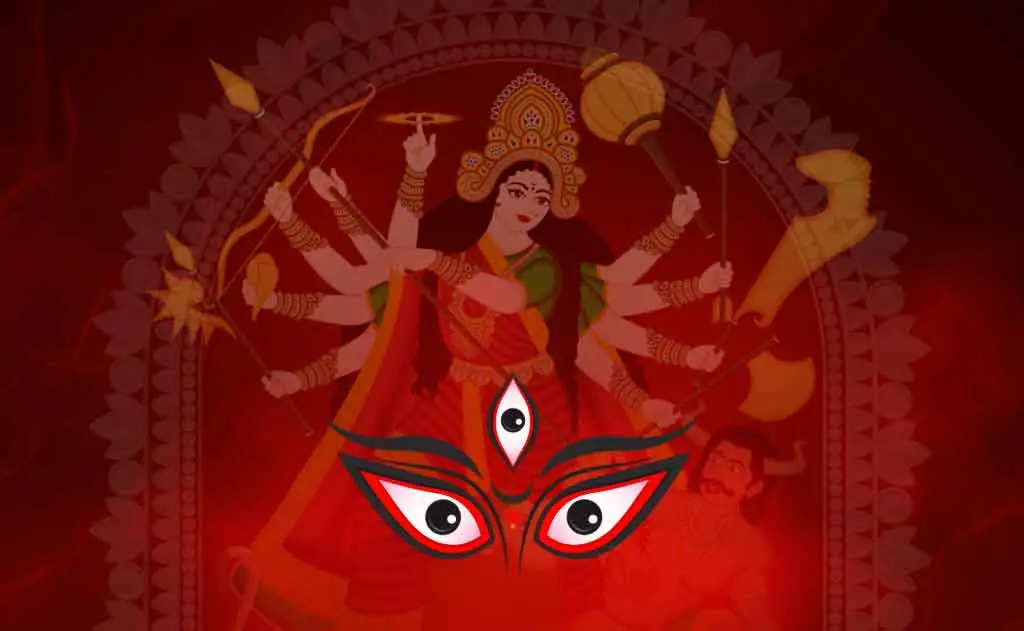
Yes — keep the practice gentle on a fasting day. In 2026, 21 June also coincides with Masik Durgashtami and Dhumavati Jayanti for some observers; a light morning sadhana sits comfortably alongside a devi vrat.
Quick Summary
- International Yoga Day 2026 = Sunday, 21 June, worldwide (fixed date).
- Yoga is a darshana of Sanatana Dharma — far more than asana.
- Begin with Om and the Patanjali invocation; build around Surya Namaskar.
- Diaspora: join temple/consulate sessions, practise at sunrise, teach the kids.
From the seer Patanjali to your living-room mat, yoga is the same homeward journey — the yoking of the small self to the infinite.
Explore more in the June 2026 Hindu festivals calendar, and the related June observances — Gayatri Jayanti 2026 and the Shiva vrats of June 2026.
You might also like
International Day of Yoga 2026 (June 21): US Hindu Temples & NRIs Celebrate “Yoga for Healthy Ageing”
Maharaja Agrasen Jayanti 2026: Date (11 October), the Story of Agroha and How the Day Is Celebrated
Tulsi Vivah 2026: Date, Puja Vidhi, Samagri, Katha and Significance