

ISKCON Diwali Celebrations and Arrangements for 2026: Illuminating Hearts with Devotion
A devotional guide to ISKCON's Diwali 2026 celebrations, weaving Deepotsava lamp offerings, kirtan, and the pastimes of Rama and Krishna into a festival of inner illumination.
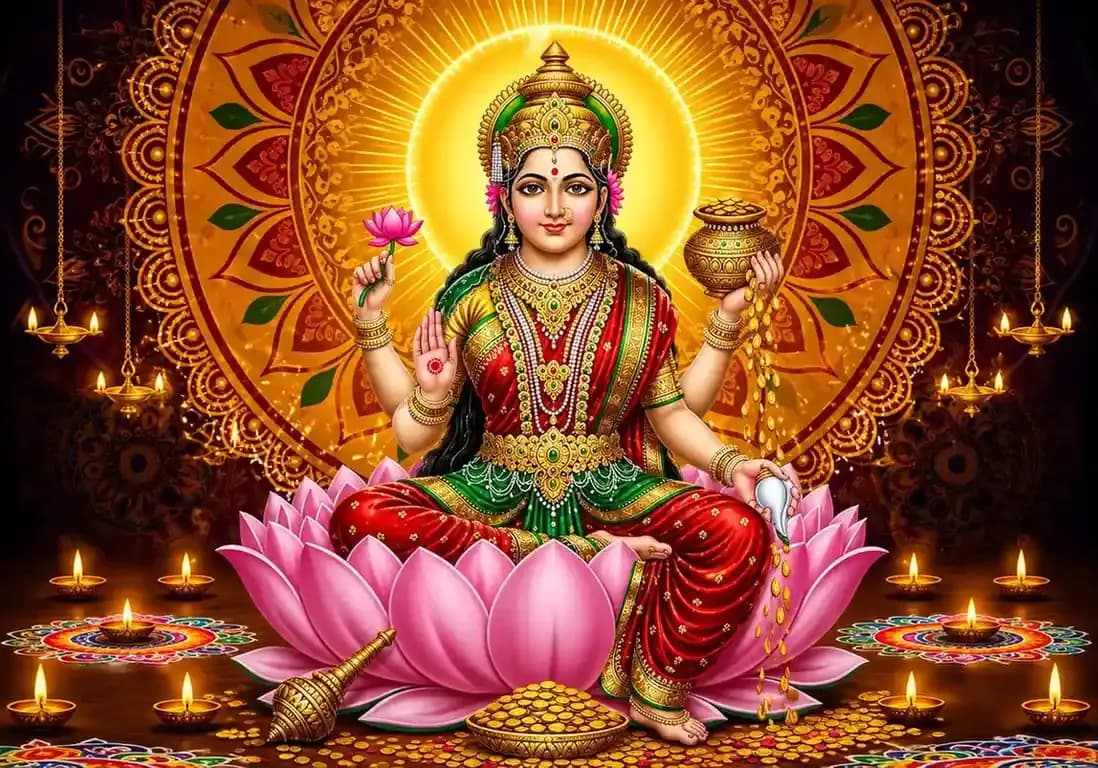
A devotional guide to ISKCON's Diwali 2026 celebrations, weaving Deepotsava lamp offerings, kirtan, and the pastimes of Rama and Krishna into a festival of inner illumination.
Quick answer: ISKCON celebrates Diwali 2026 on Sunday 8 November, honouring Lord Rama's return to Ayodhya and Krishna's pastimes. Temples worldwide host Deepotsava lamp offerings, Hare Krishna chanting, festive kirtan, and the Govardhan Puja Annakut the next day, illuminating hearts with devotion.
For the International Society for Krishna Consciousness (ISKCON), Diwali is far more than a festival of external lights. It is an invitation to kindle the inner lamp of devotion, remembering that the true darkness dispelled on this sacred night is ignorance, and the true light rekindled is love for God. In 2026, ISKCON temples across the world will observe Diwali on Sunday 8 November, drawing pilgrims and devotees into a celebration where every flame carries a prayer.
When Is Diwali 2026 at ISKCON Temples?
ISKCON follows the traditional Vaishnava calendar, so its Diwali observances align with the classical five-day festival. The main day of Diwali, marked by Lakshmi Puja and grand lamp offerings, falls on Sunday 8 November 2026, an especially auspicious day. The surrounding days each carry their own devotional significance across the festival week.
| Festival Day | Date 2026 | ISKCON Focus |
|---|---|---|
| Dhanteras | Friday 6 November 2026 | Auspicious beginnings and offerings to the Deities |
| Naraka Chaturdasi | Saturday 7 November 2026 | Remembering Krishna's victory over Narakasura |
| Diwali (main day) | Sunday 8 November 2026 | Deepotsava, Lakshmi Puja, and grand kirtan |
| Govardhan Puja / Annakut | Monday 9 November 2026 | Krishna lifting Govardhan Hill; mountain of food offerings |
| Bhai Dooj | Tuesday 10 November 2026 | Celebrating the bond between siblings |
The Twin Stories ISKCON Honours on Diwali
While Diwali is widely known for Lord Rama's triumphant return to Ayodhya after fourteen years of exile, ISKCON devotees also cherish the pastimes of Lord Krishna woven through this festive season. Both Rama and Krishna are understood as expressions of the same Supreme Personality of Godhead, and their stories together illuminate the meaning of Diwali.
Lord Rama's Return to Ayodhya
The people of Ayodhya lit rows of clay lamps to welcome Lord Rama, Sita, and Lakshmana home after the defeat of Ravana. For ISKCON, this homecoming symbolises the return of righteousness and the joy of receiving the Lord into one's heart. The rows of lamps, or deepa, become a devotional gesture of welcome rather than mere decoration.
Krishna and the Season of Deepotsava
Diwali also falls near the close of the sacred month of Kartik, a period dear to Vaishnavas for offering lamps to Lord Krishna and Radharani. This month-long Deepotsava, or festival of lamps, deepens throughout Kartik and reaches a luminous crescendo around Diwali, when devotees offer ghee lamps with heartfelt prayers.
Deepotsava: The Heart of ISKCON's Diwali
The offering of lamps is the devotional centrepiece of ISKCON's Diwali. Devotees light rows of ghee or oil lamps before the Deities, often accompanied by verses glorifying the Lord. Many temples arrange hundreds of lamps in beautiful patterns, transforming the temple grounds into a sea of gentle golden light that mirrors the aspiration to illuminate the heart.
- Offering ghee lamps to the Deities as an act of loving service
- Rangoli and floral decorations welcoming Lakshmi and the Lord
- Congregational Hare Krishna chanting and ecstatic kirtan
- Recitation and hearing of Rama and Krishna pastimes
- Distribution of sanctified prasadam to all visitors
Govardhan Puja and Annakut at ISKCON
The day after Diwali, Monday 9 November 2026, ISKCON temples celebrate Govardhan Puja with special grandeur. This festival commemorates Krishna lifting Govardhan Hill to shelter the residents of Vrindavan. Devotees prepare an Annakut, a mountain of vegetarian food offerings, symbolising the abundance and gratitude expressed toward the Lord.
How Devotees Can Participate in 2026
- Check your local ISKCON temple's announcements for the 2026 festival schedule and timings.
- Arrive early on Diwali evening to take part in lamp offerings and kirtan.
- Offer a ghee lamp with a sincere prayer for inner illumination.
- Join the congregational Hare Krishna chanting to purify the heart.
- Honour prasadam and, where offered, participate in the Annakut the following day.
The Hare Krishna Maha-Mantra
Central to every ISKCON celebration is the chanting of the Hare Krishna maha-mantra: Hare Krishna Hare Krishna, Krishna Krishna Hare Hare, Hare Rama Hare Rama, Rama Rama Hare Hare. On Diwali this chanting is especially fitting, since it invokes the holy names of both Rama and Krishna, uniting the festival's twin stories in a single sound of devotion.
Illuminating Hearts, Not Just Homes
The enduring message of ISKCON's Diwali is that outer lamps are meaningful only when they inspire an inner light. As devotees kindle flames before the Deities in 2026, they are reminded that genuine celebration lies in remembering God, chanting His names, and serving others with a joyful heart. This is how Diwali illuminates hearts with devotion.
- Main Diwali DateSunday 8 November 2026
- Festival SeasonEnd of the sacred month of Kartik
- Central PracticeDeepotsava lamp offerings and Hare Krishna chanting
- Next-Day FestivalGovardhan Puja and Annakut, 9 November 2026
Related
See the main Diwali 2026 complete guide for the five-day dates, Lakshmi Puja muhurat and full rituals.
Frequently Asked Questions
When does ISKCON celebrate Diwali in 2026?
ISKCON observes the main day of Diwali on Sunday 8 November 2026, with Lakshmi Puja, Deepotsava lamp offerings, and grand kirtan. The wider festival runs from Dhanteras on 6 November to Bhai Dooj on 10 November 2026.
Why does ISKCON honour both Rama and Krishna on Diwali?
ISKCON teaches that Rama and Krishna are expressions of the same Supreme Personality of Godhead. Diwali celebrates Rama's return to Ayodhya while also falling within the sacred Kartik month dear to Krishna devotees, uniting both divine stories.
What is Deepotsava at ISKCON temples?
Deepotsava is the festival of lamps in which devotees offer rows of ghee or oil lamps to the Deities. It deepens throughout the month of Kartik and reaches a luminous peak around Diwali, symbolising the illumination of the heart with devotion.
Is Govardhan Puja part of ISKCON's Diwali celebrations?
Yes. On Monday 9 November 2026, the day after Diwali, ISKCON temples celebrate Govardhan Puja with an Annakut, a mountain of vegetarian food offerings, commemorating Krishna lifting Govardhan Hill to protect the people of Vrindavan.
Can anyone attend ISKCON Diwali celebrations?
ISKCON temples warmly welcome visitors of all backgrounds to their Diwali programmes. Guests can join the lamp offerings, kirtan, and prasadam distribution. Check your local temple's 2026 announcements for exact timings and arrangements.
What mantra is chanted at ISKCON during Diwali?
The Hare Krishna maha-mantra is chanted: Hare Krishna Hare Krishna, Krishna Krishna Hare Hare, Hare Rama Hare Rama, Rama Rama Hare Hare. It invokes the holy names of both Rama and Krishna, making it especially fitting for Diwali.
How is ISKCON's Diwali different from a typical celebration?
ISKCON emphasises the devotional dimension of Diwali. Rather than focusing on fireworks or material prosperity alone, the celebration centres on lamp offerings, chanting, hearing the Lord's pastimes, and kindling the inner light of love for God.
How can I find my local ISKCON Diwali 2026 schedule?
Contact your nearest ISKCON temple or check its official announcements closer to the festival. Exact timings, lamp-offering arrangements, and Annakut details vary by location, so local sources give the most accurate 2026 information.
You might also like
Diwali 2026 in Nepal: Date, Lakshmi Puja Muhurat & City-by-City Celebration Guide
Manipuri Raas Leela 2026: Kartik Purnima Maha Raas & the Dance of Devotion
Bathukamma & Dasara 2026 in Canada: Dates, Telangana Association Celebrations & City-by-City Guide