Karthika Pournami Celebrations in Australia 2026: Complete City-Wise Guide to Rituals & Temple Celebrations
Karthika Pournami falls on Tuesday 24 November 2026 in Australia. Here is the meaning, the key Karthika Masam dates, how to celebrate at home and where Hindu Australians gather in each state.
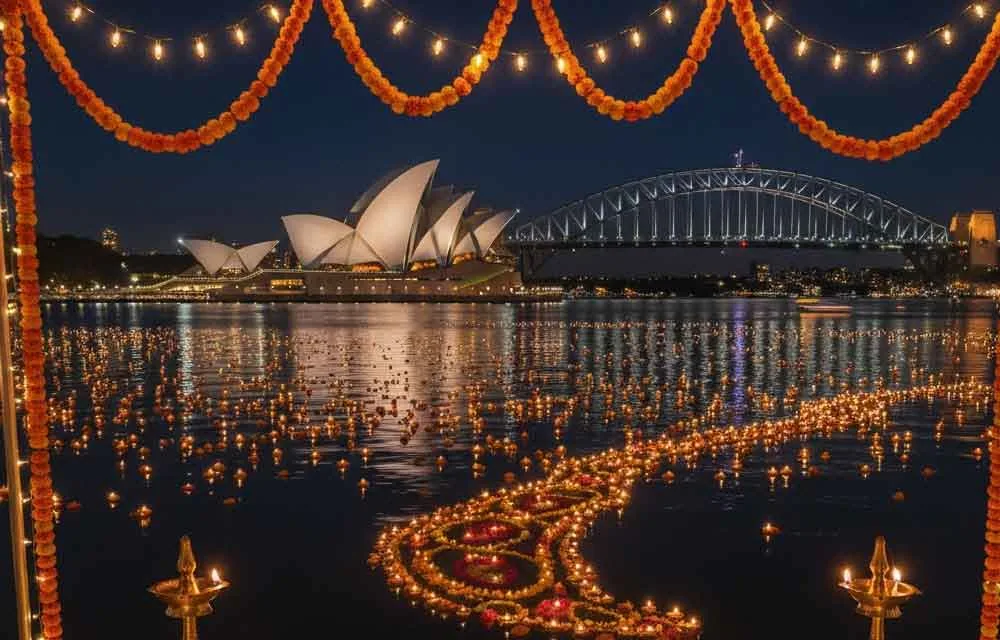
Karthika Pournami falls on Tuesday 24 November 2026 in Australia. Here is the meaning, the key Karthika Masam dates, how to celebrate at home and where Hindu Australians gather in each state.
Quick answer: Karthika Pournami 2026 falls on Tuesday 24 November in Australia (Drik Panchang). It is the full moon of Karthika Masam, which runs from 10 November to 9 December 2026, with Karthika Somavaram Mondays on 16, 23 and 30 November and 7 December. In Australia, Devuthani Ekadashi is Saturday 21 November and Tulsi Vivah Sunday 22 November. Light lamps after local sunset and confirm timings for your city on Drik Panchang. Because 2026 has an extra lunar month, these dates are about three weeks later than last year.
Karthika Masam 2026 by country
In Australian time zones Karthika Masam 2026 runs from Tuesday 10 November to Wednesday 9 December, with four Somavarams (16, 23, 30 November and 7 December) and Karthika Pournami on Tuesday 24 November.
- Karthika Masam 2026 USA — dates, Somavarams and Pournami city by city
- Karthika Masam 2026 UK — dates, Somavarams and Pournami city by city
- Karthika Masam 2026 Canada — dates, Somavarams and Pournami city by city
- Karthika Masam 2026 Australia — dates, Somavarams and Pournami city by city
- Karthika Masam 2026 Dubai & UAE — dates, Somavarams and Pournami city by city
Introduction: the divine festival of lights
Karthika Pournami – also called Kartika Purnima, Tripurari Purnima and Dev Deepavali, the gods’ festival of lights – is one of the most sacred nights of the Hindu year. For Hindu Australians it is a bridge to cultural heritage, a celebration of divine light and a warm opportunity to gather in devotion. In late November the evenings are long and mild across most of the country, which makes outdoor lamp-lighting a particular pleasure.
Karthika Masam 2026 dates for Australia
| Observance | 2026 date (Australia) |
|---|---|
| Karthika Masam begins | Tue 10 November |
| Karthika Somavaram (Mondays) | 16, 23, 30 November and 7 December |
| Devuthani (Prabodhini) Ekadashi | Sat 21 November |
| Tulsi Vivah | Sun 22 November |
| Karthika Pournami | Tue 24 November |
| Karthika Amavasya (month ends) | Wed 9 December |
Tamil Karthigai Deepam (Krittika nakshatra in the month of Karthigai) also falls on Tuesday 24 November 2026 in Australia; Vaikuntha Chaturdashi falls just before the full moon. Check your temple’s 2026 calendar for both.
Understanding the significance
Karthika Pournami is cherished because it is sacred to both Shiva and Vishnu, uniting Shaiva and Vaishnava devotees in one celebration.
- Shiva as Tripurantaka: Lord Shiva destroyed the three cities of the demon Tripurasura with a single arrow, and the gods lit lamps in joy – hence Tripurari Purnima and Dev Deepavali.
- Matsya avatar: Vishnu is believed to have appeared as Matsya, the fish, his first incarnation, to save the Vedas from the flood.
- Rasa lila: Vaishnavas remember Radha and Krishna’s divine dance with the gopis under the Karthika full moon.
- Kartikeya: in parts of South India the day is associated with Lord Kartikeya (Murugan).
Devout observance is said to purify past karma and bring the blessings of Shiva, Vishnu and Kartikeya; charity on this day is said to equal the merit of ten yajnas.
Essential rituals and traditions
- Lighting diyas: light ghee or sesame-oil lamps at dawn and dusk. Many Telugu families light a 365-wick lamp on Pournami. Place lamps at the entrance, by the tulasi plant and at the altar; clay diyas are available at Indian grocery stores.
- Holy bath: bathe before sunrise, adding Ganga jal if you have it, and chant mantras.
- Fasting: a full fast until moonrise, a fruit-and-milk fast, or a simple sattvic, grain-free day.
- Temple puja: visit a Shiva or Vishnu temple with bilva leaves, tulasi, flowers, fruit, coconut, incense and camphor. Satyanarayana Vratam is popular among Telugu families.
- Charity: donate food, grains, clothing or lamps, sponsor temple annadanam or support a local food relief charity.
Fire safety note: late November can bring hot, dry conditions. Always check for total fire bans in your area before lighting lamps outdoors, and use LED diyas if a ban is in place.
City-wise celebrations across Australia
The temples below are established centres of Hindu worship that traditionally mark Karthika observances. Schedules change every year and are not listed – check each temple’s website or social media for 2026 programmes.
New South Wales (Sydney)
- Sri Venkateswara Temple, Helensburgh – one of Australia’s best-known Hindu temples, a focal point for Telugu and Tamil devotees
- ISKCON Sydney and other Shiva, Vishnu and Murugan temples across Greater Western Sydney
Victoria (Melbourne)
- Sri Shiva Vishnu Temple, Carrum Downs – known for Shaiva and Vaishnava festivals, Carnatic music and annadanam
- Sri Durga Temple, Rockbank
- BAPS Shri Swaminarayan Mandir and ISKCON centres in Melbourne
Queensland (Brisbane and Gold Coast)
Brisbane and the Gold Coast have Venkateswara, Shiva and Murugan temples and ISKCON Brisbane, which hold lamp-lighting and puja programmes in Karthika. South Indian communities often add outdoor elements in the warm evenings.
South Australia (Adelaide)
Adelaide’s Hindu temples and ISKCON Adelaide typically hold evening programmes so working families can attend, combining Shaiva and Vaishnava worship.
Western Australia (Perth)
Perth’s temples, BAPS and ISKCON centres hold Karthika abhishekam, Satyanarayana puja and sunset lamp-lighting. Families in regional WA often join via livestream.
Canberra, Tasmania and the Northern Territory
Smaller communities in Canberra, Hobart and Darwin gather through local Hindu temples, societies and associations for indoor lamp-lighting, bhajans and shared dinners.
How Hindu Australians celebrate
- Weekend extensions: with Pournami on a Tuesday, many families light lamps after work and some temples may add programmes on the nearest weekend.
- Virtual engagement: livestreamed abhishekam, online archana and digital satsangs connect regional families.
- Eco-initiatives: clay or LED diyas, organic oils and minimal packaging for prasadam.
- Cultural integration: children’s storytelling in English, interfaith visits and community service projects.
Celebrating at home in Australia
Before sunrise
- Wake early, bathe with prayers and decorate the puja space.
- Light the morning lamp and read from the Shiva Purana or Karthika Puranam.
At sunset
- Prepare a 365-wick lamp or a row of diyas.
- Offer flowers and prasadam, light the lamps and perform aarti.
- Sing bhajans, share prasadam and watch the full moon rise.
Apartments and small spaces
Use LED or electric diyas on balconies, a compact portable altar and recorded bhajans. Keep any real flame on a heat-proof tray, away from smoke alarms.
Traditional recipes for Karthika Pournami
- Sweet and savoury pongal
- Vada and appam
- Payasam or kheer
- Coconut laddoos and rava kesari
- Panakam, a cooling jaggery drink – perfect for a warm Australian evening
Fasting-friendly options include fruit, milk and curd, dry fruits and nuts, sabudana dishes and fruit salads.
Community organisations
Telugu associations, Tamil Sangams, Hindu Swayamsevak Sangh (HSS) Australia and VHP Australia have long supported Deepotsav programmes, discourses, youth activities and charity drives in Karthika. Check their state chapters for 2026 events.
Tips for first-time celebrants
- Dress traditionally or modestly and remove shoes before entering.
- Arrive early, silence phones and follow photography rules.
- Programmes usually run two to three hours; plan for parking.
- Non-Indian friends and interfaith families are always welcome.
The lamp in modern life
The diya dispels ignorance with knowledge, invites divine grace and links generations. Lighting lamps together offers quiet reflection, community connection and a moment of gratitude in a busy life. From Sydney to Perth, may this full moon bring wisdom and harmony. Om Namah Shivaya | Om Namo Narayanaya | Om Saravanabhavaya Namah.
Frequently asked questions
When is Karthika Pournami 2026 in Australia?
Karthika Pournami (Kartika Purnima) is on Tuesday 24 November 2026 in Australia, according to Drik Panchang. Light the evening lamps after your local sunset and check exact timings for your city on Drik Panchang.
When are Devuthani Ekadashi and Tulsi Vivah in Australia in 2026?
In Australia, Devuthani (Prabodhini) Ekadashi falls on Saturday 21 November and Tulsi Vivah on Sunday 22 November 2026 – one day later than in India and the USA, because of local sunrise.
What if I missed the date?
Lamps lit with devotion at any time during Karthika Masam (10 November – 9 December 2026) carry merit. Speak to your temple priest about completing a vow on another auspicious day.
Can I use LED lamps instead of oil diyas?
Yes. In apartments, during total fire bans or where flames are not allowed, LED or electric diyas are perfectly acceptable – the intention is what matters.
Is a temple visit essential?
No. Temple visits are a joy and connect you with the community, but sincere worship at home is equally valid in Hindu practice.
Editor’s note (4 October 2026)
This guide has been fully updated for 2026 with Drik Panchang dates for Australia. Earlier versions included Purnima times and temple schedules for a past year, which have been removed; we have also removed temple listings we could not confirm and kept the remaining ones general. Please check with your local temple or association for 2026 programmes and Drik Panchang for exact local timings.
Related guides
You might also like

Karthika Pournami Celebrations in Germany 2026: City-Wise Guide to Rituals and Temples
Hindu Festivals in May & June 2026: Ganga Saptami, Sita Navami, Buddha Purnima, Ganga Dussehra, Nirjala Ekadashi — Complete Vaishakha–Jyeshtha Guide
Karthika Masam 2026 in the UK: Dates, Five Somavarams and Karthika Pournami Timings City by City