



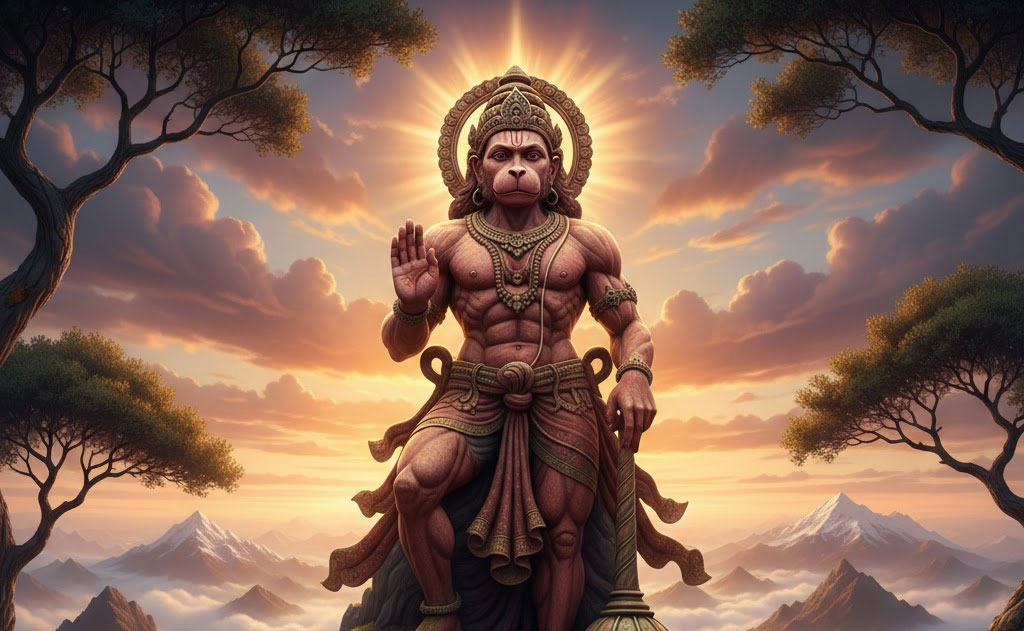

Tiruppavai & Gita Jayanti: The Divine Connection of Margashirsha

The sacred month of Margashirsha (Margazhi) holds a unique position in Hindu spirituality, blessed by two profound devotional traditions that illuminate the path to divine consciousness. While devotees across India celebrate Gita Jayanti Margasira and Tamil Vaishnavas immerse themselves in the Tiruppavai connection, few recognize the extraordinary spiritual harmony between these two sacred observances.
The Sanctity of Margashirsha: When Heaven Descends
“Among months, I am Margashirsha,” declares Lord Krishna in the Bhagavad Gita (10.35). This divine proclamation elevates Margashirsha to the most auspicious month in the Hindu calendar. It is during this blessed period that both the eternal wisdom of the Gita and the devotional nectar of Tiruppavai shower their grace upon spiritual seekers.
The winter month of Margashirsha (December-January) represents spiritual awakening when nature itself becomes conducive to meditation and devotion. The cool dawn hours witness millions rising before sunrise to seek divine communion through sacred verses.
Tiruppavai: Andal’s Immortal Dawn Songs
Composed by Andal, the only female Alvar among the twelve Vaishnava saints, the Tiruppavai consists of thirty exquisite Tamil verses. Each dawn of Margashirsha, these sacred pasurams (hymns) echo through South Indian temples and homes, calling devotees to awaken to divine love.
Andal’s verses depict young maidens (gopis) performing the Pavai vrata (sacred vow) during Margazhi, seeking Lord Narayana’s blessings. But beneath this poetic imagery lies profound Vedantic philosophy:
- Bhakti as the supreme path: Pure, selfless devotion transcending ritual
- Surrender to the Divine: Complete submission of ego
- Community worship: Collective spiritual journey toward God
- Divine grace: Recognition that liberation comes through divine will
The Tiruppavai begins with “Margazhi thingal madhinirandaal” (On the auspicious full moon day of Margazhi), immediately establishing the month’s spiritual significance.
Gita Jayanti: The Day Divine Wisdom Was Revealed
Gita Jayanti Margasira celebrates the day Lord Krishna imparted the Bhagavad Gita to Arjuna on the battlefield of Kurukshetra. This falls on the Shukla Ekadashi (eleventh day of the waxing moon) of Margashirsha, known as Mokshada Ekadashi.
The Bhagavad Gita represents the culmination of Vedic wisdom—a perfect synthesis of Karma Yoga (path of action), Bhakti Yoga (path of devotion), and Jnana Yoga (path of knowledge). Through 700 verses, Krishna reveals:
- The nature of the eternal soul (Atman)
- The paths to liberation (moksha)
- Dharma in action amidst worldly duties
- The supreme importance of devotion and surrender
- The omnipresence of the Divine in all creation
The Divine Parallels: Where Tiruppavai Meets the Gita
1. Supremacy of Bhakti (Devotion)
Both texts culminate in the same profound truth: pure devotion is the highest path. The Gita’s final teaching—”Abandon all varieties of dharma and simply surrender unto Me” (18.66)—finds its emotional expression in Andal’s complete self-offering to Lord Ranganatha.
Tiruppavai’s thirtieth verse describes total surrender: seeking nothing but the Lord’s lotus feet, His discus, His conch, and eternal service. This mirrors Krishna’s promise to devotees who surrender exclusively to Him.
2. Divine Assurance and Grace
Krishna assures Arjuna: “I shall deliver you from all sinful reactions. Do not fear” (Gita 18.66). Similarly, throughout Tiruppavai, Andal expresses complete faith in divine protection and grace, urging her companions to cast aside all fears and surrender to Narayana’s will.
3. Yoga of Action with Devotion
The Gita teaches performing duties without attachment to results (Nishkama Karma). Tiruppavai depicts the gopis engaged in their daily vrata—waking before dawn, bathing in cold water, singing praises—all performed as loving service rather than mere ritual obligation.
4. The Universal Divine
Krishna reveals His Vishvarupa (universal form) to Arjuna, showing how the Divine pervades all existence. Andal’s verses celebrate this same omnipresence, seeing Krishna in nature—in the rising sun, the flowing rivers, the morning birds—recognizing that all creation serves His glory.
5. Community and Individual Spirituality
Both texts balance individual spiritual growth with collective welfare. While the Gita addresses Arjuna personally, its wisdom serves all humanity. Tiruppavai shows individual devotees coming together, each awakening the other, creating a spiritual community that strengthens everyone’s practice.
The Margashirsha Connection: A Sacred Timing
Why does divinity choose Margashirsha for these revelations? The Tiruppavai connection to Gita Jayanti through this month reveals deep spiritual insight:
Sattvic Atmosphere: The winter month’s pre-dawn hours embody pure sattva guna (quality of goodness)—calm, clear, and conducive to spiritual absorption. Both the Gita’s profound philosophy and Tiruppavai’s devotional poetry require such receptive consciousness.
Natural Austerity: The cold predawn bathing (mentioned in Tiruppavai) represents natural tapas (austerity), purifying body and mind. This mirrors the Gita’s emphasis on disciplined practice as preparation for divine knowledge.
Harvest Season: Margashirsha follows the harvest, when basic needs are met, allowing focus on spiritual pursuits. Material sufficiency combined with spiritual hunger creates perfect conditions for divine communion.
Cosmic Alignment: Ancient wisdom recognizes Margashirsha as a period when cosmic energies favor spiritual elevation and divine grace flows more readily to sincere seekers.
Practical Devotion: Observing Both Traditions
Modern devotees can honor both these sacred traditions:
Daily Practice During Margashirsha
- Dawn Worship: Rise before sunrise (Brahma Muhurta) for meditation and prayer
- Recite Tiruppavai: Even one verse daily in Tamil or translation
- Study the Gita: Read and contemplate one chapter or selected verses
- Cold Water Bath: Following Andal’s example (if health permits)
- Sattvic Diet: Simple, pure vegetarian meals
On Gita Jayanti (Mokshada Ekadashi)
- Fast or Simple Food: Observe Ekadashi vrat
- Gita Parayana: Complete or partial recitation of the Bhagavad Gita
- Temple Visit: Seek darshan at Krishna or Vishnu temples
- Charity: Give to those in need, following both texts’ emphasis on compassion
Throughout the Month
- Community Singing: Join or organize bhajan sessions with both Gita slokas and Tiruppavai verses
- Service: Engage in seva (selfless service) as taught in both texts
- Contemplation: Reflect on the parallel teachings of surrender, devotion, and dharma
The Eternal Message: Then and Now
In our modern age of distraction and material pursuit, the Gita Jayanti Margasira and Tiruppavai connection offer timeless guidance. Both texts address the fundamental human condition—caught between duty and desire, seeking meaning beyond material existence.
Andal’s morning call to her sleeping friends resonates today as a wake-up call to spiritually slumbering souls. Krishna’s battlefield teaching reminds us that life’s challenges are opportunities for spiritual growth, not obstacles to avoid.
The beauty of Margashirsha lies in its invitation: whether through the philosophical depth of the Gita or the devotional sweetness of Tiruppavai, the Divine beckons all seekers. Some hearts respond to jnana (knowledge), others to bhakti (devotion)—Margashirsha honors both paths as leading to the same supreme reality.
Conclusion: One Moon, Two Divine Lights
As the moon of Margashirsha waxes toward the fullness of Mokshada Ekadashi, we witness the perfect harmony of divine revelation. The Bhagavad Gita and Tiruppavai are not separate traditions but complementary expressions of eternal truth—one in Sanskrit spoken by God Himself, the other in Tamil sung by His greatest devotee.
This Margashirsha, let us embrace both these sacred gifts. Let the Gita illuminate our minds with wisdom while Tiruppavai melts our hearts with love. In their divine synthesis lies the complete path—jnana enlightening bhakti, bhakti sweetening jnana.
As we awaken each cold dawn to Andal’s call and contemplate Krishna’s eternal wisdom, we discover what our ancestors knew: Margashirsha is not just a month on the calendar but a doorway to the Divine, opened wide by the grace of scripture and saint.
Hari Om Tat Sat
Join us this Margashirsha in celebrating both Tiruppavai recitations and Gita Jayanti. Subscribe to HinduTone.com for daily devotional insights, rare scriptural connections, and practical spiritual guidance for modern seekers.
Related posts:
 Margashirsha Masam 2025 Australia: Complete Guide, Dates, Rituals & Top Hindu Temples to Visit
 Margasira Masam 2025: Complete Guide to Start Date, End Date, Rituals, Temple Visits, and Powerful Mantras for USA Hindus
 Significance of Friday Vratham in Margasira Masam: The Lakshmi Patham That Brings Harmony
 Margasira Masam 2025: Complete Guide to Telugu Temple Celebrations Across USA
 Nostalgia for USA NRIs: Margasira Masam Memories From Telugu States
 Why Lord Vishnu is Worshipped Before Sunrise in Dhanurmasam? Mythological & Cosmic Reasons


 ︎
︎

