
Tiruppavai
14 articles
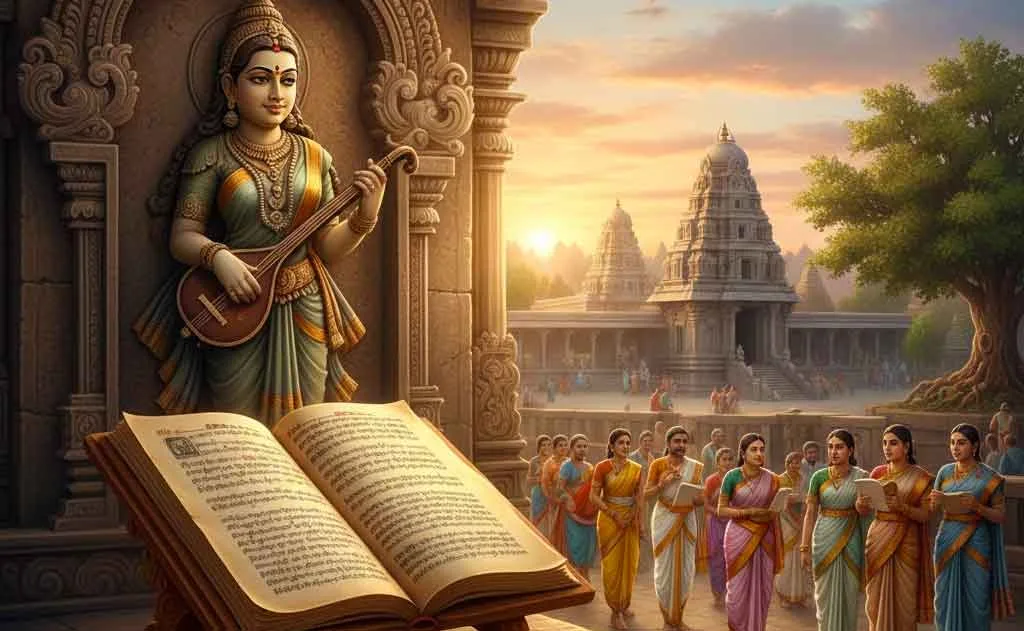
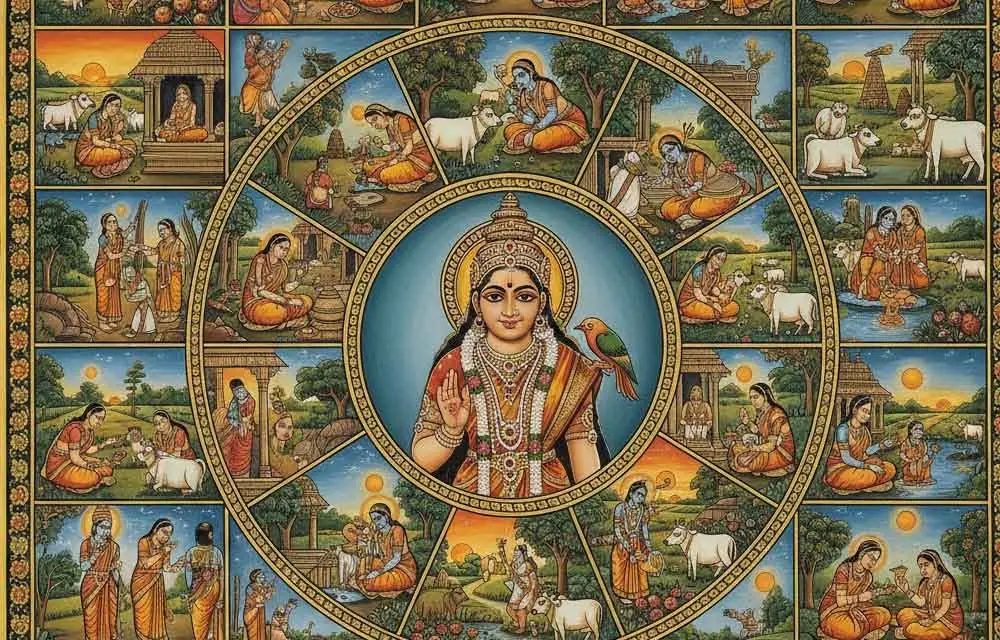
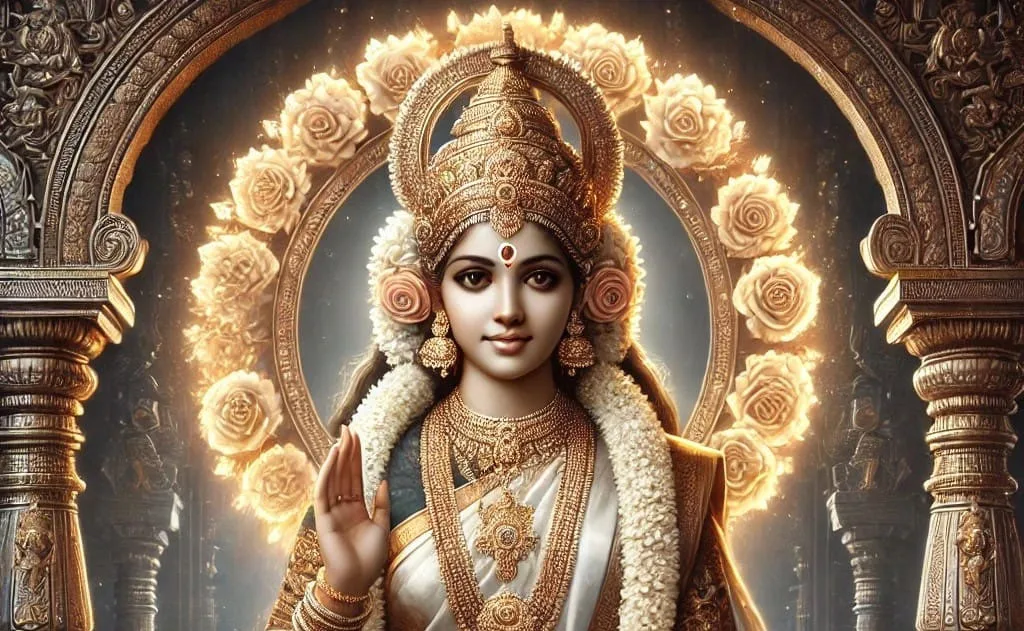
Tiruppavai is a garland of thirty Tamil verses, or pasurams, composed by Andal, the only woman among the twelve Alvar saints of the Sri Vaishnava tradition. Written in the voice of young cowherd girls who rise before dawn to bathe and seek Lord Krishna, the poems combine lyrical beauty with deep teachings on devotion and surrender to Lord Vishnu.
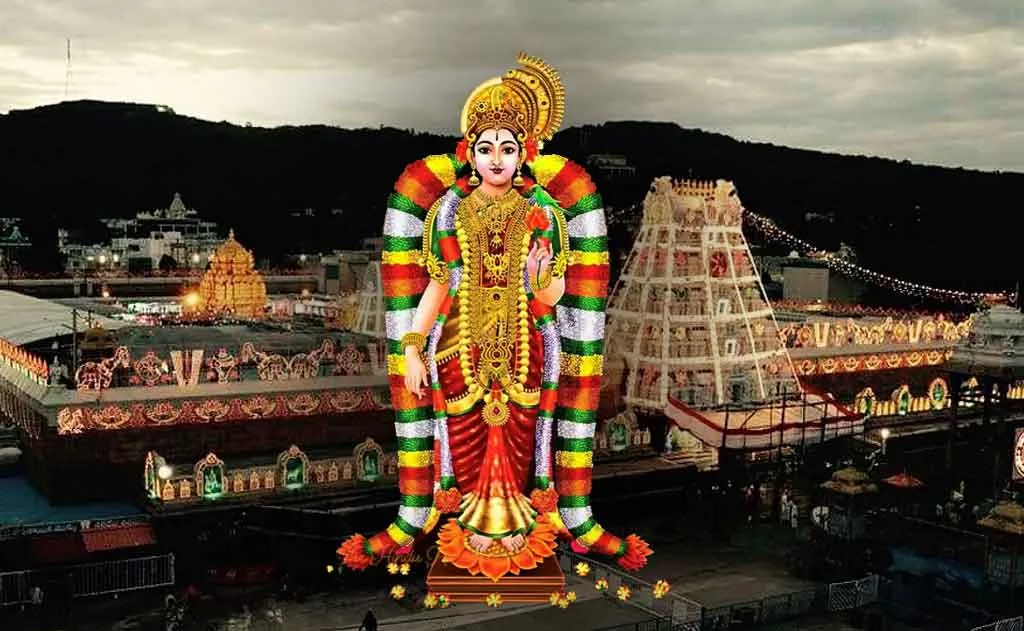
The Tiruppavai is traditionally recited during the month of Margazhi, known in the Telugu states as Dhanurmasam, when temples across South India and Vaishnava homes begin the day with one pasuram. Andal's own story, her devotion to Lord Ranganatha and her celebrated marriage to him at Srirangam, is lovingly retold in many communities.
On this page you will find the pasurams with transliteration and meaning, explanations of their inner symbolism, the life of Andal, and guides to observing Margazhi or Dhanurmasam at home and in temples. Related reading includes Dhanurmasam, the Divya Desam temples sung by the Alvars, and our wider coverage of Lord Vishnu.
Start Here
Latest Articles

Panchangam 16 December 2026, Wednesday: Dhanu Sankranti and the Start of Dhanurmasam, Tithi, Nakshatra and First Tiruppavai Dawn
Wednesday 16 December 2026 is Dhanu Sankranti, when the Sun enters Sagittarius and the sacred dawn month of…

Margazhi and Dhanurmasam 2026 in Singapore: Start Time, First and Last Dawn, Thiruppavai and Kolam
Margazhi (Dhanurmasam) 2026 in Singapore: the Sun enters Dhanu at 12:59 PM on Wednesday 16 December, the first…
Dhanurmasam 2026 in Australia: Margazhi Start and End Times City by City, First Dawn Thursday 17 December and a Summer Tiruppavai Routine
Dhanurmasam and Tamil Margazhi 2026 in Australia: the Sun enters Dhanu on the afternoon of Wednesday 16 December…
Dhanurmasam 2026 in Canada: Margazhi Start and End Dates, Sankranti Times and Tiruppavai Routine City by City
Dhanurmasam (Margazhi) 2026 in Canada, city by city: Dhanu Sankranti falls late on Tuesday 15 December everywhere…
Dhanurmasam 2026 UK Dates City by City: Margazhi Begins Wed 16 December (4:59 AM), Tiruppavai Routine for British Winters
Dhanurmasam (Margazhi) 2026 begins in the UK with Dhanu Sankranti at 4:59 AM on Wednesday 16 December, so the first…
Dhanurmasam 2026 USA: Margazhi Start and End Dates City by City, Dhanu Sankranti Times and a Daily Tiruppavai Routine
Dhanurmasam (Margazhi) 2026 in the USA, city by city: Dhanu Sankranti falls on the evening of Tuesday 15 December in…
Margazhi 2026: Tamil Month Dates (16 December to 14 January), Festivals, Kolam, Tiruppavai and Music Season
Margazhi 2026, the Tamil month of devotion, runs from Wednesday 16 December 2026 to Thursday 14 January 2027…
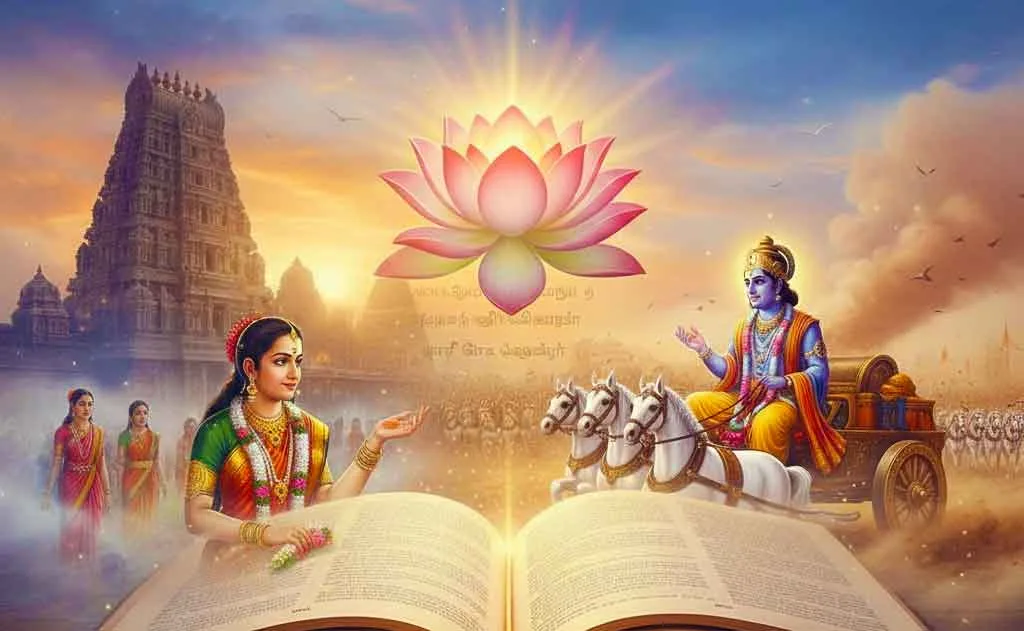
Tiruppavai & Gita Jayanti: The Divine Connection of Margashirsha
The sacred month of Margashirsha (Margazhi) holds a unique position in Hindu spirituality, blessed by two profound…
FAQs
What is Tiruppavai?
Tiruppavai is a Tamil devotional work of thirty verses, called pasurams, composed by Andal, also known as Goda Devi, the only woman among the twelve Alvar saints. In it, young cowherd girls wake one another before dawn to observe a vow and seek Lord Krishna's grace. It is part of the Nalayira Divya Prabandham.
When is Tiruppavai recited?
Tiruppavai is traditionally sung during Margazhi, also called Dhanurmasam, the solar month that usually runs from mid-December to mid-January. One pasuram is recited each morning at Vishnu temples and in homes, and Tirumala replaces Suprabhatam with Tiruppavai during this month.
Where can I find Tiruppavai meaning?
Many Sri Vaishnava mathas, TTD publications and respected scholars publish Tiruppavai with transliteration and verse-by-verse explanation in Tamil, Telugu, Hindi and English. Discourses by traditional acharyas during Dhanurmasam are also a good way to learn the meaning.