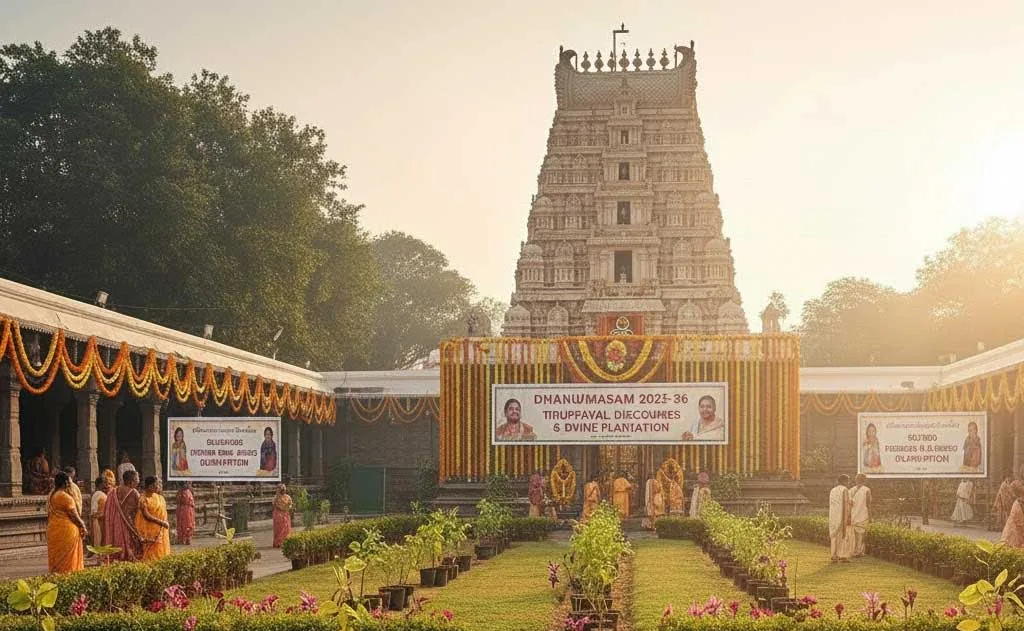
Importance of Tiruppavai in Tirumala During Dhanurmasam
Introduction The sacred hills of Tirumala witness a divine transformation during Dhanurmasam, when the awakening hymns of Suprabhatam give way to the melodious…
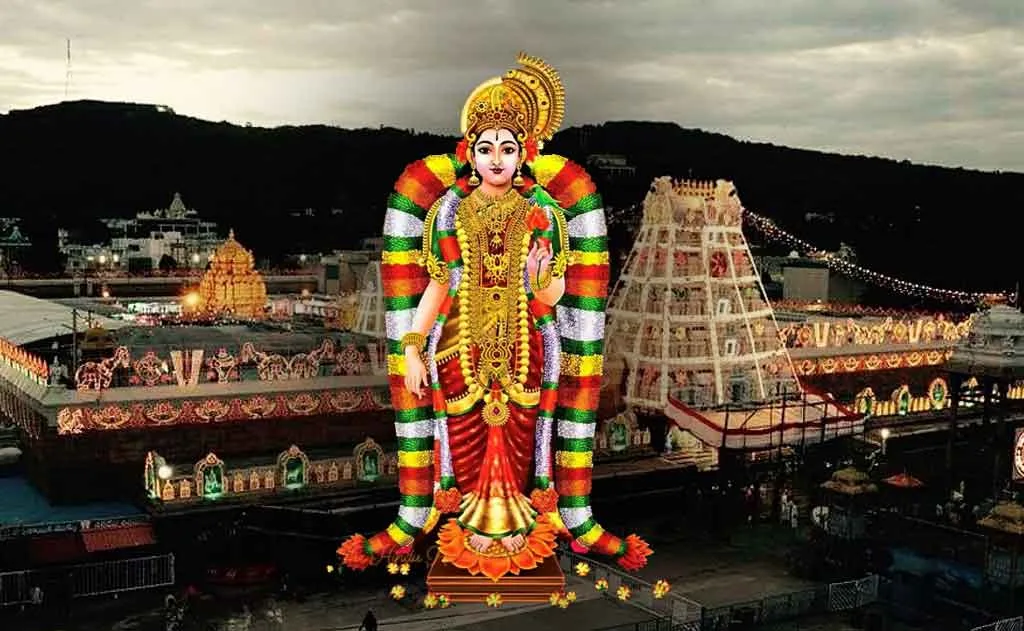
Introduction The sacred hills of Tirumala witness a divine transformation during Dhanurmasam, when the awakening hymns of Suprabhatam give way to the melodious…
Introduction
The sacred hills of Tirumala witness a divine transformation during Dhanurmasam, when the awakening hymns of Suprabhatam give way to the melodious pasurams of Tiruppavai. This annual tradition, observed from mid-December to mid-January, marks one of the most spiritually significant periods in the Tirumala Tirupati Devasthanams (TTD). The recitation of Andal's Tiruppavai during this auspicious month represents not just a ritual change, but a profound connection between devotion, tradition, and divine grace that has endured for centuries.
What is Dhanurmasam?
Dhanurmasam, also known as Margashirsha or Margazhi month, is considered one of the holiest months in the Hindu calendar. The period begins when the sun moves into the constellation of Sagittarius and continues until it moves out to Capricorn. In 2024-2025, Dhanurmasam commences on December 16 and concludes on January 14.
According to Hindu scriptures, this month holds exceptional spiritual importance. One day of the gods equals six months for humans, with Dhanurmasam falling at the end of Dakshinayana, making it equivalent to the Brahma Muhurtam for divine beings. This sacred time, occurring approximately ninety minutes before sunrise, is believed to amplify spiritual practices manifold.
Worshiping Lord Vishnu on a single day during this auspicious period is believed to be equal to worshiping Vishnu with devotion for one thousand years, making it an extraordinarily powerful time for devotees seeking divine blessings.
The Divine Story of Andal (Goda Devi)
Birth and Early Life
The story of Andal is one of divine grace and unwavering devotion. In the eighth century, in Srivilliputhur, Tamil Nadu, a devout Vaishnavite named Periyalvar discovered a beautiful girl child underneath a Tulasi plant in the temple garden. He named her "Goda Devi," meaning "one who is gifted by the Earth," and raised her in an atmosphere of love and devotion.
Periyalvar, also one of the twelve Alvars (poet-saints devoted to Lord Vishnu), had the sacred responsibility of preparing flower garlands for the temple deity. Growing up in this divine environment, young Goda developed an intense love for Lord Vishnu, particularly his form as Lord Ranganatha at Srirangam.
The Sacred Garland Incident
As Andal grew, her devotion manifested in a unique way. She would wear the garlands prepared for Lord Vishnu before offering them to the deity, wanting to ensure they looked beautiful. When Periyalvar discovered this, he was initially distressed, considering it inappropriate.
However, Lord Vishnu appeared in Periyalvar's dream and declared that He accepted Andal's garlands with great joy, affirming her unique devotion. From that day forward, she became known as "Andal" or "Choodikodutta Nachiyar" – the one who ruled over the Lord's heart, the one who gave the worn garland.
Divine Marriage and Ultimate Union
As Andal matured, her fervor for Vishnu grew to the extent that she decided to marry only Vishnu himself, constantly thinking about marrying Ranganatha of Srirangam. Her intense devotion and spiritual poetry eventually led to a divine intervention. According to tradition, Andal was taken to the Srirangam temple, where she ascended the serpent bed Adisesha and merged with Lord Ranganatha, never to be separated from Him.
This divine union made Andal the only female among the twelve Alvars and established her as an incarnation of Goddess Bhumi (Earth), consort of Lord Vishnu. She is revered as a manifestation of both Goddess Lakshmi and Bhumi Devi, making her worship particularly significant in Vaishnavite traditions.
What is Tiruppavai?
Composition and Structure
Tiruppavai is a masterpiece of Tamil devotional literature composed by Andal. It consists of thirty hymns in which Andal imagines herself as a gopi (cowherd girl) in Vrindavana, emphasizing that the ultimate goal of life is to seek surrender and refuge at Vishnu's feet.
The work is a spiritual vow, or "pavai," undertaken during Dhanurmasam, weaving a narrative of young girls seeking divine blessings while conveying profound spiritual truths. Each of the thirty pasurams (verses) corresponds to one day of Dhanurmasam, creating a structured spiritual journey throughout the sacred month.
Spiritual Significance
The Tiruppavai is far more than poetry; it is considered the essence of Vedic wisdom distilled into accessible Tamil verse. The hymns reflect principles of devotion (bhakti), surrender (prapatti), and communal worship, urging devotees to awaken spiritually, seek Krishna's blessings, and unite in devotion.
The first five pasurams serve as introductions, explaining the importance of the vow and emphasizing that purity of heart matters more than grand displays in worship. The verses promise that through devotion, rains will fall abundantly, crops will grow plentifully, and the country will prosper with well-being.
The Tiruppavai's genius lies in its dual nature: while the surface narrative describes girls performing a sacred vow to attain Lord Krishna's grace, the deeper meaning explores the soul's journey toward union with the divine. The awakening of the gopas represents spiritual realization, while their preparations symbolize the purification required for divine communion.
Tiruppavai Replaces Suprabhatam in Tirumala
The Annual Ritual Transformation
One of the most significant changes during Dhanurmasam at Tirumala is the replacement of the daily Suprabhatam with Tiruppavai. Each day during Dhanurmasam, one among the thirty Pasurams penned by Andal is recited in the inner sanctum before the presiding deity instead of Suprabhatam.
This rendition of Tiruppavai for waking up Lord Venkateswara continues from December 17 until January 14, after which Suprabhatam resumes. This practice is common across all Sri Vaishnavite temples, but holds special significance at Tirumala, where millions of devotees come to witness this sacred tradition.
Special Rituals During Dhanurmasam at Tirumala
The rituals at Tirumala undergo several unique modifications during this holy month:
Mooga Thomala: During Dhanurmasam, regular Thomala Seva is replaced by a special silent Thomala known as "Mooga Thomala," during which one Astra is recited daily.
Worship of Sri Krishna: In Tirumala, during Dhanurmasam, it is Sri Krishna and not Bhoga Srinivasa Murthy who is worshipped, receiving a bath in solitude with lukewarm water and being offered milk, butter, and Pongal. During Ekanta Seva in the late night, the idol of Sri Krishna Swamy is worshipped on the swing instead of Bhoga Srinivasa Murty.
Timing Adjustments: The schedule of daily rituals also changes during this period, with special attention given to the sacred Brahma Muhurtam hours before sunrise, when spiritual practices are believed to be most potent.
Adhyayanotsavam
Sri Ramanuja established Adhyayana Utsavam in all Vaishnava temples, which is observed during Dhanurmasam. This twenty-five-day festival, commencing eleven days before Vaikuntha Ekadasi, features the rendition of Nalayira Divya Prabandha Pasura Parayanam, the collection of hymns composed by the twelve Alvars.
The Adhyayanotsavam represents a comprehensive celebration of Alvar literature and devotion, with Tiruppavai occupying the central position as the morning awakening hymn.
TTD's Role in Propagating Tiruppavai
Recitation at Tirumala and Beyond
The Tirumala Tirupati Devasthanams plays a crucial role in preserving and propagating the Tiruppavai tradition. Daily recitation takes place at Sri Pedda Jeeyar Mutt at Tirumala between seven and eight in the morning, presided over by His Holiness Sri Periyakovil Kelviyappan Sri Shatagopa Ramanuja Periya Jeeyar Swamy and graced by Sri Tirumala Chinna Jeeyar Swamy.
This spiritual program is telecast live by SVBC every day between seven and eight in the morning for the benefit of global devotees, allowing millions worldwide to participate in this sacred tradition from their homes.
Tiruppavai in TTD Local Temples
The tradition extends beyond Tirumala's main temple. Tiruppavai is recited at Sri Govindaraja Swamy temple, Sri Kodanda Ramaswamy temple, Sri Prasanna Venkateswara Swamy temple of Appalayagunta, and Sri Kalyana Venkateswara Swamy temple of Srinivasa Mangapuram.
TTD has systematically organized Tiruppavai recitation and discourses across its network of temples, ensuring that this spiritual heritage reaches devotees throughout the region and beyond.
Educational Initiatives
TTD conducts Tiruppavai discourses and upanyasams (spiritual lectures) during Dhanurmasam at hundreds of centers across India. These educational programs help devotees understand the deeper philosophical meanings embedded in Andal's verses, connecting ancient wisdom with contemporary spiritual seekers.
Vaikuntha Ekadasi Connection
During Dhanurmasam, the most auspicious festival of Vaikuntha Ekadasi is observed at Tirumala. This festival, which falls during the sacred month, holds special significance as one of the most important dates in the Vaishnavite calendar.
Before Vaikuntha Ekadasi, Koil Alwar Tirumanjanam is performed, purifying the entire temple premises. The Vaikuntha Dwara (Gate to Vishnu's abode) is opened for the grand darshan of Lord Venkateswara, and devotees who pass through this sacred door are believed to eventually reach Vaikunta and receive the Lord's graceful blessings.
The combination of Tiruppavai recitation throughout Dhanurmasam and the celebration of Vaikuntha Ekadasi creates an atmosphere of intense spiritual energy that attracts hundreds of thousands of pilgrims to Tirumala during this period.
Conclusion of Dhanurmasam
The Dhanurmasam celebrations conclude with the Bhogi festival on the thirtieth day, when Goda (Andal) Tirukalyanam is performed in the temple of Sri Govindaraja Swami Andal Sannidhi in Tirupati. Flower garlands from Andal Sannidhi are carried ceremoniously to Tirumala and adorned on the Dhruva Bera, the fixed idol of Lord Venkateswara.
This symbolic union between Andal and Lord Venkateswara at the conclusion of Dhanurmasam represents the fulfillment of spiritual aspiration and the divine grace that devotees seek through their month-long observances.
Spiritual Benefits and Modern Relevance
Traditional Beliefs
The recitation and observance of Tiruppavai during Dhanurmasam is believed to bestow numerous spiritual and material benefits. Devotees who sincerely engage with these practices are said to receive:
- Protection from natural calamities and diseases
- Prosperity and abundance in all aspects of life
- Spiritual merit equivalent to years of worship
- Progress on the path to moksha (liberation)
- Mental peace and emotional fulfillment
Contemporary Significance
In today's world, Andal's message through Tiruppavai remains remarkably relevant. The emphasis on community worship, environmental harmony (as reflected in prayers for proper rainfall and agricultural prosperity), and the balance between material well-being and spiritual growth resonates with modern seekers.
The practice of rising early during Brahma Muhurtam aligns with contemporary understanding of circadian rhythms and the benefits of meditation during predawn hours. The communal aspect of the observance, with groups gathering to recite the pasurams, fulfills the human need for spiritual community in an increasingly isolated world.
How Devotees Can Participate
At Tirumala
Devotees visiting Tirumala during Dhanurmasam should:
- Plan their pilgrimage between December 16 and January 14
- Attend the early morning Tiruppavai recitation at the main temple
- Participate in the Adhyayanotsavam celebrations
- Experience darshan during Vaikuntha Ekadasi for maximum spiritual benefit
- Visit Sri Govindaraja Swamy temple in Tirupati for additional Tiruppavai programs
From Home
For those unable to travel to Tirumala:
- Watch the live telecast on SVBC between 7-8 AM daily
- Learn and recite the Tiruppavai pasurams at home
- Observe simple fasts and devotional practices during the month
- Join local temple programs offering Tiruppavai recitation
- Study commentaries on Tiruppavai to understand deeper meanings
Conclusion
The importance of Tiruppavai in Tirumala during Dhanurmasam represents a beautiful convergence of poetry, devotion, ritual, and spiritual aspiration. Through Andal's divine composition, devotees across centuries have found a path to connect with Lord Vishnu, seeking both worldly prosperity and ultimate liberation.
The TTD's careful preservation and propagation of this tradition ensures that Andal's legacy continues to inspire millions. Whether one experiences it through the predawn recitation in the sanctum sanctorum of Tirumala's temple or through televised broadcasts reaching homes worldwide, the Tiruppavai remains a living testament to the power of pure devotion and the timeless appeal of sacred poetry.
As the sun moves through Sagittarius each year, and as devotees awaken in the sacred hours of Brahma Muhurtam to the melodious verses of Tiruppavai, the spirit of Andal's divine love continues to illuminate the spiritual journey of countless seekers, just as she envisioned over twelve centuries ago.
For the latest updates on Dhanurmasam celebrations and Tiruppavai schedules at Tirumala, devotees can visit the official TTD website at tirumala.org or follow SVBC for live telecasts.
Also read: Tirumala calendar December 2026 and Vaikuntha Ekadasi 2026 at Tirumala.
Frequently Asked Questions
Why is Suprabhatam replaced by Tiruppavai at Tirumala?
During Dhanurmasam, one of Andal's thirty pasurams is recited each day in the sanctum to wake Lord Venkateswara instead of Suprabhatam. The recitation runs from December 17 until January 14, after which Suprabhatam resumes.
What is Mooga Thomala at Tirumala?
It is a silent Thomala Seva that replaces the regular Thomala Seva during Dhanurmasam. One Astra is recited daily during it.
Who is worshipped at Tirumala during Dhanurmasam?
Sri Krishna is worshipped instead of Bhoga Srinivasa Murthy. He receives a bath with lukewarm water and offerings of milk, butter and Pongal, and during Ekanta Seva the Sri Krishna idol is placed on the swing.
Can devotees abroad watch the Tiruppavai recitation?
Yes. The daily recitation at Sri Pedda Jeeyar Mutt in Tirumala is telecast live by SVBC between seven and eight in the morning, so global devotees can join from home.
Why is Dhanurmasam considered so auspicious?
It is said to be like the Brahma Muhurtam of the gods, about ninety minutes before sunrise, which amplifies spiritual practice. Worshipping Vishnu for a day in this month is believed to equal a thousand years of devoted worship.
How many verses does Tiruppavai have and who wrote it?
Tiruppavai has thirty pasurams composed by Andal, the only female among the twelve Alvars. Each verse corresponds to one day of Dhanurmasam.
You might also like
Tiruppavai & Gita Jayanti: The Divine Connection of Margashirsha
Tirumala Tirupati TTD — Complete Guide for NRIs (Darshan, Seva, Accommodation)
Anant Ambani Donates 25 Electric Buses to Tirumala TTD | ₹27.5 Crore Mahā Kānuka