Rare TTD Offer for Youth: Write ‘Govinda Koti’ and Get VIP Break Darshan for Your Entire Family!
Date: November 24, 2025Place: Tirumala Tirumala Tirupati Devasthanams (TTD) has launched a remarkable devotional initiative called ‘Govinda Koti’, aimed at…
Date: November 24, 2025Place: Tirumala Tirumala Tirupati Devasthanams (TTD) has launched a remarkable devotional initiative called ‘Govinda Koti’, aimed at…
Date: November 24, 2025
Place: Tirumala
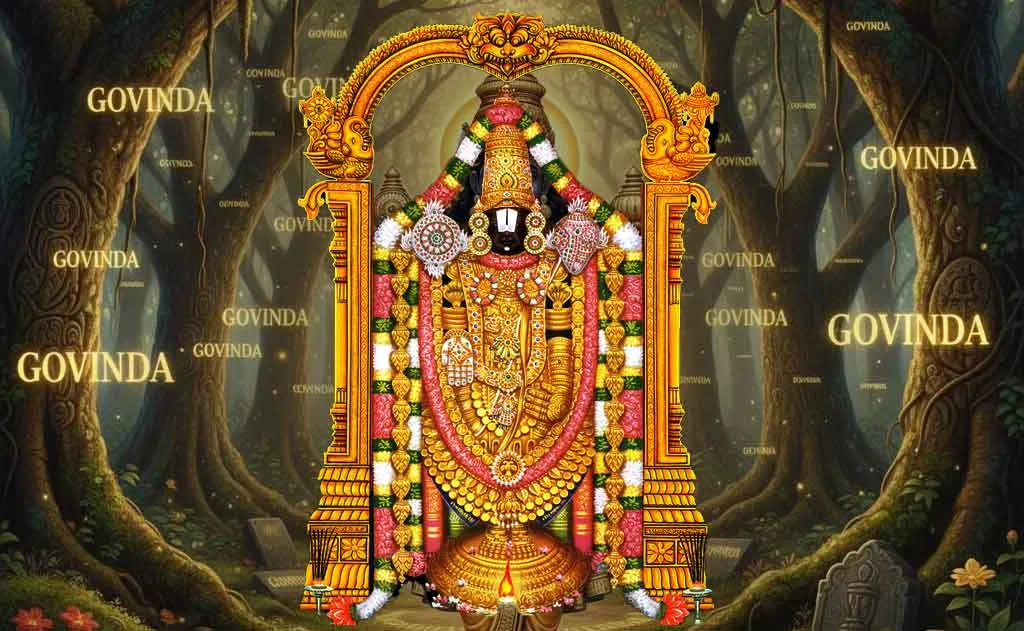
Tirumala Tirupati Devasthanams (TTD) has launched a remarkable devotional initiative called ‘Govinda Koti’, aimed at inspiring spirituality among the youth. Under this program, young devotees aged 25 or below can earn not only VIP Break Darshan for themselves but also for their entire family—by writing the sacred name ‘Govinda’ one crore (plus) times.
Govinda Koti Scheme – Complete Details
Book & Writing Details
- Each writing book contains 200 pages.
- 396 names can be written per page.
- Approx. 26 books are needed for 10,01,116 names.
- Completing 1 crore names usually takes a minimum of 3 years.
How to Participate?
- Where to get books?
Available at all TTD information centers, book sales counters, and via official TTD mobile apps and website. - Submission Process:
Completed books should be submitted at the TTD Peshkar Office, Tirumala. - Darshan Arrangements:
Upon verification, the VIP Break Darshan token is issued the very next day.
Inspiring First Beneficiary – The Story of Nuthi Pooja
Nuthi Pooja (24) from Thuni, East Godavari, works as a software engineer in Hyderabad. With midnight project schedules for a US client, she was under intense workload and stress. Writing the Govinda Nama slowly transformed her life.
Her Journey
Blessings Received
- On November 14, Pooja received VIP Break Darshan along with her husband Abhishek, witnessing Lord Venkateswara right from the first threshold.
- She also secured a spot in the Kalyanotsavam through the offline lucky dip.
Her Testimony
“After I began writing the Govinda Nama, all my work stress disappeared. My mind became peaceful. By Swamy’s grace, I received the rare blessing of darshan from the very first threshold.”
Growing Response
- Thousands of youth have already joined this sacred movement.
- Just like the historic Ramakoti tradition, the Govinda Koti initiative is reviving Sanatana Dharma values among the younger generation.
- Despite heavy rush at Tirumala, participating youth are getting convenient and blessed darshan experiences.
Conclusion
Through the Govinda Koti program, TTD is guiding today’s youth toward devotion, discipline, and inner peace—while also granting them a divine darshan experience. Young devotees are encouraged to seize this once-in-a-lifetime opportunity.
www.hindutone.com
Your trusted source for Hindu culture, spirituality, and temple updates.
What is the Scriptural Significance of Writing the Divine Name 'Govinda'?
The practice of Nama Likhita Japa — writing a divine name repeatedly as a form of worship — is rooted deeply in Sanatana Dharma. The Vishnu Sahasranama, found in the Anushasana Parva of the Mahabharata, lists 'Govinda' as one of the thousand names of Lord Vishnu, carrying the meaning 'one who gives joy to the earth, to cows, and to the senses.' The Bhagavata Purana further extols nama-smarana (constant remembrance of the Lord's name) as the most accessible form of devotion in the Kali Yuga.
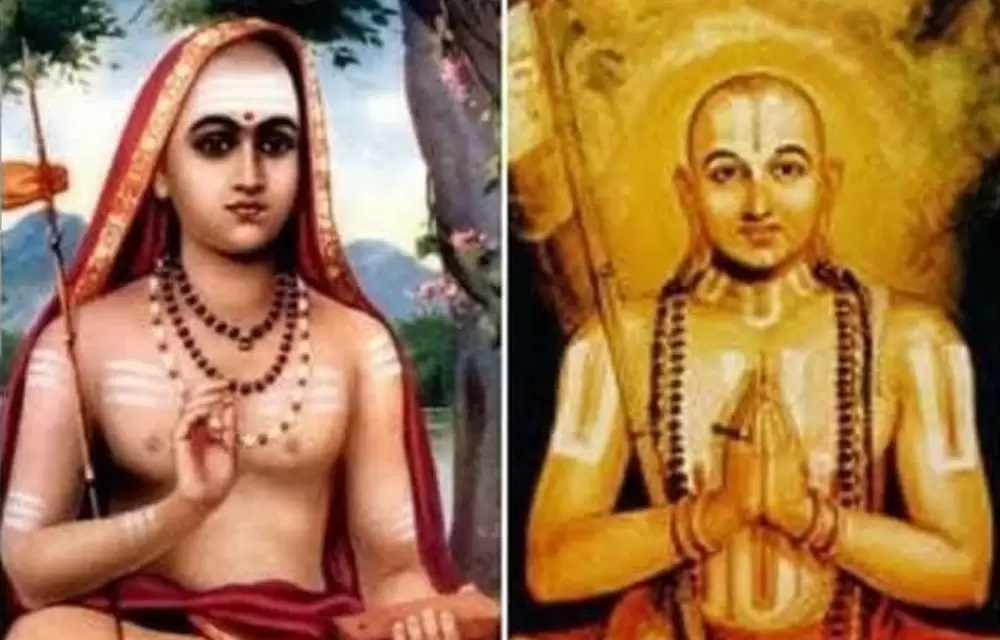
Adi Shankaracharya's celebrated hymn Bhaja Govindam opens with an urgent exhortation to seek Govinda above all worldly pursuits, underscoring the transformative power embedded in that single name. According to the Padma Purana, even an inadvertent utterance of Vishnu's name during an unrelated act carries merit — deliberate, disciplined repetition, as in Govinda Koti, is therefore considered immeasurably more potent. TTD's initiative gives this ancient scriptural counsel a structured, community-driven form accessible to modern youth.
How Does the Govinda Koti Initiative Connect to the Ancient Ramakoti Tradition?
The Ramakoti tradition — writing 'Sri Rama' one crore times — has been observed across Andhra Pradesh, Telangana, and Tamil Nadu for several centuries, particularly by elderly devotees seeking spiritual merit in their later years. TTD's Govinda Koti program consciously mirrors this legacy but redirects its focus toward youth under 25, recognising that nama-sadhana practised early in life can anchor character and mental resilience through decades of worldly engagement.
Historically, Ramakoti participants would gather at temples such as the Bhadrachalam Sri Sita Ramachandra Swamy Temple and Srirangam Ranganathaswamy Temple to submit their completed manuscripts and receive the blessings of the presiding deity. Govinda Koti adapts this submission ritual to Tirumala's administrative framework, routing completed books through the TTD Peshkar Office, thereby combining the emotional weight of a pilgrimage destination with the discipline of a structured writing practice.
By offering VIP Break Darshan — a privilege that allows devotees to witness Lord Venkateswara from the very first threshold (Mahadwaram) rather than enduring the standard queue that can exceed 20 hours — TTD is providing tangible, immediate recognition for spiritual effort, a model that bridges the gap between ancient merit-earning traditions and the expectations of a results-oriented younger generation.
Who is Lord Venkateswara and Why is Darshan at Tirumala Considered Supreme?
Lord Venkateswara, enshrined atop the Seshachala Hills in Tirumala, Tirupati, Andhra Pradesh, is a form of Lord Vishnu worshipped as Kaliyuga Pratyaksha Daivam — the deity who is visibly and directly accessible in the current age of Kali. The Varaha Purana and the Venkatesha Mahatmyam within the Skanda Purana describe the Tirumala hills as Vaikuntham on earth, rendering darshan there spiritually equivalent to reaching the divine abode of Lord Vishnu.
The presiding deity is adorned with the Srivari Thiruchanoor Padmavathi Ammavari significance nearby and is attended through an elaborate system of Agama Shastra-based rituals overseen by TTD priests following the Vaikhanasa Agama tradition. Devotees from across the world visit the shrine in such numbers that Tirumala receives an average of 50,000 to 100,000 pilgrims daily, making a direct, close-up darshan from the Mahadwaram — as gifted through this program — a genuinely rare and cherished blessing.
What Psychological and Spiritual Benefits Does Likhita Japa Offer to Working Youth?
Likhita Japa engages three faculties simultaneously — the hand (karma), the eye (perception), and the mind (chitta) — creating a form of single-pointed concentration (dharana) that the Yoga Sutras of Patanjali identify as a precursor to deeper meditative states. Unlike silent mental repetition, which can be interrupted by distraction, the act of writing creates a visible, tangible record of devotion that itself becomes an object of focus and accountability.
Modern occupational stress, of the kind experienced by the program's first beneficiary Nuthi Pooja in her IT career, is well known to fragment attention and heighten anxiety. The steady, rhythmic motion of writing a sacred name serves as what might be called structured pratyahara — a withdrawal of the senses from external noise — allowing the nervous system to settle. Several traditional acharyas have noted that the repetitive physical act of writing itself carries meditative value independent of the semantic content, making it especially useful for individuals who struggle with conventional seated meditation.
The three-year minimum timeline to complete one crore names is itself spiritually instructive. It trains the practitioner in the virtue of dhairya (patient perseverance), which the Bhagavad Gita's seventeenth chapter classifies as a quality of sattvic tapas or purifying austerity. Completing the task thus becomes as meaningful as any formal vrata observed in the Hindu calendar.
What are the Practical Steps and Eligibility Details Youth Should Know Before Enrolling?
The Govinda Koti program is open to devotees aged 25 years and below at the time of enrollment. Each dedicated writing book contains 200 pages with a capacity of 396 names per page, meaning a single book holds approximately 79,200 names. To reach the required threshold of 1,00,01,116 names (one crore plus), a participant needs to complete roughly 26 such books — a commitment that, spread across three years, works out to approximately 25 to 30 names written daily.
Books can be obtained from TTD Information Centers located at Tirumala, Tirupati, and other TTD-managed counters, as well as through the official TTD mobile application and the TTD website (ttdsevaonline.com). Devotees are advised to keep a personal log of completion dates for each book, as the Peshkar Office at Tirumala requires the books to be submitted together for verification before the VIP Break Darshan token is issued for the next day.
Family members accompanying the participant for VIP Break Darshan do not need to be below 25; the privilege extends to the entire family of the qualifying youth devotee. Participants are encouraged to write their name, age, address, and contact details inside the front cover of each book so that verification at submission is smooth. TTD periodically updates its seva guidelines, so devotees should confirm the latest submission procedures through official TTD channels before travelling to Tirumala.
How Does This Initiative Fit Within TTD's Broader Mission of Youth Spiritual Engagement?
TTD, the largest temple administrative body in the world by the scale of devotee footfall and endowment management, has over the past decade launched several programs aimed at connecting younger generations to temple culture. These include the Sapthagiri Express magazine for students, scripture competitions under the Sri Venkateswara Vedic University at Tirupati, and free online classes in the Vaikhanasa Agama and Vedic chanting. Govinda Koti is distinctive among these in that it requires active, sustained daily discipline rather than a single event or short course.
The initiative also carries a social dimension: when thousands of young professionals, students, and homemakers across India and abroad take up the same practice simultaneously, it creates a shared community of purpose — a modern sangha — anchored by devotion to a common deity. TTD has noted the 'growing response' and the thousands who have already enrolled, suggesting that this grassroots spiritual movement may eventually rival the scale of older nama-japa traditions in its cultural footprint.
For the broader Sanatana Dharma ecosystem, programs like Govinda Koti represent a significant reorientation: ancient wisdom practices are being preserved not merely as museum pieces or festival observances but as living, daily disciplines with immediate, experiential rewards. The testimony of participants like Nuthi Pooja — whose inner transformation preceded and arguably overshadowed even the coveted VIP darshan itself — points to the deeper intention behind the initiative: to make Lord Venkateswara's grace a constant, working presence in young lives.
Frequently Asked Questions
What is Rare TTD Offer for Youth?
Date: November 24, 2025 Place: Tirumala Tirumala Tirupati Devasthanams (TTD) has launched a remarkable devotional initiative called ‘ Govinda Koti’ , aimed at inspiring spirituality among the youth. Under this program, young devotees aged 25 or below can earn not only VIP Break Darshan for themselves but also for their entire family —by writing the sacred na
What are the key points about Rare TTD Offer for Youth?
Govinda Koti Scheme – Complete Details Book & Writing Details Each writing book contains 200 pages . 396 names can be written per page.
Why does Rare TTD Offer for Youth matter in Hinduism?
It deepens a devotee's connection with Lord Krishna and with the values of Sanatana Dharma — clarity, devotion and dharmic living.
How can devotees apply Rare TTD Offer for Youth in daily life?
By reflecting on its teaching, incorporating the related practices or observances into daily routine, and approaching it with sincere devotion and understanding.
You might also like
Shani Deva Temples Worldwide & Must-Performed Rituals — Complete Devotee's Guide
12 Jyotirlingas of Lord Shiva: Complete Darshan Guide, Pilgrimage Circuits & NRI Travel Tips
Bhaja Govindam: Adi Shankaracharya's Most Beloved Philosophical Hymn — Complete Guide to 31 Verses