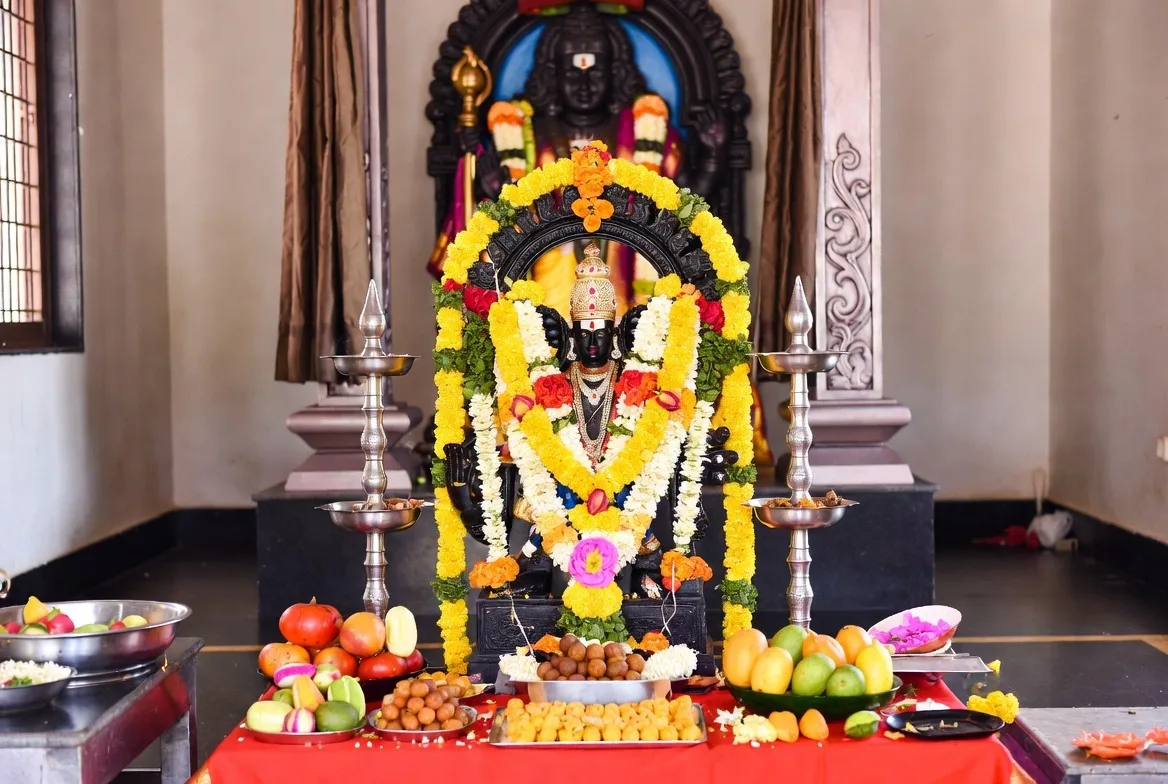
Nostalgia for USA NRIs: Margasira Masam Memories From Telugu States
The Sacred Month That Connects Two Worlds Every November-December, when the autumn leaves fall in America and the cold sets in, something stirs deep within the…
The Sacred Month That Connects Two Worlds
Every November-December, when the autumn leaves fall in America and the cold sets in, something stirs deep within the hearts of Telugu NRIs. It's not just the changing season—it's the memory of Margasira Masam, the most sacred month in the Telugu calendar, when Krishna himself declared in the Bhagavad Gita: "Among months, I am Margasira."
For those of us who grew up in Andhra Pradesh and Telangana, this wasn't just a month—it was a way of life. And now, thousands of miles away in suburban America, these memories become even more precious.
The 4 AM Wake-Up Calls We Now Miss
Remember when your mother or grandmother would gently shake you awake at 4 in the morning? Back then, we groaned and complained. Now, in our comfortable American homes with central heating, we'd give anything to experience that again.
The Brahma Muhurtam bath was non-negotiable. In those chilly winter mornings of Andhra, the water would be ice-cold despite our protests. Mothers would add turmeric (pasupu) to the water—not just for its purifying properties, but because it was believed to ward off the winter cold and protect children from seasonal illnesses.
The ritual was simple but profound: wake before sunrise, bathe, and proceed directly to the puja room. No breakfast, no distractions. First, devotion.
The Intoxicating Smell of Early Morning Pujas
Close your eyes and you can still smell it, can't you?
Fresh jasmine flowers (malle puvvu) strung into garlands. Camphor burning during the aarti. Incense sticks—usually Agarbatti or Cycle brand—filling the small puja room with fragrant smoke. The earthen smell of wet kumkuma and pasupu. And if you were lucky, the divine fragrance of parijatam flowers that bloomed only in winter.
Every Telugu household transformed into a miniature temple during Margasira Masam. The steel or brass pancha patram and uddarini would be polished until they shone. The kalasam (sacred pot) would be filled with water, mango leaves arranged around its neck, and a coconut placed on top—representing the universe itself.
Gobbillu: The Lost Art of Rangoli
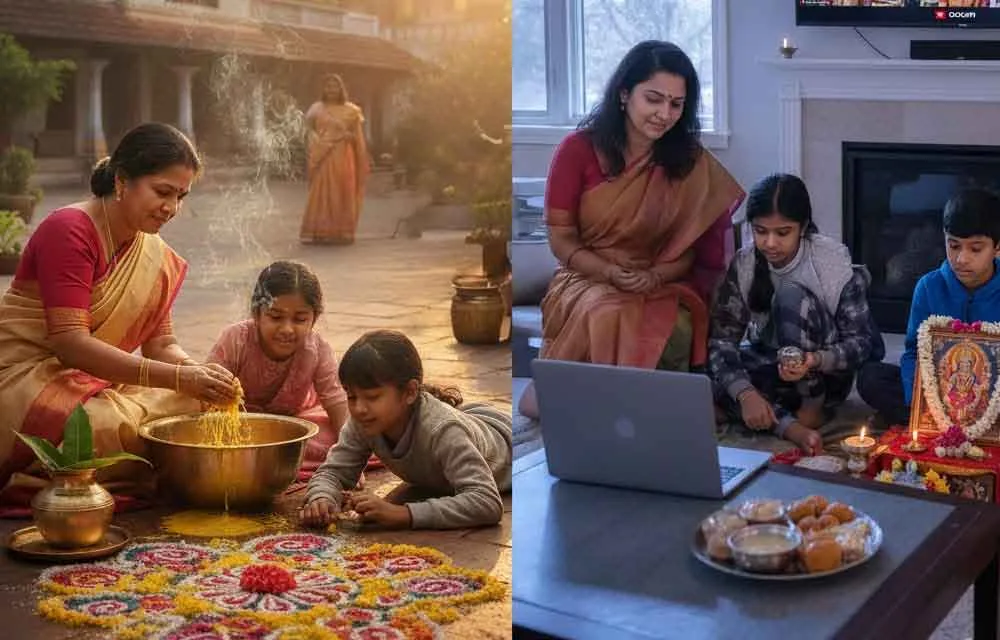
Before the sun rose, women and young girls would create gobbillu (rangolis) at the entrance. Not the simple ones we sometimes manage in our American driveways during Diwali—these were elaborate designs made fresh every single morning for an entire month.
Using rice flour or chalk powder, they'd draw intricate patterns: lotus flowers, peacock feathers, traditional muggulu designs passed down through generations. In villages, these would often include footprints leading to the puja room—symbolizing Goddess Lakshmi's arrival into the home.
Some families added a touch of turmeric or vermillion to make them more colorful. The neighborhood would wake up to a competition of sorts—whose gobbillu was the most beautiful? Now, we scroll through Instagram looking at pictures of these same designs, hearts aching with nostalgia.
The 30-Day Lakshmi Puja Marathon
Margasira Masam meant daily Lakshmi Puja. Not the abbreviated versions we manage now between Zoom meetings and grocery runs, but proper, elaborate pujas that lasted 30-45 minutes.
The family would gather in the puja room. Grandmother or mother would lead, while others participated. The panchaamrutam (mixture of milk, curd, honey, ghee, and sugar) would be prepared fresh. Each family member would take turns offering flowers to the deity while chanting:
"Om Mahalakshmyai Namaha"
The aarti song would echo through the house: "Jai Lakshmi Mata, Maiya Jai Lakshmi Mata..." Even the most tone-deaf among us knew these words by heart.
After the puja, the prasadam—usually sweet pongal, ariselu, or bellam paramannam (jaggery rice pudding)—would be distributed. That first bite of warm, sweet prasadam on a cold winter morning? Pure bliss.
The Community That Made It Special
Here's what we miss most: the community.
In Telugu neighborhoods, Margasira Masam was a collective experience. Women would visit each other's homes after morning puja, sharing recipes and prasadam. Children would run between houses, comparing whose grandmother made the best garelu (vadas) or appalu.
Thursday evenings were reserved for Satyanarayana Vratam in someone's home. Friday mornings meant Varalakshmi Vratam gatherings. The entire neighborhood felt like one extended family, united in devotion.
In America, we try to recreate this. We form WhatsApp groups, coordinate visits to Hindu temples in neighboring cities, and invite Telugu friends over for weekend pujas. But it's not quite the same without the spontaneity, without the athayya from next door dropping by with home-made kudumulu, without the street vendor's call announcing fresh janthikalu for puja.
Food: The Bhog That Fed Body and Soul
Margasira Masam had its own culinary calendar. Special foods were prepared not just as offerings but as part of the spiritual practice:
For Goddess Lakshmi: Bellam paramannam (sweet pongal), ariselu, bobbatlu, fresh fruits
For daily breakfast: Warm ragi sangati or jowar roti with neyyi (ghee), palli chutney (peanut chutney)
Special festival days: Pulihora (tamarind rice), garelu, appalu, kudumulu (steamed rice dumplings)
The kitchens would be busy from 4:30 AM. The sound of grinding stone (rolu-rokali) preparing masalas, the sizzle of ghee on the tawa, the pressure cooker whistling—these were the background sounds of devotion.
Today, in our American kitchens with electric stoves and Instant Pots, we try to recreate these dishes. We order idli rice from Indian grocery stores, use store-bought rice flour, and Google recipes our grandmothers knew by instinct. The taste is close, but something intangible is missing—maybe it's the wood-fired stove's smokiness, or maybe it's the love of joint family preparation.
The Spiritual Teachings We Didn't Know We Were Learning
As children, we participated in Margasira Masam rituals without fully understanding their depth. We were just following our parents. But now, as adults raising children in America, we realize what profound lessons were embedded in those daily practices:
Discipline: Waking up at 4 AM for 30 consecutive days taught consistency and commitment.
Gratitude: Daily prayers cultivated thankfulness for life's blessings.
Community: Collective worship built social bonds and support systems.
Simplicity: The month encouraged simple living—most families avoided luxury purchases, focused on vegetarian food, and minimized celebrations.
Faith: Regular spiritual practice deepened the connection with the divine.
Our parents weren't just teaching us religious rituals; they were shaping our character, building our resilience, and connecting us to thousands of years of tradition.
Margasira in America: Keeping the Flame Alive
Today's Telugu NRI families face unique challenges. Our children wake up to the sound of school bus schedules, not bhajans. Thanksgiving often coincides with Margasira Masam, creating a beautiful but complex cultural mashup. We explain Krishna's declaration about Margasira to kids who are learning about Pilgrims in school.
But something beautiful is happening too.
Telugu communities across America—from New Jersey to California, from Texas to Michigan—are finding creative ways to preserve these traditions:
- Virtual morning pujas: Families join Zoom calls at 6 AM (a compromise from the traditional 4 AM!) to chant together
- Weekend community gatherings: Since daily participation is impossible, temples organize special Margasira Masam programs on Saturdays and Sundays
- Children's workshops: Teaching young ones how to make gobbillu, perform aarti, and understand the significance of each ritual
- Recipe exchanges: WhatsApp groups buzzing with grandmother's recipes, YouTube tutorials on making perfect ariselu
- Story-telling sessions: Elders sharing memories and significance with second-generation kids
The Emotional Core: What We're Really Missing
When we feel nostalgic for Margasira Masam, we're not just missing rituals. We're mourning a way of life where:
- Time moved slower
- Family bonds were tighter
- Spirituality was woven into daily routine, not scheduled between activities
- Elders' voices singing devotional songs were our morning alarm
- The smell of camphor and incense was home's signature fragrance
- Faith wasn't questioned but lived and breathed
We miss the version of ourselves who participated innocently, who believed completely, who didn't overthink divinity.
Passing the Torch: A Message to the Next Generation
To the Telugu children growing up in America: your parents get teary-eyed during Margasira Masam for reasons that might not make sense to you now. That insistence on waking you up for weekend morning puja, on teaching you slokas you can't pronounce properly, on making you participate even when you'd rather sleep in—it comes from a deep place of love and loss.
Your parents are trying to give you something precious: roots. An identity that transcends geography. A spiritual anchor in an increasingly chaotic world. Stories and traditions that connect you to ancestors you'll never meet but whose DNA flows in your veins.
One day, perhaps when you're an adult with your own children, you'll understand. You'll wake up on a cold November morning in America, hear a devotional song playing somewhere, smell incense, and suddenly be transported to a home you've never lived in, in a country that exists more in stories than memory. And you'll realize what your parents tried so hard to preserve.
A Prayer Across Oceans
As we navigate this dual existence—American by residence, Telugu by heart—Margasira Masam becomes more than nostalgia. It becomes a bridge connecting two worlds, two generations, two versions of ourselves.
The month reminds us that sacred traditions don't need temples or priests or elaborate setups. They need only sincere hearts, willing participants, and the courage to practice even when it's inconvenient.
So this Margasira Masam, whether you can wake up at 4 AM or 7 AM, whether you can do elaborate puja or just light a lamp and say a prayer, whether you can make ariselu from scratch or buy prasadam from the temple—know that the essence of Margasira Masam isn't in perfect ritual performance.
It's in the intention. It's in the memory. It's in the effort to honor where we came from while embracing where we are.
Om Mahalakshmyai Namaha
From all of us at HinduTone.com to Telugu NRIs everywhere: May your Margasira Masam be filled with sweet memories, precious traditions, and the warmth of devotion—even in the coldest American winter.
What are your favorite Margasira Masam memories? Share them in the comments below and help us build a collective memory bank for future generations!
Frequently Asked Questions
How do Telugu NRIs in the USA keep Margasira Masam traditions alive?
Families join virtual morning pujas on Zoom at 6 AM, attend temple programs on Saturdays and Sundays, hold children's workshops on gobbillu and aarti, and share recipes in WhatsApp groups.
What morning rituals are associated with Margasira Masam in Telugu homes?
Devotees wake before sunrise for a Brahma Muhurtam bath, with turmeric (pasupu) often added to the water, then go straight to the puja room. Women and girls draw gobbillu (rangoli) at the entrance.
What is the daily Lakshmi puja like during Margasira Masam?
The family gathers in the puja room, panchaamrutam is prepared fresh, and flowers are offered while chanting "Om Mahalakshmyai Namaha". Traditional pujas lasted 30-45 minutes, followed by prasadam.
Which prasadam and foods are made in Margasira Masam?
For Goddess Lakshmi, families make bellam paramannam, ariselu and bobbatlu. Festival days bring pulihora, garelu, appalu and kudumulu (steamed rice dumplings).
Is it possible to observe Margasira Masam with a 4 AM wake-up in America?
Many families compromise, for example by joining a 6 AM virtual puja instead of the traditional 4 AM. Weekend temple programs help when daily participation is not possible.
How can Telugu NRI parents pass these traditions to children?
Involve children in making gobbillu, performing aarti and learning the meaning of each ritual, and share elders' stories and memories. Parents hope to give the next generation roots and an identity beyond geography.
Share this with family and friends
Send it on WhatsApp, post it, or copy the link.
More from Margashirsha Masam 2025
- Margashirsha Masam Friday Lakshmi Puja: Complete Guide to Rituals, Mantras & Benefits
- Margashirsha Masam 2025 in USA: Sacred Month of Krishna Bhakti and Divine Blessings
- Margashirsha Masam 2025 Tuesday Rituals: Complete Guide to Mangalvar Vrat, Hanuman Worship & Benefits
- Tiruppavai & Gita Jayanti: The Divine Connection of Margashirsha
- Why Lord Vishnu is Worshipped Before Sunrise in Dhanurmasam? Mythological & Cosmic Reasons
You might also like
Science Behind Margasira Masam: Why This Month Is Considered Energetically Auspicious
Margasira Masam 2025: Most Powerful Mantras to Chant Daily for Wealth, Health & Spiritual Growth
Akshaya Tritiya 2026 in the USA: Date, Significance, Puja Vidhi, Gold Buying & Eternal Prosperity Guide for Hindus