
Why Margasira Masam is Called the Month of Sri Lakshmi Devi – Mythology & Hidden Stories
The story your elders told you—but with deeper spiritual meaning.
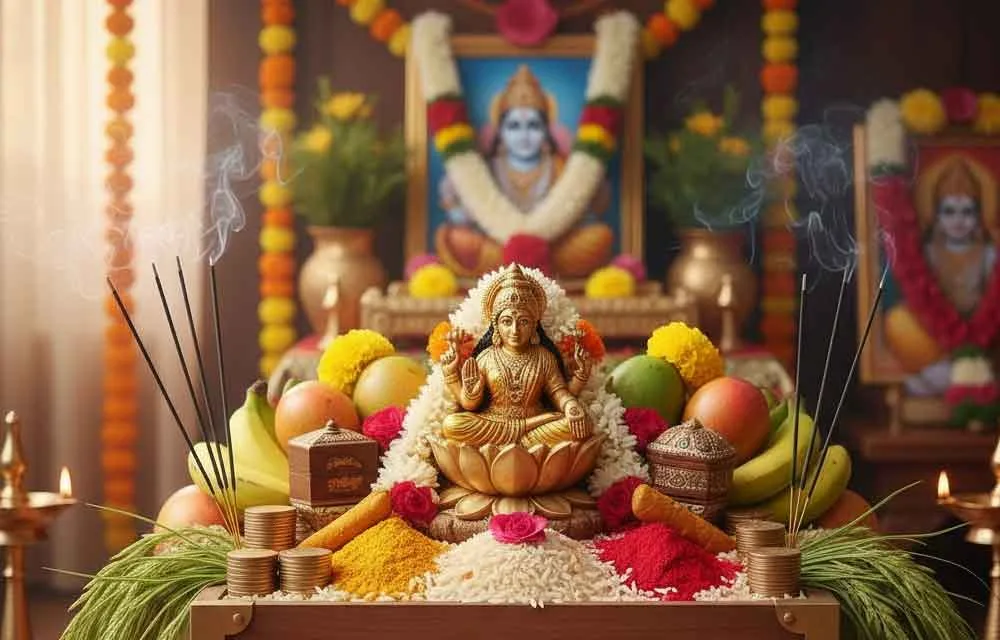
The story your elders told you—but with deeper spiritual meaning.
The story your elders told you—but with deeper spiritual meaning.
The Divine Month That Goddess Lakshmi Claims as Her Own
In the sacred Hindu calendar, Margasira masam (also known as Margashirsha or Agrahayana) holds a special place in the heart of devotees. Spanning November-December, this month is uniquely blessed by Sri Lakshmi Devi herself. But why does the Goddess of Wealth and Prosperity favor this particular month? The answer lies in ancient Puranic tales that reveal profound spiritual truths.
The Supreme Declaration from Bhagavad Gita
The significance of Margasira begins with none other than Lord Krishna himself. In the Bhagavad Gita (Chapter 10, Verse 35), when describing His divine manifestations, Krishna declares:
"Masanam Margashirshoham" – "Of months, I am Margasira."
This powerful statement establishes Margasira as the most sacred of all months. When the Supreme Lord identifies Himself with this month, it naturally becomes the most auspicious time for spiritual practices and divine worship. Since Lakshmi Devi is the eternal consort of Lord Vishnu (an incarnation of the same divine principle), this month becomes doubly blessed with Her presence.
The Untold Story from Skanda Purana
The Skanda Purana narrates a lesser-known story that explains Lakshmi's special connection to Margasira masam.
The Sage's Question
Once, the great sage Narada approached Goddess Lakshmi in Vaikuntha and asked, "O Divine Mother, You reside in the hearts of all beings and in every moment of time. Yet devotees say You especially favor Margasira masam. What is the secret behind this?"
Lakshmi smiled, her eyes reflecting the wisdom of eternity, and began her tale.
When Dharma Was Tested
Long ago, during the Treta Yuga, there was a prosperous kingdom ruled by a righteous king named Dharmavardhan. His kingdom flourished with abundance, and every citizen lived in comfort. However, as wealth increased, so did complacency. People began to forget their daily prayers, neglect temple worship, and indulge in material pleasures without gratitude.
Lakshmi, observing this from her celestial abode, felt deep concern. Wealth without dharma (righteousness) leads to destruction, and prosperity without devotion creates spiritual poverty.
One day, She decided to test the kingdom. During the month of Margasira, when the winter dawn breaks late and the mornings are filled with a divine stillness, Lakshmi withdrew Her visible presence from the kingdom. Crops began to fail, trade routes dried up, and the treasury started depleting.
The king, now distressed, consulted his ministers and priests. An elderly sage advised, "Your Majesty, we have forgotten the source of our prosperity. We must rise during the holy Brahma Muhurta of Margasira, when the divine energies are most potent, and invoke the Goddess with pure devotion."
The Return of the Goddess
The king declared that every household should wake before dawn during Margasira masam, clean their homes, light lamps, and sing devotional songs to Lakshmi Devi. Families began creating beautiful rangoli patterns at their doorsteps, offering prayers with sincere hearts rather than mere ritual.
On the full moon night of that Margasira month, Lakshmi appeared in the king's dream. "You have understood the true meaning of prosperity," She said. "Wealth is not just gold and grain—it is the richness of devotion, the abundance of dharma, and the prosperity of a grateful heart. I withdraw not to punish, but to remind. Those who honor me during Margasira, when nature itself is in a state of divine preparation for renewal, will always have My blessings."
From that day forward, Margasira became known as the month most beloved to Lakshmi, when She actively seeks out homes and hearts that welcome Her with devotion and righteousness.
The Symbolism Hidden in Nature
The choice of Margasira masam is deeply symbolic. This month corresponds to the time when:
The Earth Prepares for Harvest: Just as farmers prepare their fields, devotees are encouraged to prepare their hearts for receiving divine grace.
The Nakshatra Mrigashira Dominates: The Mrigashira nakshatra (constellation) represents the searching, seeking quality—symbolizing humanity's quest for divine abundance and spiritual wealth.
Dawn Breaks Later: The extended pre-dawn hours during winter provide more time for Brahma Muhurta sadhana (spiritual practice during the most auspicious early morning hours), when the veil between the material and spiritual worlds is thinnest.
Nature Transitions: As nature transitions from autumn to winter, it mirrors the spiritual transition from worldly attachment to divine devotion.
The Story of Rukmini and the Margasira Vow
Another beautiful story comes from the Padma Purana, involving Rukmini, Lord Krishna's principal queen.
Rukmini once asked Krishna how devotees could ensure the constant presence of Lakshmi Devi in their homes. Krishna revealed that His beloved Lakshmi has a special affection for those who observe vows during Margasira masam.
He explained that in this month, if devotees wake early, bathe in sacred waters (or at least sprinkle water on their heads symbolically), light lamps, create kolam (rangoli), and sing the glories of the Divine, Lakshmi personally visits those homes and blesses them not just with material wealth, but with eight types of prosperity:
- Adi Lakshmi – Primordial abundance
- Dhana Lakshmi – Material wealth
- Dhanya Lakshmi – Agricultural prosperity
- Gaja Lakshmi – Royal dignity and power
- Santana Lakshmi – Progeny and continuity
- Veera Lakshmi – Courage and strength
- Vijaya Lakshmi – Victory and success
- Vidya Lakshmi – Knowledge and wisdom
The Deeper Spiritual Meaning
Beyond these stories lies a profound spiritual truth that often goes unspoken in popular retellings.
Lakshmi as Divine Grace
Lakshmi Devi doesn't merely represent material wealth. She embodies divine grace—the flow of cosmic abundance that sustains all existence. Her association with Margasira teaches us that grace flows most readily to those who:
Rise Early: Symbolizing awakening from the sleep of ignorance Maintain Cleanliness: Representing purity of thought and action Light Lamps: Dispelling the darkness of ego and delusion Offer Prayers: Cultivating humility and gratitude Serve Others: Recognizing the divine in all beings
The Metaphor of Winter
Margasira falls during the early winter, a time when nature appears to withdraw. Yet beneath the surface, seeds are germinating, and the earth is gathering strength for spring's abundance. Similarly, this month teaches devotees that apparent scarcity can be a time of internal spiritual growth, preparing the soul for greater blessings.
The Forgotten Practice: Margasira Snanam
One of the oldest traditions associated with this month is the Margasira Snanam (holy bath taken during Margasira). Ancient texts describe how bathing before sunrise in sacred rivers during this month purifies not just the body but the subtle energy channels (nadis) that carry divine grace.
The Vishnu Purana states that those who perform this sacred bath while chanting Lakshmi's names receive Her blessings for seven generations—past, present, and future. This isn't mere superstition but reflects the understanding that our spiritual practices create karmic merit that ripples through time.
Why Lakshmi Appears in Every Home
According to the Matsya Purana, during Margasira masam, Lakshmi Devi takes a personal vow: to visit every home where even a single lamp is lit in Her honor during the pre-dawn hours. She doesn't merely visit as a guest but as a mother checking on her children, blessing them according to their devotion and need.
This is why elders emphasize lighting the nilavilakku (traditional lamp) during this month. It's not just tradition—it's an invitation to the Divine Mother herself.
Connecting Past and Present
These ancient stories aren't just mythology—they're living wisdom. When your grandmother insisted on waking you early during Margasira to light lamps and sing bhajans, she was passing down millennia of spiritual knowledge encoded in story form.
The deeper meaning? Prosperity isn't just about having more; it's about being more—more grateful, more devoted, more aware of the divine presence that sustains every moment of existence.
The Practical Path
During this Margasira masam, honor the Goddess not just through ritual, but through:
- Waking with gratitude for a new day
- Cleaning your space as you would for an honored guest
- Lighting a lamp to dispel inner darkness
- Chanting Her names with devotion
- Sharing your abundance with those in need
- Maintaining dharma in all transactions
This is the true worship that pleases Lakshmi Devi—not elaborate rituals performed mechanically, but simple acts done with pure hearts.
Conclusion: The Blessing That Awaits
Margasira masam is called the month of Sri Lakshmi Devi because it represents the perfect harmony of divine will, natural cycles, and human devotion. When Lord Krishna claimed this month as His own, He sanctified it for spiritual practice. When Lakshmi chose to bless those who honor Her during these weeks, She created a direct pathway for divine grace to flow into human lives.
The story your elders told you about Margasira was true—but now you know the deeper spiritual truth within it. This month isn't just about receiving blessings; it's about transforming yourself into a worthy vessel for divine abundance in all its forms.
As you observe this sacred month, remember: Lakshmi doesn't just bring wealth to your home. She brings the wealth of devotion to your heart, the abundance of peace to your mind, and the prosperity of wisdom to your soul.
May this Margasira masam bring you the complete blessings of Sri Lakshmi Devi—in ways material, spiritual, and eternal.
For more stories and spiritual insights from Hindu tradition, visit www.hindutone.com
Om Shreem Mahalakshmiyai Namaha
Frequently Asked Questions
When is Why Margasira Masam is Called the Month of Sri?
Why Margasira Masam is Called the Month of Sri is observed on its traditional tithi in the Hindu lunar calendar; refer to the year's panchang for the exact date in your region.
What is the significance of Why Margasira Masam is Called the Month of Sri?
The story your elders told you—but with deeper spiritual meaning. The Divine Month That Goddess Lakshmi Claims as Her Own In the sacred Hindu calendar, Margasira masam (also known as Margashirsha or Agrahayana) holds a special place in the heart of devotees.
How is Why Margasira Masam is Called the Month of Sri celebrated?
Devotees observe it with puja, fasting or special offerings, visiting temples, chanting mantras, and gathering with family. Customs vary by region and tradition.
What should devotees do on Why Margasira Masam is Called the Month of Sri?
Worship Goddess Durga, perform the day's puja and offerings, observe the fast where prescribed, and chant the associated mantras with devotion.
You might also like
Jyeshtha Masam 2026: Dates, Significance, Festivals, Mantras, and Danas – Complete Guide
Gita Jayanti 2026 Prasad Recipes — Tulsi-Honoring Sweets, Krishna's Favourites & December 10 Bhog Plate
Sri Suktam: Complete Guide to the 15-Verse Vedic Hymn to Goddess Lakshmi