Holi Celebrations in Gulf Countries 2026
Holi Celebrations in Gulf Countries 2026: Country-Wise Guide, Events, and Safe Celebration Tips for Hindus Welcome to the complete guide on Holi celebrations…
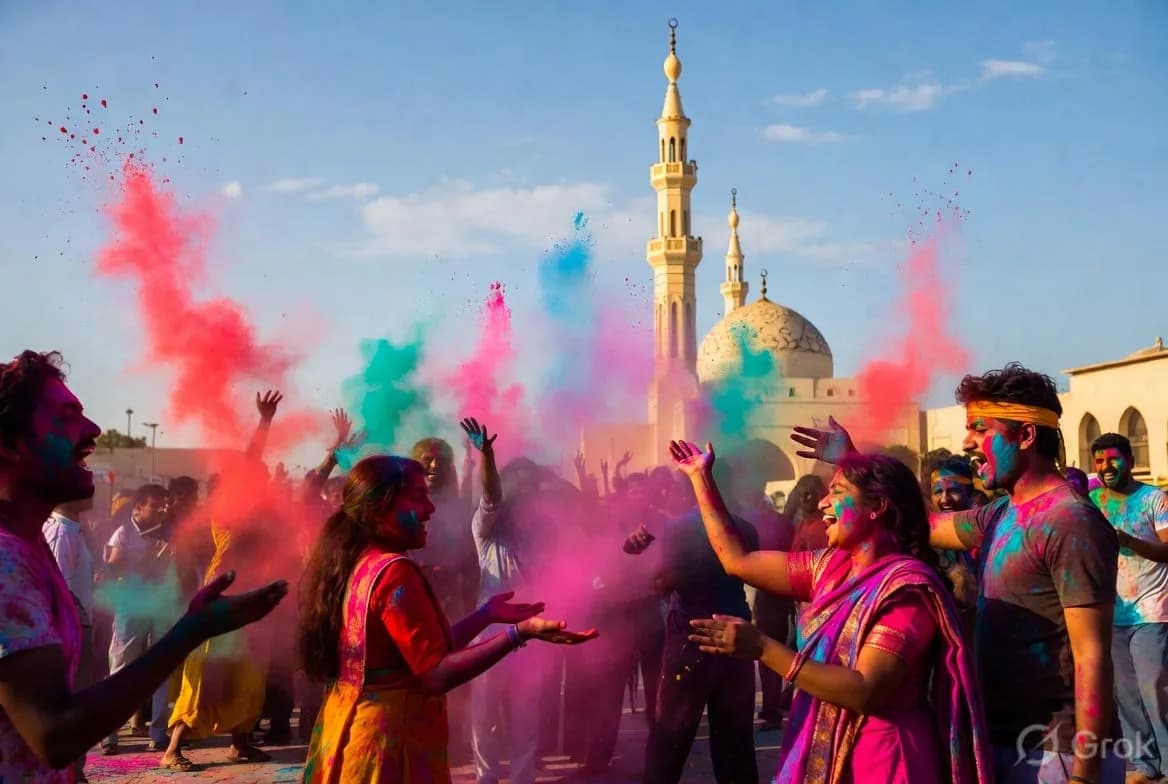
Holi Celebrations in Gulf Countries 2026: Country-Wise Guide, Events, and Safe Celebration Tips for Hindus Welcome to the complete guide on Holi celebrations…
Holi Celebrations in Gulf Countries 2026: Country-Wise Guide, Events, and Safe Celebration Tips for Hindus
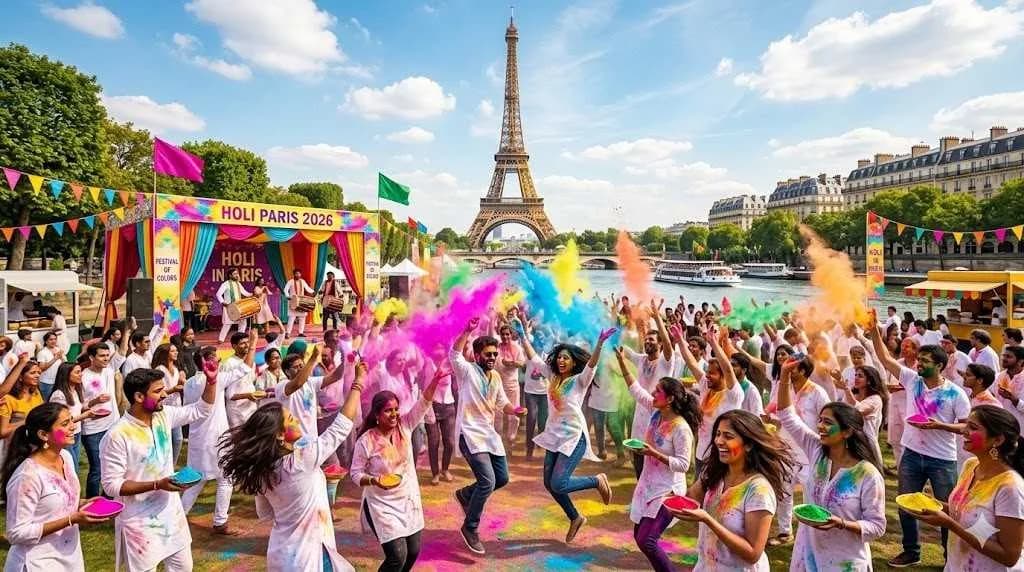
Welcome to the complete guide on Holi celebrations across the Gulf countries in 2026, specially prepared for www.hindutone.com. This detailed article covers Holi events, community traditions, and practical guidance for the Indian diaspora living and working in the UAE, Saudi Arabia, Qatar, Kuwait, Bahrain, and Oman. Holi 2026 is observed on March 3 (Holika Dahan) and March 4 (Rangwali Holi / Dhulandi), bringing the timeless message of good triumphing over evil, forgiveness, renewal, and the playful love of Radha-Krishna to millions of Hindus in the Gulf region.
With more than nine million people of Indian origin residing across the six Gulf Cooperation Council (GCC) countries, Holi has evolved into one of the most eagerly awaited cultural and spiritual festivals of the year. Celebrations adapt sensitively to local laws, customs, weather, and social norms while preserving the core rituals, devotion, and joy that define the festival.
This long-form guide provides:
- Country-wise breakdown of anticipated 2026 events and gathering patterns
- How Hindu communities typically celebrate in each nation
- Cultural and spiritual significance in the Gulf context
- Comprehensive, step-by-step advice on celebrating a safe, respectful, and meaningful Holi
Why Holi Holds Special Meaning for Gulf-Based Hindus
In the Gulf, Holi serves multiple purposes beyond religious observance:
- Emotional reconnection with roots for families separated from India
- Opportunity to introduce Indian culture to international colleagues and neighbors
- Reminder of universal values—unity, forgiveness, equality—in diverse workplaces
- Moment of collective joy in fast-paced, high-pressure expat lifestyles
- Spiritual renewal amid the materialistic environment of oil economies
March weather (pleasant 20–32°C in most Gulf cities) makes outdoor color play comfortable, unlike the intense summer heat that follows soon after.
Now let us explore how Holi unfolds in each Gulf country.
1. United Arab Emirates (UAE)
The UAE—particularly Dubai and Abu Dhabi—hosts the most visible, organized, and large-scale Holi celebrations in the Gulf.
Typical 2026 Celebration Pattern
- March 2–3 evening: Holika Dahan pujas and symbolic bonfire rituals at major Hindu temples (Jebel Ali Shiva Temple, Bur Dubai temples, Abu Mureikha temple complex)
- March 4 (Wednesday): Main Rangwali Holi events at public parks, beaches, community halls, hotels, and private compounds
- Weekend extension (March 6–8): Additional commercial and community events for working professionals
Major Event Types
- Temple-organized utsavs with Holika poojan, flower Holi (pushpa utsav), devotional singing, and free prasadam distribution
- Large public color festivals in Zabeel Park, Safa Park, Al Qudra, or Ras Al Khaimah beaches featuring DJs, Bollywood performances, rain dance zones, food trucks, and family games
- Luxury hotel brunches and evening parties with fusion menus, live music, and controlled color play
- Gated community and villa society events in Jumeirah, Arabian Ranches, Dubai Silicon Oasis, Al Barsha, and International City
- Corporate and school Holi celebrations (many Indian curriculum schools organize safe events for students)
Celebration Style
Most events use only dry organic colors to comply with public cleanliness regulations and avoid staining public spaces. Water-based play is restricted to private venues or designated rain-dance areas. Alcohol-free thandai and bhang-free beverages are standard. Many organizers provide changing rooms, shower facilities, and eco-friendly color removal stations post-event.
The UAE’s multicultural environment means many non-Indian residents (Filipinos, Pakistanis, Arabs, Europeans) join as guests, making Holi one of the most inclusive festivals in the country.
2. Saudi Arabia
Saudi Arabia maintains the most conservative approach to public religious celebrations among GCC nations.
Typical 2026 Celebration Pattern
- Almost entirely private or semi-private within expat compounds, family homes, cultural association premises, or Indian schools
- March 3 evening: Small-scale symbolic lamp-lighting or indoor Holika Dahan alternatives (no open flames permitted in most residential areas)
- March 4: Family and close-friend color play inside compounds or apartments
Major Gathering Types
- Aramco, SABIC, and other major company compound events (Dhahran, Ras Tanura, Yanbu)
- Indian embassy and consulate-supported low-profile cultural programs in Riyadh and Jeddah
- Apartment complex common-area celebrations in Riyadh (Riyadh Season areas), Jeddah (Al Hamra, Al Rawdah), Dammam/Khobar (Half Moon Bay compounds)
- Virtual family Holi connections with relatives in India via live video
Celebration Style
Emphasis remains heavily on the spiritual aspect—morning pujas, reading of Prahlad- Holika story, distribution of sweets, applying tilak with natural colors, and sharing meals. Dry gulal is used sparingly and only indoors. Music volume is kept low to respect neighbors. Many families prepare traditional sweets and snacks days in advance and exchange plates with other Indian households.
3. Qatar
Qatar offers a balanced environment—permissive enough for visible community events while maintaining respect for local sensitivities.
Typical 2026 Celebration Pattern
- March 3 evening: Temple and community hall Holika Dahan pujas
- March 4: Main color festivals at open grounds, schools, or cultural venues
- Following weekend: Smaller repeat events for those who missed the main day
Major Event Types
- Large community Holi organized by Indian associations at designated grounds (Industrial Area, Al Wakrah, or Education City areas)
- School and university events (especially Indian curriculum schools and Education City institutions)
- Hotel brunches and private club celebrations in West Bay, The Pearl, and Lusail
- Souq Waqif and other public-space flash gatherings (subject to annual approval)
Celebration Style
Qatar events often combine traditional color play with cultural performances (garba, dandiya, Bollywood dances). Many organizers emphasize “dry Holi” or flower-based colors. Food stalls offer authentic regional Indian cuisine alongside Qatari-influenced sweets. Family zones with bouncy castles and games for children are common.
4. Kuwait
Kuwait’s Indian community celebrates Holi with enthusiasm, primarily in private and semi-public venues.
Typical 2026 Celebration Pattern
- March 3 evening: Temple pujas and small bonfire alternatives
- March 4: Community hall and compound events across Salmiya, Farwaniya, Hawally, and Abbasiya
Major Gathering Types
- Indian community association events at cultural centers and halls
- Temple-organized utsavs (Shiva temple in Salmiya, Krishna temples)
- Residential compound and villa society celebrations
- School Holi functions (especially CBSE-affiliated Indian schools)
Celebration Style
Mix of dry and mild wet color play (water pistols and buckets in controlled areas). Emphasis on family participation, traditional games, and sharing of homemade sweets. Many Kuwait-based celebrations include special musical performances by local Indian artists.
5. Bahrain
Bahrain is known for its relatively liberal and welcoming approach to cultural festivals.
Typical 2026 Celebration Pattern
- March 3 evening: Temple and community Holika Dahan
- March 4: Beachside, park, and hotel events
- Weekend follow-up parties
Major Event Types
- Beach festivals at Coral Bay, Al Dar Islands, or Hawar (permission-based)
- Hotel and resort brunches with color play and live entertainment
- Community hall events organized by Indian associations
- School and family compound celebrations
Celebration Style
Bahrain often features the most relaxed and colorful outdoor celebrations in the Gulf, with larger-scale color throws permitted on designated beaches or private venues. Music, dance, and fusion food are prominent.
6. Oman
Oman’s Indian community celebrates Holi with warmth and cultural pride, especially in Muscat.
Typical 2026 Celebration Pattern
- March 3 evening: Temple pujas
- March 4: Main community events at parks, hotels, or cultural centers
- Weekend extensions in Seeb, Sohar, Salalah
Major Gathering Types
- Muscat-based large community festivals at Qurum or Al Khuwair grounds
- Hotel brunches and club events
- Temple utsavs (Krishna temples, Shiva temples)
- Residential society celebrations
Celebration Style
Balanced mix of spiritual observance and joyful color play. Oman events often include classical dance performances, bhajans, and traditional regional Holi customs from Gujarat, Uttar Pradesh, Rajasthan, and Maharashtra.
How to Celebrate a Safe, Respectful, and Meaningful Holi in the Gulf
Safety, respect for local laws, environmental responsibility, and spiritual focus are essential when celebrating Holi in the Gulf region.
Preparation Phase (1–2 Weeks Before)
- Purchase only certified organic, herbal gulal (turmeric, beetroot, flower-based colors).
- Avoid chemical-based colors, water balloons filled with colored water, and silver/gold sprays.
- Stock natural skin protectants: pure coconut oil, aloe vera gel, petroleum jelly.
- Prepare traditional sweets and snacks in advance (gujiya, malpua, thandai mix without bhang).
- Plan outfits: old white or light-colored cotton clothes that can be discarded or washed easily.
- Coordinate with neighbors or compound management if celebrating in common areas.
Holika Dahan (March 3 Evening)
- Perform puja at home or temple with lamp, flowers, grains, and coconut.
- If open fire is not allowed, light a diya or candle and circumambulate it while chanting mantras.
- Read or narrate the story of Prahlad and Holika to children.
- Offer prayers for protection, forgiveness, and positivity.
Rangwali Holi (March 4)
- Begin the day with family puja and applying natural tilak.
- Use dry colors first; apply gently on forehead, cheeks, and hair.
- Avoid throwing colors on unwilling people, elders, infants, or those with skin conditions.
- Keep water play minimal and only in designated areas (many Gulf events are dry Holi).
- Stay hydrated—drink water, coconut water, or safe thandai frequently.
- Take breaks in shaded areas; apply sunscreen if outdoors for long.
- Supervise children closely; provide goggles and caps.
Food and Beverage Guidelines
- Prepare thandai without cannabis (bhang is illegal in all Gulf countries).
- Offer cooling drinks: buttermilk, jaljeera, aam panna, rose sharbat.
- Serve light, digestible snacks: mathri, namkeen, fresh fruits.
- Avoid excessive sweets for those with diabetes or health concerns.
Post-Holi Care
- Remove colors gently using oil + gram flour (besan) mixture followed by mild soap.
- Moisturize skin with aloe vera or coconut oil.
- Wash hair with mild shampoo; avoid harsh scrubbing.
- Drink plenty of water to flush out any color residue absorbed through skin.
- Dispose of used colors responsibly—never pour colored water into drains.
Respecting Local Sensitivities
- Never celebrate in public streets without permission.
- Keep music volume moderate, especially after 10–11 PM.
- Avoid public intoxication or disruptive behavior.
- Clean the celebration area thoroughly.
- Invite local friends and colleagues to experience Holi respectfully.
By following these guidelines, Hindus in the Gulf can celebrate Holi joyfully while honoring both their cultural heritage and the hospitality of their host countries.
May this Holi 2026 bring peace, happiness, good health, and prosperity to every reader and their families.
Jai Shri Krishna! Happy Holi from www.hindutone.com
Frequently Asked Questions
When is Holi Celebrations in Gulf Countries 2026?
Holi Celebrations in Gulf Countries is observed on its traditional tithi in the Hindu lunar calendar; refer to the year's panchang for the exact date in your region.
What is the significance of Holi Celebrations in Gulf Countries?
Holi Celebrations in Gulf Countries 2026: Country-Wise Guide, Events, and Safe Celebration Tips for Hindus Welcome to the complete guide on Holi celebrations across the Gulf countries in 2026, specially prepared for www.hindutone.com . This detailed article covers Holi events, community traditions, and practical guidance for the Indian diaspora living and wo
How is Holi Celebrations in Gulf Countries celebrated?
Devotees observe it with puja, fasting or special offerings, visiting temples, chanting mantras, and gathering with family. Customs vary by region and tradition.
What should devotees do on Holi Celebrations in Gulf Countries?
Take a sacred bath, perform the day's puja and charity (dana), observe any prescribed fast, and chant mantras with sincere devotion.