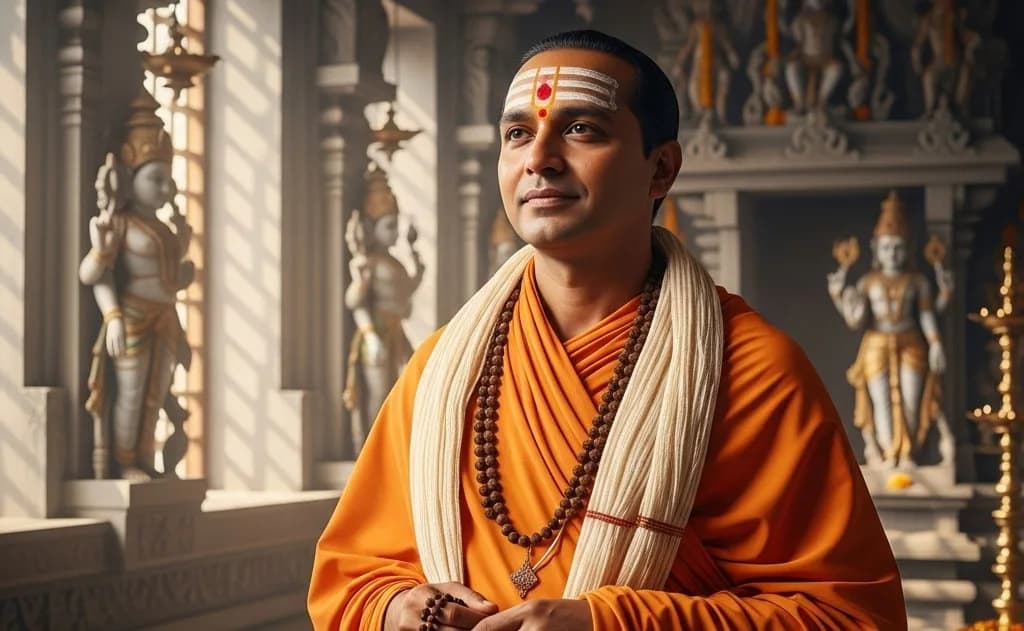
Breaking : K. Annamalai has stepped down as the Tamil Nadu BJP President,
A Political Shake-Up in Tamil Nadu BJP as K. Annamalai has stepped down as the Tamil Nadu BJP President, In a major political development, K.
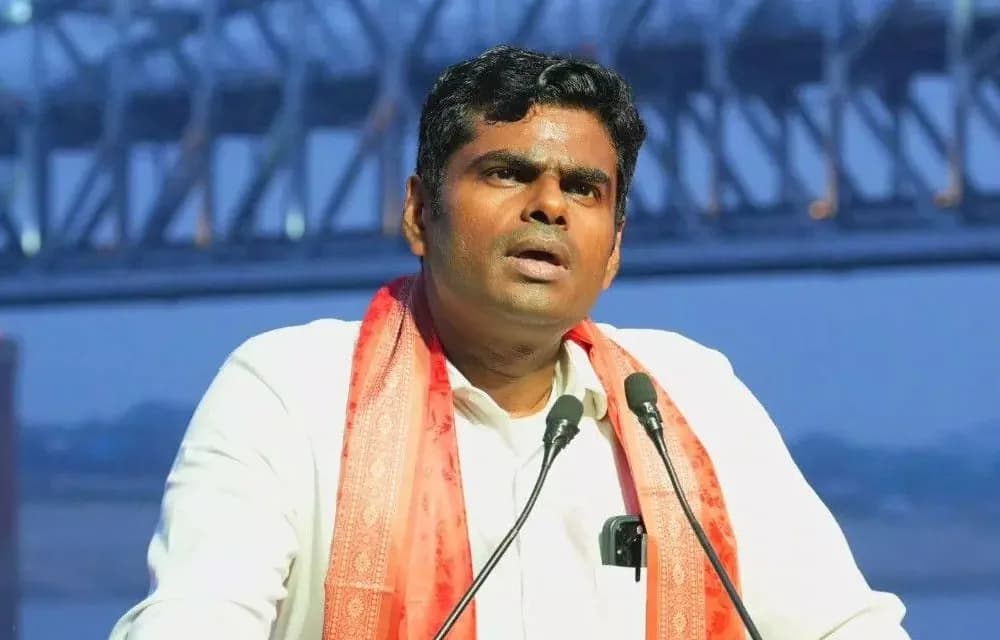
A Political Shake-Up in Tamil Nadu BJP as K. Annamalai has stepped down as the Tamil Nadu BJP President, In a major political development, K.
A Political Shake-Up in Tamil Nadu BJP as K. Annamalai has stepped down as the Tamil Nadu BJP President,
In a major political development, K. Annamalai has stepped down as the Tamil Nadu BJP President, signaling a crucial leadership transition in the party. Sources indicate that the new BJP state chief will be announced by April 9, sparking speculation about the future direction of the party in the state.
Annamalai’s Tenure and Influence
Annamalai, a former IPS officer, took over the BJP’s Tamil Nadu unit in July 2021 and quickly emerged as a fiery and vocal leader. His aggressive political style and strong Hindutva stance energized the cadre, bringing the party into the mainstream of Tamil Nadu politics. Under his leadership, the BJP witnessed increased visibility, though it still struggled to make major electoral gains against the Dravidian political giants – DMK and AIADMK.
His resignation comes at a critical juncture as the state gears up for the 2024 Lok Sabha elections. While the exact reasons for his departure remain unclear, speculation is rife that he might be assigned a larger role in the party at the national level.
Who Will Be the Next Tamil Nadu BJP Chief?
With Annamalai stepping down, discussions have begun over his potential successor. Some of the names being considered include:
- L. Murugan – Union Minister of State and former Tamil Nadu BJP chief, with strong RSS backing.
- Vanathi Srinivasan – National President of BJP Mahila Morcha, known for her disciplined approach.
- H. Raja – Senior BJP leader with deep roots in Hindutva politics.
- CT Ravi – Though based in Karnataka, he has been actively involved in BJP’s Tamil Nadu affairs.
The new leadership’s challenge will be to maintain BJP’s momentum and expand its footprint in the state while navigating the complex political landscape dominated by the Dravidian parties.
What’s Next for Annamalai?
Although Annamalai has stepped down as the Tamil Nadu BJP chief, his political journey is far from over. There are speculations that he might:
- Take up a national-level assignment within the BJP.
- Play a key role in the party’s Lok Sabha election strategy.
- Be projected as the BJP’s Chief Ministerial candidate for the 2026 Tamil Nadu Assembly elections.
Impact on Tamil Nadu Politics
Annamalai’s resignation could significantly impact the BJP’s alliance strategies in Tamil Nadu. The BJP’s relationship with AIADMK has been turbulent, and a new leader might be expected to mend ties or chart a new course. His departure also creates an opening for the DMK and AIADMK to reposition themselves ahead of the elections.
Conclusion
As the BJP prepares to announce its new Tamil Nadu chief by April 9, all eyes are on the leadership transition and its implications for the state’s political future. Annamalai’s departure marks the end of an era but also the beginning of a new chapter in Tamil Nadu BJP’s journey.
Stay tuned to HinduTone for more updates on this developing story!
The Hindutva Landscape in Tamil Nadu: Historical Roots and Present Challenges
Tamil Nadu's engagement with Hindutva politics predates the BJP's formal presence in the state. The Rashtriya Swayamsevak Sangh established its first shakha in Tamil Nadu in the 1940s, and organizations like the Hindu Munnani and Vishwa Hindu Parishad have long maintained an active grassroots presence, particularly in districts like Coimbatore, Tirunelveli, and Kanyakumari. These organizations have historically championed temple protection, cow protection, and resistance to religious conversion — themes that Annamalai wove into his public messaging.
The challenge for any BJP leader in Tamil Nadu is navigating a cultural identity that is fiercely proud of its Dravidian heritage without rejecting the broader Sanatana framework that connects Tamil Shaivism and Vaishnavism to the pan-Indian Hindu tradition. Tamil saints like Thirugnana Sambandar, Appar, and the Alvar saints composed devotional poetry — the Tevaram and Divya Prabandham — that are as theologically rich as any Sanskrit Agamic text, offering the BJP a distinctly Tamil Sanatana narrative to build upon.
Sanatana Dharma as a Political Flashpoint: The Controversy That Defined Annamalai's Tenure
Annamalai's tenure became inseparably linked to the Sanatana Dharma controversy that erupted when DMK leader Udhayanidhi Stalin publicly called for the 'eradication' of Sanatana Dharma in September 2023, drawing a comparison to diseases like dengue and malaria. Annamalai led a forceful BJP counter-campaign, framing the statement as an attack on Tamil Hindu civilization and demanding a formal apology. The episode elevated the ideological stakes of Tamil Nadu politics considerably and gave the BJP a national-level talking point.
The term 'Sanatana Dharma' — meaning the eternal duty or cosmic moral order — appears in texts ranging from the Rigveda's concept of Rta to the Bhagavad Gita's instruction that Krishna's teachings uphold the dharmic order across all ages (Gita 4.7-8). By positioning the BJP as the defender of this tradition in Tamil Nadu, Annamalai sought to shift the political conversation from caste arithmetic to civilizational identity, a strategy that generated significant urban middle-class support even if it did not translate into proportional seat gains.
Temple Politics and the Fight for Hindu Endowments in Tamil Nadu
One of the most consistent threads in Annamalai's BJP campaign was the demand for liberation of Tamil Nadu's Hindu temples from state government control under the Hindu Religious and Charitable Endowments (HR&CE) Act of 1959. Tamil Nadu has more than 38,000 temples under HR&CE administration, including ancient Divya Desam Vaishnava shrines like the Srirangam Ranganathaswamy Temple and Shaiva Paadal Petra Sthalams like the Thillai Nataraja Temple in Chidambaram. BJP consistently argued that revenues from these temples should be managed by Hindu trusts rather than a government bureaucracy.
The issue resonates deeply with devotees because several major temples have faced controversies over fund diversion, delayed maintenance, and bureaucratic neglect. The Agamic tradition governing Tamil Shaiva and Vaishnava temples prescribes precise ritual protocols — including the qualifications of priests (Archakas), the schedule of utsavams (festivals), and the maintenance of the moolavar and utsavar vigrahas — all of which require dedicated, community-accountable oversight. Whoever leads BJP Tamil Nadu next will need to keep this temple-rights campaign central to remain credible with the Hindu constituency.
The Dravidian Movement and Its Theological Critique of Brahminism: What BJP Must Answer
The DMK's ideological inheritance from Periyar E.V. Ramasamy includes a sustained critique of Brahminical ritual authority and caste hierarchy, which Periyar articulated through his Self-Respect Movement from the 1920s onward. This critique has shaped Tamil political culture so profoundly that any pro-Hindu political argument in the state must address caste inequality within temple traditions — not evade it. The BJP's successor to Annamalai will face the same structural challenge: how to champion Sanatana Dharma while demonstrating genuine commitment to the dignity of all varna and jati communities.
Classical Hindu scripture itself offers resources for this conversation. The Bhagavata Purana (7.11.35) defines a Brahmana by qualities and conduct rather than birth alone, and the Tamil Shaiva Siddhanta tradition — as articulated by the 63 Nayanmars, who included kings, farmers, hunters, and untouchables — has always emphasized that devotion (bhakti) transcends social rank. Engaging this indigenous Tamil theological tradition honestly, rather than imposing a north-Indian Hindutva template, is likely to be the defining task for BJP's next Tamil Nadu president.
What a Leadership Transition Means for BJP's 2026 Tamil Nadu Assembly Strategy
The 2024 Lok Sabha results in Tamil Nadu were sobering for BJP — the party failed to win a single seat on its own, though ally AIADMK and later NDA partner PMK brought limited returns. The real electoral prize the party must now strategize for is the 2026 Tamil Nadu Legislative Assembly elections, where 234 seats will be contested. A new state president has approximately two years to rebuild alliance equations, strengthen booth-level cadre networks, and identify credible candidates across regions including Kongu Nadu, the Cauvery delta belt, and southern coastal districts.
Political analysts note that BJP's best opportunities lie in constituencies with strong Nadar, Vellalar, and OBC communities who have shown openness to Hindu cultural messaging, particularly on temple rights and opposition to conversion activities. The party's success in Kanyakumari district — historically a battleground between Hindu, Christian, and syncretic communities — offers a microcosm of the challenges and opportunities ahead. The incoming BJP state president will need both organizational discipline and ideological clarity to consolidate whatever ground Annamalai's high-energy tenure helped prepare.
Frequently Asked Questions
What is Breaking?
A Political Shake-Up in Tamil Nadu BJP as K. Annamalai has stepped down as the Tamil Nadu BJP President, In a major political development, K.
What are the key points about Breaking?
Annamalai has stepped down as the Tamil Nadu BJP President, signaling a crucial leadership transition in the party. Sources indicate that the new BJP state chief will be announced by April 9 , sparking speculation about the future direction of the party in the state.
Why does Breaking matter in Hinduism?
It reflects core values of Sanatana Dharma and offers practical and spiritual guidance that remains relevant across generations.
How can devotees apply Breaking in daily life?
By reflecting on its teaching, incorporating the related practices or observances into daily routine, and approaching it with sincere devotion and understanding.
You might also like
Purushottam Maas 2026: Lord Vishnu's Sacred Gift of Spiritual Multiplication & Divine Grace
Hindu Priest Jobs Malaysia 2026 — Batu Caves, KL, Penang Vacancies & Tamil Hindu Career Guide
Hindu Priest Jobs New Zealand 2026 — Auckland, Wellington, Christchurch Vacancies & NZ Religious Worker Visa Guide