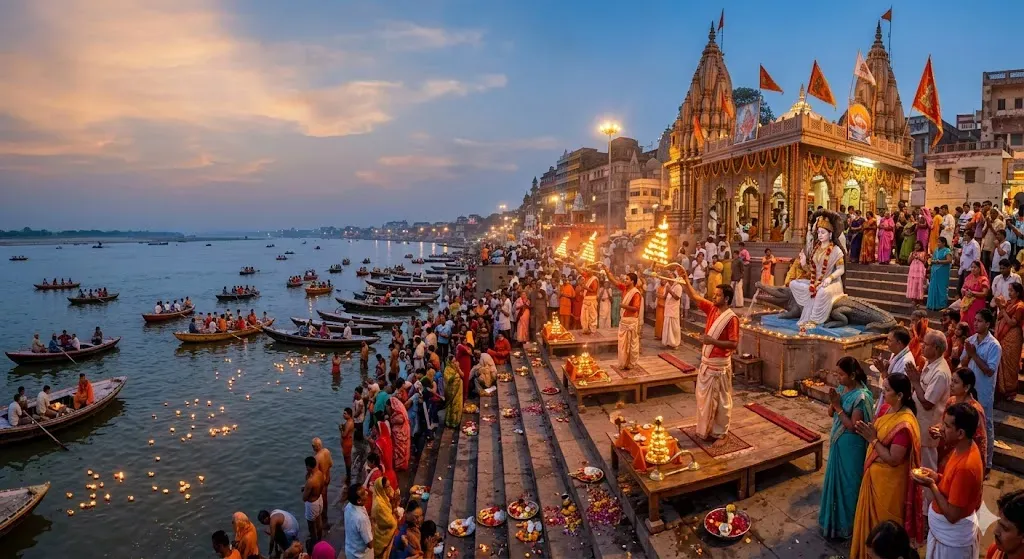
The Sacred Akharas: Guardians of Hindu Spirituality and Tradition
In the rich spiritual tradition of India, Akharas play a pivotal role in preserving the ancient practices, rituals, and philosophies of Sanatan Dharma.

In the rich spiritual tradition of India, Akharas play a pivotal role in preserving the ancient practices, rituals, and philosophies of Sanatan Dharma.
In the rich spiritual tradition of India, Akharas play a pivotal role in preserving the ancient practices, rituals, and philosophies of Sanatan Dharma. These spiritual organizations are centers of spiritual learning, discipline, and asceticism, primarily associated with the Hindu monastic system. Akharas are integral to Kumbh Mela and serve as key pillars of religious activities and rituals during this grand event.
Below, we explore the names of notable Akharas and their leadership structures, as well as the significance they hold in Hindu spiritual and religious traditions.
Prominent Akharas of India
Juna Akhara: One of the oldest and most influential Akharas, known for its influence during the Kumbh Mela.
Nagpanthi Gorakhnath Akhara: A prominent Akhara that follows the teachings of Gorakhnath, emphasizing yoga and spiritual practices.
Niranjani Akhara: Known for its association with ascetic practices and its role in the Kumbh Mela.
Nirmohi Akhara: This Akhara is deeply rooted in the religious traditions of Lord Ram and Nirvani sects. Nirmal Panchayati Akhara: A significant Akhara that represents the Nirmal tradition, with a focus on self-discipline and renunciation.
Mahanirvani Akhara: One of the most revered Akharas, which focuses on the profound teachings of Lord Shiva and meditative practices.
Atal Akhara: Known for its ascetic practices and its role in spiritual education, often associated with Lord Vishnu.
Ahvan Akhara: A prominent organization that represents spiritual warriors and is focused on self-realization and purity of the soul.
Anand Akhara: The Akhara of joy, focusing on spiritual bliss, meditation, and achieving union with the Divine.
Panchagni Akhara: Known for its association with the fire rituals and meditative practices, symbolizing the five elements.
Vaishnav Akhara: The Akhara associated with the followers of Lord Vishnu, focusing on devotion and spiritual knowledge.
Udasin Panchayati Bada Akhara: A major Akhara known for its association with the Udasin sect and its ascetic teachings.
Udasin Naya Akhara: A significant spiritual order focusing on non-attachment and the renunciation of worldly pleasures.
Leadership Structure in Akharas
The leadership of an Akhara is crucial to maintaining its spiritual and administrative functions. The three highest positions within any Akhara include:
Acharya Mahamandaleshwar: The highest spiritual leader within an Akhara. The Acharya Mahamandaleshwar is responsible for guiding the spiritual and doctrinal practices of the Akhara, overseeing its disciples and maintaining the integrity of its traditions.
Mahamandaleshwar: This position comes right after the Acharya Mahamandaleshwar and holds considerable spiritual authority. They assist in overseeing the Akhara's activities, ensuring the smooth functioning of rituals and practices.
Shrimahant: Responsible for the administrative management of the Akhara, the Shrimahant ensures that the Akhara runs smoothly and that all its affairs, including resources, staffing, and events, are well-organized.
The Role of Akharas in Hinduism and the Kumbh Mela
Akharas hold deep significance in Hindu culture, particularly during the Kumbh Mela, one of the largest religious gatherings in the world. During this period, Akharas play a pivotal role in organizing and conducting spiritual practices, religious discourses, and rituals. They are the heart of the Kumbh Mela, offering spiritual teachings and guidance to millions of pilgrims and devotees.
Each Akhara has its own philosophy, sectarian leanings, and spiritual focus, which adds to the rich diversity of spiritual practices in Hinduism. Kumbh Mela provides a platform for these Akharas to come together and perform rituals, promote spiritual enlightenment, and demonstrate their commitment to the teachings of Sanatan Dharma.
Conclusion: Akharas as Spiritual Pillars
The Akharas are not only centers of spiritual practice but also guardians of India’s rich cultural heritage. These ascetic communities contribute to the preservation of ancient practices and philosophies, guiding both ascetics and devotees in their spiritual journey. With their deep-rooted traditions and leadership, the Akharas continue to shape the spiritual landscape of India and maintain the timeless teachings of Sanatan Dharma.
Hashtags: #Akharas #KumbhMela2025 #SanatanDharma #IndianSpirituality #HinduTradition #Mahamandaleshwar #Hinduism #IncredibleIndia #Bharat #Mahakumbh2025 #Prayagraj #SpiritualJourney #AsceticTraditions #NirmohiAkhara #MahanirvaniAkhara
Frequently Asked Questions
What is The Sacred Akharas?
In the rich spiritual tradition of India, Akharas play a pivotal role in preserving the ancient practices, rituals, and philosophies of Sanatan Dharma. These spiritual organizations are centers of spiritual learning, discipline, and asceticism, primarily associated with the Hindu monastic system.
What are the key points about The Sacred Akharas?
Akharas are integral to Kumbh Mela and serve as key pillars of religious activities and rituals during this grand event. Below, we explore the names of notable Akharas and their leadership structures, as well as the significance they hold in Hindu spiritual and religious traditions.
Why does The Sacred Akharas matter in Hinduism?
It reflects core values of Sanatana Dharma and offers practical and spiritual guidance that remains relevant across generations.
How can devotees apply The Sacred Akharas in daily life?
By reflecting on its teaching, incorporating the related practices or observances into daily routine, and approaching it with sincere devotion and understanding.
You might also like
The Resolve of a Monk – A Divine Incident Showcasing Kanchi Paramacharya’s Compassion
Importance of Telugu Pronunciation, Grammar & Pedda Bala Siksha – Let Us Preserve Our Mother Tongue
Janmashtami 2026 in India: Date, Rituals & Top Temples to Visit