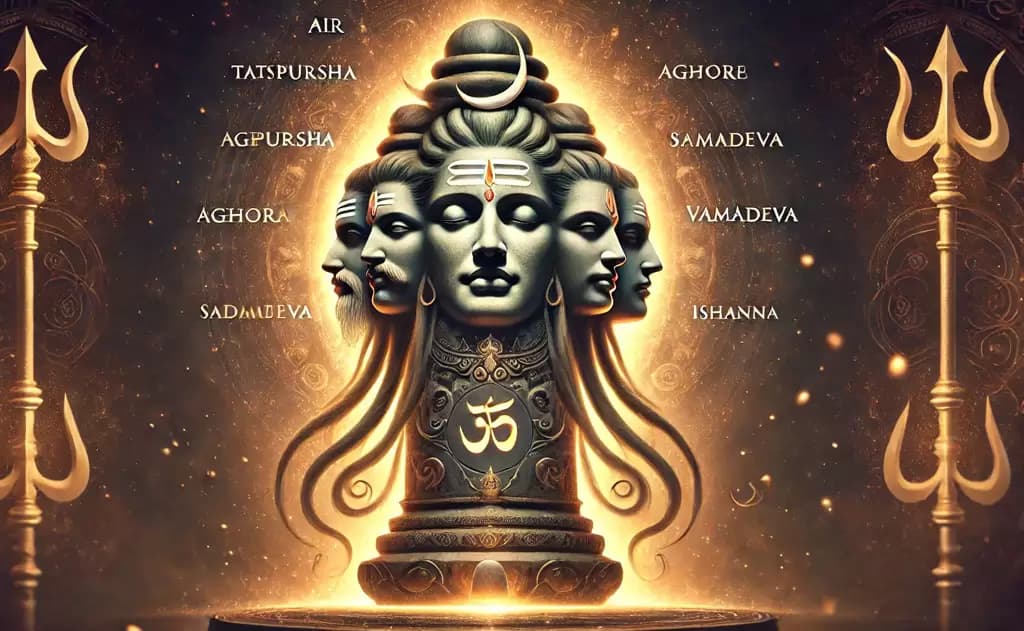
Nishita Kaal Puja 2026 on Maha Shivaratri: Exact Timings, Significance & How to Perform Midnight Worship
Nishita Kaal Puja 2026 on Maha Shivaratri: Exact Timings, Significance & How to Perform Midnight Worship Maha Shivaratri is one of the most profound and widely…
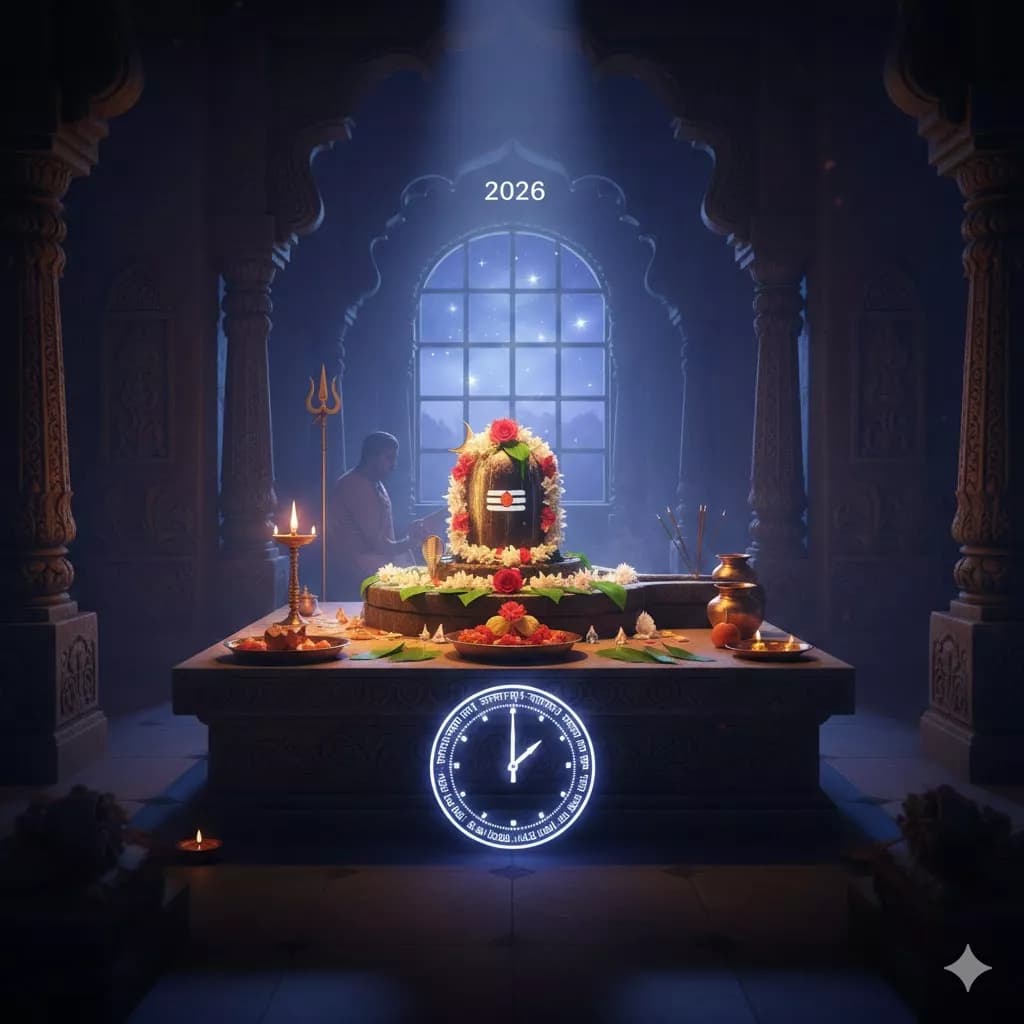
Nishita Kaal Puja 2026 on Maha Shivaratri: Exact Timings, Significance & How to Perform Midnight Worship Maha Shivaratri is one of the most profound and widely…
Nishita Kaal Puja 2026 on Maha Shivaratri: Exact Timings, Significance & How to Perform Midnight Worship
Maha Shivaratri is one of the most profound and widely observed Hindu festivals, dedicated to Lord Shiva — the Supreme Being who represents consciousness, spiritual transformation, and cosmic dissolution. Among the many auspicious moments on this sacred night, Nishita Kaal Puja holds a special place. It is the midnight worship period when devotees experience heightened spiritual energy and the deepest communion with Lord Shiva.
In this detailed and comprehensive guide, you will learn:
- [image: 🕐] Exact Nishita Kaal Timings for Maha Shivaratri 2026
- [image: 🪔] The spiritual and symbolic significance of Nishita Kaal
- [image: 🙏] How to perform the midnight puja step-by-step
- [image: 📿] Mantras, rituals, and spiritual benefits
- [image: ✨] Tips for devotees and families observing this sacred night
- [image: ❓] Common FAQs and mythological insights
Whether you are observing Shivaratri for the first time or are a lifelong devotee, this guide will help you make the most of the powerful Nishita Kaal worship.
Introduction to Maha Shivaratri
What Is Maha Shivaratri?
Maha Shivaratri (महाशिवरात्रि) means “The Great Night of Lord Shiva.” It is celebrated annually in the Hindu lunar month of Magha/Kartik Krishna Paksha Chaturdashi, depending on regional panchang calculations. For 2026, the main night of Maha Shivaratri falls on 15 February 2026, with celebrations extending into the early hours of 16 February 2026 according to the Drik Panchang and Indian Standard Time (IST).
This night is dedicated to deep introspection, fasting, meditation, and devotion to Shiva — the Lord of Transformation.
What Is Nishita Kaal? The Midnight Worship Window
Meaning of Nishita Kaal
Nishita Kaal literally means the midnight hour. In the context of Maha Shivaratri, it refers to the most auspicious and powerful half-hour or hour around the precise middle of the night — traditionally when the moon is closest to the nadir of the night sky.
Spiritually, this time symbolizes:
- The moment of divine awakening
- Silence and stillness of cosmic energy
- Maximum receptivity for spiritual meditation
- The union of Shiva (consciousness) and Shakti (energy)
Many scriptures and saints say that worshipping Shiva during Nishita Kaal yields the highest spiritual merit and accelerates liberation (moksha) and divine grace.
Exact Nishita Kaal Timings for Maha Shivaratri 2026
To observe the midnight puja correctly, knowing the exact Nishita Kaal timing is crucial. For Maha Shivaratri 2026, the most auspicious window for midnight worship is:
[image: 👉] Nishita Kaal Puja Time:
[image: 🕛] 12:09 AM – 01:01 AM (16 February 2026, IST)
This timing is based on the Chaturdashi Tithi and local solar timing of the Indian Standard Time zone, making it applicable for South India and most regions in India.
Why Worship During Nishita Kaal? Significance & Spiritual Benefits
1. The Pinnacle of Shivaratri Devotion
Nishita Kaal is considered the peak spiritual hour of Maha Shivaratri — where worldly distractions are minimal, and divine consciousness is most accessible. Devotees believe that worship during this period reaches Lord Shiva directly and profoundly.
2. Symbolic Alignment of Inner and Outer Silence
Midnight is the stillest part of the day. Likewise, Nishita Kaal symbolizes inner stillness — the place where ego dissolves, and deeper awareness arises.
3. Transformation and Liberation
Shiva is divine dissolution — the destroyer of ignorance and ego. Worship during Nishita Kaal is believed to:
- Dissolve negative karma
- Strengthen spiritual insight
- Encourage emotional detachment
- Boost Vairagya (dispassion)
4. Cosmic Alignment
Hindus regard this time as when the cosmic vibrations are most auspicious, making prayers and meditation particularly effective.
5. Heightened Power of Mantras
During Nishita Kaal, the potency of sacred mantras like Om Namah Shivaya and Maha Mrityunjaya Mantra is believed to multiply manifold.
How to Prepare for Nishita Kaal Puja: Before Midnight
Preparation is essential to maximize the spiritual benefits of the midnight puja.
[image: 🕯️] 1. Cleanse the Home and Puja Area
- Sweep and dust the puja space.
- Place a fresh cloth on the worship altar.
- Decorate with flowers like bilva leaves, jasmine, and marigold.
[image: 🪔] 2. Set Up the Shiva Linga
- Use a clean Shiva Linga or a Shiva idol.
- Place it on a plate or pedestal.
- Surround it with flowers and sacred leaves.
[image: 🕉️] 3. Arrange Puja Essentials
You may prepare:
- Water in a clean vessel
- Milk, curd, honey, sugar
- Bilva leaves
- Fresh flowers and incense sticks
- Rice, sandalwood paste, and turmeric
- Diya with ghee or oil
[image: 📿] 4. Choose a Quiet, Sacred Space
Ensure the location is:
- Free from loud noise
- Well-ventilated
- Respectfully dedicated to prayer
[image: 📖] 5. Learn the Mantras in Advance
Memorize or keep written copies of:
- Om Namah Shivaya
- Maha Mrityunjaya Mantra
- Shiva Chalisa or Rudram
Step-by-Step Guide to Performing Nishita Kaal Puja
You can perform this puja individually, with family, or in a temple. Follow this sequence:
Step 1: Sankalpa (Spiritual Intention)
Stand or sit before the altar and say your intention silently or aloud:
“I dedicate my worship to Lord Shiva, seeking peace, spiritual awakening, and well-being.”
Step 2: Lighting the Diya and Incense
Light a ghee diya and incense sticks facing the Shiva Linga.
This signifies:
- Illumination of consciousness
- Removal of spiritual darkness
Step 3: Offering Water (Abhishekam)
Water is the first and fundamental offering.
[image: 👉] Pour water gently on the Shiva Linga while chanting:
“Om Namah Shivaya” (repeated 108 times)
Step 4: Offering Milk and Sacred Substances
Pour:
- Milk
- Curd
- Honey
- Sugar solution
One by one, with devotion.
This symbolizes the five elements of nature and purification.
Step 5: Bilva Leaves and Flowers
Offer bilva (bael) leaves — the most sacred offering to Shiva — along with fresh flowers.
Each leaf signifies:
- Purity
- Spiritual aspiration
- Divine grace
Step 6: Chanting and Meditation
Sit quietly and chant one or more of the following:
- Om Namah Shivaya
- Maha Mrityunjaya Mantra
- Rudram / Chamakam (if familiar)
Focus your mind on the formless consciousness of Shiva.
Step 7: Silent Meditation
After chanting, sit in silence for 10–20 minutes.
Close your eyes and observe your breath. Let thoughts settle like water in a still pond.
This inner silence — alignment with cosmic stillness — is the heart of Nishita Kaal worship.
Step 8: Concluding the Puja
Thank Lord Shiva silently for His grace. Bow or fold hands, and offer:
- Prasad (fruits, holy food)
- Light from the diya
Powerful Mantras for Nishita Kaal Puja
Here are sacred mantras you can chant:
1. Om Namah Shivaya
The most famous and potent mantra dedicated to Lord Shiva.
Meaning:
I bow to Lord Shiva — the Supreme Being of consciousness and bliss.
2. Maha Mrityunjaya Mantra
A powerful mantra for healing, protection, and spiritual transformation.
ॐ त्र्यम्बकं यजामहे सुगन्धिं पुष्टिवर्धनम् ।
उर्वारुकमिव बन्धनान्मृत्योर्मुक्षीय माऽमृतात् ॥
Spiritual Benefits of Nishita Kaal Puja
When performed with devotion and purity, this midnight worship can result in:
[image: ✔] Mental clarity and peace
[image: ✔] Release of subconscious fears
[image: ✔] Deepened focus and spiritual awareness
[image: ✔] Improved emotional balance
[image: ✔] Inner purification and reduced stress
[image: ✔] Divine grace and blessings of Lord Shiva
Devotees often report a sense of quiet joy, energy upliftment, and calmness after Nishita worship.
Shiva According to Hindu Philosophy
Lord Shiva is worshipped in many forms:
- Nataraja — Lord of cosmic dance
- Linga — Symbol of cosmic energy
- Mahadeva — The great God
- Bhola Nath — The innocent and compassionate one
His role is not destruction for its own sake, but destruction of ignorance, enabling rebirth and spiritual growth.
Nishita Kaal in Mythology: Legends Behind Midnight Worship
1. Legend of Shiva and Parvati
In many tantric and yogic traditions, Shiva imparted the highest teachings to Parvati during the silence of midnight. Hence, the stillness of Nishita Kaal represents the space where wisdom dawns.
2. Legend of Markandeya
The sage Markandeya attained divine grace from Shiva on Shivaratri night, symbolizing the victory over fear, death, and ego.
These stories reinforce the belief that midnight is the threshold of spiritual transformation.
Common Questions (FAQs)
Q: What is the main difference between Shivaratri Puja and Nishita Kaal Puja?
Answer: Shivaratri puja can span the whole night, but Nishita Kaal refers to the midnight-most auspicious segment where spiritual energy is highest.
Q: Is fasting necessary for Nishita Kaal puja?
Answer: Fasting is traditional but not mandatory. A sincere heart and intention are more important than ritual fasting alone.
Q: Can children or elderly perform this puja?
Answer: Yes. Adjust timing and intensity according to comfort, but the heart of devotion is always welcomed.
Tips for Devotees Observing Maha Shivaratri 2026
[image: 🧘♂️] Begin preparation early — clean mind and body
[image: 🪔] Prioritize simple offerings over elaborate ones
[image: 📿] Focus on breath and mantra — not on ritual perfection
[image: 🌿] Use natural materials (bilva leaves, flowers)
[image: 📖] Reflect on Shiva’s teachings and inner transformation
Shivaratri and Modern Spirituality
Even in the modern world, Shivaratri and especially Nishita Kaal remind us to:
- Look beyond material success
- Calm the restless mind
- Seek inner peace amid chaos
- Practice compassion and surrender
Lord Shiva symbolizes stillness within change — an eternal truth every spiritual seeker aspires to realize.
Conclusion: A Night of Inner Awakening
Nishita Kaal Puja on Maha Shivaratri 2026 is far more than a ritual — it is a sacred invitation to stillness, devotion, and inner transformation. Whether you perform the midnight puja alone or with family, the essence lies in sincere devotion, clarity of intention, and surrender to the divine.
This Maha Shivaratri night, let your heart be the altar and your breath the mantra. Step into the silence, and find the eternal Shiva within.
[image: 🔔] Har Har Mahadev!
Frequently Asked Questions
When is Nishita Kaal Puja on Maha Shivaratri 2026?
Nishita Kaal Puja on Maha Shivaratri is observed on its traditional tithi in the Hindu lunar calendar; refer to the year's panchang for the exact date in your region.
What is the significance of Nishita Kaal Puja on Maha Shivaratri?
Nishita Kaal Puja 2026 on Maha Shivaratri : Exact Timings, Significance & How to Perform Midnight Worship Maha Shivaratri is one of the most profound and widely observed Hindu festivals, dedicated to Lord Shiva — the Supreme Being who represents consciousness, spiritual transformation, and cosmic dissolution. Among the many auspicious moments on this sacred
How is Nishita Kaal Puja on Maha Shivaratri celebrated?
Devotees observe it with puja, fasting or special offerings, visiting temples, chanting mantras, and gathering with family. Customs vary by region and tradition.
What should devotees do on Nishita Kaal Puja on Maha Shivaratri?
Worship Lord Shiva, perform the day's puja and offerings, observe the fast where prescribed, and chant the associated mantras with devotion.
You might also like
Maha Shivaratri 2027 in Atlanta Metro Area: Your Complete Celebration Guide
Maha Shivaratri 2026 in Norway: Shiva’s Stillness Under the Nordic Skies
Gayatri Jayanti 2026: Date, Gayatri Mantra, Puja Vidhi & Significance