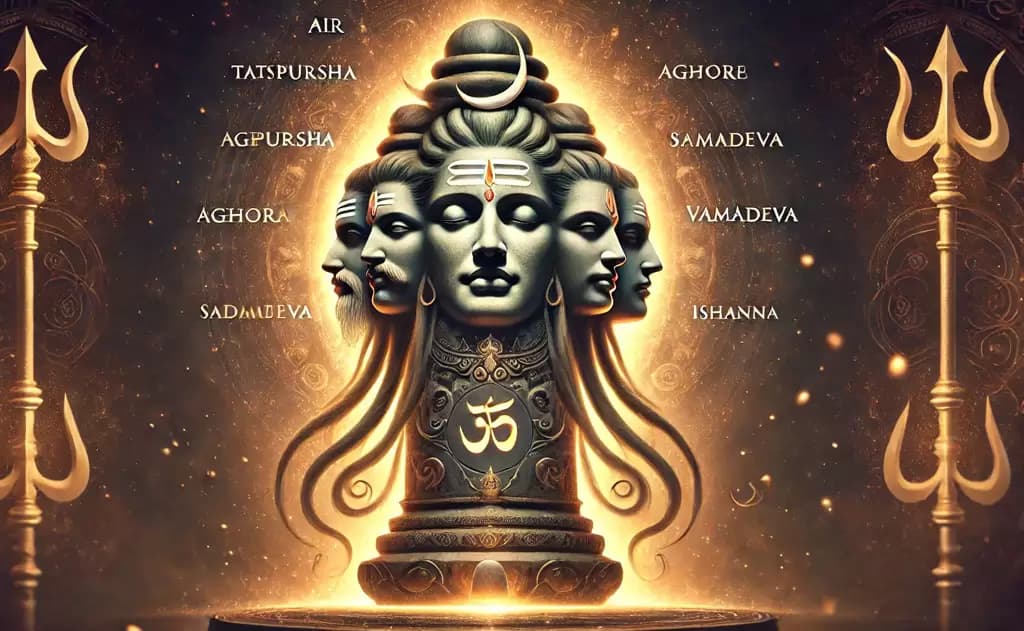
Maha Shivaratri 2026: Date, Rituals, Significance & Auspicious Celebrations in Telugu States & Worldwide
Maha Shivaratri 2026: Date, Rituals, Significance & Auspicious Celebrations in Telugu States & Worldwide Om Namah Shivaya...
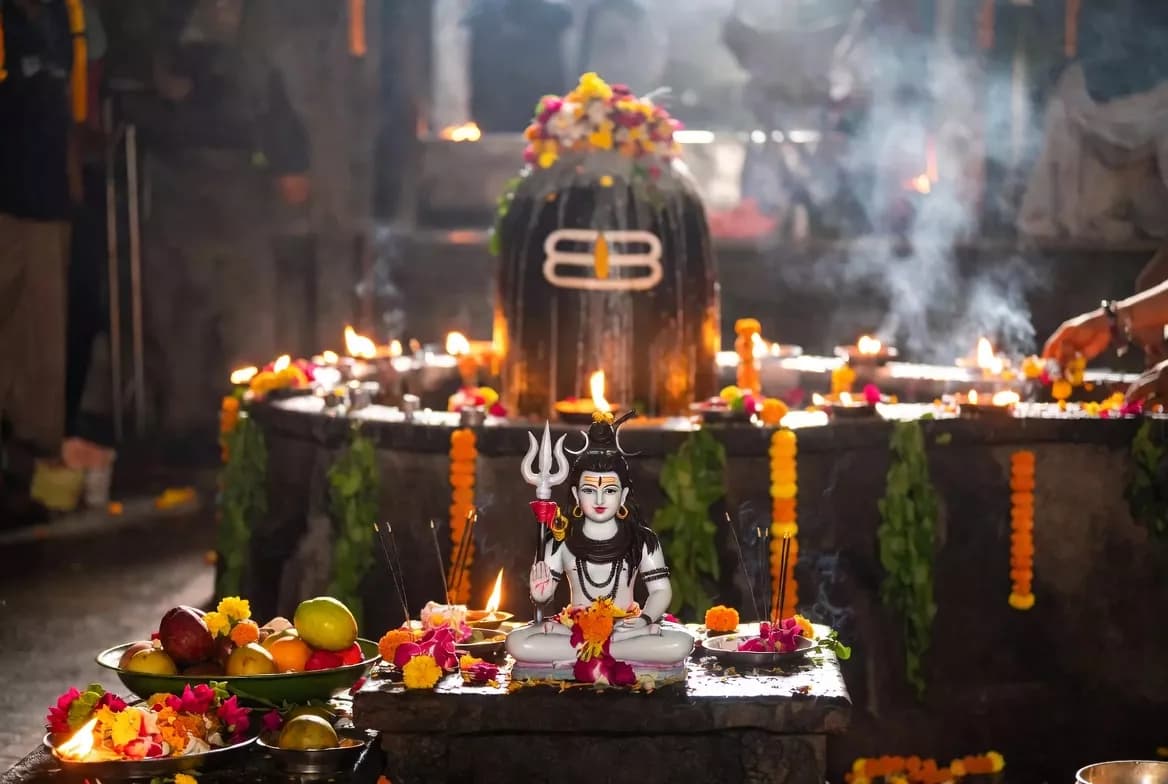
Maha Shivaratri 2026: Date, Rituals, Significance & Auspicious Celebrations in Telugu States & Worldwide Om Namah Shivaya.
Maha Shivaratri 2026: Date, Rituals, Significance & Auspicious Celebrations in Telugu States & Worldwide
Om Namah Shivaya... Dear devotees and beloved readers of Hindutone, on this sacred occasion of Maha Shivaratri, we surrender our hearts to Lord Shiva, the eternal Mahadeva, the destroyer of ignorance and bestower of ultimate peace. We pray fervently to Bholenath and Maa Parvati for Their boundless grace—may all sins be washed away, obstacles vanish, health flourish, and spiritual awakening dawn in our lives. Har Har Mahadev! Let us observe this divine night with unwavering devotion and pure bhakti.
Maha Shivaratri—the Great Night of Shiva—is one of Hinduism's most profound festivals. Falling on Phalguna Krishna Chaturdashi, it commemorates Lord Shiva's cosmic dance of creation, preservation, and destruction, His marriage to Parvati, and His heroic act of consuming the Halahala poison during Samudra Manthan to save the universe (earning Him the name Neelakantha). This night symbolizes the triumph of light over darkness, knowledge over ignorance, and devotion leading to moksha.
In Telugu states (Andhra Pradesh and Telangana), the festival is celebrated with immense fervor at ancient Jyotirlingas and Shakti Peethas, drawing lakhs of devotees for abhishekam, jagran, and bilva archana. Worldwide, Telugu communities and Hindus everywhere maintain traditions through home pujas, temple visits, and virtual satsangs.
When is Maha Shivaratri 2026? Date, Muhurat & Panchangam Timings
Maha Shivaratri 2026 falls on Sunday, February 15, 2026 (Gregorian date), corresponding to Phalguna Krishna Chaturdashi.
Key Panchangam timings (approximate for Hyderabad/Telugu states; confirm local Panchang):
- Chaturdashi Tithi Begins: Around 5:04 PM on February 15, 2026.
- Chaturdashi Tithi Ends: Around 5:34 PM on February 16, 2026.
- Nishita Kaal Puja (most auspicious midnight worship): Approximately 12:05 AM to 12:55 AM on February 16, 2026 (duration ~50 minutes).
- Ratri First Prahar Puja: Evening ~6:18 PM to 9:24 PM on February 15.
- Ratri Second Prahar: ~9:24 PM to 12:30 AM.
- Ratri Third Prahar: ~12:30 AM to 3:36 AM (approx.).
- Ratri Fourth Prahar: ~3:36 AM to sunrise on February 16.
- Parana (Breaking the Fast): After sunrise on February 16, ideally post-puja (around 6:30 AM onward).
Devotees observe the main rituals on the night of February 15 extending into February 16. This is a restricted holiday in many states, ideal for temple visits and family jagran.
Deep Spiritual Significance of Maha Shivaratri
According to Shiva Purana, this night marks:
- The divine wedding of Shiva and Parvati.
- Shiva's consumption of poison to protect creation.
- The day Brahma and Vishnu worshipped Shiva as the supreme linga of light.
Observing the vrat destroys sins, grants health, wealth, marital bliss (especially for unmarried), family harmony, and spiritual progress toward moksha. The jagran (night vigil) enhances concentration, purifies the mind, and invokes Shiva's kripa for inner awakening.
Essential Maha Shivaratri Rituals Step-by-Step – Telugu Traditions
Telugu devotees follow these heartfelt practices:
- Early Morning Snanam: Rise before sunrise, take a purifying bath, wear clean (preferably white) clothes.
- Home Preparation: Clean the puja area, install Shiva linga or photo, light a diya.
- Vrat Sankalp: Observe full fast (nirjala if possible) or phalahar (fruits, milk, sabudana); avoid tamasic foods.
- Temple Darshan & Abhishekam: Visit Shiva temples; offer bilva leaves (3 or 11), milk, curd, honey, ghee, panchamrit.
- Four Prahar Pujas: Perform abhishekam and archana in four night segments; chant "Om Namah Shivaya" continuously.
- Nishita Kaal Puja: At midnight, offer special worship—considered most meritorious.
- Jagran: Stay awake all night with bhajans, Shiva stotras, Rudram recitation, and meditation.
- Parana Next Day: Break fast after morning puja with sattvic food.
Key offerings: Bilva patra, dhatura, bhang (in moderation at temples), fruits, sweets like payasam.
Key Celebrations in Telugu States (Andhra Pradesh & Telangana)
- Srisailam Mallikarjuna Swamy Temple (Jyotirlinga & Shakti Peetha): Massive crowds for Maha Rudrabhishekam at midnight, lakh liters of milk abhishekam, bilva archana, all-night jagran.
- Srikalahasti Temple (Vayu Linga): Famous Rahu-Ketu puja, special lingarchana; flame sways mysteriously without wind.
- Vemulawada Rajarajeshwara Swamy: Known as Dakshina Kashi; hourly Rudrabhishekam, golden kavach darshan, annadanam.
- Other Temples: Amaravati Amareswara, Draksharama Bhimeswara, Hyderabad Birla Mandir (continuous abhishekam from dawn), Yadadri vicinity Shiva shrines.
In villages: Community processions, Harikathas, Burrakathas, annadanam.
Maha Shivaratri Observances Worldwide for Telugu Devotees
Telugu NRIs preserve traditions beautifully:
- USA: Group Rudrabhishekam at temples in New Jersey, California (e.g., Shiva-Vishnu temples), Texas Meenakshi Temple; home pujas, Zoom jagran with India families.
- Gulf Countries (Dubai, Saudi, Qatar): Private home pujas, community WhatsApp mantra chanting, Shiva temples in Dubai.
- UK, Europe: London Neasden Temple, Birmingham gatherings with Telugu bhajans.
- Australia, Canada, Singapore: Sydney/Melbourne Shiva-Vishnu temples; Toronto/Vancouver Telugu stotras. Adaptations: Virtual live darshan from Srisailam/Kalahasti, Telugu bhakti playlists, kids learning stotras.
Special Prasad & Sattvic Recipes – Symbolism & Preparation
Prasad symbolizes purity: Milk (cooling poison), bilva (Shiva's favorite), fruits (devotion).
Easy Sabudana Khichdi (Phalahar favorite):
- Soak 1 cup sabudana 4-5 hours.
- Roast peanuts, add cumin, green chilies.
- Mix soaked sabudana, potatoes; cook lightly.
- Garnish with coconut, coriander—offer to Shiva.
Other: Fruits, milk, payasam, sundal, vrat sweets like sunnundalu (post-parana).
Key Mantras & Stotras for Devotees
- Panchakshari: Om Namah Shivaya (chant 108/1008 times).
- Maha Mrityunjaya: Om Tryambakam Yajamahe... (for health/longevity).
- Shiva Tandava Stotram, Rudrashtakam, Shiva Chalisa.
- Telugu favorites: Annamayya/Tyagaraja kritis, Har Har Mahadev songs.
Do's & Don'ts for the Vrat
Do's: Bathe early, wear clean clothes, visit temple, offer bilva, speak truth, donate, stay awake with Shiva smaran. Don'ts: No non-veg/alcohol, no anger/lies, no daytime sleep, avoid tamasic food, limit worldly talk.
Conclusion & Blessings
Maha Shivaratri is not just a vrat—it's a gateway to self-realization and Shiva's grace. Whether in Telugu heartlands or across the globe, sincere devotion invites peace, prosperity, and moksha.
Har Har Mahadev! Shambo Shankara! Wishing you and your family health, happiness, spiritual growth, and fulfillment of all desires on this divine night. May Lord Shiva's trishul destroy all obstacles and His damaru echo joy in your life.
Jai Bholenath! [image: 🙏] [image: ✨]
(For www.hindutone.com – Embracing Sanatan Dharma with devotion)
Frequently Asked Questions
What is Maha Shivaratri?
Maha Shivaratri 2026: Date, Rituals, Significance & Auspicious Celebrations in Telugu States & Worldwide Om Namah Shivaya... Dear devotees and beloved readers of Hindutone, on this sacred occasion of Maha Shivaratri, we surrender our hearts to Lord Shiva, the eternal Mahadeva, the destroyer of ignorance and bestower of ultimate peace.
What are the key points about Maha Shivaratri?
We pray fervently to Bholenath and Maa Parvati for Their boundless grace—may all sins be washed away, obstacles vanish, health flourish, and spiritual awakening dawn in our lives. Let us observe this divine night with unwavering devotion and pure bhakti.
Why does Maha Shivaratri matter in Hinduism?
It deepens a devotee's connection with Lord Shiva and with the values of Sanatana Dharma — clarity, devotion and dharmic living.
How can devotees apply Maha Shivaratri in daily life?
By reflecting on its teaching, incorporating the related practices or observances into daily routine, and approaching it with sincere devotion and understanding.
You might also like
Gayatri Jayanti 2026: Date, Gayatri Mantra, Puja Vidhi & Significance
Dasha Papahara Dashami 2026: The Sacred Vrat That Frees You from Ten Sins – Complete Significance and Rituals

Mahalakshmi Vrata 2026: Significance, Rituals, and the Sixteen-Day Puja That Brings Lakshmi Home