Major Hindu News, Events, Temple Updates, and Court Developments in April 2026: A Comprehensive Roundup for India and the USA
April 2026 Hindu roundup: festivals (Hanuman Jayanti, Akshaya Tritiya, Vishu, Tamil New Year), Ram Mandir progress, Sabarimala Supreme Court hearings, Sheetla Mata stampede, Char Dham Yatra, and Hindu-American community updates from across the USA.
April 2026 has been a vibrant yet challenging month for the global Hindu community. From grand celebrations of Hanuman Jayanti and regional New Year festivals to significant Supreme Court hearings on temple customs and a tragic stampede, the month highlighted both devotion and the need for better safety and rights protection. This SEO-optimized guide covers key events, temple news, court cases in India, and parallel developments in the USA for Hindu Americans. Whether you’re seeking spiritual inspiration, legal insights, or community awareness, this detailed roundup serves as your one-stop resource.
Hindu Festivals and Major Events in April 2026
April marks the transition into the Hindu New Year in many traditions, filled with auspicious days. Key highlights include:
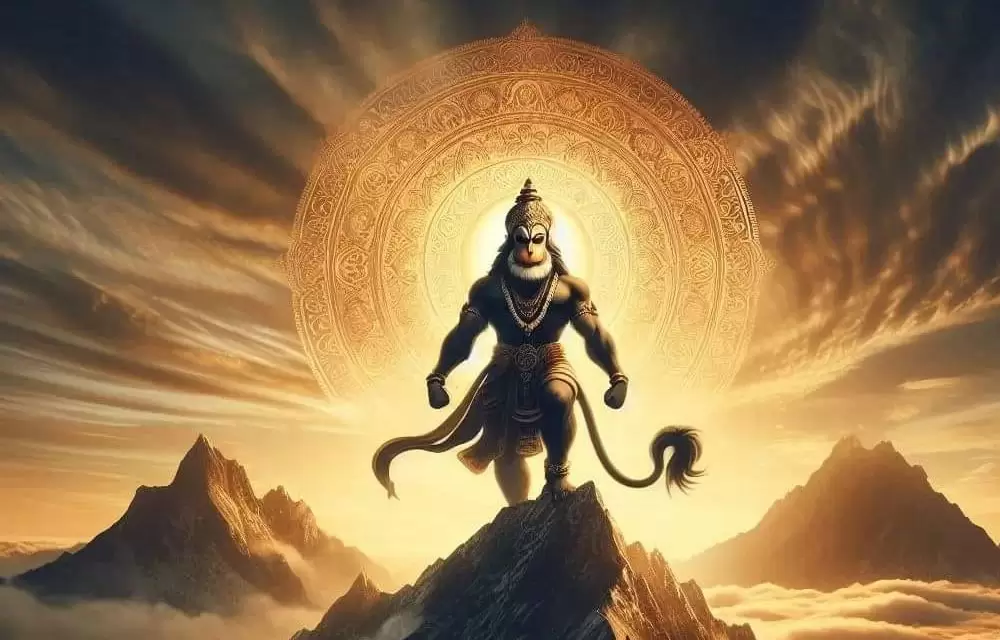
- Hanuman Jayanti (April 1–2, 2026): Celebrated on Chaitra Purnima, devotees across India and the diaspora honoured Lord Hanuman’s birth with bhajans, processions, and temple visits. In the USA (e.g., New York, New Jersey), communities organised special pujas and cultural programmes.
- Chaitra Purnima and Panguni Uthiram: coinciding with Hanuman Jayanti, emphasising devotion and family rituals.
- Baisakhi / Mesha Sankranti / Tamil New Year / Vishu (April 13–14): Punjabis celebrated the Sikh-Hindu harvest festival, while South Indians marked Puthandu and Vishu with rangoli, temple visits and feasts. These solar New Year observances united regional Hindu identities.
- Akshaya Tritiya (April 19): an auspicious day for new beginnings, charity and temple donations. Many performed parikramas and made symbolic gold / silver purchases.
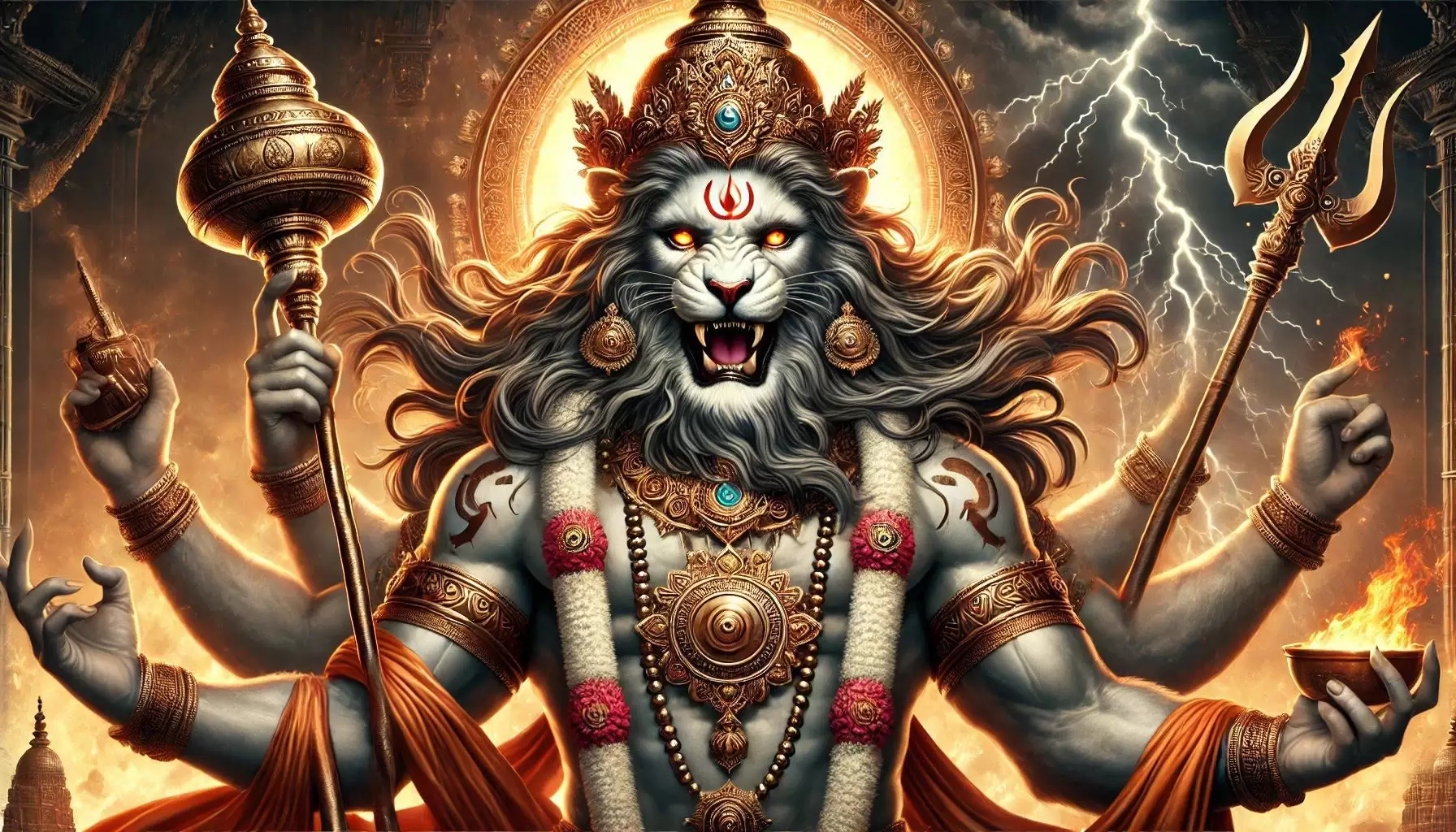
- Other Vrats: Varuthini Ekadashi, Mohini Ekadashi, Narasimha Jayanti (April 30), Sita Navami and Ganga Saptami kept devotees engaged in fasting and worship.
These festivals boosted spiritual tourism. Temple towns like Ayodhya, Varanasi and Vrindavan saw massive footfalls, reflecting a broader cultural shift toward faith-based celebrations.
Temple News and Developments in India
Temples remained central to Hindu life in April 2026, with infrastructure progress, crowd-management issues and devotional surges.
Ram Mandir, Ayodhya
Construction neared completion by April 30, 2026, with an estimated cost of ₹1,900 crore. Sub-temples within the complex opened to limited devotees (1,500–2,000 daily via passes) from mid-April, allowing darshan of associated deities. Nripendra Mishra reviewed progress, highlighting rapid advancements in horticulture and security. This milestone reinforced Ayodhya as a major pilgrimage hub, drawing record crowds year-round.
Sheetla Mata Temple Stampede, Nalanda, Bihar
A tragic stampede on March 31 (Chaitra month prayers) killed nine devotees (mostly women) and injured several at Sheetla Mata Temple. Overcrowding during Tuesday prayers triggered the chaos. The Bihar government announced ₹6 lakh ex-gratia, suspended officials and ordered probes into crowd management. The incident sparked nationwide debates on safety at religious sites, especially during peak festivals — editorials called for better infrastructure and lessons from past tragedies.
Char Dham Yatra and Other Sites
The 2026 Char Dham Yatra began amid high enthusiasm but faced crowd-control issues at Kedarnath, with videos showing pushing and barricade breaches. Temples like Banke Bihari and others saw routine management updates.
Overall, April underscored the surge in Hindu pilgrimage but highlighted persistent challenges in managing large gatherings.
Hindus-Related Court News in India
April 2026 featured landmark Supreme Court proceedings on religious freedom, temple autonomy and customs.
Sabarimala Reference and Women’s Entry Hearings
A nine-judge Constitution Bench (led by CJI Surya Kant) intensely heard review petitions on the 2018 Sabarimala verdict allowing women of menstruating age entry. Hearings spanned early to late April.
- Key observations: the Court emphasised following a temple’s sampradaya (traditional practices) or staying out. It questioned sect-based exclusions, noting they could “divide society” and harm Hinduism’s unity.
- “Not good for Hinduism” if temples restrict access by caste or denomination — a refrain repeated across hearings.
- Solicitor General Tushar Mehta highlighted Hinduism’s internal plurality versus more structured faiths. Debates centred on Article 25(2)(b) social reform vs. Article 26 denominational rights.
Government Stance on Temple Control
On April 22, the Modi government informed the Supreme Court it does not favour state control over temples and prefers not to manage religious institutions, signalling potential moves toward greater autonomy.
Other Mentions
Banke Bihari Temple case adjournments and broader discussions on SC/ST status post-conversion (rulings reinforcing loss of benefits upon leaving Hinduism / Buddhism / Sikhism).
These hearings are pivotal for balancing tradition, reform and constitutional rights, with implications for temples nationwide.
Hindu News and Events in the USA — Diaspora Perspective
Hindu Americans actively celebrated festivals while addressing rising challenges.
Festivals in the USA
- Temples in New York, New Jersey, Texas, California and elsewhere hosted Hanuman Jayanti pujas, Tamil New Year events (Vishu / Puthandu) and Akshaya Tritiya programmes.
- Austin Hindu Temple and others listed special archana and cultural events.
- Communities emphasised family, yoga and education alongside worship.
Community and Advocacy
- Hindu American Foundation (HAF) activities included galas (“Back to the Hindu Future”), awards for podcasts and staff retreats. They continued advocacy on religious freedom.
- Rallies and awareness on global issues, including past concerns over Bangladesh Hindus.
Challenges: Anti-Hindu Sentiment and Temple Safety
- Reports of vandalism, mockery (e.g., Texas journalist incidents), and broader scrutiny via USCIRF reports. India pushed back, highlighting attacks on Hindu temples in the US.
- Incidents of hate, including questions to figures like Vivek Ramaswamy on rising anti-Hindu hate.
- HinduPACT and others monitored USCIRF narratives and called for balanced views on diaspora experiences.
Hindu Americans contribute significantly to US society in tech, medicine and culture, yet face stereotyping. Events like temple screenings and summits foster resilience.
Key Takeaways and Future Outlook
April 2026 reinforced Hinduism’s resilience: massive devotional participation, legal battles for autonomy, and diaspora vibrancy. Challenges like crowd safety (Nalanda) and temple rights demand proactive solutions — better infrastructure, community training and policy advocacy.
- For India: continued focus on Ram Mandir completion, Char Dham improvements and Supreme Court outcomes could shape temple governance for decades.
- For the USA: strengthening temples as cultural hubs while countering hate through education and alliances remains crucial.
Call to Action
Visit local temples, support heritage preservation, and stay informed via Hindutone. Share this post for wider awareness of Hindu issues. Jai Sanatana Dharma! 🙏
Frequently Asked Questions
Where is Major Hindu News, Events, Temple Updates, and Court located?
April 2026 has been a vibrant yet challenging month for the global Hindu community. From grand celebrations of Hanuman Jayanti and regional New Year festivals to significant Supreme Court hearings on temple customs and a tragic stampede, the month highlighted both devotion and the need for better safety and rights protection.
Who is the presiding deity of Major Hindu News, Events, Temple Updates, and Court?
The temple's presiding deity and its significance are described in the guide above.
What are the timings and how do I reach Major Hindu News, Events, Temple Updates, and Court?
Temples typically open early morning and evening; confirm current darshan timings before visiting. The nearest airport, railway station and road routes are covered in the guide above.
What is the best time to visit Major Hindu News, Events, Temple Updates, and Court?
Major festival days and the cooler months are popular, though weekday mornings offer a calmer darshan. Plan around the temple's key festivals for the most vibrant experience.
Share this with family and friends
Send it on WhatsApp, post it, or copy the link.
More from News
- Aurora Hindu Temple Shooting Plot Foiled: Illinois Teen Charged After Rifle Jammed, Police Say
- Hindu Temples Abroad News, October 2026: Neasden's 42-Foot Tapomurti, Maha Annakut, Paris Mandir Hosts UNESCO Diplomats, Abu Dhabi Prayers
- Hindu Temple News, October 2026: Tirumala Navaratri Brahmotsavam, Sabarimala Security, Kashi's New CEO and Puri Updates
- Hindu Festival News, October 2026: Kullu Dussehra, Bastar, Delhi Ramlila, Gujarat Garba, Bathukamma, Chhath and Ayodhya Deepotsav
- Festival Special Trains 2026: Dasara, Diwali and Chhath Specials Announced So Far, Route by Route
You might also like
Hindu Festivals in May & June 2026: Ganga Saptami, Sita Navami, Buddha Purnima, Ganga Dussehra, Nirjala Ekadashi — Complete Vaishakha–Jyeshtha Guide
Narasimha Avatar — The Man-Lion Incarnation of Vishnu: Prahlada's Devotion, Hiranyakashipu's Defeat & Complete Story

Tirumala Latest News April 2026: Padmavati Parinayotsavam Live Updates, Darshan Stats & Devotee Donations