Vemulawada Temple Dargah Removal: Victory of Hindu Unity
Hindutone Editorial Team | October 15, 2025 The Telangana government's decision to remove the dargah located within the premises of the Vemulawada…
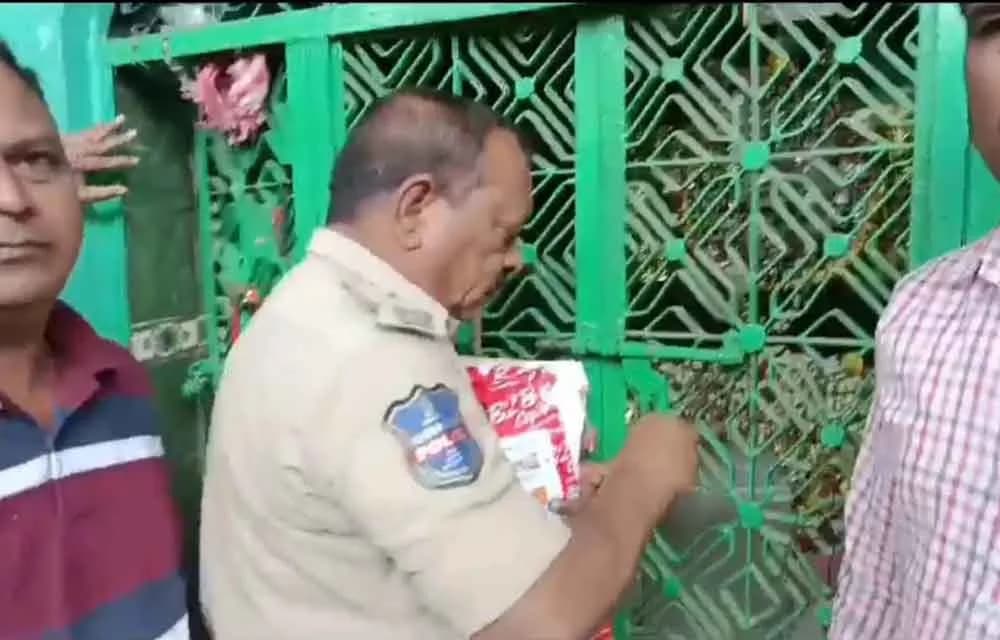
Hindutone Editorial Team | October 15, 2025 The Telangana government's decision to remove the dargah located within the premises of the Vemulawada…
Hindutone Editorial Team | October 15, 2025
The Telangana government's decision to remove the dargah located within the premises of the Vemulawada Rajarajeshwara Swamy Temple and relocate it elsewhere has brought immense joy to the Hindu community. This decision came as a result of a year-long movement by Hindus and discussions with the local Muslim community. This struggle to protect the temple's sanctity has become a symbol of dharma and unity.
Historical Background: Ancient Temple, Controversial Dargah
The Vemulawada Rajarajeshwara Swamy Temple, known as the "Dakshina Kashi" of Telangana, is dedicated to Lord Shiva and was built in the 8th century by the Vemulawada Chalukyas (750-973 CE). This region, featuring rock-cut inscriptions, served as the capital of the Chalukyas. Every year, lakhs of devotees offer "koduku" (tonsure) and perform rituals here.
The dargah, painted green and located on the southern side of the temple, is said to be the tomb of a Muslim saint. According to some, it belongs to a Sufi devotee of Shiva who was granted permission by the deity to be buried there. However, others claim that a Sufi invader from Aurangabad attempted to destroy the Shiva Linga but failed and was buried there. The presence of this dargah within the temple premises has been unacceptable to many Hindus, who view it as an attack on sacred Hindu land.
The Movement Begins: "Dargah Hatao, Vemulawada Bachao"
The movement gained momentum in early 2025 under the leadership of activist Ravinder Goud (Ravinder Anna). As the founder of the Chhatrapati Shivaji Maharaj Mandal, Goud called upon Hindus to insert slips into the temple's hundi saying "Dargah Hatao, Vemulawada Bachao" (Remove the Dargah, Save Vemulawada). Thousands of such slips were collected, turning it into a silent protest.
During Prime Minister Narendra Modi's visit to the temple in 2024, questions about the dargah resurfaced. In June 2025, Congress leader and advocate Burra Raviteja Goud wrote a letter urging its relocation. Amid growing controversies, Goud was arrested and spent 15 days in remand. Undeterred, he initiated a 108-day Hanuman Chalisa parayan (recitation). Organizations like RSS and BJP joined, strengthening the movement.
The Decisive Moment: Government Discussions, Muslim Consensus
In October 2025, the government announced plans to close the temple temporarily for renovation works and set up LED screens for darshan. On October 13-14, local MLA Adi Srinivas (Congress), MP Bandi Sanjay (BJP), and endowment officials held discussions with the Muslim community. The Muslims agreed to relocate the dargah outside the temple premises to maintain peace and harmony.
Some pointed out that according to Islamic principles, prayers should not be offered in places associated with other deities. The Sringeri Mutt suggested future expansions, including the construction of "Koti Lingalu" (a million lingas) on the southern side and reconsecration of other deities.
Hindus' Joy and Inspiration
Devotees are overjoyed with this announcement. Activist Prerna Thiruvaipati described it as an "epic moment of Hindu unity in Telangana." Social media is abuzz with posts like "Hara Hara Mahadev" and "Vijayee Bhava Vemulawada Pate" (Victory to the Lord of Vemulawada). Ravinder Goud has been hailed as a "real hero."
This victory symbolizes reclaiming the temple's sanctity through peaceful struggle. It serves as a guide for addressing similar issues in other temples. Hindutone salutes Ravinder Goud and all devotees. Jai Shri Ram! Hara Hara Mahadev!
Note: This story is based on reports as of October 15, 2025. Follow Hindutone.com for updates
Frequently Asked Questions
Where is Vemulawada Temple Dargah Removal located?
Hindutone Editorial Team | October 15, 2025 The Telangana government's decision to remove the dargah located within the premises of the Vemulawada Rajarajeshwara Swamy Temple and relocate it elsewhere has brought immense joy to the Hindu community. This decision came as a result of a year-long movement by Hindus and discussions with the local Muslim communit
Who is the presiding deity of Vemulawada Temple Dargah Removal?
The temple's presiding deity and its significance are described in the guide above.
What are the timings and how do I reach Vemulawada Temple Dargah Removal?
Temples typically open early morning and evening; confirm current darshan timings before visiting. The nearest airport, railway station and road routes are covered in the guide above.
What is the best time to visit Vemulawada Temple Dargah Removal?
Major festival days and the cooler months are popular, though weekday mornings offer a calmer darshan. Plan around the temple's key festivals for the most vibrant experience.
You might also like

Shani Deva Temples Worldwide & Must-Performed Rituals — Complete Devotee's Guide

ISKCON to Serve Pure Sattvik Mid-Day Meals to School Children in Bengal | Suvendu Adhikari Initiative
The Resolve of a Monk – A Divine Incident Showcasing Kanchi Paramacharya’s Compassion