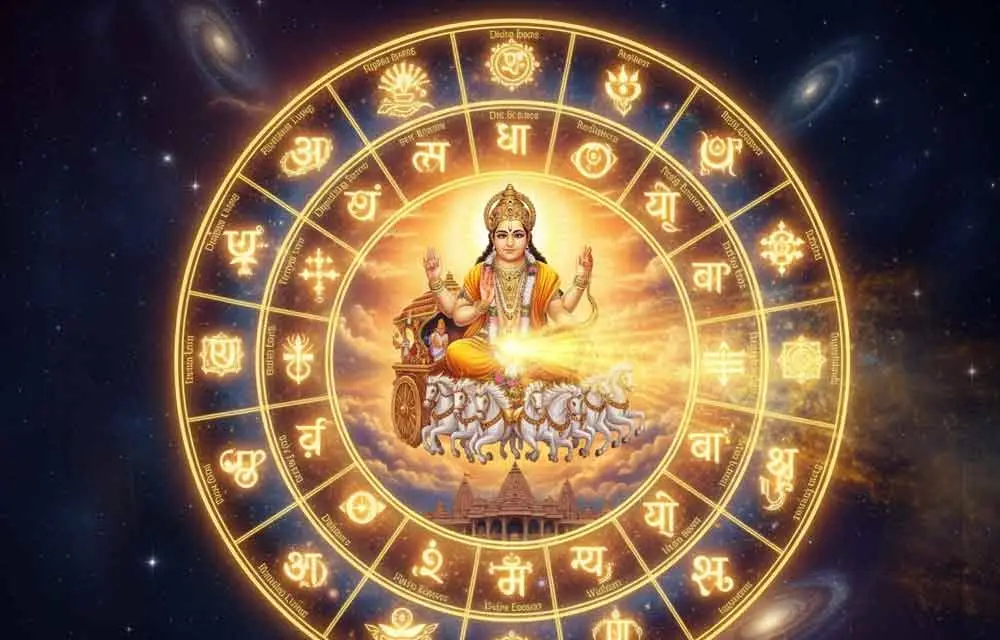
Powerful Mantras for Getting Good Contracts and Business Success
1. Ganesh Mantra for Removing Obstacles in Business Mantra:Om Gam Ganapataye Namaha Meaning:“Salutations to Lord Ganesha, the remover of obstacles.” How to…
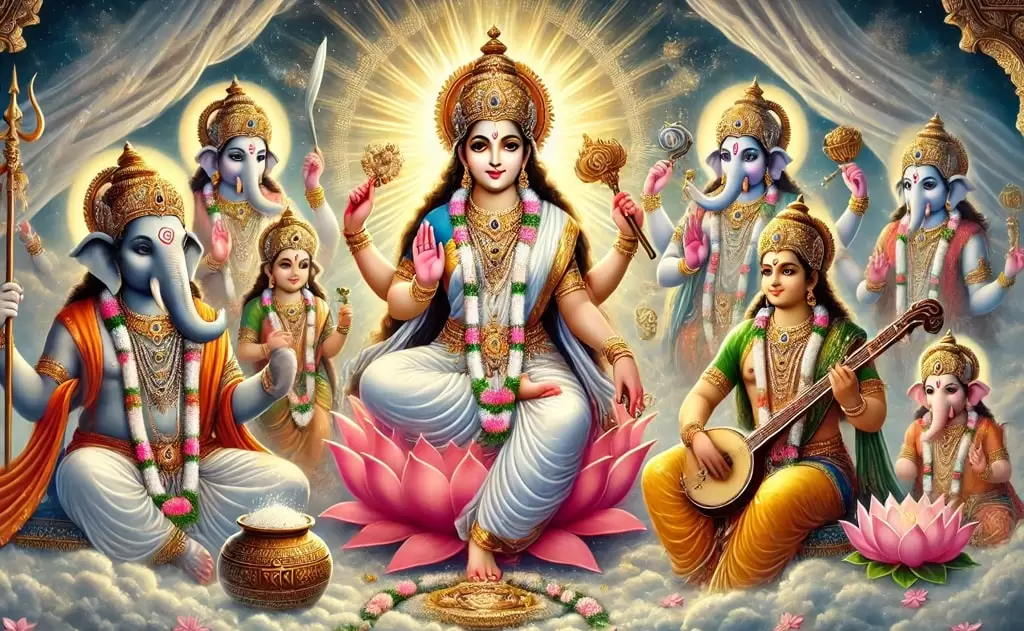
1. Ganesh Mantra for Removing Obstacles in Business Mantra:Om Gam Ganapataye Namaha Meaning:“Salutations to Lord Ganesha, the remover of obstacles.
1. Ganesh Mantra for Removing Obstacles in Business
Mantra:
Om Gam Ganapataye Namaha
Meaning:
“Salutations to Lord Ganesha, the remover of obstacles.”
How to Chant:
- Chant 108 times daily.
- Best chanted before important business ventures, meetings, or contract signings.
- Tuesday is an auspicious day for invoking Lord Ganesha.
2. Lakshmi Mantra for Wealth and Prosperity
Mantra:
Om Shreem Mahalakshmiyei Namaha
Meaning:
“I invoke Goddess Lakshmi, the bestower of wealth and prosperity.”
How to Chant:
- Recite 108 times daily, ideally in the early morning after bathing.
- Fridays are particularly auspicious for chanting Lakshmi mantras.
3. Kubera Mantra for Financial Growth
Mantra:
Om Yakshaya Kuberaya Vaishravanaya Dhanadhanyadi Pataye
Dhanadhanyasamruddhim Me Dehi Dapaya Swaha
Meaning:
“I bow to Lord Kubera, the guardian of wealth, and pray for prosperity and riches.”
How to Chant:
- Chant 108 times every morning, preferably with a Kubera Yantra.
- Offer flowers or sweets to Lord Kubera to enhance the mantra’s power.
4. Saraswati Mantra for Business Intelligence and Wisdom
Mantra:
Om Aim Saraswatyai Namaha
Meaning:
“I bow to Goddess Saraswati, who grants knowledge and wisdom.”
How to Chant:
- Recite before important meetings, presentations, or contract discussions.
- Chanting 108 times daily enhances clarity and intellectual capabilities.
5. Gayatri Mantra for Overall Success and Positive Energy
Mantra:
Om Bhur Bhuvah Svaha | Tat Savitur Varenyam | Bhargo Devasya Dheemahi
| Dhiyo Yo Nah Prachodayat
Meaning:
“We meditate on the divine light of the Sun. May it enlighten our intellect and guide us on the right path.”
How to Chant:
- Chant 108 times daily to cleanse the mind and environment of negativity.
- Attracts success and prosperity in business.
6. Durga Mantra for Strength and Protection in Business
Mantra:
Om Dum Durgayei Namaha
Meaning:
“I bow to Goddess Durga, the remover of all obstacles.”
How to Chant:
- Chant 108 times daily, especially before important business negotiations or meetings.
- Creates a shield of protection and brings clarity in decision-making.
7. Hanuman Mantra for Success in Competitive Business Environments
Mantra:
Om Namo Hanumate Rudratmakaya Hoom Phat
Meaning:
“I invoke Lord Hanuman, who embodies strength and courage, to remove all obstacles in my path.”
How to Chant:
- Recite 108 times daily, preferably in the morning before work.
- Tuesdays and Saturdays are especially powerful for this mantra.
8. Mahalakshmi Ashtakam Mantra for Business Growth and Financial Stability
Mantra:
Namastestu Mahamaye Shree Pithe Surapujite | Shankha Chakra Gada Haste
Mahalakshmi Namostute
Meaning:
“Salutations to Goddess Mahalakshmi, the bestower of fortune and wealth.”
How to Chant:
- Chant these verses daily, especially on Fridays.
- Ensures financial growth and stability in business.
9. Shiva Mantra for Stability in Business Ventures
Mantra:
Om Namah Shivaya
Meaning:
“I bow to Lord Shiva, the supreme consciousness.”
How to Chant:
- Chant 108 times daily, especially in the evening.
- Eliminates fear and confusion, bringing mental clarity in business decisions.
Conclusion: Achieving Business Success Through Mantras
By regularly chanting these powerful mantras, you can invoke divine energies to remove obstacles, increase prosperity, and attract good business opportunities. Whether you are dealing with competitive environments or seeking to finalize important contracts, these mantras offer spiritual strength, clarity, and success. Make it a habit to chant these mantras daily, especially during critical business decisions or meetings, to manifest positive outcomes.
Why 108 Repetitions? The Scriptural Basis for Mantra Japa in Business Contexts
The number 108 holds deep significance across Vedic and Tantric traditions. The Vedanga text Srimad Bhagavatam and various Upanishads associate 108 with the relationship between the Sun, Earth, and Moon — the Sun's diameter is approximately 108 times the Earth's diameter, and the distance from Earth to the Sun is roughly 108 times the Sun's diameter. Ancient rishis encoded this cosmic proportion into the japa count so that each recitation aligns individual consciousness with universal rhythm.
From a practical standpoint, using a rudraksha or tulsi mala of 108 beads allows the practitioner to maintain count without mental distraction, keeping the mind anchored in the mantra's vibrational field. For business mantras specifically, this unbroken attention is considered essential — the Mantra Yoga Samhita, an authoritative text on japa practice, states that a scattered mind during chanting produces only a fraction of the mantra's intended phala (fruit). Completing the full 108 with steady breath and focused intent is therefore not ritual formality but functional discipline.
The Role of Kubera Yantra — How to Consecrate and Use It Alongside the Kubera Mantra
The Kubera Yantra is a geometric diagram (yantra) composed of interlocking triangles, lotus petals, and a central bindu, all encoding the numerical grid 27-20-25, 22-24-26, 23-28-21 — a magic square whose rows, columns, and diagonals each sum to 72, a sacred Vedic number associated with Kubera's treasury. Placing a properly consecrated Kubera Yantra on the northeast corner of your office or place of business is recommended in Vastu Shastra, as the northeast (Ishanya kona) is governed by divine energy and financial accumulation.
To consecrate the yantra before first use, wash it with Ganga jal or clean water, apply sandalwood paste, and offer yellow flowers and dhoop (incense). Then recite the full Kubera mantra 108 times directly before it. This process, called prana pratishtha in a simplified domestic form, is said to activate the yantra as a living instrument of Kubera's energy rather than a mere symbol. Thereafter, the daily 108-repetition practice can be performed in front of the installed yantra. Many practitioners also keep the yantra inside their business safe or cash register as a continuous energetic anchor.
Saraswati's Specific Gift to Merchants — Vak Siddhi and the Art of Negotiation
While Saraswati Devi is widely revered as the goddess of learning and arts, the Rigveda (6.61.4) addresses her as 'Vagdevi' — sovereign of speech itself. In a business context, this translates directly into the power of persuasion, articulate presentation, and the precise use of language during contract negotiations. Chanting 'Om Aim Saraswatyai Namaha' before client meetings is therefore not merely about intelligence in the abstract; it is a specific invocation for vak siddhi — the perfection of speech so that one's words carry clarity, credibility, and conviction.
The Devi Bhagavata Purana describes Saraswati as the force that dispels moha (delusion) and enables viveka (discernment). In high-stakes business dealings, the ability to read complex clauses, identify unfavourable terms, and ask the right questions is precisely this kind of viveka. Practitioners who combine daily Saraswati japa with sincere study and preparation report that the mantra functions as a multiplier of genuine effort — the deity, according to tradition, does not substitute for preparation but sharpens it.
Auspicious Tithis and Muhurtas — When to Sign Contracts According to the Panchang
Beyond the weekly auspicious days already noted — Tuesday for Ganesha and Friday for Lakshmi — the Vedic Panchang (almanac) identifies specific tithis (lunar dates) especially conducive to commercial agreements. Dwitiya (2nd), Tritiya (3rd), Panchami (5th), Saptami (7th), Dashami (10th), Ekadashi (11th), and Trayodashi (13th) tithis of both the bright (Shukla Paksha) and dark (Krishna Paksha) fortnights are generally considered auspicious for new undertakings. Chaturdashi (14th), Amavasya (new moon), and Purnima (full moon) are traditionally avoided for initiating contracts.
The nakshatra (lunar mansion) prevailing at the time of signing also matters. Rohini, Hasta, Pushya, Swati, Anuradha, and Revati nakshatras are praised in texts like the Muhurta Chintamani as shubha (auspicious) for financial and commercial transactions. Before a major contract signing, consulting a qualified Vedic astrologer or a reliable Panchang app to identify a muhurta — a specific auspicious window — combining a favourable tithi, nakshatra, and day of the week can substantially reinforce the spiritual preparations outlined in the mantra practice.
Sacred Temples Associated With Business Prosperity — Pilgrimage as a Power Practice
Several temples across India are specifically venerated by the business community for blessings on commercial endeavours. The Shri Mahalakshmi Temple at Kolhapur, Maharashtra, is one of the Shakti Peethas and draws merchants seeking Lakshmi's direct grace before major ventures. Similarly, the Shri Padmanabhaswamy Temple in Thiruvananthapuram, Kerala, has historically been a centre of royal and merchant wealth offerings. In Tamil Nadu, the Kubera Lingam at Alangudi (one of the Navagraha temples) and the Ucchi Pillaiyar Temple in Tiruchirappalli are visited for financial and contractual blessings.
For those invoking Lord Ganesha specifically for business success, the Ashtavinayaka yatra — the pilgrimage to eight self-manifested (svayambhu) Ganesha shrines in Maharashtra — is considered one of the most potent circuits a business person can undertake. These eight temples include Shri Mayureshwar at Morgaon, Shri Siddhivinayak at Siddhatek, and Shri Mahaganapati at Ranjangaon, among others. Undertaking this pilgrimage even once is said in regional tradition to establish a lasting protective bond with Vighnaharta (the remover of obstacles) for all future commercial life.
Combining Mantra Practice With Ethical Business Conduct — The Dharmic Foundation
The Mahabharata (Shanti Parva, Chapter 8) explicitly teaches that wealth obtained through adharma (unethical means) ultimately destroys the one who holds it. Mantra practice in Hindu tradition is never conceived as a shortcut around integrity — rather, it is designed to align the practitioner's inner state with the qualities of the deity invoked. Chanting the Lakshmi mantra while simultaneously engaging in deceptive contracts is considered in Agamic tradition a form of mantra-dosha (mantra transgression) that can reverse the intended benefit.
The concept of Nyaya (rightful earnings) is central to Vaishya dharma — the traditional dharma of the merchant class — as laid out in texts like Manu Smriti and the Arthashastra of Kautilya. Honest weights and measures, clear contractual terms, fair treatment of workers and suppliers, and transparency with clients are the ethical substrate upon which mantra-based spiritual practice becomes genuinely effective. In this understanding, the mantras listed in this article function at their full potency only when the practitioner's business conduct itself is an expression of satya (truth) and nyaya — making ethics not a constraint on success but its very foundation.
Frequently Asked Questions
What is the Powerful Mantras for Getting Good Contracts?
Ganesh Mantra for Removing Obstacles in Business Mantra: Om Gam Ganapataye Namaha Meaning: “Salutations to Lord Ganesha, the remover of obstacles.” How to Chant: Chant 108 times daily. Best chanted before important business ventures, meetings, or contract signings.
How many times should the Powerful Mantras for Getting Good Contracts be chanted?
It is traditionally chanted 108 times using a rudraksha or tulsi mala. Even 11 or 21 sincere repetitions daily are considered beneficial — steady, focused practice matters more than the count.
What is the best time to chant the Powerful Mantras for Getting Good Contracts?
Dawn (Brahma Muhurta) after a bath is considered ideal, though it may be chanted any time with a calm, focused mind. Many devotees keep a fixed daily time to build consistency.
Who can chant the Powerful Mantras for Getting Good Contracts?
Anyone may chant it with faith and a pure mind, regardless of age, gender or background. Beginners benefit from first hearing the correct pronunciation and understanding its meaning.
What are the benefits of chanting the Powerful Mantras for Getting Good Contracts?
It is believed to calm the mind, dissolve negativity, and draw divine grace, protection and clarity to the devotee.
You might also like
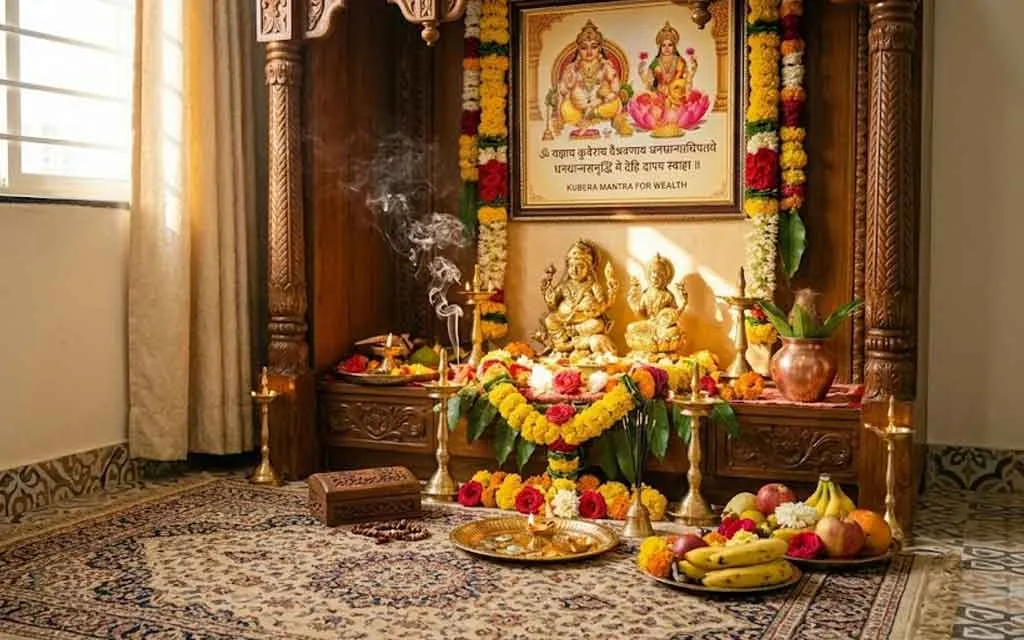
Kubera Mantra for Wealth — The Most Powerful Treasure Invocation | Complete Guide

Powerful Mantras and Poojas for Good Physical and Mental Health
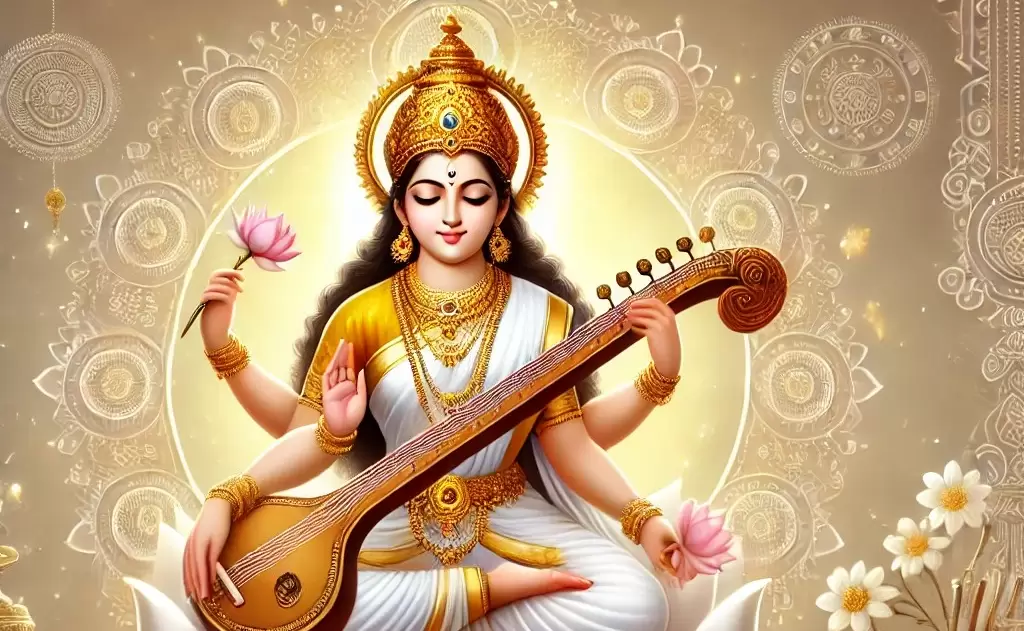
Saraswati Mantra for Students: Improve Memory and Academic Success