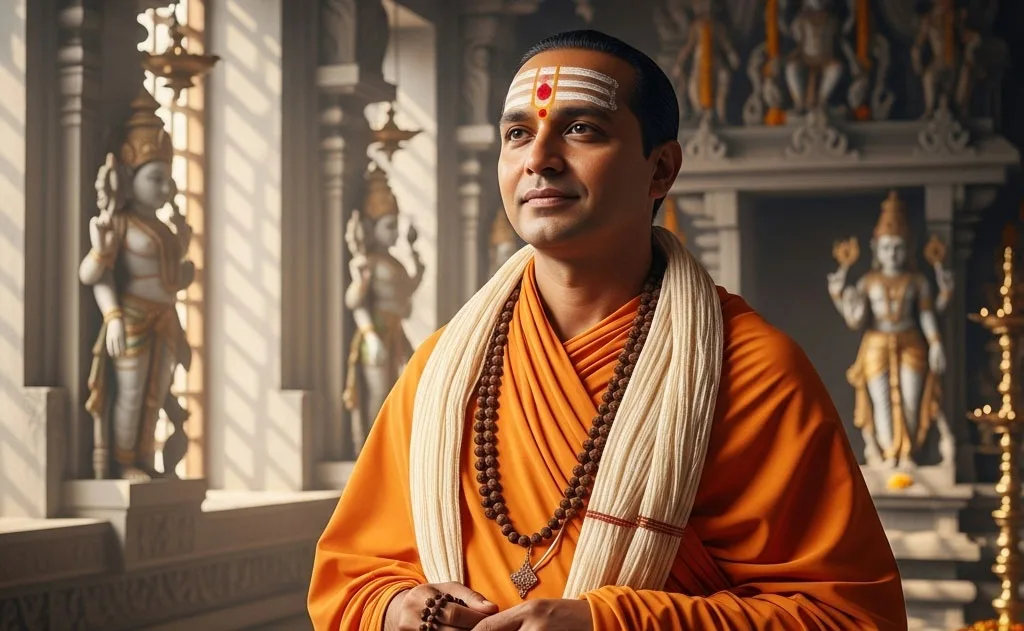
Hindu Priest – Sri Venkateswara Temple, Cary, NC
Location: Sri Venkateswara Temple, Cary, NCJob Type: Full-TimeSalary/Compensation: Competitive, commensurate with experience (estimated $45,000–$85,000…
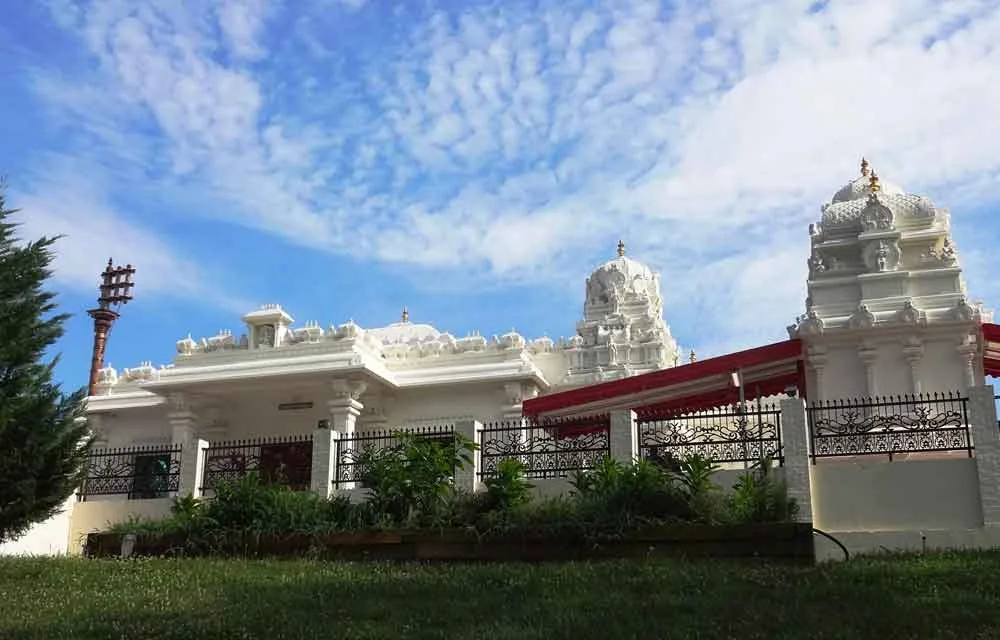
Location: Sri Venkateswara Temple, Cary, NCJob Type: Full-TimeSalary/Compensation: Competitive, commensurate with experience (estimated $45,000–$85,000…
Location: Sri Venkateswara Temple, Cary, NC
Job Type: Full-Time
Salary/Compensation: Competitive, commensurate with experience (estimated $45,000–$85,000 annually; details provided upon application)
Application Deadline: Open until filled
Job Overview
Sri Venkateswara Temple in Cary, North Carolina, a prominent Hindu temple serving a vibrant and diverse community, is seeking an additional Hindu Priest to enhance our spiritual and religious services. This full-time role involves performing traditional Vedic rituals, leading festivals, and providing spiritual guidance with a focus on Vaishnava traditions. If you are an ordained priest with expertise in Vedic practices and a passion for serving the Hindu community in the USA, join us to contribute to one of the Southeast’s most revered temples.
Key Responsibilities
- Perform daily pujas, archana, homams, and other Vedic rituals in accordance with Vaishnava Agamas (Pancharatra or Vaikhanasa).
- Lead major temple festivals, such as Brahmotsavam, Deepavali, and Sri Ramanavami, with authenticity and devotion.
- Conduct sacraments (samskaras), including weddings, naming ceremonies, and other life-cycle rituals.
- Provide spiritual counseling and guidance to devotees, addressing religious and personal queries with empathy and care.
- Maintain the sanctity of temple deities (Lord Venkateswara, Sri Devi, Bhudevi, and others) and premises.
- Collaborate with temple management, priests, and volunteers to organize cultural, educational, and community outreach programs.
Key Requirements
- Ordained Hindu Priest with formal training in Vaishnava Agamas (Pancharatra or Vaikhanasa) from a recognized institution.
- Minimum of 3–5 years of experience as a priest in a Hindu temple in India, USA, or abroad.
- Proficiency in performing Vedic rituals, Sanskrit chants, and complex ceremonies.
- Fluency in English for effective communication with devotees; knowledge of Sanskrit, Tamil, Telugu, Hindi, or other Indian languages is highly desirable.
- Strong interpersonal skills to engage with a diverse community and provide compassionate spiritual support.
- Ability to work flexible hours, including evenings, weekends, and festival periods.
- Eligibility to work in the USA (visa sponsorship details available upon inquiry).
Why Join Sri Venkateswara Temple?
- Serve a large and devoted Hindu community at one of the most prominent temples in the Southeast USA, located in Cary, NC.
- Contribute to authentic Vaishnava traditions through daily worship, grand festivals, and community engagement.
- Be part of a supportive and collaborative environment that values spiritual leadership and cultural preservation.
- Opportunity for long-term growth and meaningful impact in a well-established temple.
Application Details
To apply for the Hindu Priest position, please submit the following:
- Resume/CV detailing your priestly training, experience, and qualifications.
- Audio/Video Samples (optional) showcasing your ability to perform Vedic rituals or chants.
- Certification Documents proving ordination and training in Vaishnava Agamas (English translations if applicable).
- Cover Letter (optional) expressing your dedication to this role and alignment with the temple’s mission.
Email your application to: careers@svtemple-nc.org
Subject Line: Hindu Priest Application –
Applications are reviewed on a rolling basis. Shortlisted candidates will be contacted for interviews, which may include a demonstration of ritual proficiency.
About Sri Venkateswara Temple
Sri Venkateswara Temple in Cary, NC, is a cornerstone of Hindu worship and culture in the Southeast USA. Dedicated to Lord Venkateswara, the temple attracts thousands of devotees annually for its authentic rituals, vibrant festivals, and community programs. Our mission is to preserve Hindu traditions, foster spiritual growth, and promote cultural unity in a welcoming environment.
Contact Information:
Sri Venkateswara Temple
121 Balaji Pl, Cary, NC 27513
Email: careers@svtemple-nc.org
Phone: (919) 468-0040
Website: www.svtemple-nc.org
What Agamic tradition governs worship at Sri Venkateswara Temple, Cary?
Sri Venkateswara Temple in Cary, North Carolina follows the Vaishnava Agama tradition, which prescribes two principal streams of temple worship: Pancharatra and Vaikhanasa. Both are considered revealed scriptures (Agamas) governing the construction of temples (Sthapatya), installation of deities (Pratishtha), and the daily, fortnightly, and annual rhythms of worship (Nityapuja, Naimittika, and Kamya rituals). The priest hired for this role must be competent in at least one of these streams, with familiarity in the other being a significant advantage.
The Pancharatra Agama, associated closely with the Bhagavata school, emphasizes Shodasopachara (sixteen forms of service) to the Lord in His four vyuha forms — Vasudeva, Sankarshana, Pradyumna, and Aniruddha. The Vaikhanasa Agama, attributed to the sage Vikhanas, is particularly prominent at Tirumala Tirupati and many of its diaspora-affiliated temples. Understanding the subtle liturgical distinctions between these two traditions is essential for a priest performing archana, thiruvanandal (sacred bathing), and alankara (ornamentation of the deity) at a temple as established as the one in Cary.
What are the major festivals a priest at this temple must be equipped to lead?
Brahmotsavam is the grandest annual festival in any Sri Venkateswara temple, spanning nine days and involving elaborate vahana sevas (processional services on celestial vehicles such as Garuda, Hanumantha, and Kalpavruksha vahanas). Each day's vahana is chosen according to precise Agamic injunction, and the presiding priest must coordinate the Snapana Tirumanjanam (sacred ablution), Ekanta Seva (nighttime resting ritual), and daily Asthanam processions without deviation from prescribed texts.
Sri Ramanavami, celebrated as the birth of Lord Rama on Chaitra Shukla Navami, requires the priest to perform Phalasamarpana (offering of fruits) and recite selected portions of the Valmiki Ramayana during the Kalyana Utsavam (celestial wedding) of Sita and Rama. Deepavali worship, while pan-Hindu in popular culture, carries specific Vaishnava significance tied to the liberation of the sixteen thousand wives of Narakasura, as narrated in the Bhagavata Purana (Skanda 10). A priest serving a diverse North Carolina congregation must balance Agamic precision with accessible explanation so that second-generation devotees and newcomers understand the theological depth behind each observance.
What samskaras (life-cycle sacraments) does a temple priest typically perform for the diaspora community?
The Dharmashastra tradition enumerates sixteen principal samskaras (Shodasha Samskaras) from conception to death, of which a temple priest in the diaspora is most frequently called upon to perform Namakarana (naming ceremony, typically on the eleventh or twelfth day after birth), Annaprashana (first solid feeding, around six months), Vidyarambha (commencement of learning), Vivaha (wedding), and Antyesti (funeral rites). In the North American context, these ceremonies are often condensed to suit family schedules, and the priest must thoughtfully preserve essential Vedic mantras — drawn from the Grihyasutras such as the Apastamba or Baudhayana — while adapting logistics without theological compromise.
Wedding ceremonies in particular demand multi-hour fluency in Sanskrit recitation covering Saptapadi (seven steps around the sacred fire), Laja Homa (oblations of puffed rice), and Mangalya Dharana (tying of the sacred thread). For a temple serving the diverse Southeast U.S. community, the priest may also be expected to conduct ceremonies for families from Telugu, Tamil, Kannada, and North Indian backgrounds, each carrying regional customs layered atop the Vedic core. Adaptability with cultural sensitivity — without diluting scriptural integrity — is therefore a defining qualification for this role.
What does formal priestly training in India typically involve, and which institutions are recognized?
Formal Agamic priesthood training in India is typically undertaken at institutions affiliated with major temple authorities. The Tirumala Tirupati Devasthanams (TTD) in Andhra Pradesh runs a dedicated Veda Agama Patasala that trains Vaikhanasa priests from a young age in both Vedic recitation (adhyayana) and temple ritual practice (archaka training). Similarly, the Ahobila Mutt and the Sri Parakala Mutt in Mysuru offer structured training in Pancharatra worship for aspiring Vaishnava priests.
Training typically spans five to ten years and combines rote mastery of the four Vedas (or the relevant Shakha, such as Krishna Yajurveda's Taittiriya Shakha, which is central to South Indian temple worship) with hands-on apprenticeship under senior priests. Graduates receive formal ordination (Diksha) from an acharya lineage, without which Agamic rules prohibit performance of the more esoteric rites. Applicants to the Cary temple position who hold certification or recommendation letters from any of these recognized institutions, or equivalent bodies, will be best positioned to demonstrate the canonical competence the role demands.
What is the broader community and cultural significance of Sri Venkateswara Temple in the Southeast United States?
The Sri Venkateswara Temple in Cary, North Carolina serves a rapidly growing Hindu population across the Research Triangle region, which includes the cities of Raleigh, Durham, and Chapel Hill. The temple functions not only as a place of daily worship but as a cultural and educational anchor for thousands of families who rely on it for religious milestones, language preservation classes, classical arts programs, and philosophical discourses (pravachanas). In this sense, the temple priest occupies a role analogous to that of the village purohita in traditional Indian society — a spiritual generalist who bridges individual family life with the cosmic order encoded in Vedic ritual.
Lord Venkateswara, the presiding deity, is a form of Vishnu worshipped with particular intensity in the Telugu-speaking tradition and enshrined most famously at Tirumala in the Chittoor district of Andhra Pradesh. His iconography — the Shankha (conch), Chakra (discus), and the distinctive tall cylindrical crown (Kirita Makuta) — follows strict Agamic specifications. Temples like the one in Cary that are modeled on the Tirumala tradition bring a tangible spiritual and architectural continuity for immigrants, and the priest who serves them is directly custodian of that living link between the Indian subcontinent and the diaspora.
What practical considerations should a prospective priest applicant understand about temple service in the United States?
Priestly service at a diaspora temple in the United States involves practical dimensions rarely encountered in India. Visa and immigration status is a primary consideration — temples typically sponsor priests on R-1 (Religious Worker) visas, which require the applicant to demonstrate ordained religious worker status and institutional affiliation. Prospective applicants should be prepared to provide documentation of their training lineage, years of service, and any relevant certifications as part of the visa sponsorship process initiated by the temple.
Beyond immigration logistics, a priest in the American context must often manage early morning and late evening schedules to accommodate working devotees, perform ceremonies on weekends throughout the year, and communicate effectively with English-speaking second-generation Hindus who may have limited Sanskrit or regional-language fluency. The ability to offer brief, accessible explanations of ritual significance — drawing on the Bhagavata Purana, the Vishnu Purana, or the Pancharatra Agamas — without interrupting the devotional atmosphere is a soft skill as valued as liturgical precision. Competitive compensation in the $45,000–$85,000 range reflects the temple's recognition of these multifaceted demands placed on its priestly staff.
Frequently Asked Questions
Where is Hindu Priest – Sri Venkateswara Temple, Cary, NC located?
Location: Sri Venkateswara Temple, Cary, NC Job Type: Full-Time Salary/Compensation: Competitive, commensurate with experience (estimated $45,000–$85,000 annually; details provided upon application) Application Deadline: Open until filled Job Overview Sri Venkateswara Temple in Cary, North Carolina, a prominent Hindu temple serving a vibrant and diverse comm
Who is the presiding deity of Hindu Priest – Sri Venkateswara Temple, Cary, NC?
The presiding deity is Lord Vishnu.
What are the timings and how do I reach Hindu Priest – Sri Venkateswara Temple, Cary, NC?
Temples typically open early morning and evening; confirm current darshan timings before visiting. The nearest airport, railway station and road routes are covered in the guide above.
What is the best time to visit Hindu Priest – Sri Venkateswara Temple, Cary, NC?
Major festival days and the cooler months are popular, though weekday mornings offer a calmer darshan. Plan around the temple's key festivals for the most vibrant experience.
You might also like
Hindu Priest Jobs New Zealand 2026 — Auckland, Wellington, Christchurch Vacancies & NZ Religious Worker Visa Guide
Hindu Priest Jobs Malaysia 2026 — Batu Caves, KL, Penang Vacancies & Tamil Hindu Career Guide