R-2 Visa for Dependents of R-1 Religious Workers: Complete Guide for Hindu Priest Families (2026)
The R-2 visa lets the spouse and unmarried children under 21 of an R-1 Hindu priest live in the USA during the assignment. A 2026 guide to eligibility, the study-yes/work-no rules, duration and how to apply. Not legal advice.
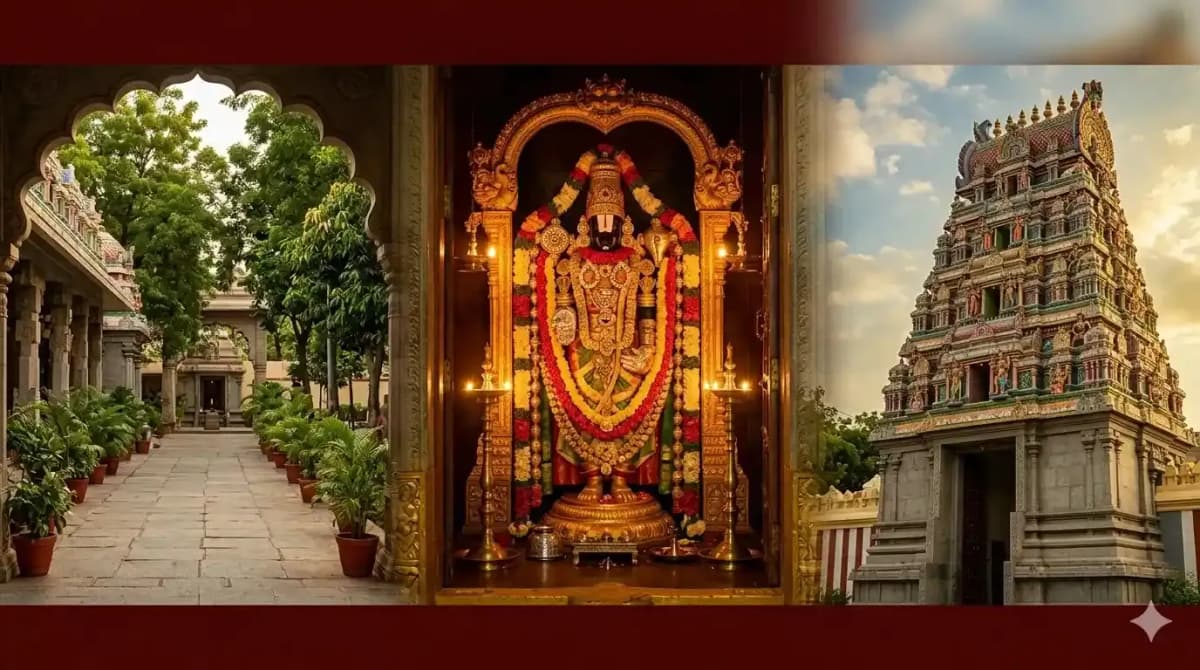
The R-2 visa lets the spouse and unmarried children under 21 of an R-1 Hindu priest live in the USA during the assignment. A 2026 guide to eligibility, the study-yes/work-no rules, duration and how to apply.
Quick answer: The R-2 visa is the dependent category for the legally married spouse and unmarried children under 21 of an R-1 religious worker (such as a Hindu priest). R-2 holders may study but cannot work, and their stay is tied to the R-1 holder’s — up to the same 5-year maximum. Children age out at 21 or on marriage.
Disclaimer: General informational guidance based on 2026 USCIS requirements — not legal advice. Consult a qualified U.S. immigration attorney experienced in religious-worker cases and verify current rules at uscis.gov.
Are you a Hindu priest (pujari, archaka or pandit) planning to work in a U.S. temple on an R-1 visa? One of the most important questions families ask is: can my spouse and children come with me? The answer is yes — through the R-2 visa, the official dependent category for immediate family members of R-1 religious workers.
Who qualifies for the R-2 visa?
- The legally married spouse of the R-1 visa holder.
- Unmarried children under 21 years of age of the R-1 visa holder.
These family members can either travel together with the priest or join later (follow-to-join).
Key features of the R-2 visa (2026 rules)
| Feature | Details |
|---|---|
| Duration | Same as the R-1 holder (5-year maximum total) |
| Work permission | Not allowed — R-2 holders cannot work |
| Study permission | Fully allowed (school, college, university) |
| Independent status | Completely dependent on the R-1 principal |
| Age limit for children | Must remain under 21 and unmarried |
| Annual cap | No numerical limit |
Important limitations you must know
- R-2 status automatically ends if the R-1 priest loses status, reaches the 5-year maximum, or departs the U.S.
- Children “age out” and lose R-2 eligibility on their 21st birthday or if they marry.
- R-2 dependents have no work authorisation — even unpaid or part-time work is not permitted.
- There is no direct green-card path based only on R-2 status.
How long can R-2 dependents stay?
R-2 status is tied directly to the R-1 holder’s authorised stay: an initial period of up to 30 months, an extension of a further 30 months, and a maximum total of 5 years. When the R-1 priest extends status or changes temples, the dependents must also update their R-2 status.
Can R-2 dependents study in the USA?
Yes. Spouses and children in R-2 status can attend public or private schools, enrol in full-time college or university programs, and take recreational or part-time courses. No separate student visa (F-1) is required.
How to apply for the R-2 visa
From India (or outside the U.S.): each dependent completes Form DS-160, pays the visa fee, schedules and attends the consular interview, and submits proof of relationship and the R-1 approval notice.
If already in the United States: file Form I-539 (Application to Extend/Change Nonimmigrant Status) for each family member.
Required documents for an R-2 application
- Valid passport for each dependent
- Marriage certificate (for a spouse) and birth certificates (for children)
- Copy of the R-1 approval notice (Form I-797)
- Proof of financial support and passport-size photographs
- DS-160 confirmation page or completed Form I-539
Practical tips for Hindu priest families
- Many U.S. temples provide family housing, which strengthens the financial-support evidence.
- Start the dependent application early, especially if children are approaching age 21.
- Keep all R-1 and R-2 approval notices safely — you will need them for extensions.
- Coordinate with the sponsoring temple and an experienced immigration attorney.
The R-2 visa allows Hindu priests serving in U.S. temples to keep their families together during the assignment, offering family unity and study opportunities — but with clear restrictions, especially the complete ban on employment for dependents.
Frequently Asked Questions
Who can get an R-2 dependent visa?
The legally married spouse and unmarried children under 21 of an R-1 religious worker (such as a Hindu priest) qualify for R-2 status. They may travel with the priest or follow to join later.
Can an R-2 spouse work in the USA?
No. R-2 status does not allow any form of employment — not even unpaid or part-time work. Only the R-1 principal is authorised to work, and only in the sponsored religious role.
Can R-2 dependents study?
Yes. Spouses and children in R-2 status can attend school, enrol full-time in college or university, and take part-time courses without needing a separate F-1 student visa.
How long can an R-2 dependent stay?
R-2 status mirrors the R-1 holder’s — up to 30 months initially, extendable to a 5-year maximum. It ends if the R-1 priest loses status, reaches the maximum, or departs the U.S.
What happens when an R-2 child turns 21?
The child “ages out,” loses R-2 status, and must change to another visa category or leave the United States. The same applies if the child marries before 21.
How do I apply for the R-2 visa?
From abroad, each dependent files DS-160, pays the fee and attends a consular interview with proof of relationship and the R-1 approval notice. Inside the U.S., file Form I-539 for each family member.
Does R-2 lead to a green card?
There is no direct green-card path based on R-2 status alone. Any permanent-residence route would depend on a separate, independent immigration process — discuss options with an attorney.
Is this legal advice?
No. This is general 2026 guidance, not legal advice. Consult a qualified U.S. immigration attorney experienced in religious-worker cases and confirm current rules at uscis.gov.
You might also like
R-1 Visa Documentation Guide for Hindu Priests (Religious Workers)

R-1 Visa Renewal / Extension Rules for Hindu Priests (2026 Update)
Full-Time Hindu Temple Priest — Mata Durga Temple, Kelmscott, Perth WA (2026 Hiring, AUD $74k–$80k)