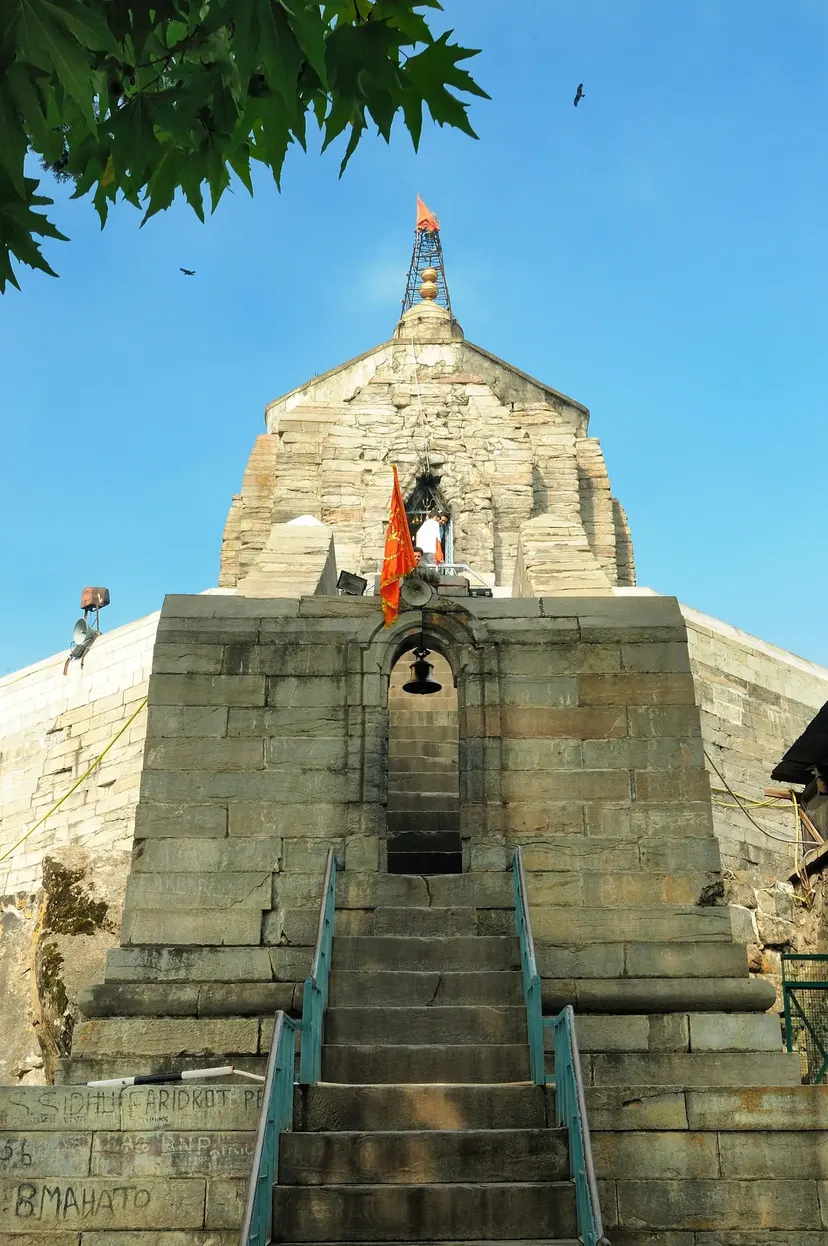
Kheer Bhawani Temple
Devi (Ragnya Devi, Kheer Bhawani) temple · Tulla Mulla (Tulmul), Ganderbal, Jammu & Kashmir, India
Photo: Shivansh.ganjoo · CC BY-SA 4.0 · via Wikimedia Commons
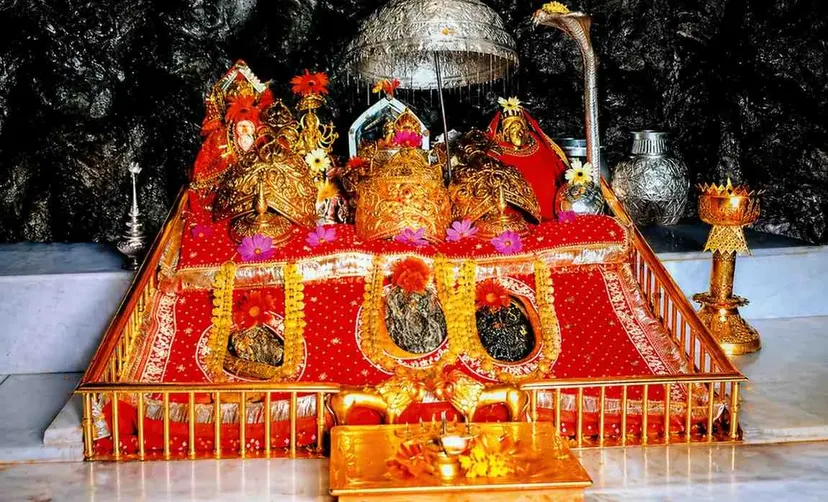
Kheer Bhawani Temple is a shrine of the goddess Ragnya Devi at Tulla Mulla (also written Tulmul or Tula Mula) village in Ganderbal district, Jammu and Kashmir. Jammu and Kashmir Tourism describes the goddess as a form of Durga. The temple gets its popular name from kheer, a rice-and-milk pudding that is the main offering made to her.
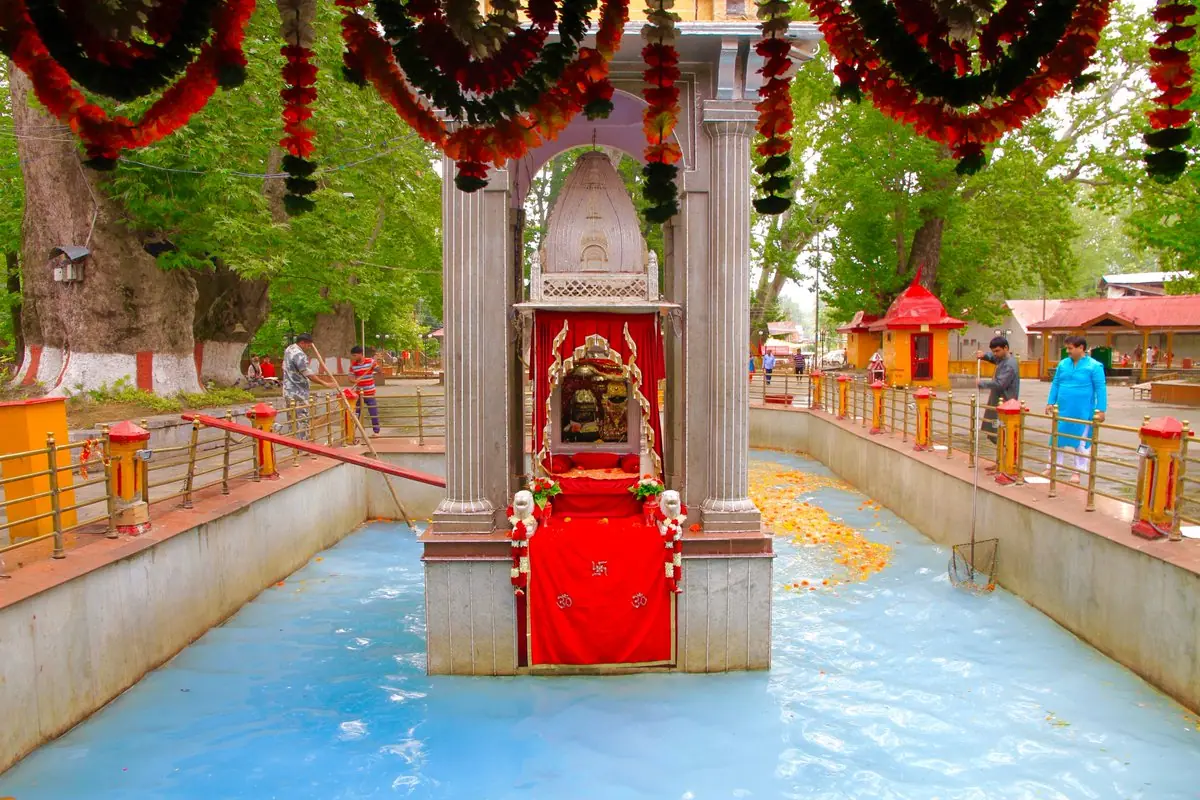
The small shrine stands in the middle of a natural spring, shaded by old chinar trees. It is especially important to Kashmiri Pandits: the state tourism corporation calls Kheer Bhawani the presiding deity of most Kashmiri Brahmans, and the annual mela on Jyeshtha Ashtami is one of the main gatherings of the community.
Faith & Tradition
Religious Significance of Kheer Bhawani Temple
For many Kashmiri Pandit families, Ragnya Devi is the kuladevi or protective goddess, and a visit to Tulla Mulla is a central act of devotion. Devotees offer milk and kheer at the spring, as noted by the Ganderbal district administration.
The spring itself is the focus of a well-known belief. Devotees believe that its water changes colour, and that a dark or black colour is a warning of coming misfortune for the Valley. Both the Ganderbal district administration and Jammu and Kashmir Tourism record this belief; it is a matter of faith, not a documented natural phenomenon.
Since the displacement of Kashmiri Pandits from the Valley, the Jyeshtha Ashtami mela has also become an occasion of return. Press reports from 2018 describe displaced families travelling from Delhi, Mumbai and other cities to attend, with transport arranged by the government.
Heritage
History of Kheer Bhawani Temple
According to tradition, the goddess was first worshipped by Ravana in Lanka. When she grew displeased with him, she is said to have asked Hanuman to carry her image to Tulla Mulla in Kashmir. The state tourism corporation also records a tradition that Rama worshipped the goddess during his exile, and that the shrine was later moved to its present spot after a vision. These are devotional accounts and are not historical record.
Kashmiri Pandit accounts state that the sacred spring at Tulla Mulla is referred to in Kalhana's Rajatarangini, the twelfth-century chronicle of Kashmir, and that Abul Fazl's Ain-i-Akbari mentions the area. HinduTone has not checked these references against the original texts.
The present temple is a twentieth-century building. According to Jammu and Kashmir Tourism, Maharaja Pratap Singh built it in 1912 and Maharaja Hari Singh later renovated it.
Architecture and sacred features
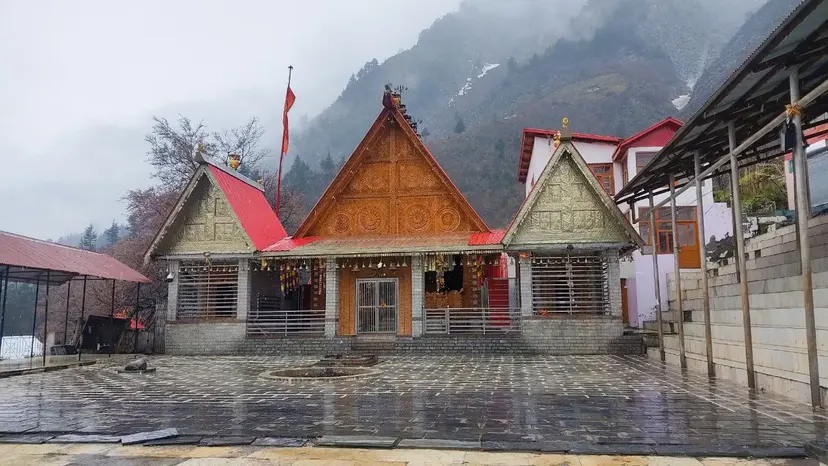
The temple is a small, plain shrine set within the spring tank. The Ganderbal district administration describes it as simply built of smooth grey stone. Some community accounts call it a marble temple, so descriptions of the material differ. The spring and temple sit within a larger compound shaded by chinar trees.
Plan Your Visit
Darshan and Visitor Information
The temple is a living place of worship, and the spring is treated as sacred. Visitors should dress modestly and follow the instructions of the temple staff. Very large crowds come for the Jyeshtha Ashtami mela, when the government often makes special transport and security arrangements. Confirm current arrangements with the Ganderbal district administration or Jammu and Kashmir Tourism before travelling.
Timings and arrangements change with seasons and festivals. Confirm current details with the temple administration before travelling. Last reviewed 5 October 2026.
Sacred Calendar
Festivals at Kheer Bhawani Temple
Kheer Bhawani Mela (Jyeshtha Ashtami)
This is the temple's main annual festival, held on the eighth day of the bright fortnight of Jyeshtha. Kashmiri Pandits gather from across India to offer kheer and to watch the colour of the sacred spring.
Location
How to Reach Kheer Bhawani Temple
Tulla Mulla is in Ganderbal district, north-east of Srinagar. The Ganderbal district administration gives the distance as about 35 km from Srinagar and about 47 km from Srinagar airport. Other published figures are somewhat shorter, so check your own route. The district administration notes that the area is well connected by road, with regular buses to the main towns of Jammu and Kashmir.
The nearest airport is Srinagar International Airport. Rail connections to the Kashmir Valley have changed in recent years, so check current train services and the nearest railhead before travelling.
Location: Tulla Mulla (Tulmul), Ganderbal, Jammu & Kashmir, India
Nearest airport: Srinagar International Airport
More in Hindu temples in Jammu & Kashmir · Devi (Ragnya Devi, Kheer Bhawani) temples
Questions
Kheer Bhawani Temple: Frequently Asked Questions
Which goddess is worshipped at Kheer Bhawani Temple?
The temple is dedicated to Ragnya Devi, also called Kheer Bhawani. Jammu and Kashmir Tourism describes her as a form of Durga.
Why is the temple called Kheer Bhawani?
The name comes from kheer, a pudding of rice and milk. It is the main offering made to the goddess at the spring.
Where is Kheer Bhawani Temple?
It is at Tulla Mulla village in Ganderbal district, north-east of Srinagar. The Ganderbal district administration puts it about 35 km from Srinagar.
What is the belief about the colour of the spring?
Devotees believe the spring water changes colour, and that a black colour warns of misfortune for the Valley. This is a traditional belief recorded by local authorities, not a scientific finding.
When is the Kheer Bhawani Mela held?
The mela falls on Jyeshtha Ashtami, the eighth lunar day of the bright fortnight of Jyeshtha, which usually comes in late May or June. The exact date changes each year with the Hindu calendar.
Who built the present temple?
According to Jammu and Kashmir Tourism, Maharaja Pratap Singh built the present temple in 1912, and Maharaja Hari Singh later renovated it.
Why is Kheer Bhawani important to Kashmiri Pandits?
Ragnya Devi is regarded as the presiding or protective goddess of most Kashmiri Pandit families. The annual mela is one of the community's most important gatherings.
Sources and attribution
- © OpenStreetMap contributors — location data © OpenStreetMap contributors (ODbL)
- Wikidata Q6401207 — structured data (CC0)
- Wikipedia — Kheer Bhawani — text facts from Wikipedia, licensed CC BY-SA 4.0
- Jammu & Kashmir Tourism Development Corporation — Kheer Bhawani Temple in Kashmir
- District Administration Ganderbal, Government of Jammu and Kashmir — Kheer Bhawani (tourist place)
- Deccan Chronicle (21 June 2018) — Thousands of Kashmiri Pandits converge at Kheer Bhawani
- iKashmir.net (Kashmiri Pandit heritage site) — Tul Mul: The Holy Shrine of Kheer Bhawani
Further reading: Kheer Bhawani Temple on Wikipedia (CC BY-SA 4.0).
Spotted an error? Write to info@hindutone.com — see our editorial policy.