
Title: Famous Temples to Visit During Pushya Masam for Spiritual Blessings
Pushya Masam, an auspicious period in the Hindu calendar, is marked by special poojas, rituals, and devotion.

Pushya Masam, an auspicious period in the Hindu calendar, is marked by special poojas, rituals, and devotion.
Pushya Masam, an auspicious period in the Hindu calendar, is marked by special poojas, rituals, and devotion. Devotees believe that prayers offered during this time bring prosperity, peace, and spiritual growth. Visiting temples during Pushya Masam offers a powerful spiritual experience due to the celestial alignment of Pushya Nakshatra.
In this article, we explore the most famous temples in India where special poojas and celebrations take place during Pushya Masam.
Top Temples to Visit During Pushya Masam
1. Tirumala Venkateswara Temple, Andhra Pradesh
- Dedicated to Lord Venkateswara, an incarnation of Vishnu.
- Special rituals, Lakshmi Pooja, and Vishnu Sahasranama chanting.
- Pilgrims believe that offering prayers here brings immense prosperity.
2. Mahalakshmi Temple, Mumbai, Maharashtra
- A renowned temple dedicated to Goddess Lakshmi.
- Special poojas, homams, and prayers conducted throughout Pushya Masam.
- Devotees seek financial stability and success by visiting this temple.
3. Shri Lakshmi Narayani Golden Temple, Vellore, Tamil Nadu
- A magnificent temple entirely plated in gold.
- Special Lakshmi poojas and yajnas performed during Pushya Masam.
- Believed to be an auspicious place to seek wealth and prosperity.
4. Padmavathi Temple, Tiruchanur, Andhra Pradesh
- Dedicated to Goddess Padmavathi, an incarnation of Lakshmi.
- Rituals, processions, and special poojas held during Pushya Masam.
- Devotees offer lotus flowers and gold coins to seek divine blessings.
5. Kolhapur Mahalakshmi Temple, Maharashtra
- One of the revered Shakti Peethas associated with Goddess Lakshmi.
- Thousands of devotees gather for special rituals and prayers.
- Visiting during Pushya Masam enhances spiritual and financial well-being.
6. Sri Ashtalakshmi Temple, Chennai, Tamil Nadu
- Dedicated to the eight forms of Goddess Lakshmi.
- Special poojas and yagnas conducted for holistic blessings.
- Devotees pray for wealth, health, and overall prosperity.
Spiritual Significance of Visiting Temples During Pushya Masam
- Enhanced divine energy due to Pushya Nakshatra alignment.
- The chanting of mantras and collective devotion amplify spiritual connection.
- Seeking Goddess Lakshmi’s blessings brings prosperity and fulfillment.
Conclusion
Pushya Masam is a sacred time for devotion and spiritual renewal. Visiting these famous temples during this auspicious period allows devotees to experience divine blessings and attract wealth, success, and inner peace.
For spiritual resources, divine idols, and Pooja kits, visit Hindutone.com and prepare for a fulfilling Pushya Masam.
Why is Pushya Nakshatra Considered the Most Auspicious Asterism for Worship?
Pushya Nakshatra, the eighth lunar mansion in the Vedic system, is ruled by Brihaspati (Jupiter), the preceptor of the gods and the planet most closely associated with divine wisdom, dharma, and material abundance. Classical texts such as the Brihat Samhita of Varahamihira explicitly identify Pushya as 'nakshatranaam pushyah' — the nourisher among all nakshatras — making it uniquely potent for rituals intended to attract prosperity and spiritual merit.
The Rigveda and later Grihyasutra literature describe Pushya as a constellation whose presiding deity is Brihaspati himself, and performing homas or dana (charitable giving) under its influence is said to multiply the spiritual fruit manyfold. During Pushya Masam, the moon transits through or closely aligns with this nakshatra on several nights, creating an extended window of auspiciousness that devotees use for extended archana, abhisheka, and scripture recitation.
What Special Rituals and Poojas Are Performed Exclusively During Pushya Masam?
At the Tirumala Venkateswara Temple in Tirupati, Andhra Pradesh, the month of Pushya sees the observance of Pushya Shuddhi Ekadashi and Vaikunta Ekadashi (which typically falls in this period), drawing millions of pilgrims for the symbolic opening of the Vaikunta Dwaram — the 'gate of heaven.' The temple priests perform a specialised Sahasra Kalasha Abhishekam, anointing the deity with sacred waters drawn from 1,008 pots, an act rooted in Pancharatra Agama tradition.
At the Kolhapur Mahalakshmi Temple in Maharashtra, a singular natural phenomenon called Kiran Utsav (Kiranotsava) occurs during specific days in Pushya Masam when rays of the setting sun fall directly on the face of the deity through a carefully positioned western window — a feat of ancient temple architecture aligned to the solar calendar. Elsewhere, temples conducting Sri Sukta Parayana (continuous recitation of the Sri Sukta hymns from the Rigveda Khilani) and Lakshmi Ashtottara Shatanama Archana consider these practices especially fruitful during this month.
How Does the Bhagavata Purana and Vishnu Purana Frame the Sanctity of Pushya Masam?
The Vishnu Purana (Amsha III) contains passages that enumerate auspicious months for Vishnu worship, placing particular emphasis on months in which Brihaspati's influence is strong, directly echoing the theological status of Pushya Nakshatra. Devotees who fast on Pushya Purnima and observe a night-long jagarana (vigil) with Vishnu Sahasranama recitation are described in these texts as attaining the merit equivalent to completing an Ashvamedha yajna.
The Bhagavata Purana (Skandha XII) similarly prescribes the month of Pushya as ideal for Srimad Bhagavata Saptaha — a seven-day continuous reading of the Bhagavata — noting that the listener and the reciter both accumulate extraordinary punya during this window. Many temples in Tamil Nadu and Andhra Pradesh organize such Saptaha programmes specifically between the Pushya Shukla Dvadashi and Purnima tithis to maximise the combined benefit of nakshatra, month, and lunar phase.
Which Lesser-Known Temples Offer Remarkable Pushya Masam Experiences?
The Sri Veera Venkatesa Swamy Temple at Namakkal in Tamil Nadu, though less publicised than the Tirumala shrine, conducts a month-long Pushya Deepotsavam in which thousands of lamps are lit around the outer prakaras every evening. The tradition traces its origin to a local sthala purana that credits a 13th-century devotee with receiving a vision of Lord Vishnu during Pushya Purnima, after which the temple began its unbroken lamp-lighting custom.
The Srirangam Sri Ranganathaswamy Temple in Tiruchirappalli, Tamil Nadu — one of the 108 Divya Desams — marks Pushya Masam with the Adhyayanotsavam, a 21-day festival celebrating the Nalayira Divya Prabandham (4,000 Tamil Prabandha verses of the Alvars). Devotees consider listening to the recitation of Thiruppavai by Andal and Thiruvaymozhi by Nammalvar during this month as spiritually equivalent to direct darshan of Lord Ranganatha.
What Should Devotees Observe in Daily Practice During Pushya Masam?
Classical Dharmashastra texts recommend that householders (grihasthas) observe Pushya Masam with early morning snana (bath before sunrise), followed by Surya Namaskar and the chanting of Aditya Hridayam. Offering sesame seeds (tila) and jaggery to Brihaspati through the Guru Graha Shanti homa is also considered especially effective during this month, as Jupiter's lordship over the nakshatra heightens the planet's receptivity to propitiation.
Dana, or charitable giving, is accorded great importance during Pushya Masam. The Dharmasindhu, an 18th-century digest of Hindu observances, specifies anna-dana (feeding the poor), go-dana (gifting or supporting cows), and vidya-dana (sponsoring the education of students in Vedic or traditional learning) as the three forms of giving most meritorious in this month. Devotees visiting temples are encouraged to participate in annadanam programmes that most major temples organise specifically during this period.
How Do Pushya Masam Observances Connect Prosperity with Inner Spiritual Growth?
While the external blessings of Lakshmi — wealth, health, and family harmony — are widely sought during Pushya Masam, the deeper Vedantic reading of this period emphasises Lakshmi as Shakti or the dynamic energy of consciousness itself. The Lakshmi Tantra, an Agamic text of the Pancharatra tradition, describes the eight forms of Lakshmi (Ashta Lakshmi) not merely as providers of material fortune but as eight dimensions of spiritual wholeness: courage, learning, victory, nourishment, and so on.
Temples dedicated to Ashta Lakshmi, such as the Sri Ashtalakshmi Temple at Besant Nagar, Chennai, structure their Pushya Masam programmes to take devotees systematically through the worship of each form across the month, encouraging reflection on the corresponding inner quality. This liturgical design transforms a month of outer ritual into a structured practice of inner inquiry, aligning the traditional Hindu understanding that artha (prosperity) and moksha (liberation) are not opposed but are successive stations on the same dharmic path.
Frequently Asked Questions
Where is Title located?
Pushya Masam, an auspicious period in the Hindu calendar, is marked by special poojas, rituals, and devotion. Devotees believe that prayers offered during this time bring prosperity, peace, and spiritual growth.
Who is the presiding deity of Title?
The temple's presiding deity and its significance are described in the guide above.
What are the timings and how do I reach Title?
Temples typically open early morning and evening; confirm current darshan timings before visiting. The nearest airport, railway station and road routes are covered in the guide above.
What is the best time to visit Title?
Major festival days and the cooler months are popular, though weekday mornings offer a calmer darshan. Plan around the temple's key festivals for the most vibrant experience.
You might also like
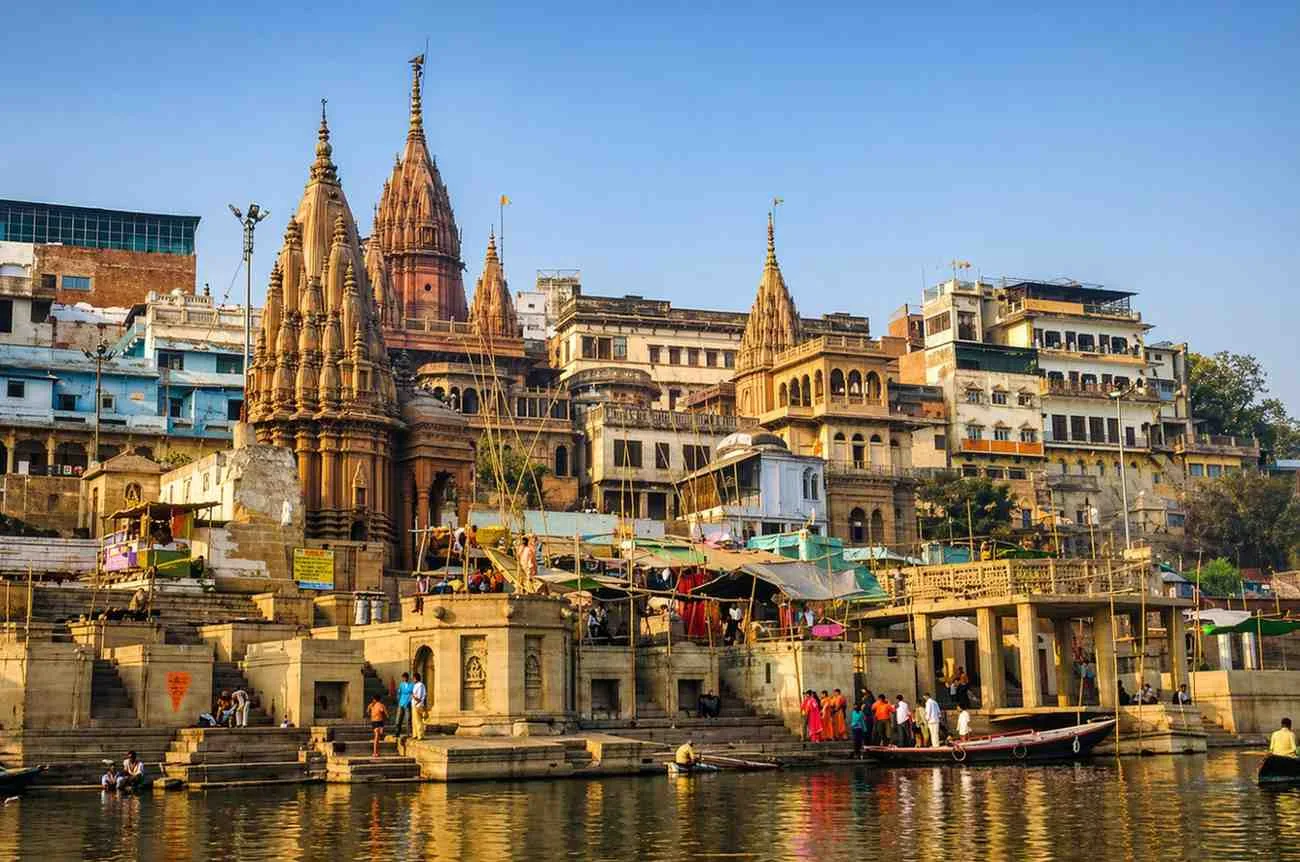
Top 20 Lakshmi Devi Temples to Visit in India: Ultimate Pilgrimage Guide for Wealth, Prosperity & Divine Blessings
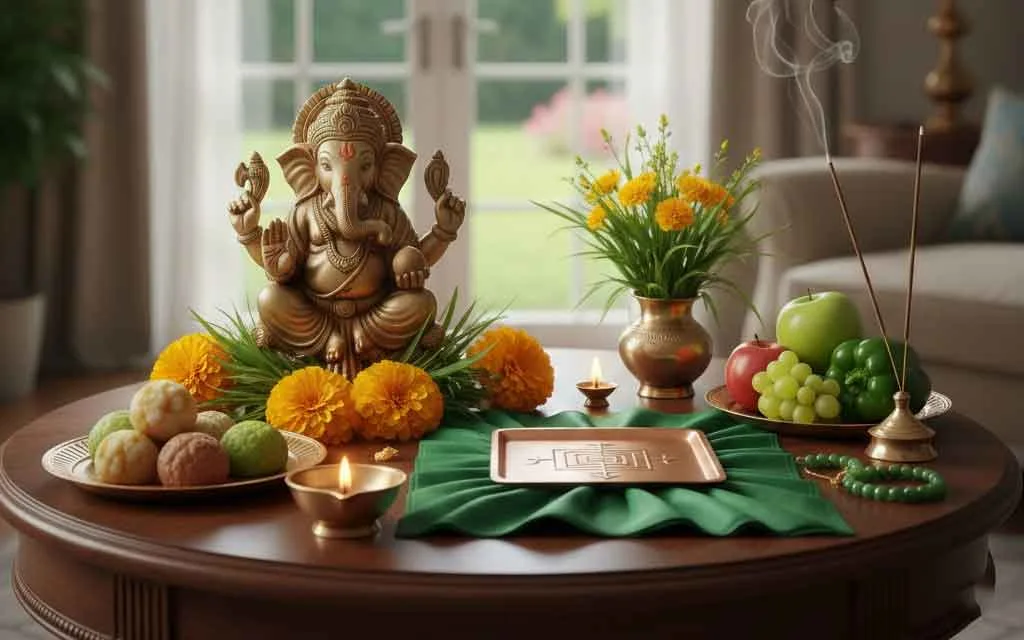
Wednesday Rituals in Hinduism: Must-Perform Budhvar Puja, Vrats & Temples for Hindus in USA, UK, Canada, GCC, India & Australia

Pushya Masam 2026: The Sacred Month of Divine Nourishment and Spiritual Abundance
