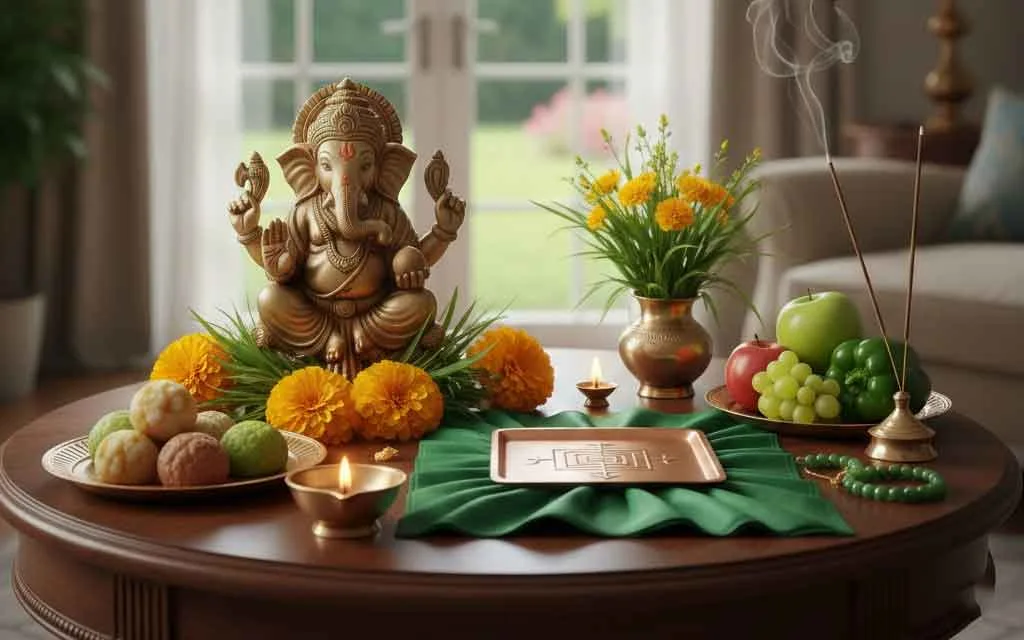
Thursday Rituals in Hinduism — Guruvara Vishnu Puja, Guru Worship & Complete NRI Guide for 2026
Thursday Hindu rituals — Guruvara Vishnu puja, Brihaspati worship, Guru veneration, Sai Baba traditions, Vishnu Sahasranama, fasting. NRI home guide for Thursday practice.
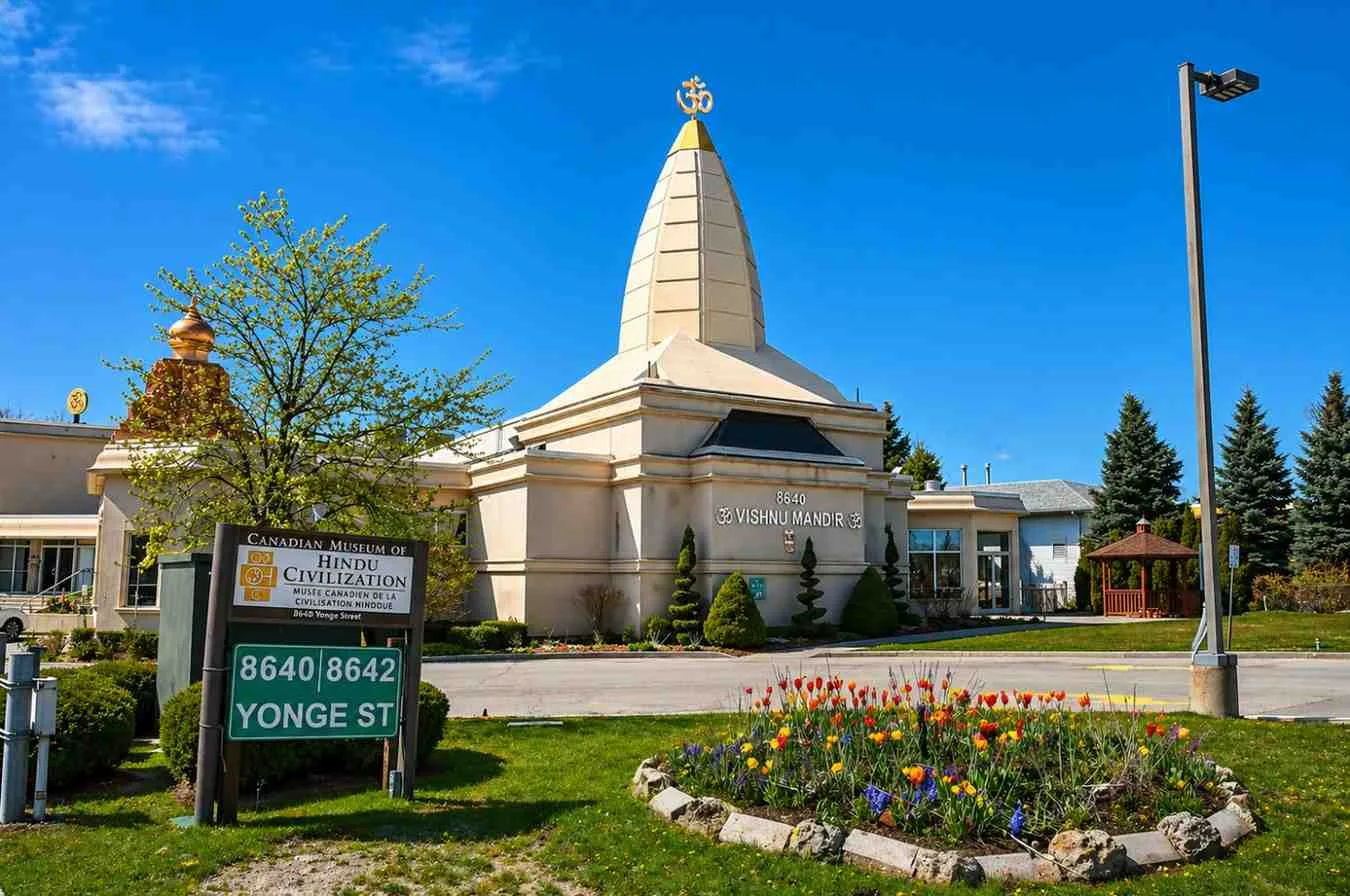
Thursday Hindu rituals — Guruvara Vishnu puja, Brihaspati worship, Guru veneration, Sai Baba traditions, Vishnu Sahasranama, fasting. NRI home guide for Thursday practice.
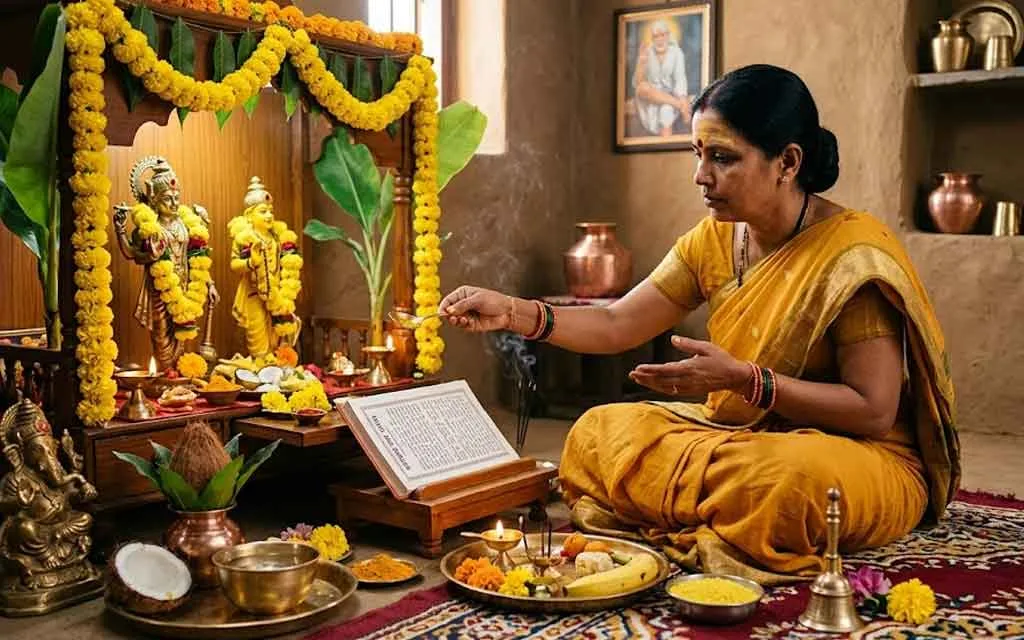
Quick Answer: Thursday (Guruvar / Brihaspativar) is dedicated to Lord Vishnu, Brihaspati (Jupiter) — the celestial guru of the devas, and to the Guru tradition more broadly. The name Guruvar literally means "Guru's day." Thursday observance is anchored by Vishnu puja with yellow flowers and yellow offerings (besan ladoo, yellow rice), Brihaspati Stotra recitation, gifting of books or knowledge-items to deserving recipients, and dedicated chanting of Vishnu Sahasranama. Thursdays are also famously associated with Sai Baba devotion (Shirdi Sai Baba — Sai Baba's Thursday darshan is among the most popular weekly observances in modern Indian devotion). For NRI Hindus, Thursday is the day to honour teachers — academic, spiritual, parental — and to invest in wisdom-acquisition (study, scripture reading, mentorship).
1. Why Thursday Is Guruvara
Thursday is governed in Hindu astrology by Brihaspati (Jupiter) — the celestial guru of the devas. Jupiter symbolises:
- Wisdom and higher learning
- Dharma and righteous teaching
- Spiritual instruction and guru-shishya bond
- Children's welfare (Jupiter rules the 5th house of children in many readings)
- Prosperity through knowledge
The Thursday-Jupiter connection makes the day naturally suited for honouring teachers, gurus, parents (as life's first teachers), and the pursuit of wisdom.
2. Vishnu and Brihaspati — Two Presiding Deities
Two divine principles share Thursday:
Lord Vishnu — Preserver of Dharma
Thursday is among the most Vishnu-dedicated weekly days. The associations:
- Vishnu's role as protector of dharma aligns with Jupiter's dharmic governance
- Vishnu-Brihaspati relationship — in Vedic narratives, Brihaspati is Vishnu's guru in cosmic-pedagogical roles
- Yellow colour — both Vishnu (his pitambara — yellow garment) and Brihaspati (Jupiter's golden hue) connect Thursday to yellow
Brihaspati — The Celestial Guru
Brihaspati is one of the Navagrahas (nine planets). His specific qualities:
- Guides the devas in cosmic governance
- Teaches the Vedas, dharmashastra, statecraft
- His blessing is sought for:
- Children's education and intelligence
- Marriage (Jupiter is the karaka for husband in women's charts)
- Career advancement through knowledge
- Health and longevity
3. Sai Baba and the Thursday Tradition
Shirdi Sai Baba (c. 1838-1918) — the Maharashtrian saint whose teachings emphasised unity of all religions ("Sabka Malik Ek") — is among modern Hinduism's most-worshipped figures. Thursday is universally Sai Baba's day across Indian communities.
Sai Baba's Thursday tradition includes:
- Shirdi Sai Baba darshan at Shirdi, Maharashtra (millions visit on Thursdays)
- Sai Baba pujas at home altars — yellow-themed offerings
- Sai Satcharita parayanam (reading of Sai Baba's biographical text)
- Annadaan (food distribution) — Sai Baba's signature philanthropic practice
- Light wick-lamps with til oil — the Shirdi tradition
For many NRI families, Sai Baba is the primary Thursday devotional focus — distinct from but harmonising with the broader Vishnu-Brihaspati Thursday tradition.
4. Guruvara Puja Vidhi
Materials needed
- Vishnu murti / image (or printed image)
- Yellow flowers (marigold, yellow rose)
- Yellow offerings (besan ladoo, peda, yellow rice, banana)
- Turmeric (haldi)
- Sandalwood paste (chandan)
- Akshat (rice)
- Tulsi leaves (especially auspicious for Vishnu)
- Yellow cloth for puja base
- Ghee lamp
- Incense
- Vishnu Sahasranama text
Step-by-step procedure
- Wake before sunrise; bathe; wear yellow clothes (or carry yellow garment/scarf)
- Set up puja space facing east or north
- Light diya and incense
- Begin with three rounds of Om Namo Bhagavate Vasudevaya
- Apply chandan tilak in the form of a U-shaped Vaishnava tilak (or simple sandalwood mark)
- Wash the Vishnu murti with water-milk mix
- Offer yellow flowers, akshat, haldi
- Offer tulsi leaves — most beloved by Vishnu
- Recite Vishnu Sahasranama — full recitation takes 30-35 minutes; alternative is the opening 30 verses + closing verses
- 108 chants of Om Namo Bhagavate Vasudevaya or Om Namo Narayanaya
- Read 1-2 chapters of Bhagavad Gita (Thursday is the ideal day for Gita parayanam)
- Aarti — Om Jai Jagdish Hare
- Offer naivedya — yellow sweet, fruit
- Brihaspati pranam — bow specifically to Brihaspati if performing Navagraha worship
- Conclude with dakshina — gift to a teacher or knowledge-related charity (books, scholarship donation, school supplies)
Total time: 45-60 minutes for full observance; 15-20 minutes for compressed version.
5. The Brihaspativar Vrat
Brihaspativar Vrat (Thursday Fast) is a popular weekly observance.
Who performs it
- Unmarried women seeking a knowledgeable, dharmic husband (Jupiter is the karaka for husband)
- Married women for husband's longevity and welfare
- Students before major exams or applications
- Parents for children's education and intelligence
- Anyone seeking Brihaspati's blessings for wisdom, advancement, or specific knowledge-related goals
The vrat protocol
- Wake before sunrise on Thursday
- Bathe; wear yellow clothes
- Perform Brihaspati and Vishnu puja
- Fast — typically eat only yellow foods (or just one meal of yellow foods after sunset). Yellow foods include: besan, ladoo, peda, banana, mango, yellow dal, turmeric rice
- Avoid — non-vegetarian, onion, garlic, alcohol
- Read the Brihaspativar Vrat Katha
- Gift something yellow (turmeric, mango, yellow cloth) to a Brahmin or teacher
The vrat is typically performed continuously for 16 Thursdays for major intentions, similar to the Solah Somvar pattern.
6. Mantras for Thursday Practice
Vishnu mantras
Om Namo Bhagavate Vasudevaya — the 12-syllable mantra
Om Namo Narayanaya — the eight-syllable mantra
Hari Om Tat Sat
Brihaspati Beeja Mantra
Om Brim Brihaspataye Namah
108 times on Thursday morning.
Brihaspati Stotra opening
Devaanaam cha Rishinaam cha Gurum Kanchana Sannibham
Buddhi Bhutam Trilokesham Tam Namami Brihaspatim
(I bow to Brihaspati, the guru of devas and rishis, golden-hued, the intellect of the three worlds.)
Sai Baba mantra
Om Sri Sai Nathaya Namah
Recited daily by Sai devotees; Thursday emphasis.
Vishnu Sahasranama
The 1,000 names of Vishnu — the most powerful Vishnu recitation. Listen to MS Subbulakshmi's recording or recite from text. The Thursday Sahasranama is among Hinduism's most popular weekly observances.
7. NRI Apartment-Friendly Thursday Practice
10-minute version
- Light an LED diya at home altar
- Yellow flower (or printed image) at Vishnu murti/picture
- Chant Om Namo Bhagavate Vasudevaya 108 times
- Read 1 verse of Bhagavad Gita
- Eat a yellow item during the day (banana, ladoo)
30-minute version
- Bath; yellow clothes
- Full Vishnu puja (compressed)
- Vishnu Sahasranama listening (35 min during morning routine or commute)
- Yellow food at one meal during day
- Evening: light a diya again; reflect on a teacher who shaped you
Family with kids version
- Children apply turmeric on hands (sacred-marking)
- Tell a Vishnu story (Dasavataram series — see our 10-avatar pillar pages)
- Recite Om Namo Bhagavate Vasudevaya together
- Cook a yellow sweet together (besan ladoo is easy)
- Discuss one teacher who has been important in the child's life
Sourcing yellow offerings in NRI cities
- Yellow flowers (marigold) available at Indian groceries and even mainstream supermarkets
- Tulsi available at Indian groceries (fresh or potted plant)
- Yellow sweets — make at home with besan + ghee + jaggery
8. FAQs
Q: Can I worship both Vishnu and Sai Baba on Thursday?
A: Absolutely. Many families do exactly this. Sai Baba is understood as a Sadguru manifestation; worshipping him does not conflict with Vishnu worship.
Q: Is Thursday only for those with a specific guru?
A: No. The Thursday tradition honours the guru-principle universally — your school teachers, your parents, your professional mentors, your spiritual guides. Anyone who has shaped you with knowledge is honoured.
Q: Can students perform Brihaspativar Vrat before exams?
A: Yes — this is one of the most common applications. Begin 16 Thursdays before a major exam if possible; the vrat is said to particularly support academic success.
Q: Why specifically yellow?
A: Vishnu's pitambara (yellow garment), Brihaspati's golden colour (Jupiter is sometimes called the "yellow planet"), and Hindu colour-energy correspondence (yellow with knowledge and dharma) all converge on Thursday's yellow theme.
Q: I don't have a guru — should I still observe Thursday?
A: Yes. Thursday observance can include honouring the guru-principle generally, plus your parents as life's first teachers, plus the Hindu tradition as your collective guru.
Q: Is Thursday associated with specific Hindu festivals?
A: Guru Purnima (typically July) is the supreme guru-veneration day. In 2026, Guru Purnima falls on Monday, July 13 — a unique year where Monday-Shiva and Guru-tradition merge.
Q: What if I'm not Hindu but my guru/mentor is?
A: Many non-Hindu professionals honour their Indian teachers/mentors with small Thursday gestures — a text message, a kind word, a small gift. The cross-cultural respect is meaningful.
Final Words
Thursday is the day to invest in wisdom. For NRI Hindus, it is the natural day to:
- Open a difficult book you've been postponing
- Call a teacher who shaped you
- Reflect on what you're still learning
- Make a donation to an educational cause
- Spend extra time with your own children's homework
The Vishnu-Brihaspati-Sai Baba complex on Thursday weaves together preservation (Vishnu), wisdom (Brihaspati), and the universal teacher (Sai Baba). For working NRI Hindus juggling careers, families, and immigration realities — Thursday Vishnu Sahasranama listening during your morning commute is among the most accessible, sustainable Hindu practices available.
Over months and years, Thursday observance generates measurable improvements in: discernment under pressure, learning capacity, capacity to teach others well, family knowledge-transmission, and overall life-direction clarity.
Om Namo Bhagavate Vasudevaya. Hari Om Tat Sat.
Jai Vishnu! Jai Brihaspati! Om Sri Sai Nathaya Namah! Guruvara Anugraha!
HinduTone Editorial Team · Tags: Thursday Rituals Hinduism, Guruvara Vishnu Puja, Brihaspativar Vrat, Sai Baba Thursdays, Vishnu Sahasranama, Brihaspati Stotra, NRI Weekday Practice
Frequently Asked Questions
When is Thursday Rituals in Hinduism 2026?
Thursday Rituals in Hinduism is observed on its traditional tithi in the Hindu lunar calendar; refer to the year's panchang for the exact date in your region.
What is the significance of Thursday Rituals in Hinduism?
Thursday (Guruvar / Brihaspativar) is dedicated to Lord Vishnu , Brihaspati (Jupiter) — the celestial guru of the devas, and to the Guru tradition more broadly. The name Guruvar literally means "Guru's day." Thursday observance is anchored by Vishnu puja with yellow flowers and yellow offerings (besan ladoo, yellow rice), Brihaspati Stotra recitation, giftin
How is Thursday Rituals in Hinduism celebrated?
Devotees observe it with puja, fasting or special offerings, visiting temples, chanting mantras, and gathering with family. Customs vary by region and tradition.
What should devotees do on Thursday Rituals in Hinduism?
Worship Lord Vishnu, perform the day's puja and offerings, observe the fast where prescribed, and chant the associated mantras with devotion.
You might also like
Friday Rituals in Hinduism — Shukravar Lakshmi Puja, Devi Worship & Complete NRI Guide for 2026
Monday Rituals in Hinduism — Somavar Shiva Puja, Vrat & Complete NRI Guide for 2026
Thursday Rituals in Hinduism: Complete Guide to Guruvar Pooja, Temples & Sacred Foods