
Tirumala Tirupati Special Darshan for NRIs: Complete 2025 Guide (Hindutone Exclusive)
Last Updated: November 2025Source: Hindutone Spiritual Travel Desk Non-Resident Indians (NRIs) visiting Tirumala often struggle with crowd management, long…
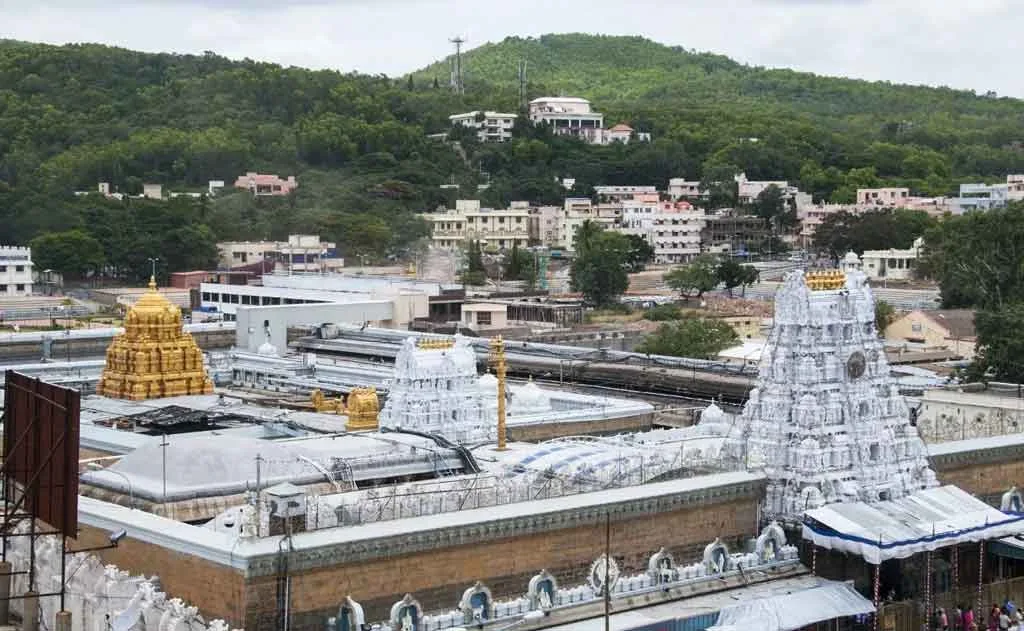
Last Updated: November 2025
Source: Hindutone Spiritual Travel Desk
Non-Resident Indians (NRIs) visiting Tirumala often struggle with crowd management, long queues, and booking confusion. To make the pilgrimage smoother, the Tirumala Tirupati Devasthanams (TTD) offers multiple priority darshan options that are easy to book using a foreign passport.
Many visitors search for “Thirulama Thirupathi Darshanam”, which is simply a misspelling of Tirumala Tirupati Darshan. There is no separate NRI-only package, but NRIs get streamlined access through Special Entry Darshan (SED), VIP Break Darshan, and priority booking for sevas.
This guide covers everything you need—eligibility, booking, timings, costs, and expert tips.
NRI Eligibility for Tirumala Darshan
- Must hold a valid foreign passport (USA, UK, Canada, Australia, Gulf countries, etc.).
- NRIs do not have a separate quota, but they enjoy:
- Faster online bookings
- Less documentation
- Reduced queue times
- Senior citizens (65+) and physically challenged devotees get additional priority, even if NRI.
Darshan Options Available for NRIs
1. Special Entry Darshan (SED) — ₹300
- Wait Time: ~2.5 to 3 hours
- What You Get: Quick darshan with closer viewing
- Slots: Multiple (6 AM, 9 AM, 12 PM, 3 PM etc.)
- Inclusions: Entry ticket; prasadam optional
- Best For: NRIs on tight schedules
2. VIP Break Darshan (SRIVANI Trust Donation) — ₹10,000
- What You Get: Very fast darshan, often under 45–60 minutes
- Booking: Donate ₹10,000 via SRIVANI Trust online
- Benefits:
- Priority movement
- Early morning darshan
- Donation certificate
- Ideal For:
NRIs who want guaranteed quick darshan without long queues
3. Sevas Available for NRIs
Along with darshan, NRIs can book popular rituals:
Note: Most sevas can be combined with SED.
Step-By-Step Booking Guide for NRIs
1. Create a TTD Account
- Go to ttdevasthanams.ap.gov.in
- Register using:
- Foreign passport number
- Passport-sized photo
- Email & mobile number
(Aadhaar is NOT required for NRIs.)
2. Book Your Darshan
- Booking opens 90 days in advance at 9:00 AM IST
- For USA NRIs → Book on the previous day at:
- 8:30 PM EST
- 5:30 PM PST
- Book tickets for family members individually or in groups
- For VIP Break:
- Donate on SRIVANI portal
- Confirmation arrives within 24 hours
3. Required Documents at Tirumala
- Printed e-ticket
- Original passport
- Traditional dress code:
- Men: Dhoti/pants & shirt
- Women: Saree/salwar/kurtis
4. Refund Rules
- SED: No refund
- VIP Break (donation): Non-refundable but transferable
Best Time for NRIs to Visit Tirumala (2025)
Recommended Seasons
- September–November — Post monsoon, pleasant
- December–February — Cool winter climate (15–25°C)
Peak Festivals (Book VERY Early)
- Brahmotsavam: Sept 16–24, 2025
- Vaikunta Ekadashi & Dwara Darshanam: Dec 30, 2025 – Jan 8, 2026
- Special Ekadashis (high demand):
- May 16
- June 14
- July 13
Stay & Travel Tips for NRIs
Accommodation
- TTD guesthouses: ₹500–₹2,000/night
- Book 30–60 days ahead
- Popular options: Madhavam, Kalayana Mandapam, Srinivasam
Transport
- TTD buses from airport/railway: ₹50–₹100
- Ola/Uber available in Tirupati
- Tirumala buses run every 5–10 minutes
Travel Tips
- Carry cash (INR) for laddus & counters
- Use e-Visa for quick India entry
- Keep phone charged—QR codes needed everywhere
Virtual Options for NRIs
If you cannot travel:
- Watch live darshan on TTD app
- Donate online
- Receive prasadam by post via authorized channels
TTD Support Contacts
- 24/7 Helpline: +91-877-2277777
- Email: contact@tirumala.org
- Official Website: ttdevasthanams.ap.gov.in
- Hindutone NRI Guides: hindutone.com/tirumala
Why Tirumala Holds Singular Importance in Vaishnava Tradition
Tirumala, rising to about 853 metres above sea level across seven hills in the Eastern Ghats, is traditionally identified with Venkatadri or Seshachalam — the mountain regarded in Vaishnava theology as the earthly abode of Lord Venkateswara, a form of Vishnu also celebrated as Srinivasa, Balaji, and Govinda. The Brahmanda Purana and the Varaha Purana both contain dedicated sections — collectively known as the Venkatachala Mahatmyam — that describe how this kshetra surpasses all other sacred spaces during the Kali Yuga, precisely because the Lord is believed to be present here in a self-manifest (svayambhu) form.
The Srivari Vimana, the golden tower above the sanctum sanctorum, is believed in the Agamic tradition to embody Ananda Nilaya — the abode of eternal bliss. The presiding deity's iconic posture, standing erect with the conch (Shankha) and discus (Chakra), corresponds to the Vishvaksena Samhita description of the Lord as the ultimate refuge for all souls crossing the ocean of worldly existence (samsara). For NRI devotees who may have grown up hearing of Tirupati but visit for the first time as adults, understanding this theological depth transforms the darshan from a heritage visit into a profound act of surrender (prapatti).
What to Expect on the Day of Your Darshan: A Practical Walkthrough
Devotees arriving for Special Entry Darshan (SED) should report to the Vaikuntam Queue Complex — Q1 or Q2 — at least 45 minutes before the allotted slot time printed on their ticket. The TTD has deployed a queue management system with numbered token lanes; NRIs presenting foreign passports at the verification counter are directed to dedicated SED lanes that are physically separate from the free Sarva Darshan queue, which can stretch well beyond 20 hours during festival periods.
After document verification and the ritual tonsuring area (for those who have taken a vow of hair-offering, called Mokku), devotees pass through the Mahadwaram — the main gopuram tower — and enter the Pradakshina path, the circumambulatory corridor. The inner sanctum, called Tirumamani Mandapam, allows a brief but intensely focused view of the deity. Volunteers (sevakalas) manage movement so that each individual gets approximately 30 seconds of clear sight of the Lord. Many devotees describe this singular moment as the highlight of their year, and the TTD specifically instructs that mobile phones must be deposited at the free cloak-room counters near Mahadwaram before entry.
For SRIVANI Trust donors availing VIP Break Darshan, entry is through a separate entrance near Ranganayakula Mandapam. The experience is quieter and paced slightly more slowly, making it easier for elderly NRI visitors or those travelling with young children to manage without physical strain.
Key Sevas and Their Spiritual Significance for NRI Pilgrims
Among the sevas available for advance booking, Suprabhatam Seva (the early-morning awakening service, typically beginning around 3:00 AM) holds extraordinary devotional importance. It is during this seva that the sacred verses of Sri Venkateswara Suprabhatam — composed by Prativadi Bhayankaram Annangaracharya in the 15th century — are recited before the deity as the sanctum is opened for the first time each day. Attending this seva grants a serene, near-private darshan that most devotees consider the most spiritually charged moment of the entire pilgrimage.
Archana (nama-nakshatram) sevas allow devotees to offer worship by reciting their name and birth star (nakshatra) before the priest, who then formally presents the offering to the Lord. NRIs who are uncertain of their nakshatra may look it up on standard Vedic almanac (Panchangam) websites using their date and place of birth. The Kalyanotsavam seva re-enacts the celestial wedding of Srinivasa and Padmavati, described at length in the Bhavishyottara Purana, and is among the most auspicious sevas a family can witness together. All seva bookings, like darshan slots, are available on the official TTD portal and require the same foreign passport credentials used for the darshan ticket.
Dos and Don'ts: Dress Code, Conduct, and Sacred Protocols
The TTD strictly enforces a traditional dress code inside Tirumala. Male devotees must wear a dhoti (veshti) or mundu — trousers and shorts are not permitted inside the main temple complex. Female devotees are required to wear a saree, half-saree (langa voni/pattu pavadai), or salwar kameez with dupatta. Western clothing, sleeveless tops, and short skirts are not allowed, and TTD counters near the queue complex hire out traditional attire at nominal cost for those who arrive unprepared.
The Agama Shastra governing the Tirumala temple belongs to the Pancharatra tradition, which mandates that only Hindus may enter the sanctum. Visitors are requested to sign a declaration of faith at the entry point. Non-Hindu spouses or companions of NRI devotees are requested to remain at the outer prakarams. Leather items — belts, wallets, and shoes — must be deposited outside; this rule applies uniformly and reflects the purity (shuddhi) protocols prescribed in the Vishnu Samhitas. Photography is strictly prohibited inside the temple; the TTD enforces this rule rigorously, and violation can result in immediate removal.
Accommodation and Logistics at Tirumala: Advance Planning for NRIs
The TTD operates over a dozen guest houses on Tirumala Hill, ranging from basic cottages to premium suites at Sri Vari Padmavati Guest House and Srinivasam. NRIs can book these accommodations through the same TTD portal using their foreign passport credentials, and rooms are priced modestly — typically between ₹500 and ₹3,500 per night — as the institution subsidises accommodation as part of its dharmic mandate. Demand is extremely high; it is advisable to book accommodation at least 60–90 days in advance, especially for weekends, public holidays, and major festival months like Brahmotsavam (usually held in September–October).
For NRIs flying into India, the nearest major airport is Tirupati Airport (IATA: TIR), which has direct flights from Hyderabad, Chennai, Bengaluru, and Mumbai. From Tirupati city, the Alipiri footpath (about 11 km, with roughly 3,550 steps) offers a traditional trekking route that many devotees undertake as a form of physical surrender (sharanaagati). Alternatively, the TTD operates a frequent bus service (ghat road buses) from Alipiri and Srinivasam Complex directly to Tirumala. Hiring a private taxi to Tirumala is permitted only through TTD-empanelled operators and must be arranged in advance.
Common Mistakes NRI Devotees Make and How to Avoid Them
One of the most frequent errors is booking a darshan date without cross-checking the TTD festival calendar. During Vaikunta Ekadasi (the eleventh lunar day of Margashirsha, typically in December–January), Brahmotsavam, and Rathasaptami, crowds at Tirumala can multiply several-fold, and even SED wait times may stretch beyond five hours. NRI visitors with limited India stays should consciously avoid these peak windows unless they have specifically come to attend the festival darshan, in which case booking must begin months in advance.
Another common oversight is neglecting the Laddu Prasadam advance booking. The iconic Tirumala Laddu — granted Geographical Indication (GI) status — can be pre-booked online (up to two per person for SED ticket holders) and collected at the prasadam counter without an additional queue. Many NRI visitors discover this only after reaching the hill and then face long waits. Finally, NRIs should ensure their foreign passport is valid for at least six months beyond the travel date, as TTD staff may decline verification for near-expiry passports.
Frequently Asked Questions
Is there a separate NRI quota for Tirumala darshan?
No. There is no separate NRI-only package or quota. NRIs with a valid foreign passport use Special Entry Darshan (SED), VIP Break Darshan and priority seva booking, with faster online booking and less documentation.
How much does Special Entry Darshan cost and how long is the wait?
Special Entry Darshan (SED) costs ₹300 and the wait is about 2.5 to 3 hours. Slots run through the day, such as 6 AM, 9 AM, 12 PM and 3 PM.
When does booking open, and what is the timing for NRIs in the USA?
Booking opens 90 days in advance at 9:00 AM IST. For USA NRIs that means booking on the previous day at 8:30 PM EST or 5:30 PM PST.
What is VIP Break Darshan and what does it cost for NRIs?
VIP Break Darshan is booked by donating ₹10,000 online through the SRIVANI Trust. It is often under 45 to 60 minutes, and the donation is non-refundable but transferable.
What documents and dress code are required at Tirumala?
Carry a printed e-ticket and your original passport; Aadhaar is not required for NRIs. Men wear a dhoti (veshti) or mundu, and women wear a saree, half-saree or salwar kameez with dupatta.
Which months are best for NRIs to visit Tirumala?
September to November is pleasant after the monsoon, and December to February is cool at 15 to 25°C. Festival periods such as Brahmotsavam and Vaikunta Ekadashi need very early booking.
Share this with family and friends
Send it on WhatsApp, post it, or copy the link.
More from Tirumala
- Tirumala Darshan Tickets and Quota Releases 2026: How TTD's Online Booking Works
- Tirumala Salakatla Brahmotsavam 2026 Highlights: Garuda Seva, Dhwajavarohanam and the Numbers
- TTD News October 2026: Tirumala Latest Updates on Darshan, Tickets, Festivals and Rules
- Srivari Pushpa Yagam 2026 at Tirumala: Expected Date, Meaning, Flowers and How to Take Part
- Tirumala Vaikuntha Ekadasi 2026: Vaikuntha Dwara Darshan Dates, Tokens and How to Plan
You might also like
Tirumala Tirupati TTD — Complete Guide for NRIs (Darshan, Seva, Accommodation)
Anant Ambani Donates 25 Electric Buses to Tirumala TTD | ₹27.5 Crore Mahā Kānuka
Tirumala and Tirupati Calendar October 2026: Festivals, Brahmotsavam and Darshan Updates