Tirumala Trek: The Sacred Walk to Divinity
Introduction: The Path of Devotion The trek to Tirumala is not merely a physical journey but a spiritual pilgrimage that has been undertaken by millions of…
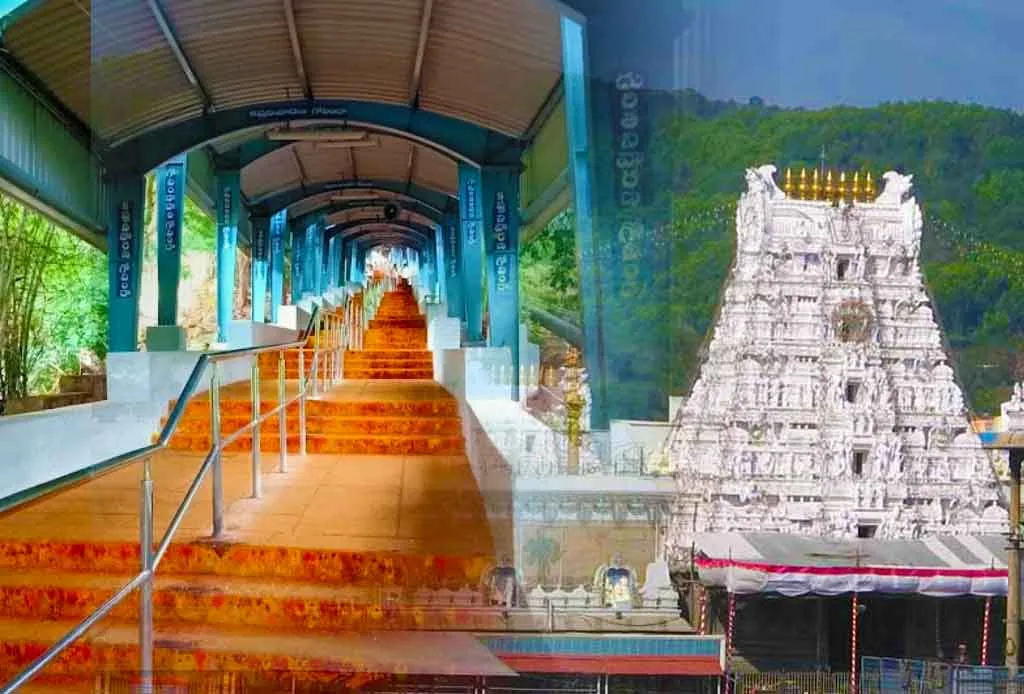
Introduction: The Path of Devotion
The trek to Tirumala is not merely a physical journey but a spiritual pilgrimage that has been undertaken by millions of devotees for centuries. Walking the sacred steps to reach Lord Venkateswara's abode is considered an act of supreme devotion, where every step taken purifies the soul and brings the pilgrim closer to divine grace.
The Sacred Routes to Tirumala
1. Alipiri Footpath (Mettelu)
The Most Popular Route
- Distance: Approximately 11 kilometers
- Number of Steps: Around 3,550 steps
- Duration: 3-4 hours (depending on pace)
- Starting Point: Alipiri, Tirupati town
The Alipiri footpath is the most frequented route, featuring well-maintained stone steps winding through lush forests. This path offers devotees a gradual ascent with multiple resting points and facilities.
Mythological Significance: Legend states that Lord Venkateswara himself walked this path when he descended to marry Goddess Padmavati. Devotees believe that walking these steps washes away sins and fulfills wishes.
2. Srivari Mettu (Narayanagiri Footpath)
The Ancient Path
- Distance: Approximately 2.1 kilometers
- Number of Steps: Around 2,388 steps
- Duration: 2-3 hours
- Starting Point: Near Chandragiri Road
This shorter but steeper route is believed to be the original path taken by sages and saints. The path is more challenging physically but offers serene forest surroundings and fewer crowds.
Mythological Connection: According to tradition, this route was used by Lord Rama during his search for Sita, and later by various saints including Sri Ramanujacharya.
Must-Visit Places Along the Routes
Alipiri Route Highlights
1. Alipiri Arch (Starting Point)
The grand gateway marking the beginning of your spiritual journey. TTD facilities for baggage storage and basic amenities are available here.
2. Narasimha Swamy Temple
- Location: After approximately 1,000 steps
- Significance: Dedicated to Lord Narasimha, this temple provides the first major spiritual stop
- What to Do: Offer prayers and take a brief rest
3. Vrushabhadri Viewpoint
- Location: Mid-way through the trek
- Features: Stunning panoramic views of the Eastern Ghats
- Perfect for: Photography and meditation
4. Gaali Gopuram (Windy Arch)
- Location: Around 2,500 steps
- Experience: Natural wind tunnel effect creates a cooling breeze
- Cultural Note: Devotees believe passing through this arch brings divine blessings
5. Anjaneya Swamy Temple
- Location: Near the final stretch
- Deity: Lord Hanuman
- Ritual: Devotees seek strength and protection for the remaining journey
Srivari Mettu Route Highlights
1. Tumburumettu
- Location: Initial section
- Significance: Named after sage Tumburu
- Features: Dense forest cover with ancient trees
2. Chakrateertham
- Location: Midpoint
- Sacred Spot: Natural spring water source
- Tradition: Pilgrims wash their faces and feet here for purification
3. Forest Rest Shelters
Multiple shaded rest areas built along the route provide respite and drinking water facilities.
Complete Trekking Guide
Best Time to Trek
Ideal Seasons:
- October to February: Pleasant weather (15-25°C), perfect for trekking
- Avoid: May-June (extreme heat, 35-42°C) and heavy monsoon months (July-August)
Time of Day:
- Early Morning: Start between 4:00 AM - 6:00 AM to avoid heat and crowds
- Evening: Start by 3:00 PM to reach before sunset (not recommended for first-timers)
What to Carry
Essential Items:
- Valid photo ID proof (mandatory)
- Light backpack with drinking water (2-3 liters per person)
- Energy snacks (bananas, dry fruits, energy bars)
- Small towel and handkerchief
- Basic first-aid kit (band-aids, pain relief spray)
- Mobile phone with fully charged battery
- Small amount of cash for offerings and emergencies
- Flashlight or headlamp (for early morning trekkers)
Clothing Recommendations:
- Comfortable cotton or moisture-wicking clothes
- Proper trekking shoes or sturdy sandals with good grip
- Extra pair of socks
- Light jacket or shawl (for early morning)
- Cap or hat for sun protection
What NOT to Bring:
- Leather items (prohibited in temple premises)
- Alcohol, tobacco, or non-vegetarian food
- Valuables and excessive luggage
Facilities Along the Route
Free Services by TTD:
- Drinking water taps at regular intervals
- Rest shelters (approximately every 500 meters)
- Clean toilet facilities at multiple points
- Medical aid posts with basic first-aid
- Solar-powered lighting throughout the path
- Free food (Anna Prasadam) at designated points
Paid Services:
- Refreshment stalls selling water, coconuts, and snacks
- Paid porter services for elderly or children
- Shoe-keeping facility at Alipiri base
Safety Measures and Precautions
Medical Precautions
- Health Assessment: Consult a doctor if you have heart conditions, respiratory issues, or joint problems
- Hydration: Drink water regularly (small sips) to prevent dehydration
- Pace Yourself: Don't rush; take frequent breaks
- Warning Signs: Stop immediately if you experience chest pain, severe breathlessness, or dizziness
- Medical Posts: Note the locations of medical aid stations (marked with red cross signs)
General Safety
- Stay on Marked Paths: Never venture into unauthorized forest areas
- Wildlife Awareness: Monkeys are common; don't feed them or carry visible food
- Weather Monitoring: Check weather forecasts; avoid trekking during heavy rain or storms
- Group Safety: Trek in groups, especially women and children
- Emergency Contact: TTD Helpline: 0877-2277777 (save this number)
- Night Trekking: Use designated lighted paths only; carry a flashlight
For Special Categories
Senior Citizens:
- Consider using Srivari Mettu (shorter distance) or utilize TTD's vehicle services
- Take extra rest breaks every 15-20 minutes
- Use a walking stick for support
- Trek during early morning when it's cooler
Children:
- Children above 5 years can trek with supervision
- Carry extra water and snacks
- Take frequent breaks with engaging activities
- Ensure they wear proper footwear
Pregnant Women:
- Generally not recommended, especially after first trimester
- Consult your doctor before attempting
- Alternative: Use TTD's vehicle facility
Spiritual Preparation and Rituals
Pre-Trek Rituals
- Fasting: Many devotees fast or eat simple vegetarian food
- Mental Preparation: Chant "Om Namo Venkatesaya" or other mantras during the trek
- Intention Setting: Begin with a prayer stating your purpose for the pilgrimage
During the Trek
- Maintain silence or minimal conversation (traditional practice)
- Chant Lord Venkateswara's names or stotras
- Help fellow pilgrims if they need assistance
- Respect the sanctity of the path by avoiding littering
Post-Trek Rituals
Upon reaching Tirumala:
- Take a cleansing bath at Swamy Pushkarini (sacred temple tank)
- Change into traditional clothes
- Proceed for darshan of Lord Venkateswara
Accommodation and Facilities in Tirumala
After reaching Tirumala:
- Free accommodation: Available through TTD (book online in advance)
- Paid guesthouses: Various categories from basic to deluxe
- Annadanam: Free meals served at multiple locations
- Dharshan booking: Can be done online or at counters
Tips from Experienced Pilgrims
- "Start Early, Finish Strong" - Beginning at 4 AM helps avoid crowds and heat
- "Light is Right" - Travel with minimal luggage for comfort
- "Mind Over Matter" - Mental determination is more important than physical strength
- "Sip, Don't Gulp" - Small, frequent water intake prevents cramps
- "The Journey IS the Destination" - Don't rush; savor the spiritual experience
- "Help and Be Helped" - The pilgrim community is supportive; don't hesitate to ask for help
- "Preserve the Path" - Carry your trash; keep the sacred route clean
Environmental Responsibility
As custodians of this sacred space:
- Use designated dustbins only
- Don't pluck flowers or plants
- Minimize plastic usage
- Respect wildlife; don't disturb animals
- Follow "Leave No Trace" principles
Alternative for Those Unable to Trek
TTD provides several alternatives:
- Ghat Road by Bus: Frequent services from Tirupati to Tirumala
- Private Vehicles: Cars and taxis available (parking limited)
- Palanquin Services: For elderly or differently-abled devotees
The Spiritual Significance
The Tirumala trek embodies the principle that the divine is not easily attained - it requires effort, devotion, and surrender. Each step taken is considered:
- Tapas (penance) for past karmas
- Seva (service) to the Lord
- Sadhana (spiritual practice) for inner purification
Ancient scriptures mention that Lord Brahma, Lord Shiva, and various deities have walked these hills to seek Lord Venkateswara's blessings. By undertaking this trek, devotees join countless generations of spiritual seekers who have found solace, answers, and divine grace on these sacred slopes.
Conclusion: Your Sacred Journey Awaits
The trek to Tirumala is more than conquering steps - it's about conquering the ego, shedding worldly attachments, and approaching the divine with humility and devotion. Whether you choose the longer Alipiri route or the steeper Srivari Mettu path, remember that Lord Venkateswara sees not the speed of your feet but the devotion in your heart.
As the ancient saying goes: "Yedu kondala metla meedha, needu bhakti prapancham" - "Upon the steps of the seven hills lies the endless world of devotion."
Quick Reference Card
Emergency Numbers:
- TTD Enquiry: 0877-2277777
- Police: 100
- Ambulance: 108
Online Resources:
- TTD Official Website: www.tirumala.org
- Online Booking: www.ttdsevaonline.com
Remember: Faith moves mountains, but preparation ensures you reach them safely!
May Lord Venkateswara bless your pilgrimage with peace, fulfillment, and divine grace!
Govinda Govinda! Srinivasa Govinda!
Frequently Asked Questions
How long is the Alipiri footpath to Tirumala?
The Alipiri footpath (Mettelu) is approximately 11 kilometers with around 3,550 steps, starting at Alipiri in Tirupati town. It takes about 3-4 hours depending on pace.
What is Srivari Mettu and how does it differ from Alipiri?
Srivari Mettu (Narayanagiri footpath) is about 2.1 kilometers with around 2,388 steps, starting near Chandragiri Road. It is shorter but steeper, takes 2-3 hours and has fewer crowds.
What is the best time to trek to Tirumala?
October to February is ideal, with pleasant weather of 15-25°C. Avoid May-June heat and the heavy monsoon months of July-August; starting between 4:00 AM and 6:00 AM avoids heat and crowds.
What should I carry and avoid on the Tirumala trek?
Carry a valid photo ID (mandatory), 2-3 liters of drinking water, snacks, a flashlight and sturdy footwear. Leather items, alcohol, tobacco and non-vegetarian food are not allowed.
What facilities does TTD provide along the trekking route?
TTD provides drinking water taps, rest shelters roughly every 500 meters, toilets, medical aid posts, lighting and free Anna Prasadam at designated points. The TTD helpline is 0877-2277777.
Is the Tirumala trek suitable for NRIs visiting with elderly parents or children?
Seniors can consider the shorter Srivari Mettu or TTD's vehicle services, with extra rest breaks. Children above 5 can trek with supervision, and pregnant women are generally advised against it.
Share this with family and friends
Send it on WhatsApp, post it, or copy the link.
More from Tirumala
- Tirumala Darshan Tickets and Quota Releases 2026: How TTD's Online Booking Works
- Tirumala Salakatla Brahmotsavam 2026 Highlights: Garuda Seva, Dhwajavarohanam and the Numbers
- TTD News October 2026: Tirumala Latest Updates on Darshan, Tickets, Festivals and Rules
- Srivari Pushpa Yagam 2026 at Tirumala: Expected Date, Meaning, Flowers and How to Take Part
- Tirumala Vaikuntha Ekadasi 2026: Vaikuntha Dwara Darshan Dates, Tokens and How to Plan
You might also like
Tirumala Tirupati TTD — Complete Guide for NRIs (Darshan, Seva, Accommodation)
Anant Ambani Donates 25 Electric Buses to Tirumala TTD | ₹27.5 Crore Mahā Kānuka
Vishnu's Ten Avatars and the One Question Every NRI Child Eventually Asks