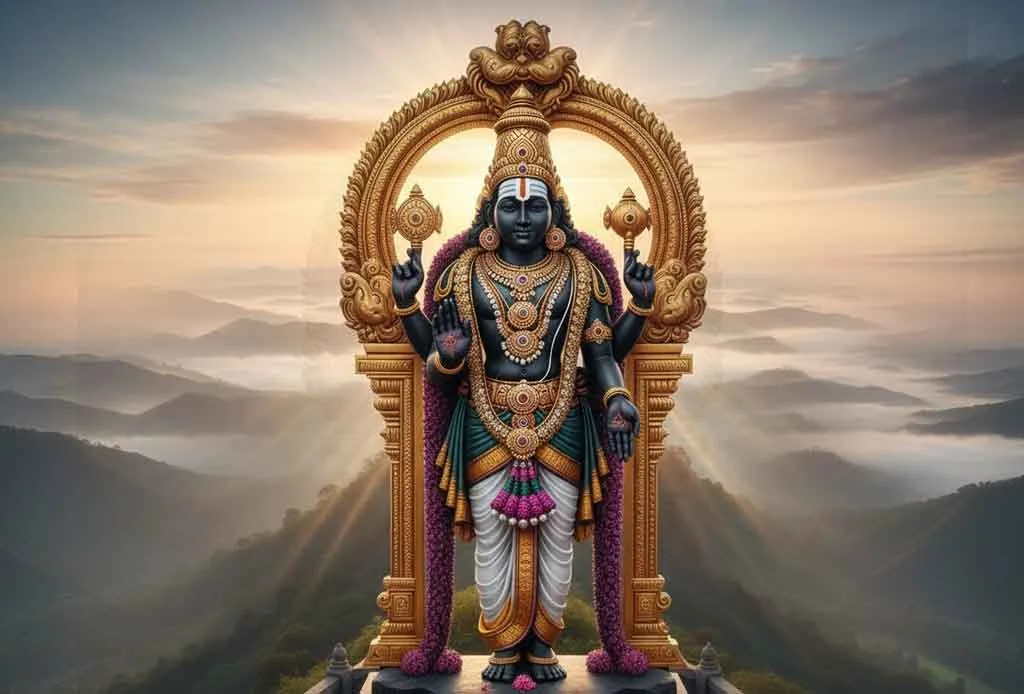
The Daily Rituals of Tirumala Temple: What Happens Before You Wake Up
In the sacred hills of Tirumala, while the world sleeps, an ancient rhythm of devotion unfolds.
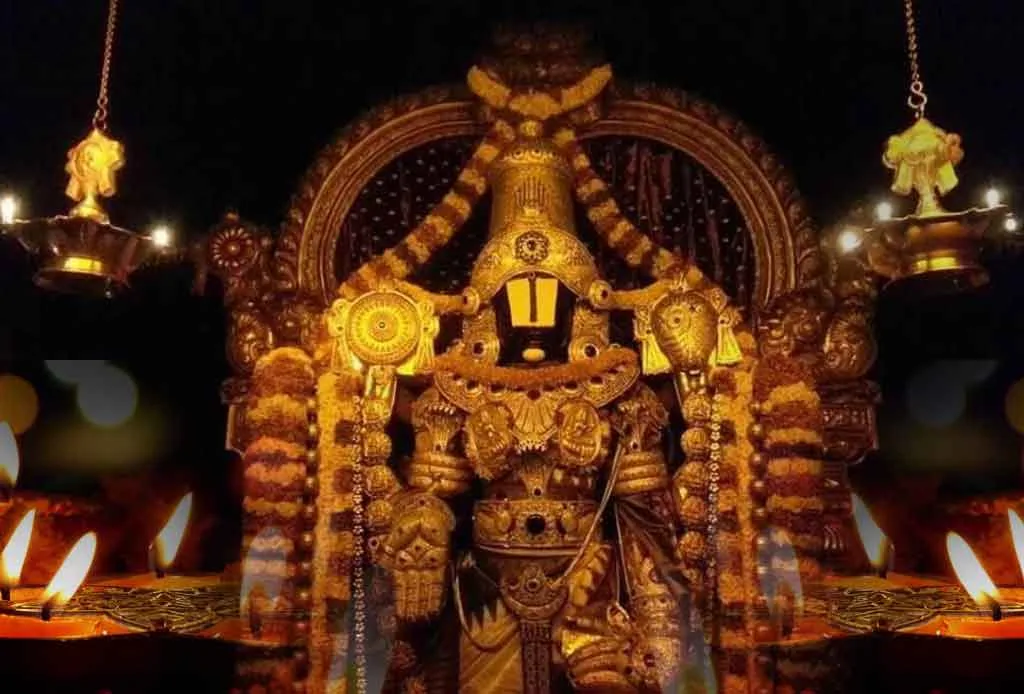
In the sacred hills of Tirumala, while the world sleeps, an ancient rhythm of devotion unfolds. Long before pilgrims begin their ascent and before the first rays of sunlight touch the temple towers, a team of priests performs elaborate rituals that have continued unbroken for centuries. These pre-dawn ceremonies reveal the profound spiritual heartbeat of one of the world's most visited places of worship.
The Sacred Awakening: Suprabhatam (3:00 AM)
The temple day begins in darkness, around 3:00 AM, with the Suprabhatam—the auspicious awakening of Lord Venkateswara. This isn't merely opening temple doors; it's believed to be the gentle rousing of the deity from divine slumber.
Priests approach the inner sanctum with reverence, carrying traditional lamps that cast dancing shadows on ancient stone walls. The atmosphere is thick with anticipation and devotion. Selected priests chant sacred verses in melodious tones, traditionally composed to awaken the Lord with poetic descriptions of the dawn, the singing birds, and the devotees waiting for His darshan.
The Suprabhatam ritual embodies the intimate relationship between devotee and deity—imagine waking someone you deeply love and respect, ensuring their first moments of consciousness are filled with beauty and peace. The priests don't rush; every movement is deliberate, every chant purposeful.
Thomala Seva: The Fragrant Offering (3:30 AM)
Following the awakening, the Thomala Seva transforms the sanctum into a garden of devotion. "Thomala" refers to the floral decoration ritual where the deity is adorned with garlands made from thousands of fresh flowers—primarily fragrant roses, jasmine, and marigolds collected the previous evening.
This isn't simple decoration. Priests skillfully arrange the flowers in specific patterns, each carrying symbolic meaning. The fragrance that fills the sanctum is believed to be pleasing to the Lord, and the vibrant colors represent the joy and celebration of divine presence. Some garlands can weigh several kilograms and require multiple priests to handle.
What makes Thomala Seva particularly special is its exclusivity—only a handful of priests witness this intimate offering. The general public doesn't see this seva, making it one of the temple's most mystical and privileged rituals. The deity adorned in fresh flowers represents nature's offering to the divine, a reminder that all creation bows before the Lord.
The Morning Rituals: Archana and Beyond (4:30 AM onwards)
As dawn approaches, the temple intensifies its devotional activities. The Archana—recitation of the Lord's thousand names (Sahasranamam)—begins with priests chanting in rhythmic precision. Each name celebrates a different aspect of the divine: protector, sustainer, the one who removes suffering, the embodiment of compassion.
The priests offer sacred substances with each set of names—sandalwood paste, flowers, sacred ash, and kumkum. The sound of bells, the fragrance of incense, and the melodic chanting create a multisensory spiritual experience. Even though pilgrims haven't yet entered, this ritual is performed with complete devotion, reflecting the belief that God is present whether witnessed by thousands or by none.
Between these major rituals, priests also perform:
Koluvu or Nijapada Darshan: The first viewing of the Lord after the night, where priests assess whether any special rituals or corrections are needed in the deity's adornment.
Panchagavya Snapanam: Ceremonial bathing with five sacred products derived from the cow, believed to purify and energize the divine form.
Ekanta Seva: The Divine Rest (1:00 AM - 3:00 AM)
While technically the last ritual of the temple's day, Ekanta Seva sets the stage for the next morning's awakening. Performed in the deepest hours of night, this ritual prepares the Lord for rest. The sanctum is sealed, and the deity is offered the final prayers of the day.
During these hours, the temple falls into profound silence. The priests who perform Ekanta Seva move with extra care, their whispered chants barely audible. They remove the day's decorations, perform a gentle ceremonial cleansing, and adorn the Lord in simpler nighttime garments. Special offerings suitable for the night are made, and the temple lamps are adjusted to a softer glow.
This period of divine rest is considered so sacred that the sanctum remains completely closed. The temple complex, which sees thousands of devotees during the day, becomes a space of solitary devotion where only the sounds of night insects and distant temple bells break the silence.
The Unseen Dedication
What distinguishes these pre-dawn rituals is the remarkable dedication of the temple priests and staff. These individuals maintain a rigorous schedule, often sleeping in shifts to ensure continuous divine service. Many have inherited these responsibilities through generations, considering it not a job but a sacred calling.
The temple employs specific families who have traditionally held rights to perform particular sevas. A priest performing Suprabhatam may have had ancestors doing the same ritual in the same sanctum for hundreds of years. This continuity creates an unbroken chain of devotion stretching back centuries.
Behind the scenes, dozens of support staff work through the night—those who prepare the flowers for Thomala Seva, those who ready the sacred substances for Archana, those who maintain the temple's cleanliness, and those who ensure the traditional lamps never extinguish.
The Spiritual Significance
These pre-dawn rituals reflect a profound theological understanding: the divine doesn't sleep, but graciously accepts the human need to ritualize time. By maintaining these ceremonies regardless of who witnesses them, the temple affirms that devotion isn't performance—it's relationship.
For pilgrims who later receive darshan, they're seeing a deity who has been lovingly awakened, bathed, adorned, fed, and worshipped since before sunrise. Every subsequent ritual of the day builds upon this foundation of pre-dawn devotion.
The rituals also demonstrate an ecological and sustainable approach to worship—using natural flowers, traditional oil lamps, and organic materials. The temple consumes thousands of flowers daily, supporting local farmers and keeping traditional horticulture alive.
Experiencing the Mystery
While these early morning rituals aren't open to general public viewing, pilgrims can participate in Suprabhatam seva through special tickets (though availability is extremely limited and must be booked well in advance). Those fortunate enough to witness these ceremonies describe them as life-changing—seeing ancient traditions performed in their purest form, without crowds, in the mystical pre-dawn hours.
Even for those who never witness these rituals directly, knowing they occur adds depth to the Tirumala pilgrimage. When you finally receive darshan, you're not merely seeing a statue, but encountering a divine presence that has been honored with elaborate ceremonies since the night's darkest hour.
The daily rituals of Tirumala Temple remind us that devotion doesn't pause. Before your alarm clock rings, before the world begins its daily rush, in those quiet hours of darkness, ancient prayers are being offered, flowers are being arranged, and the eternal rhythm of divine service continues—just as it has for centuries, just as it will for centuries to come.
This is the unseen heartbeat of Tirumala, the sacred preparation that happens before the world wakes up, ensuring that when pilgrims finally arrive, they step into a space already sanctified by hours of devoted service.
Frequently Asked Questions
Where is The Daily Rituals of Tirumala Temple located?
In the sacred hills of Tirumala, while the world sleeps, an ancient rhythm of devotion unfolds. Long before pilgrims begin their ascent and before the first rays of sunlight touch the temple towers, a team of priests performs elaborate rituals that have continued unbroken for centuries.
Who is the presiding deity of The Daily Rituals of Tirumala Temple?
The temple's presiding deity and its significance are described in the guide above.
What are the timings and how do I reach The Daily Rituals of Tirumala Temple?
Temples typically open early morning and evening; confirm current darshan timings before visiting. The nearest airport, railway station and road routes are covered in the guide above.
What is the best time to visit The Daily Rituals of Tirumala Temple?
Major festival days and the cooler months are popular, though weekday mornings offer a calmer darshan. Plan around the temple's key festivals for the most vibrant experience.
Share this with family and friends
Send it on WhatsApp, post it, or copy the link.
More from Tirumala
- Tirumala Darshan Tickets and Quota Releases 2026: How TTD's Online Booking Works
- Tirumala Salakatla Brahmotsavam 2026 Highlights: Garuda Seva, Dhwajavarohanam and the Numbers
- TTD News October 2026: Tirumala Latest Updates on Darshan, Tickets, Festivals and Rules
- Srivari Pushpa Yagam 2026 at Tirumala: Expected Date, Meaning, Flowers and How to Take Part
- Tirumala Vaikuntha Ekadasi 2026: Vaikuntha Dwara Darshan Dates, Tokens and How to Plan
You might also like
Tirumala Tirupati TTD — Complete Guide for NRIs (Darshan, Seva, Accommodation)
Spiritual Science Behind Tirupati's Balaji Idol: Why the Idol Is Always Moist
Tirumala June 2026: Special Darshan, Sevas & Complete Pilgrim Guide