Unknown Facts About Tirupati Laddoo – The Prasadam with GI Tag
The Tirupati laddoo is not just a sweet offering—it's a sacred tradition, a culinary marvel, and a symbol of devotion that has captivated millions of pilgrims…
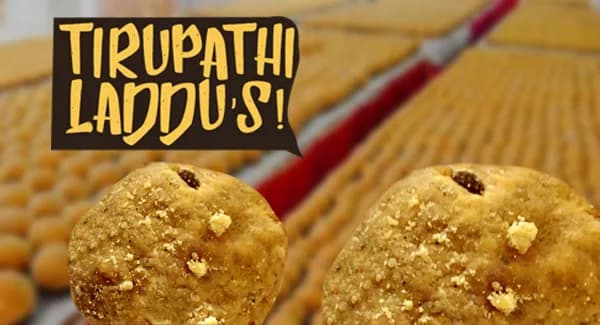
The Tirupati laddoo is not just a sweet offering—it's a sacred tradition, a culinary marvel, and a symbol of devotion that has captivated millions of pilgrims…
The Tirupati laddoo is not just a sweet offering—it's a sacred tradition, a culinary marvel, and a symbol of devotion that has captivated millions of pilgrims for centuries. This iconic prasadam from the Tirumala Venkateswara Temple holds secrets and stories that go far beyond its delicious taste.
The Sacred Origins: History of Tirupati Laddoo
The exact origins of the Tirupati laddoo are shrouded in devotional legend, but historical records suggest that the tradition of offering laddoos as prasadam began several centuries ago. The Tirumala Tirupati Devasthanams (TTD), which manages the temple, has been preparing this sacred sweet for generations.
According to temple archives, the practice of distributing laddoos gained prominence during the medieval period when devotees would bring various offerings to Lord Venkateswara. The temple authorities standardized the prasadam distribution, and the laddoo emerged as the primary offering due to its longer shelf life and ease of distribution.
The laddoo represents the sweetness of divine grace and is believed to carry the blessings of Lord Venkateswara himself. Devotees consider it sacred to receive this prasadam after having darshan of the deity.
The Making Process: A Sacred Culinary Art
The preparation of Tirupati laddoo is an intricate process that combines devotion with precision:
Ingredients
The laddoo is made with carefully selected premium ingredients:
- Gram flour (besan) – the primary ingredient
- Pure cow ghee – in generous quantities for richness
- Sugar – for sweetness
- Cashew nuts – for texture and flavor
- Raisins – adding natural sweetness
- Cardamom – for aromatic fragrance
The Sacred Kitchen
The laddoos are prepared in the Potu (temple kitchen), one of the world's largest and most hygienic temple kitchens. The facility operates with remarkable efficiency:
- Daily production: Approximately 3-4 lakh (300,000-400,000) laddoos are prepared daily
- Peak days: During festivals and weekends, production can exceed 5-6 lakh laddoos
- Workforce: Hundreds of specially trained staff work round-the-clock
- Hygiene standards: The kitchen maintains pharmaceutical-grade cleanliness
Step-by-Step Preparation
- Roasting: Gram flour is slow-roasted in pure ghee until it turns golden and releases a nutty aroma
- Sugar syrup: A precise consistency of sugar syrup is prepared separately
- Mixing: The roasted flour is mixed with the sugar syrup while still warm
- Adding ingredients: Cashews, raisins, and cardamom powder are incorporated
- Shaping: Skilled workers shape the mixture into perfectly round laddoos weighing approximately 175 grams each
- Cooling and packing: Each laddoo is cooled and packed in food-grade materials
The entire process is conducted with prayers and mantras playing in the background, infusing spiritual energy into every laddoo.
The GI Tag: A Mark of Authenticity
In 2009, the Tirupati laddoo achieved a remarkable distinction—it became the first Indian food item to receive the Geographical Indication (GI) tag. This was a watershed moment in protecting the authenticity and heritage of this sacred prasadam.
Why the GI Tag Matters
The GI tag ensures that:
- Only laddoos made in the Tirumala temple can be called "Tirupati laddoo"
- The traditional recipe and preparation methods are legally protected
- Counterfeit products cannot use the name or reputation of the original
- The unique characteristics and quality standards are preserved
The GI registration number is No. 48 under the Government of India's intellectual property classification. This recognition placed the Tirupati laddoo alongside globally renowned products like Champagne and Darjeeling Tea.
The Recipe Protection
The exact proportions and the specific technique used in preparation are closely guarded. While the ingredients are known, the precise timing, temperature control, and proportions that give the laddoo its distinctive taste remain a well-kept secret of the temple administration.
Devotional Significance: More Than Just a Sweet
Offering to the Lord
The laddoo holds profound spiritual significance:
- Naivedyam: Multiple laddoos are offered to Lord Venkateswara as naivedyam (food offering) during various poojas throughout the day
- Divine blessing: Devotees believe that once offered to the deity, the laddoo becomes charged with divine energy
- Prasadam philosophy: According to Hindu tradition, prasadam is not ordinary food—it's sanctified by the deity's acceptance
Receiving the Prasadam
The act of receiving and consuming the laddoo is considered spiritually significant:
- With reverence: Devotees receive it with both hands, touching it to their eyes and head as a mark of respect
- Shared blessings: Many devotees take laddoos home to share with family members who couldn't visit the temple
- Never refused: It's considered inauspicious to refuse prasadam when offered
- Complete consumption: Traditional belief holds that prasadam should be consumed completely without waste
The Two-Laddoo Tradition
After darshan, each devotee receives two laddoos free of cost as prasadam. This tradition ensures that even the poorest pilgrim receives the Lord's blessing in tangible form. Additional laddoos can be purchased through TTD counters and online booking systems.
Specialties That Make It Unique
1. Unmatched Taste and Texture
The Tirupati laddoo has a distinctive melting texture and balanced sweetness that's difficult to replicate. The generous use of pure ghee gives it a rich, luxurious mouthfeel.
2. Shelf Life
When stored properly, the laddoo can last 10-15 days without refrigeration, making it ideal for devotees traveling long distances.
3. Consistent Quality
Despite producing lakhs of laddoos daily, TTD maintains remarkable consistency in taste, size, and quality—a logistical marvel.
4. Economic Impact
The laddoo prasadam generates significant revenue for TTD, which is used for:
- Temple maintenance and development
- Charitable activities
- Educational institutions
- Healthcare services for devotees
5. Employment Generation
The production and distribution of laddoos provide employment to thousands of people, from procurement specialists to packaging workers.
TTD Laddoo Online Booking
Recognizing the demand from devotees worldwide, TTD introduced online booking facilities:
How to Book Online
- Visit the official TTD website or mobile app
- Register and create an account
- Select the number of laddoos required
- Make online payment
- Collect from designated counters during your visit or opt for courier delivery (where available)
Pricing
The laddoos are priced affordably, with TTD maintaining that prasadam should be accessible to all devotees regardless of economic status.
Controversies and Challenges
Quality Control Concerns (2024)
In September 2024, a major controversy erupted when allegations surfaced regarding the quality of ingredients used in laddoo preparation. These claims sparked widespread concern among devotees and led to:
- Intense media scrutiny
- Political debates
- Demands for investigation
- Questions about quality control mechanisms
The TTD administration responded by:
- Conducting independent laboratory tests
- Strengthening quality control measures
- Increasing transparency in procurement processes
- Reaffirming commitment to maintaining the sanctity of the prasadam
Adulteration Allegations
Over the years, there have been periodic concerns about:
- Vendors selling fake laddoos outside the temple claiming them to be original
- Questions about ghee purity
- Ingredient sourcing transparency
TTD has continuously worked to address these concerns through:
- Stricter vendor licensing
- Regular quality audits
- Advanced testing facilities
- Direct procurement from trusted suppliers
Production Pressures
The massive daily production creates challenges:
- Maintaining quality while scaling production during peak seasons
- Ensuring hygiene standards with large workforce
- Balancing tradition with modern food safety requirements
- Managing supply chain logistics for ingredients
Commercial Exploitation
The popularity of Tirupati laddoo has led to:
- Unauthorized sellers marketing imitation laddoos
- Commercial establishments using the name without authorization
- The GI tag has helped combat this, but enforcement remains an ongoing challenge
Lesser-Known Facts
- Temperature precision: The sugar syrup must reach exactly the right consistency—too hot or too cool affects the texture
- Ghee consumption: Several tons of pure ghee are used daily in preparation
- No preservatives: Despite its shelf life, no artificial preservatives are added
- Weight consistency: Each laddoo is hand-shaped to maintain approximately the same weight
- Packaging evolution: The packaging has evolved from simple paper to modern food-grade materials while maintaining eco-friendliness
- International demand: Devotees from across the world request laddoos, making it a global ambassador of Indian temple traditions
- Record production: During Brahmotsavam festival, production can exceed 7-8 lakh laddoos per day
The Spiritual Science
Hindu tradition holds that food prepared with devotion and offered to the deity undergoes a spiritual transformation. The Tirupati laddoo embodies this philosophy—it's not merely a sweet but a medium of divine connection.
Many devotees report experiences of peace, fulfillment, and positive energy after consuming the prasadam, attributing it to the sacred atmosphere in which it's prepared and the divine blessings it carries.
Conclusion
The Tirupati laddoo is a perfect blend of culinary excellence, spiritual significance, and cultural heritage. Its GI tag recognition validates what millions of devotees have known for centuries—this is no ordinary sweet. It's a sacred offering that carries the essence of devotion, the richness of tradition, and the blessings of Lord Venkateswara.
Whether you're a pilgrim seeking divine grace or a food enthusiast appreciating culinary heritage, the Tirupati laddoo offers something profound—a taste of the sacred, wrapped in sweetness and devotion.
For authentic Tirupati laddoo prasadam, visit the Tirumala Venkateswara Temple or book online through the official TTD website. Remember, accepting prasadam is accepting divine grace—receive it with devotion, consume it with gratitude, and share it with love.
Frequently Asked Questions
What is Unknown Facts About Tirupati Laddoo – The Prasadam?
The Tirupati laddoo is not just a sweet offering—it's a sacred tradition, a culinary marvel, and a symbol of devotion that has captivated millions of pilgrims for centuries. This iconic prasadam from the Tirumala Venkateswara Temple holds secrets and stories that go far beyond its delicious taste.
What ingredients are needed for Unknown Facts About Tirupati Laddoo – The Prasadam?
The traditional ingredients and step-by-step method are given in the recipe above; most are easily available at Indian grocery stores, including for NRI families abroad.
Can Unknown Facts About Tirupati Laddoo – The Prasadam be offered as naivedya?
Yes — it is prepared sattvically (without onion or garlic) and offered to the deity first as naivedya, then distributed as prasad.
Can I make Unknown Facts About Tirupati Laddoo – The Prasadam abroad?
Yes. All key ingredients are available at Indian grocery stores across the USA, UK, Canada and Australia, making it easy to prepare at home for the puja.
You might also like

Janmashtami 2026 in India: Date, Rituals & Top Temples to Visit

Angkor Wat: Divine Mysteries & Soul-Stirring Miracles of Lord Vishnu's Cosmic Temple
Anant Ambani Donates 25 Electric Buses to Tirumala TTD | ₹27.5 Crore Mahā Kānuka