

Maha Shivaratri 2026 in UAE: Complete Guide to Celebrations in Dubai & Abu Dhabi

Published: February 14, 2026 | Reading Time: 12 minutes
Event Date: Sunday, February 15 – Monday, February 16, 2026
Coverage: Dubai, Abu Dhabi, Sharjah, Ajman, UAE
 Quick Information at a Glance
Maha Shivaratri 2026 Date: Sunday, February 15, 2026 (night vigil extends to February 16)
Chaturdashi Tithi Begins: 7:04 PM GST, February 15, 2026
Chaturdashi Tithi Ends: 7:34 PM GST, February 16, 2026
Nishita Kaal Puja Time: 10:09 PM – 10:58 PM GST (Most Auspicious)
Breaking Fast (Parana): After 6:45 AM on February 16, 2026
Major Celebration Venues:
- BAPS Hindu Mandir, Abu Dhabi (Largest Hindu temple in Middle East)
- Hindu Temple Dubai, Jebel Ali Worship Village
- Shiva Temple, Bur Dubai (Historic)
- Multiple temples across Dubai and Northern Emirates
Understanding Maha Shivaratri: The Great Night of Lord Shiva
Maha Shivaratri, meaning “The Great Night of Shiva,” stands as one of the most spiritually significant festivals in the Hindu calendar. Observed on the fourteenth day of the dark fortnight in the month of Phalguna (February-March), this sacred night honors Lord Shiva—the deity of transformation, meditation, and cosmic consciousness.
For the UAE’s vibrant Hindu community of over 3.5 million devotees (primarily Indian expatriates), Maha Shivaratri represents more than a religious observance. It serves as a powerful connection to ancestral traditions, a celebration of cultural identity in the heart of the Middle East, and an opportunity to maintain spiritual practices while living and working in the Emirates.
The festival commemorates multiple sacred events including Lord Shiva’s cosmic dance (Tandava), his consumption of poison to save the universe during the churning of the ocean, and his divine union with Goddess Parvati. Devotees believe this night holds extraordinary spiritual energy, making it ideal for meditation, prayer, and inner transformation.
Shivaratri in the UAE’s Multicultural Landscape
The UAE has emerged as a beacon of tolerance and interfaith harmony in the Middle East, with the government actively supporting religious diversity. The establishment of the magnificent BAPS Hindu Mandir in Abu Dhabi and the Hindu Temple in Jebel Ali, Dubai exemplifies this commitment to cultural coexistence.
Dubai alone is home to approximately 1.5 million Indians, making the Indian community the largest expatriate group in the UAE. The celebration of Maha Shivaratri has evolved into a grand community event that showcases the UAE’s spirit of tolerance while allowing the Hindu diaspora to maintain deep spiritual connections.
From the first humble Hindu temple established in Bur Dubai in 1958 to today’s architectural marvels, the journey of Hindu worship in the UAE reflects both preservation of tradition and adaptation to the unique Arabian context.
Major Hindu Temples Celebrating Maha Shivaratri in UAE
Abu Dhabi
 Abu Dhabi
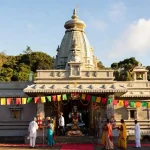
1. BAPS Hindu Mandir, Abu Dhabi – The Crown Jewel
Location: Abu Mureikha, Abu Dhabi (approximately 1 hour from Dubai)
Inaugurated: February 14, 2024
Significance: First traditional stone Hindu temple in the Middle East
About the Temple:
The BAPS Hindu Mandir stands as a masterpiece of traditional Indian temple architecture and a symbol of UAE’s commitment to interfaith harmony. Built by the Bochasanwasi Shri Akshar Purushottam Swaminarayan Sanstha (BAPS), this magnificent temple was made possible through the generous gift of land by the UAE government in 2015.
Architectural Marvel:
- Constructed entirely with hand-carved pink sandstone from Rajasthan and white marble from Italy
- Built without using any steel or iron (traditional Indian temple construction)
- Height: 108 feet tall
- Seven spires (shikhars) representing the seven Emirates of the UAE
- Intricate carvings depicting stories from Ramayana, Mahabharata, Shiva Purana
- Multiple prayer halls and meditation spaces
- Visitors center showcasing Hindu culture and philosophy
Deities:
- Main deities of Swaminarayan tradition
- Shiva shrine within the complex
- Multiple deity shrines representing various aspects of Hinduism
Maha Shivaratri 2026 Celebrations:
Based on the temple’s first Shivaratri celebration in March 2024 (which attracted thousands), expect an even grander celebration in 2026:
- Extended Hours: Temple likely open from early morning February 15 through the night
- Special Shivaratri Programs:
- Continuous Rudrabhishekam ceremonies
- Traditional four-prahar puja schedule
- Nishita Kaal special worship (10:09 PM – 10:58 PM)
- Cultural programs featuring classical Indian music and dance
- Spiritual discourses on Shiva philosophy
- Community prasadam distribution
Facilities:
- Massive prayer halls with air conditioning
- Vegetarian food court (reasonably priced)
- Gift shop with spiritual items
- Prasad distribution area
- Designated shoe storage (marble floors designed to stay cool)
- Educational visitor center
- Meditation gardens
- Ample parking
Important Visitor Information:
Timing (Regular):
- Morning: 9:00 AM – 8:00 PM daily
- Closed: 12:30 PM – 4:00 PM (afternoon break)
- Extended hours during festivals (check website)
Entry Requirements:
- FREE entry for all visitors
- Passport/Emirates ID required – Carry valid identification
- Advance registration recommended during festivals
- Check official website: www.mandir.ae
Dress Code (Strictly Enforced):
- Modest clothing mandatory
- Women: Cover shoulders, chest, back; clothing must cover knees
- Men: Long pants, shirt with sleeves
- No shorts, sleeveless tops, revealing clothing
- Traditional Indian attire encouraged
How to Reach from Dubai:
- By Car: Sheikh Zayed Road (E11) south, approximately 1-1.5 hours
- Parking: Free ample parking available
- By Taxi/Uber: Available, approximately AED 150-200 from Dubai
Photography:
- Generally allowed in outer areas
- Restricted inside sanctum sanctorum
- Follow temple volunteer instructions
First Shivaratri Success (2024): The temple’s inaugural Shivaratri celebration in March 2024 saw thousands of devotees gather from across the UAE. The event began and concluded with special prayers for the UAE leadership, demonstrating the community’s gratitude and integration. Expect similar or larger attendance in 2026.
2. Shiva Temple, Abu Dhabi
Location: Abu Dhabi (specific location varies – check with local Hindu community)
About: Smaller, intimate Shiva temple serving local Abu Dhabi Hindu community
Highlights:
- Daily Rudra Abhishekam
- Special Shivaratri and Shravan month celebrations
- Traditional North Indian style worship
- Community-focused programs
Regular Timings: Check with temple directly
3. ISKCON Abu Dhabi
About: Part of International Society for Krishna Consciousness
Dedicated to: Lord Krishna and Radha
Shivaratri Relevance: While primarily a Vaishnava temple, ISKCON observes Shivaratri as part of the broader Hindu tradition, honoring Lord Shiva as the ultimate Vaishnava.
Regular Activities:
- Sunday satsang
- Kirtans and bhajans
- Bhagavad Gita lectures
- Janmashtami and other major festivals
4. Sri Ayyappa Temple, Abu Dhabi
Specialty: Dedicated to Lord Ayyappa (popular among Kerala Hindu community)
About: Serves the large Malayali population in Abu Dhabi
Features:
- Daily pujas and ceremonies
- Special rituals during Makaravilakku season
- Community gatherings and cultural programs
- Traditional Kerala-style temple architecture
5. Sindhi Temple, Abu Dhabi
Dedicated to: Jhulelal and deities revered by Sindhi community
Special Occasions: Cheti Chand, Sindhi New Year celebrations
Features:
- Sindhi bhajans and cultural programs
- Community satsangs
- Traditional Sindhi hospitality
- Food offerings (prasadam)
Dubai
6. Hindu Temple Dubai, Jebel Ali – Modern Architectural Wonder
Location: Jebel Ali Worship Village, Jebel Ali, Dubai
Address: 3806 Sheikh Zayed Road, Jebel Ali Village
Inaugurated: October 5, 2022 (Dussehra/Vijayadashami)
Phone: +971 54 584 2951
Website: www.hindutempledubai.com
Historical Significance: This temple represents a major milestone for Dubai’s Hindu community. After serving devotees for over 60 years in the cramped quarters of Bur Dubai, the community finally has a spacious, independent temple complex.
Temple Statistics:
- Area: 70,000 square feet
- Floors: Four levels (two basements, ground floor, first floor)
- Construction Cost: Approximately AED 60 million
- Materials: 900 tonnes of steel, 6,000 cubic meters of concrete, 1,500 square meters of marble
- Built by: Vasu Shroff and the Sindhi community (dream of 82-year-old businessman)
Architectural Features:
- Fusion of Indian and Arabic architectural styles
- White Makrana marble throughout
- Nine brass kalashas (spires) adorning the outer domes
- Hand-carved pillars resembling Somnath Temple, Gujarat
- Main dome inspired by Nagara style of Hindu architecture
- 3D-printed pink lotus dominating main prayer hall
- Intricate lattice screens and carved elephants
- East-facing design following Vastu Shastra principles
- Octagonal entrance based on Shree Yantra
16 Deities Enshrined:
The temple houses 16 major deities, making it a comprehensive Hindu worship center:
- Lord Shiva (Shiva Lingam – main deity)
- Lord Krishna
- Lord Ganesha
- Lord Rama
- Goddess Mahalakshmi
- Lord Venkateswara
- Lord Ayyappa
- Goddess Durga
- Lord Hanuman
- Sai Baba
- Radha-Krishna
- Plus other deities
Special Feature:
- Sri Guru Granth Sahib shrine – Dedicated section for Sikh holy book, allowing Sikh worship alongside Hindu deities
Maha Shivaratri 2026 Celebrations:
Expected Schedule:
- Opening: 6:00 AM, February 15
- Closing: Extended hours through the night until morning of February 16
- Daily Aarti: 7:30 PM (may have special timing for Shivaratri)
Special Programs:
- Continuous Shiva Abhishekam throughout four praharas
- Hourly Rudrabhishekam ceremonies
- Nishita Kaal special puja (10:09 PM – 10:58 PM)
- Community bhajan and kirtan sessions
- Cultural performances
- Traditional night vigil (jagaran)
- Free prasadam distribution
Facilities:
- Fully air-conditioned interiors
- Prayer halls for different deities
- Community hall with LCD screens
- Knowledge areas with educational displays
- Eight full-time priests available
- Shoe and bag storage areas
- Clean restroom facilities
- Wheelchair accessible
Visitor Information:
Regular Timings:
- Daily: 6:00 AM – 8:30 PM
- Extended hours during major festivals
Registration:
- Previously Required: Online registration through website
- Current Status: Requirements relaxed for regular days
- Festivals: Registration may be required – check website
- QR Code System: Implemented for visitor management
Entry:
- FREE for all visitors
- Open to people of all faiths
- Guided tours available
Dress Code:
- Modest clothing required
- Cover shoulders and knees
- Remove shoes before entering
- Traditional Indian attire welcome
Expected Attendance:
- Regular days: 3,000-6,000 devotees
- Major festivals: Can exceed 100,000+ visitors
- Shivaratri 2026 expected: 20,000-40,000 devotees
How to Reach:
By Metro:
- Red Line to Ibn Battuta Station or Energy Station
- From station: Take F44 bus or taxi (approximately AED 15-20)
By Car:
- Sheikh Zayed Road to Jebel Ali
- Ample parking available at Worship Village
By Taxi/Uber:
- Available from anywhere in Dubai
- From Dubai Marina: 15-20 minutes
- From Downtown Dubai: 30-40 minutes
Nearby Locations:
- Dubai South
- Dubai Investments Park (DIP)
- Jebel Ali Free Zone
- Ibn Battuta Mall (shopping option pre/post-visit)
Photography:
- Allowed in most areas
- Seek permission before photographing inside sanctum
- Respect worshippers’ privacy
Volunteer Opportunities:
- Daily, weekly, monthly volunteer positions available
- Contact through official website
7. Shiva Temple, Bur Dubai – The Historic Heart
Location: Al Fahidi Historical District, Bur Dubai (near Dubai Museum)
Established: 1958 (First Hindu temple in UAE)
Current Status: Krishna Mandir still operational at this location
Historical Importance:
This temple complex holds immense historical significance as the birthplace of organized Hindu worship in the UAE. In 1958, the visionary Sheikh Rashid bin Saeed Al Maktoum permitted construction of a Hindu temple on the first floor above shops in Bur Dubai Old Souk, near Dubai Creek.
Original Complex (1958-2024):
- Housed Shiva Mandir, Krishna Mandir, and Sikh Gurudwara
- Served the Hindu community for over 60 years
- Located in the textile souk area
Current Status (2024 onwards):
- Shiva Mandir and Gurudwara relocated to Jebel Ali (January 3, 2024)
- Krishna Mandir (Shree Krishna Haveli) remains operational at Bur Dubai location
- Continues to serve devotees in old Dubai area
Shree Krishna Haveli (Still at Bur Dubai):
Location: 51a 5b Street, Al Fahidi, Bur Dubai
Management: Mercantile Hindu Community of Thatta (Sind)
Established: Some sources cite 1902 (over 120 years old)
Deities:
- Lord Krishna (main deity – Shreenathji form)
- Lord Shiva (continued presence)
- Goddess Durga
- Sai Baba
- Lord Ganesha
- Multiple Hindu deities
Shivaratri Celebrations (Bur Dubai Location):
Despite the main Shiva Mandir moving to Jebel Ali, the Bur Dubai location continues to celebrate Shivaratri with devotion:
- Traditional Shiva puja and abhishekam
- Smaller, intimate atmosphere compared to Jebel Ali
- Appeals to devotees working/living in old Dubai
- Historic significance adds spiritual depth
- Grand aartis during festivals
- Strong community bonding
Regular Timings:
- Morning: 6:00 AM – 12:00 PM
- Evening: 5:00 PM – 9:00 PM
How to Reach:
- Metro: Red Line to Al Fahidi or Al Ghubaiba Station
- Bus: Multiple routes to Bur Dubai
- Location: Near Dubai Museum, Bur Dubai Old Souk area
- Walking Distance: From Al Fahidi Metro Station
Parking: Limited; street parking available; public transport recommended
Special Note: The Bur Dubai temple complex represents Dubai’s multicultural heritage. Visit to experience the historic roots of Hindu worship in the UAE.
8. Shirdi Sai Baba Temple, Dubai
Location: Jebel Ali area (check exact location)
Dedicated to: Shirdi Sai Baba
Deities Worshipped:
- Sai Baba (main deity)
- Lord Ganesha
- Lord Shiva
- Lord Vishnu
- Goddess Durga
- Goddess Lakshmi
- Lord Murugan
Features:
- Peaceful devotional atmosphere
- Regular Thursday special puja
- Community service initiatives
- Open to all faiths (Sai Baba’s universal message)
9. ISKCON Dubai Temple
About: Hare Krishna movement center in Dubai
Focus: Bhakti yoga and Krishna consciousness
Regular Activities:
- Daily kirtans (devotional singing)
- Bhagavad Gita classes
- Sunday feast programs
- Cultural events and festivals
- Charitable activities
Shivaratri Observance: ISKCON temples honor Shiva as the greatest Vaishnava, with special programs on Shivaratri.
Sharjah
10. Siddhi Vinayak Temple, Sharjah
Dedicated to: Lord Ganesha (Siddhi Vinayak form)
Serves: Hindu community in Sharjah and Northern Emirates
Features:
- Traditional Ganesha worship
- Festival celebrations
- Community gatherings
- Cultural programs
Shivaratri: As Ganesha is Shiva’s son, the temple celebrates Shivaratri with special reverence.
Jain Temple (Dubai)
Note: While not Hindu, the Jain temple in Dubai serves the Jain community and celebrates certain Hindu festivals due to shared cultural roots.
Features:
- Beautiful idols of Jain Tirthankaras
- Paryushan celebrations
- Meditation and swadhyay classes
Maha Shivaratri 2026 Timings for UAE (GST – Gulf Standard Time)
Astrological Details
Chaturdashi Tithi (Fourteenth Lunar Day):
- Begins: 7:04 PM GST, Saturday, February 15, 2026
- Ends: 7:34 PM GST, Sunday, February 16, 2026
Nishita Kaal (Midnight Worship – Most Auspicious):
- Time: 10:09 PM – 10:58 PM GST, February 15, 2026
- Duration: 49 minutes
- Significance: Most spiritually powerful period for Shiva worship
Sunrise (for Breaking Fast):
- Sunday, February 16: Approximately 6:45 AM GST
- Parana Time: After 6:45 AM
The Four Praharas (UAE Time – GST)
First Prahar:
- Time: 7:00 PM – 10:00 PM GST
- Activities: Initial puja, abhishekam with water and milk, mantra chanting
Second Prahar:
- Time: 10:00 PM – 1:00 AM GST
- Activities: Continued abhishekam with yogurt, honey, ghee; bhajan sessions
Third Prahar (Most Important):
- Time: 1:00 AM – 4:00 AM GST
- Includes Nishita Kaal: 10:09 PM – 10:58 PM (actually in Second Prahar)
- Activities: Special midnight puja, Rudrabhishekam, intensive meditation
Fourth Prahar:
- Time: 4:00 AM – 7:00 AM GST
- Activities: Final abhishekam, Maha Aarti, preparation for sunrise
Complete Shivaratri Rituals Guide for UAE Devotees
Fasting Guidelines
Types of Fasts:
1. Nirjala Vrat (Complete Fast)
- No food or water for 24 hours
- Most rigorous and spiritually meritorious
- Only for those in excellent health
2. Phalahar (Fruit Fast)
- Fresh fruits, milk, nuts allowed
- Suitable for working professionals
- Maintains energy while observing discipline
3. Partial Fast
- One meal before sunset
- Sattvic vegetarian food only
- Most accessible for busy UAE schedules
UAE Context Considerations:
- February weather in UAE is pleasant (20-28°C)
- Working professionals should consider phalahar fast
- Many devotees work on Monday; plan accordingly
- Consult with employers about Monday schedule if needed
Essential Mantras
Panchakshari Mantra: Sanskrit: ॐ नमः शिवाय
Transliteration: Om Namah Shivaya
Meaning: “I bow to Lord Shiva”
Maha Mrityunjaya Mantra: Sanskrit:
ॐ त्र्यम्बकं यजामहे सुगन्धिं पुष्टिवर्धनम्
उर्वारुकमिव बन्धनान् मृत्योर्मुक्षीय मामृतात्
Transliteration:
Om Tryambakam Yajamahe Sugandhim Pushtivardhanam
Urvarukamiva Bandhanan Mrityor Mukshiya Maamritat
Home Puja Guide for UAE Devotees
Setting Up Your Home Altar:
Morning Preparation (February 15):
- Take purifying bath
- Clean altar area
- Wear clean traditional clothes
- Arrange Shiva lingam or picture facing east
- Gather all puja items
Essential Puja Items:
For Abhishekam:
- Fresh water
- Whole milk
- Plain yogurt
- Honey
- Ghee (clarified butter)
- Sugar
- Sandalwood paste
- Rose water
Where to Shop in UAE:
Dubai:
- Meena Bazaar, Bur Dubai – Complete Indian shopping area
- Karama Shopping Complex – Multiple Indian stores
- Deira – Gold Souk area has puja item shops
- Al Satwa – Indian grocery stores
- International City (Dragon Mart) – Some Indian items
Abu Dhabi:
- Mussafah – Industrial area with Indian shops
- Tourist Club Area – Indian grocery stores
- Al Wahda – Some Indian supermarkets
Major Indian Supermarkets:
- Lulu Hypermarket – Multiple locations across UAE
- Carrefour – Indian section in larger branches
- West Zone Supermarket – Indian products
- Choithrams – Upscale with Indian section
Bilva Leaves:
- Difficult to find fresh in UAE
- Some Indian stores may stock during festivals
- Call ahead to major temples – they may sell/distribute
- Alternative: Use fresh green leaves or white flowers if bilva unavailable
Online Options:
- Amazon.ae (limited puja items)
- Noon.com (some items)
- Order from India (allow 2-3 weeks shipping)
Four Prahar Home Puja Schedule (UAE Time)
First Prahar (7:00 PM – 10:00 PM):
- Light oil lamps and incense
- Perform first abhishekam
- Offer bilva leaves (if available) or white flowers
- Chant Om Namah Shivaya 108 times
- Family bhajan session
Second Prahar (10:00 PM – 1:00 AM): INCLUDES NISHITA KAAL (10:09 PM – 10:58 PM):
- Special elaborate abhishekam during Nishita Kaal
- Chant Maha Mrityunjaya Mantra 108 times
- Deep meditation
- Continued mantra chanting after Nishita Kaal
Third Prahar (1:00 AM – 4:00 AM):
- Continue worship and chanting
- Stay awake through meditation
- Read Shiva Purana or watch temple livestreams
- Light refreshment if on phalahar fast
Fourth Prahar (4:00 AM – 7:00 AM):
- Final comprehensive abhishekam
- Maha Aarti with camphor
- Final prayers and offerings
- Wait for sunrise
After Sunrise (6:45 AM):
- Final aarti
- Break fast with prasadam
- Distribute to family
Regional Variations: India Meets Arabia
UAE’s Hindu community represents diverse regional backgrounds from across India.
North Indian Traditions
Communities: Punjab, UP, Bihar, Rajasthan, Delhi, Gujarat
Characteristics:
- Emphasis on jagaran (night vigil)
- Traditional bhajans: “Bhole Baba,” “Shiv Tandav”
- Bilva leaves central to worship
- Community gatherings
South Indian Observances
Communities: Tamil, Telugu, Kannada, Malayalam
Characteristics:
- Elaborate Rudrabhishekam
- Recitation of Shiva Sahasranama
- Traditional oil lamps
- Strict Agama procedures
- Prasadam: Panakam, sundal
Sindhi Traditions
Strong Presence in UAE:
- Sindhi community instrumental in building Jebel Ali temple
- Special Jhulelal worship alongside Shiva
- Community langars
- Traditional Sindhi hospitality
Nepali Traditions
Growing Community:
- Connection to Pashupatinath tradition
- Unique cultural elements
- Special observances
Celebrating in UAE’s Unique Context
Work-Life Balance Considerations
Monday, February 16 is a Working Day:
- Plan temple visits for Sunday evening/night
- Take Monday morning off if possible
- Inform employers in advance
- Many companies accommodate religious observances
UAE Workplace Culture:
- Generally respectful of religious practices
- Request time off in advance
- Offer to make up hours if needed
Transportation and Logistics
Public Transport:
Dubai:
- Excellent metro system (Red, Green Lines)
- Buses to most areas
- RTA Taxi readily available
Abu Dhabi:
- Growing public bus network
- Taxis widely available
- Uber/Careem operational
Driving:
- Car recommended for temple visits outside Dubai metro areas
- Parking available at temples
- Sheikh Zayed Road connects Dubai-Abu Dhabi
Distance Between Major Temples:
- Dubai Jebel Ali to BAPS Abu Dhabi: ~1.5 hours
- Bur Dubai to Jebel Ali: ~30 minutes
- Consider visiting one major temple to avoid rushing
Accommodation Options
Near BAPS Mandir, Abu Dhabi:
- Hotels in Abu Dhabi city (30-45 min drive to temple)
- Budget to luxury options available
Near Jebel Ali Temple, Dubai:
- Ibn Battuta Hotel (walking distance)
- Dubai Marina hotels (15-20 min drive)
- Jebel Ali area hotels
Budget Considerations:
- February is pleasant weather, moderate hotel rates
- Book in advance for better prices
- Consider Airbnb for families
Weather and Dress
February in UAE:
- Temperature: 18-28°C (Pleasant, not too hot)
- Humidity: Moderate
- Rain: Rare but possible
- Evening: Can be cool, bring light jacket
What to Wear:
- Traditional Indian Attire: Perfect for temple visits
- Modest Clothing: Required at all temples
- Comfortable Shoes: Easy to remove at temple entrance
- Light Jacket: For air-conditioned spaces and evening
Food and Dining
Vegetarian Food Availability:
Temple Food Courts:
- BAPS Mandir has excellent vegetarian restaurant
- Reasonably priced, authentic Indian cuisine
- Jebel Ali temple may have food arrangements
Dubai/Abu Dhabi Vegetarian Restaurants:
- Saravanaa Bhavan – Multiple locations
- Kamat Restaurant – Bur Dubai
- Aryaas Restaurant – Multiple locations
- Govinda’s (ISKCON) – Dubai
- Annapoorna – Multiple locations
- Calicut Paragon – Karama
Iftar Consideration: If Ramadan coincides with Shivaratri (varies by year), restaurant timings may be affected. In 2026, Ramadan begins late February/early March, so should not impact February 15-16.
Family-Friendly Shivaratri: Engaging Expatriate Children
Cultural Education for UAE-Born Children
Identity Formation: For children born and raised in UAE, festivals like Shivaratri provide crucial connection to Indian heritage while embracing their multicultural UAE upbringing.
Educational Activities:
1. Storytelling Sessions:
- Shiva’s stories adapted for Gulf context
- Bilingual storytelling (Hindi/English, Tamil/English, etc.)
- Relate Shiva’s qualities to modern values
2. Arts & Crafts:
- Create Shiva lingams with clay
- Trishul and damaru crafts
- Rangoli with safe materials
- Om symbol artwork
3. Temple Tour:
- Explain significance of 16 deities at Jebel Ali
- Architectural appreciation (fusion of Indian-Arabic)
- Photography project (where allowed)
- Cultural comparative learning
4. Youth Engagement:
- Volunteer at temple during festival
- Social media documentation (respectfully)
- Connect with other young UAE-Indians
- Philosophical discussions
Modified Observances
Fasting for Children:
- Not recommended for children under 12
- Teens can observe partial fast
- Focus on spiritual activities, not food restriction
Age-Appropriate Participation:
- Ages 3-7: Short temple visit, crafts, stories
- Ages 8-12: Longer visit, learn mantras, understand significance
- Teens: Full participation option, volunteer work, deeper learning
Practical Tips for UAE Devotees
Legal and Cultural Respect
UAE Laws and Customs:
- Photography restrictions: Always ask permission
- Modest dress mandatory (enforced at all temples)
- Respect prayer times at mosques nearby
- Noise considerations in residential areas
- No public religious processions without permits
Interfaith Sensitivity:
- UAE is Muslim country; respect Islamic culture
- Hindu temples exist through government tolerance
- Express gratitude for religious freedom
- Participate in UAE’s “Year of Tolerance” spirit
Safety and Security
Temple Security:
- Passport/Emirates ID checks
- Bag screening at major temples
- Security guards present
- Emergency protocols in place
Personal Safety:
- UAE is very safe country
- Keep valuables secure
- Stay hydrated
- Follow traffic rules
Emergency Numbers:
- Police: 999
- Ambulance: 998
- Fire: 997
- Non-Emergency Police: 901
Financial Considerations
Temple Entry:
- FREE at all temples
- Voluntary donations welcome
- Special puja sponsorship options available
Transportation Costs:
- Metro: AED 3-10 per trip
- Taxi Dubai to Abu Dhabi: ~AED 200
- Uber/Careem: Varies by distance
- Car rental: AED 80-150 per day
Food:
- Temple food courts: AED 10-30 per meal
- Outside restaurants: AED 30-80 per person
- Prasadam: Free (donation optional)
Shopping:
- Puja items: AED 50-200 depending on requirements
- Bilva leaves (if available): AED 10-30
- Traditional clothes: AED 100-500
Photography and Social Media
Temple Photography Rules:
- Exterior: Generally allowed
- Interior: Ask permission
- During worship: Often restricted
- People: Always ask consent
Social Media Sharing:
- Respectful posts welcome
- Tag temple official accounts
- Avoid posting during active worship
- Credit temple when sharing photos
Shivaratri Across Other Emirates
Sharjah
Siddhi Vinayak Temple:
- Celebrates Shivaratri with special programs
- Serves Northern Emirates Hindu community
- More conservative dress codes (Sharjah rules)
Access:
- 20-30 minutes from Dubai
- Public transport available
- Taxi/car recommended
Ajman, RAK, Fujairah
Community Gatherings:
- Smaller Hindu populations
- Home-based celebrations common
- Some community halls used
- Devotees often travel to Dubai/Abu Dhabi temples
The Spiritual Significance for UAE Expats
Maintaining Identity in Diaspora
Cultural Preservation: For the 3.5 million Indians in UAE (largest expat group), festivals like Shivaratri are lifelines to cultural identity. They provide:
- Connection to homeland traditions
- Community bonding beyond workplace
- Cultural education for children
- Spiritual grounding in foreign land
Second-Generation Considerations: Children born in UAE face unique identity challenges. Shivaratri helps them:
- Understand their Indian heritage
- Appreciate UAE’s multiculturalism
- Build bicultural confidence
- Connect with community
Gratitude and Integration
UAE’s Gift: The UAE government’s support for Hindu temples demonstrates extraordinary tolerance:
- BAPS Mandir: Government gifted land in 2015
- Jebel Ali Temple: Part of official “Worship Village”
- Protection of religious freedom
- Active encouragement of cultural diversity
Community Response: The Hindu community shows gratitude through:
- Prayers for UAE leadership at festivals
- Participation in UAE national events
- Charitable work across communities
- Respect for local laws and customs
- Contributing to economic growth
Professional and Social Life
Work-Culture Balance: Many UAE expats work demanding jobs. Shivaratri provides:
- Spiritual reset from work stress
- Community beyond professional networks
- Values reinforcement
- Family bonding time
Interfaith Harmony: UAE temples welcome visitors of all faiths:
- Muslim colleagues often visit during festivals
- Western expats explore Hindu culture
- Interfaith friendships deepen
- Model of coexistence
Virtual Participation and Livestreams
Online Temple Services
Temple Livestreams:
BAPS Mandir Abu Dhabi:
- Check www.mandir.ae for livestream announcements
- Professional quality broadcasts
- Multiple camera angles
- Commentary in English and Gujarati
Hindu Temple Dubai:
- Website: www.hindutempledubai.com
- Social media channels
- WhatsApp group announcements
Benefits:
- Participate if unable to attend physically
- Watch from home or office
- Rewatch missed portions
- Share with family overseas
Connecting with Family
Time Zone Advantages:
- UAE is 1.5 hours behind India
- Morning India = Night UAE (convenient for calls)
- Share experiences real-time
- Virtual family participation
FAQs – Maha Shivaratri in UAE
General Questions
Q: What is Maha Shivaratri?
A: “The Great Night of Shiva” – one of the most important Hindu festivals celebrating Lord Shiva through night-long worship, fasting, and devotion.
Q: Can non-Hindus visit temples during Shivaratri?
A: Yes! All UAE Hindu temples welcome people of all faiths. Just follow dress codes and show respect during worship.
Q: Do I need to register to visit temples?
A:
- BAPS Abu Dhabi: Registration may be required during festivals
- Jebel Ali Dubai: Previously required, now relaxed for regular days
- Check websites before visiting during Shivaratri
Q: Is temple entry free?
A: Yes, all Hindu temples in UAE have FREE entry. Voluntary donations are welcome.
Practical Questions
Q: What time should I arrive?
A: For major temples:
- Arrive by 6:00-7:00 PM on February 15
- For Nishita Kaal (10:09 PM), arrive by 9:00 PM
- Expect crowds at popular times
Q: What documents do I need?
A: Passport or Emirates ID – Always carry valid identification. This is strictly required at BAPS Mandir and usually required at Jebel Ali.
Q: What should I wear?
A: Modest clothing REQUIRED:
- Women: Cover shoulders, chest, knees
- Men: Long pants, sleeved shirt
- No shorts, sleeveless tops, tight/revealing clothing
- Traditional Indian attire encouraged
Q: Can I take photos?
A:
- Exterior areas: Generally yes
- Interior/sanctum: Usually restricted
- During worship: Often prohibited
- Always ask permission first
Q: Where can I park?
A:
- BAPS Mandir: Ample free parking
- Jebel Ali Temple: Parking at Worship Village
- Bur Dubai: Limited; use public transport
- Arrive early during festivals
Q: Is food available at temples?
A:
- BAPS Mandir: Excellent vegetarian food court
- Jebel Ali: Food arrangements may be available
- Free prasadam distributed
Q: How do I get to BAPS Mandir from Dubai?
A:
- By Car: Sheikh Zayed Road south, 1-1.5 hours
- By Taxi: AED 150-200 from Dubai
- Parking: Free at temple
Q: Can children attend?
A: Yes! All ages welcome. Supervise children, teach temple etiquette, use visit for cultural education.
Q: Is fasting mandatory?
A: No, fasting is personal choice. Many devotees observe various levels based on health and circumstances.
Q: I work on Monday. Can I still participate?
A: Yes! Attend Sunday evening/night celebrations. Many devotees attend after work hours. Consider taking Monday morning off if possible.
Q: Where can I buy puja items in UAE?
A:
- Dubai: Meena Bazaar, Karama, Bur Dubai
- Abu Dhabi: Mussafah area
- Supermarkets: Lulu, Carrefour Indian sections
- Call temples: May sell/distribute items
Q: Are bilva leaves available in UAE?
A: Difficult to find fresh. Check major Indian stores during festivals, or call temples. Alternative: use white flowers.
Q: Can I break my fast at the temple?
A: Yes, most temples distribute prasadam after morning aarti, perfect for breaking fast after sunrise.
Q: Are temples air-conditioned?
A: Yes! All major UAE temples have excellent AC. The BAPS Mandir’s marble is specially designed to stay cool.
Q: What languages are prayers conducted in?
A: Primarily Sanskrit mantras. Explanations may be in Hindi, English, Gujarati, Tamil depending on temple.
Q: Is UAE safe for night travel?
A: Yes, UAE is one of the world’s safest countries. Temples provide secure environments. Use licensed taxis.
Conclusion: Shivaratri in the Heart of Arabia
Maha Shivaratri 2026 in the UAE represents a remarkable convergence of ancient Vedic tradition and modern Arabian hospitality. From the magnificent BAPS Hindu Mandir in Abu Dhabi—the first traditional stone temple in the Middle East—to the architecturally stunning Jebel Ali temple in Dubai’s Worship Village, the celebration of this sacred night showcases the UAE’s extraordinary commitment to religious tolerance and cultural diversity.
A Testament to Tolerance
The journey of Hindu worship in the UAE, from the humble 1958 Bur Dubai temple to today’s architectural marvels, reflects more than just community growth. It demonstrates the UAE leadership’s vision of a society where diverse faiths coexist harmoniously. The government’s gift of land for the BAPS Mandir and the establishment of the “Worship Village” in Jebel Ali stand as powerful symbols of this commitment.
For the 3.5 million Hindus living and working in the Emirates, this tolerance is not taken for granted. Each Shivaratri celebration begins and ends with prayers for the UAE leadership—a heartfelt expression of gratitude for the freedom to worship openly in the heart of the Arab world.
Bridging Two Worlds
The UAE’s Hindu community occupies a unique space—deeply rooted in Indian spiritual traditions while fully participating in the modern, cosmopolitan life of the Emirates. Shivaratri serves as a bridge between these worlds:
- Ancient Sanskrit mantras resonate in ultra-modern temple complexes
- Traditional four-prahar worship adapts to UAE work schedules
- Indian regional diversity unites in shared devotion
- Children born in Dubai connect with ancestors’ homeland traditions
- Interfaith friendships deepen through cultural exchange
This is not contradiction but beautiful synthesis—a living example of how ancient wisdom and modern life can coexist and enrich each other.
Community United Across Distances
When you participate in Shivaratri in the UAE, you join multiple communities simultaneously:
The Immediate Community: Your temple neighbors, volunteers organizing prasadam, families gathered for night vigil, colleagues who’ve become festival companions.
The Diaspora Community: 3.5 million Indians across the UAE, maintaining traditions while building the Emirates’ future.
The Global Community: Millions celebrating simultaneously across India, the Americas, Europe, Australia, and beyond.
The Timeless Community: Billions across millennia who have observed this sacred night, connecting you to an unbroken spiritual lineage.
Practical Spirituality in Modern Life
Shivaratri offers tangible benefits for the demanding expat lifestyle:
Personal Development:
- Discipline through fasting and vigil
- Stress relief through meditation
- Cultural confidence despite being far from homeland
- Spiritual grounding amid material pursuits
Family Bonding:
- Quality time away from work pressures
- Cultural education for UAE-born children
- Shared spiritual practice
- Creating traditions in new land
Community Connection:
- Networks beyond office colleagues
- Support systems in adopted country
- Cultural comfort and belonging
- Contributing to UAE’s multicultural fabric
Looking Forward with Gratitude
As you prepare for Maha Shivaratri 2026—Sunday, February 15 extending into Monday, February 16—reflect on the unique blessing of celebrating this ancient festival in the modern UAE. The ability to gather by thousands at magnificent temples, to worship freely, to share traditions with children, and to contribute to a harmonious multicultural society is a gift not to be taken lightly.
Begin your preparation not just by planning temple visits and gathering puja items, but by cultivating gratitude—for the UAE’s tolerance, for the community’s dedication in building and maintaining temples, for the opportunity to practice faith while building careers and families in this dynamic land.
Final Blessings
Whether you spend Shivaratri at the magnificent BAPS Mandir in Abu Dhabi, in the comprehensive Jebel Ali temple complex, at the historic Bur Dubai location, or in your Dubai apartment’s home altar, may this sacred night bring you:
- Awakening: From material pursuits to spiritual consciousness
- Connection: To Indian roots while embracing UAE home
- Gratitude: For the UAE’s gift of religious freedom
- Transformation: From who you are to who you can become
- Peace: Amid expat life’s challenges and opportunities
- Unity: With the global Hindu community and local UAE community
- Blessings: For continued harmony, prosperity, and spiritual growth
May Lord Shiva bless all who observe this sacred night in the UAE with clarity of mind, purity of heart, strength of purpose, and the wisdom to appreciate the unique blessing of celebrating ancient traditions in this modern Arabian land.
Om Namah Shivaya!
Har Har Mahadev!
Join the Celebration
 Mark Your Calendar: Maha Shivaratri 2026 – Sunday, February 15
 Join thousands across Dubai, Abu Dhabi, and the Emirates
 Celebrate in the UAE’s spirit of tolerance and harmony
 For updates: Visit temple websites and www.hindutone.com
Share this guide with your UAE Hindu community, colleagues, and friends. Let’s make Maha Shivaratri 2026 a memorable celebration of devotion, gratitude, and community in the heart of Arabia!
Quick Reference Guide
Temple Contact Information
Abu Dhabi:
- BAPS Hindu Mandir: www.mandir.ae | Passport Required
- Shiva Temple: Check local community
- Sri Ayyappa Temple: Check local community
Dubai:
- Hindu Temple Jebel Ali: +971 54 584 2951 | www.hindutempledubai.com
- Shree Krishna Haveli (Bur Dubai): Al Fahidi area
- Shirdi Sai Baba Temple: Jebel Ali area
Shopping Locations
Dubai:
- Meena Bazaar, Bur Dubai
- Karama Shopping Complex
- Lulu Hypermarket (multiple locations)
Abu Dhabi:
- Mussafah industrial area
- Lulu Hypermarket
Transportation
Dubai Metro: Red Line most useful for temples
Taxis: Always available, metered
Uber/Careem: Operational throughout UAE
Emergency Contacts
- Police: 999
- Ambulance: 998
- Fire: 997
- Indian Embassy Dubai: +971 4 397 1333
- Indian Consulate Abu Dhabi: +971 2 449 2700
About HinduTone
HinduTone is your comprehensive resource for Hindu festivals, temple information, spiritual practices, and community events across the UAE and worldwide. We help Hindu expats celebrate their faith while thriving in their adopted countries.
Explore More:
- Hindu Temple Directory UAE
- Festival Calendar 2026
- Puja Vidhi Guides
- Expat Hindu Community Resources
- Cultural Integration Guides
- Interfaith Resources
Keywords and SEO Tags
Primary Keywords: Maha Shivaratri UAE, Shivaratri 2026 Dubai, Hindu temples Dubai, Shivaratri Abu Dhabi, BAPS Mandir UAE, Jebel Ali temple, Lord Shiva worship UAE, Hindu festivals Emirates
Secondary Keywords: Shivaratri celebrations UAE, Hindu temple Jebel Ali, BAPS Abu Dhabi, Bur Dubai temple, Shivaratri fasting UAE, Hindu expats Dubai, Om Namah Shivaya, Indian community UAE
Long-tail Keywords: How to celebrate Shivaratri in Dubai, Where to celebrate Maha Shivaratri Abu Dhabi, Hindu temples registration UAE, Shivaratri night vigil Dubai, BAPS Mandir timings Abu Dhabi, Jebel Ali temple Shivaratri, Indian shopping Dubai puja items, Bilva leaves UAE
Location Keywords: Jebel Ali Worship Village, BAPS Mandir Abu Mureikha, Bur Dubai Hindu temple, Meena Bazaar Dubai, Karama Indian shops, Al Fahidi temple, Mussafah Abu Dhabi
Expat-Specific: Hindu expatriates UAE, Indian community Dubai, Tolerance and coexistence UAE, Shivaratri for expats, Work-life spiritual balance UAE, UAE born Indian children, Hindu identity diaspora
Related Searches: Hindu mandir UAE, Shiva temple Dubai, BAPS Abu Dhabi registration, Jebel Ali temple timings, Hindu festivals UAE 2026, Indian culture Dubai, Vegetarian restaurants Dubai, Temple dress code UAE, Om Namah Shivaya chanting, Rudrabhishekam Dubai
Last Updated: February 14, 2026
Next Update: February 2027 (Shivaratri 2027 information)
© 2026 HinduTone.com | Connecting Hindu Communities Across the UAE and Worldwide
Share this comprehensive guide throughout the UAE Hindu community to help everyone prepare for a spiritually enriching Maha Shivaratri 2026 in the Emirates!
Celebrating Ancient Traditions in Modern Arabia 
Related posts:
 Srikalahasti Temple Maha Shivaratri Brahmotsavam 2026: 13-Day Grand Celebrations with Lingodbhava Darshan – Complete Devotee Guide
 Mahakaleshwar Temple, Ujjain – Maha Shivaratri 2026: 9-Day Shiv Navratri Celebrations, Bhasma Aarti & Sacred Time Rituals
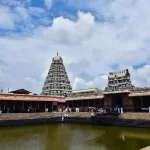 Sri Jambukeswarar Temple Maha Shivaratri 2026 Thiruvanaikaval
 Maha Shivaratri 2026 in Portugal: Shiva’s Silent Grace Along the Atlantic Shores
 Maha Shivaratri 2026 Celebrations in USA: A Coast-to-Coast Guide to Divine Devotion
 Maha Shivaratri 2026 in Italy: Shiva’s Light Awakens
 Parli Vaijnath Temple Maha Shivaratri 2026 Guide
 Maha Shivaratri 2026 Celebrations in Canada: A Coast-to-Coast Guide to Divine Devotion