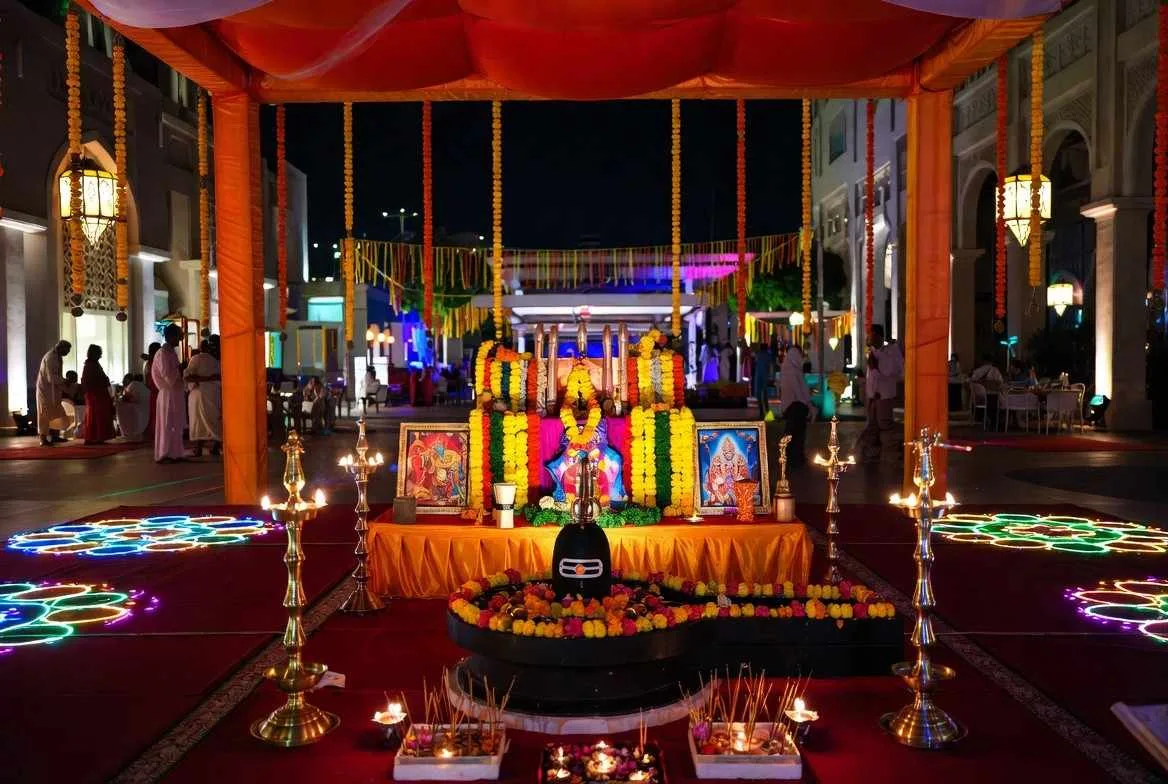
Maha Shivaratri 2026 in Italy: Shiva’s Light Awakens
Maha Shivaratri 2026 in Italy: Shiva’s Eternal Light Amid Art, History, and Inner Awakening In the timeless land of ancient temples, Renaissance art, and…

Maha Shivaratri 2026 in Italy: Shiva’s Eternal Light Amid Art, History, and Inner Awakening
In the timeless land of ancient temples, Renaissance art, and sacred silence hidden within bustling piazzas, Maha Shivaratri 2026 dawns as a night of profound spiritual remembrance across Italy. On Sunday, February 15, 2026, Hindu devotees in Rome, Milan, Turin, Florence, and other cities will observe the Great Night of Shiva—fasting, meditating, and surrendering to Lord Shiva, the eternal yogi who transcends civilizations, cultures, and centuries.
For Italy’s growing Hindu diaspora—families from India, Nepal, Sri Lanka, Mauritius, and Europe—Maha Shivaratri is a bridge between East and West, where ancient Shaiva wisdom finds expression in the heart of Europe’s artistic and philosophical heritage.
Rome: Shiva as the Eternal Witness of Time
In Rome, the city of emperors, saints, and seekers, Maha Shivaratri carries a deeply symbolic resonance. Just as Rome stands as a witness to the rise and fall of civilizations, Shiva stands as Mahakala, the lord of time itself.
At Hindu cultural centers and community temples around Rome, devotees gather for:
- Evening Shiva Abhishekam
- Chanting of Om Namah Shivaya and Maha Mrityunjaya Mantra
- Scriptural reflections on Shiva as the formless Absolute
- Midnight meditation during Nishita Kala
Rome’s Shivaratri observances emphasize detachment from ego and impermanence, reminding devotees that all worldly glory dissolves into Shiva’s infinite consciousness.
Milan: Devotion Amid Discipline and Modern Life
In Milan, Italy’s financial and fashion capital, Maha Shivaratri 2026 is observed with quiet discipline and inner resolve.
Indian professionals, students, and families assemble at:
- Community mandirs and cultural halls
- Evening pujas followed by bhajan sessions
- Short yet intense mantra chanting focused on inner purification
Many devotees fast throughout demanding workdays, arriving in the evening still dressed in office attire—symbolizing karma yoga united with bhakti. Shiva here is revered as Yogeshwara, guiding devotees to remain inwardly free amid material pursuits.
Turin & Northern Italy: Shiva as the Inner Alchemist
In Turin, Brescia, and surrounding northern regions—home to a large Indian workforce—Maha Shivaratri becomes a deeply personal and community-centered observance.
Devotees engage in:
- Group chanting of Rudram
- Collective fasting and midnight prayers
- Sharing prasadam after breaking the fast
Here, Shiva is experienced as Alchemist of the soul, transforming hardship, migration, and separation into spiritual strength.
Florence & Central Italy: Shiva as the Cosmic Artist
Florence, the cradle of Renaissance art, resonates beautifully with Shiva as Nataraja, the cosmic dancer whose Tandava inspires all creation.
Small groups and families observe Maha Shivaratri through:
- Meditative chanting
- Symbolic offerings to Shiva images
- Reflections on creation, destruction, and renewal
For many devotees, this union of art and spirituality deepens appreciation of Shiva as the source of all beauty and rhythm.
Observing Maha Shivaratri at Home in Italy
Due to limited temples and geographic spread, home-based Shivaratri worship is widely practiced and spiritually authentic.
Hindutone recommends:
- Lighting a lamp at sunset
- Offering water, milk, or flowers to Shiva
- Chanting Om Namah Shivaya 108 times
- Observing silence or meditation at midnight
Shaiva scriptures affirm that a single night of sincere Shivaratri devotion liberates accumulated karmas.
Spiritual Meaning of Maha Shivaratri for Hindus in Italy
For Hindus living in Italy, Maha Shivaratri represents:
- Preservation of Sanatana Dharma in a culturally rich yet secular land
- Inner stillness amid artistic and social vibrancy
- Unity among diverse Hindu communities
- A reminder that Shiva is both the artist and the silence behind art
As ancient wisdom declares:
“Where beauty meets stillness, Shiva resides.”
Maha Shivaratri 2026 – Italy SEO Snapshot
- Festival: Maha Shivaratri
- Date: Sunday, February 15, 2026
- Country: Italy
- Major Cities: Rome, Milan, Turin, Florence
- Key Rituals: Abhishekam, Jagran, Fasting, Meditation
- Ideal For: NRIs, professionals, students, spiritual seekers
Devotional Closing from Hindutone
O devotees dwelling in the land of art and ancient memory, remember on Maha Shivaratri 2026:
“Shiva is the artist who creates worlds,
And the silence in which all art dissolves.”
May Mahadev bless your lives with balance, beauty, and inner liberation.
[image: 🔱] Har Har Mahadev [image: 🔱]
[image: 🌐] Stay connected with Hindutone.com for authentic global Hindu festival guides, diaspora spirituality, and timeless Vedic wisdom.
For More Devotional Journey, Follow
- Temples
/temples/ - Tirumala Updates
/tirumala/ - Sabarimala Yatra
/category/sabarimala-yatra/ - Pooja, Slokas & Mantras
/pooja-slokas-and-mantras/ - Hindu Gods
/hindu-gods/
Frequently Asked Questions
When is Maha Shivaratri 2026 in Italy?
Maha Shivaratri 2026 is observed on Sunday, February 15, 2026. Hindu devotees in Rome, Milan, Turin, Florence and other Italian cities fast, meditate and worship Lord Shiva that night.
How do Hindus in Rome observe Maha Shivaratri?
At Hindu cultural centers and community temples, devotees gather for evening Shiva Abhishekam, chanting of Om Namah Shivaya and the Maha Mrityunjaya Mantra, scriptural reflections, and midnight meditation during Nishita Kala.
How can NRIs in Italy perform Shivaratri puja at home?
Light a lamp at sunset, offer water, milk or flowers to Shiva, chant Om Namah Shivaya 108 times, and observe silence or meditation at midnight. Home worship is widely practiced because temples are limited and spread out.
How do working professionals in Milan keep the Shivaratri fast?
Many devotees fast through the workday and arrive at community mandirs or cultural halls in the evening for puja and bhajans, followed by short, intense mantra chanting.
What do Hindus in Turin and northern Italy do on Maha Shivaratri?
Communities hold group chanting of Rudram, collective fasting and midnight prayers, then share prasadam after breaking the fast.
Share this with family and friends
Send it on WhatsApp, post it, or copy the link.
More from Maha Shivaratri 2026
- Maha Shivaratri Four Prahar Puja — The Complete Night-by-Night Ritual Guide
- Devotion in the Sands: The Inspiring Story of a Karnataka Couple Crafting 1008 Shiva Lingams Every Maha Shivaratri
- Isha Foundation's Mahashivratri 2026 Sets New Record as Most Viewed Celebration on YouTube
- The 33rd Mahashivratri at Isha Yoga Center
- Maha Shivaratri 2026 Celebrations in Germany: How the Hindu Community Honored Lord Shiva Yesterday – A Complete Guide to Cities, Temples, and Events
You might also like
Maha Shivaratri 2027 Celebrations in Australia: How the Hindu Diaspora Honored Lord Shiva Yesterday – A Complete Guide to Cities, Temples, and Events
Maha Shivaratri 2026 Celebrations in New Zealand: How the Hindu Community Honored Lord Shiva Yesterday – A Complete Guide to Cities, Temples, and Events
Maha Shivaratri 2027 in Norway: Your Complete Celebration Guide