Srikalahasti Temple Maha Shivaratri Brahmotsavam 2026: 13-Day Grand Celebrations with Lingodbhava Darshan – Complete Devotee Guide
By HinduTone Spiritual Festivals Correspondent Published: February 10, 2026 Srikalahasti Temple, one of the revered Pancha Bhoota Sthalas representing the Vayu…
By HinduTone Spiritual Festivals Correspondent Published: February 10, 2026 Srikalahasti Temple, one of the revered Pancha Bhoota Sthalas representing the Vayu…
By HinduTone Spiritual Festivals Correspondent Published: February 10, 2026
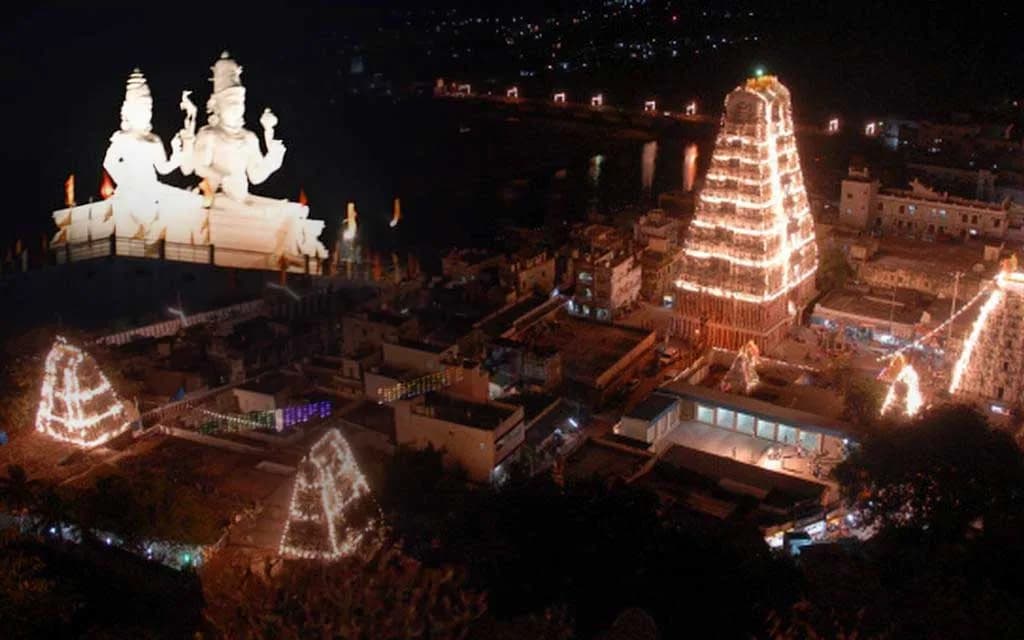
Srikalahasti Temple, one of the revered Pancha Bhoota Sthalas representing the Vayu (Air) element, stands as a timeless beacon of Shaiva devotion in Andhra Pradesh. Located just 36 km from Tirupati, it is affectionately called "Dakshina Kailasam" (Southern Kailash) and is the sacred site where the legendary hunter Bhakta Kannappa offered his eyes to Lord Shiva in ultimate devotion. The temple complex houses Sri Kalahasteeswara Swamy (Lord Shiva as Vayu Lingam) and Gnanaprasunambika Devi, drawing millions for its powerful rituals, especially the unique Rahu-Ketu Pooja that mitigates planetary afflictions.
The annual Maha Shivaratri Brahmotsavams 2026 at Srikalahasti Temple span February 10 to February 23, 2026—a vibrant 13-day festival culminating in the Great Night of Shiva on February 15, 2026 (Phalguna Krishna Chaturdashi). This multi-day extravaganza blends ancient Agamic traditions, elaborate vahana processions, Vedic chants, and mass devotion, attracting 1.5–3 lakh pilgrims on peak days, particularly for the mystical Lingodbhava Darshan.
Authorities from the temple administration and Andhra Pradesh Endowments Department have made extensive preparations, including enhanced queue systems (three main lines from 2 AM to 11 PM on Shivaratri), medical aid, sanitation, free annadanam, and special darshan slots to manage the influx seamlessly.
Spiritual Essence of Srikalahasti & Maha Shivaratri
Srikalahasti's Vayu Lingam is said to be self-manifested, with air currents constantly moving the lamp flame inside the sanctum—symbolizing the imperceptible yet omnipresent nature of the divine. The temple's legends from Skanda Purana, Shiva Purana, and Linga Purana highlight themes of unwavering bhakti (Kannappa's story), forgiveness, and liberation from sins and doshas.
Maha Shivaratri here emphasizes jagran (night-long vigil), Rudrabhishekam, Bilva leaf offerings, and the profound Lingodbhava—Lord Shiva's emergence as an infinite pillar of light. Devotees believe fasting, chanting "Om Namah Shivaya," and participating in these rituals dissolve karma, grant moksha, and provide relief from Rahu-Ketu influences through special poojas.
Detailed 13-Day Brahmotsavam Schedule (February 10–23, 2026)
The festival kicks off with preparatory rituals and builds to the grand Shivaratri climax:
- February 10, 2026 (Tuesday): Bhakta Kannappa Deeksha Vidharanam & Ankurarpana (seed-sowing ceremony) at 4:00 PM–6:00 PM, invoking the devotee's spirit.
- February 11, 2026 (Wednesday): Dwajarohanam (flag hoisting) at 6:00 AM–7:00 AM for Lord Shiva and Ammavaru; Vendi Ambari Vahana Seva (silver palanquin procession) morning and night.
- February 12–14, 2026: Daily vahana sevas including Surya Prabha, Chappara, Hamsa/Chiluka, and others, with morning and evening processions around the temple streets.
- February 15, 2026 (Sunday – Maha Shivaratri): The pinnacle day features Kailasa Vahanam, continuous Maha Rudrabhishekam with thousands of Bilva leaves (108/1008 archana options), all-night jagran, Vedic recitations, and cultural programs. Devotees fast rigorously, perform home/temple pujas, and stay awake in devotion.
- February 16, 2026 (Monday): Highlight – Lingodbhava Darshan from 2:00 AM–6:00 AM, when the Shivling is worshipped in its emergent Jyotirlinga form amid special lighting and chants. Followed by Rathotsavam (chariot procession) in the morning and Teppotsavam (float festival) at night.
- February 17–23, 2026: Concluding vahana sevas, including Nandi Seva, final processions, and Poornahuti, wrapping up with serene rituals and mass prasadam distribution.
Key vahana sevas throughout include Bhootha Shuka Vahanam, Vrushabha (Nandi), Surya, and others, each adorned exquisitely with flowers, lights, and accompanied by nadaswaram and bhajans.
Unique Attractions: Rahu-Ketu Pooja & Astrological Benefits
Srikalahasti is renowned worldwide for Rahu-Ketu Pooja (Sarpa Dosha Nivarana), performed daily. During Brahmotsavams, special sessions amplify benefits for those afflicted by planetary doshas, marriage delays, or career obstacles. Combined with Shivaratri's energy, it offers profound liberation from sins and negative influences.
Pilgrim Tips for 2026 Celebrations
- Darshan & Crowds: Expect long queues; opt for special entry if available. VIP breaks in fixed slots on peak days.
- Travel: Easily accessible from Tirupati (APS RTC buses every 15–30 mins); arrive early for Lingodbhava.
- Accommodation: Book TTD/IRCTC guesthouses or private hotels in Srikalahasti/Tirupati in advance.
- Observance: Strict fast on February 15 (nirjala/phalahar), Bilva offerings, mantra japam. Carry ID, water, and warm clothes for night vigils.
- Health & Facilities: Temple provides free meals, medical camps, and wheelchairs.
Witnessing the Lingodbhava or vahana sevas here evokes deep spiritual ecstasy—many devotees describe a palpable divine presence and inner peace.
May Lord Kalahasteeswara and Goddess Gnanaprasunambika shower blessings of health, devotion, and liberation during this sacred Brahmotsavam.
For more divine insights:
- Sri Kalahasti Temple
- Top 10 Lord Shiva Temples 2026: Jyotirlingas & Sites
- Maha Shivaratri 2026: Great Night of Shiva – Significance, Fasting, Rituals and Devotional Practices
- Ekadasa Rudrabhishekam: Complete Guide to Benefits, Procedure & Significance
Keywords: Srikalahasti Maha Shivaratri Brahmotsavam 2026, Lingodbhava Darshan Srikalahasti 2026, Srikalahasti temple schedule February 2026, Pancha Bhoota Sthalam Vayu Lingam, Rahu Ketu Pooja Srikalahasti
Frequently Asked Questions
Where is Srikalahasti Temple Maha Shivaratri Brahmotsavam located?
By HinduTone Spiritual Festivals Correspondent Published: February 10, 2026 Srikalahasti Temple, one of the revered Pancha Bhoota Sthalas representing the Vayu (Air) element, stands as a timeless beacon of Shaiva devotion in Andhra Pradesh. Located just 36 km from Tirupati , it is affectionately called "Dakshina Kailasam" (Southern Kailash) and is the sacred
Who is the presiding deity of Srikalahasti Temple Maha Shivaratri Brahmotsavam?
The presiding deity is Lord Shiva.
What are the timings and how do I reach Srikalahasti Temple Maha Shivaratri Brahmotsavam?
Temples typically open early morning and evening; confirm current darshan timings before visiting. The nearest airport, railway station and road routes are covered in the guide above.
What is the best time to visit Srikalahasti Temple Maha Shivaratri Brahmotsavam?
Major festival days and the cooler months are popular, though weekday mornings offer a calmer darshan. Plan around the temple's key festivals for the most vibrant experience.
You might also like
Karthika Purnima 2026: Significance, Rituals, and the Triple Festival Across Hindu, Sikh, and Jain Traditions
Maha Shivratri 2026: Complete Puja Guide with Mantras, Four Prahara Vigil & Fast Rules
Shiva Vrats of June 2026: Kalashtami (June 8) & Masik Shivaratri (June 13)